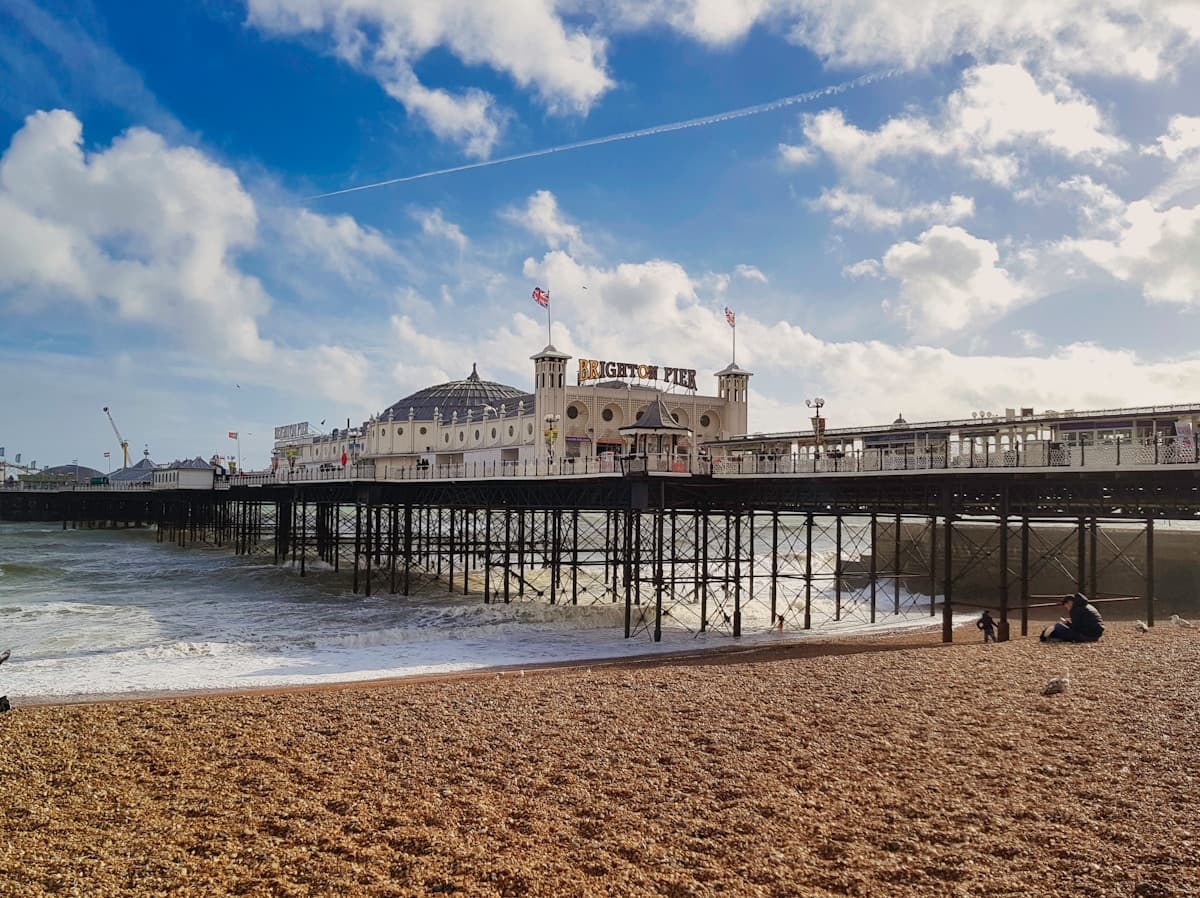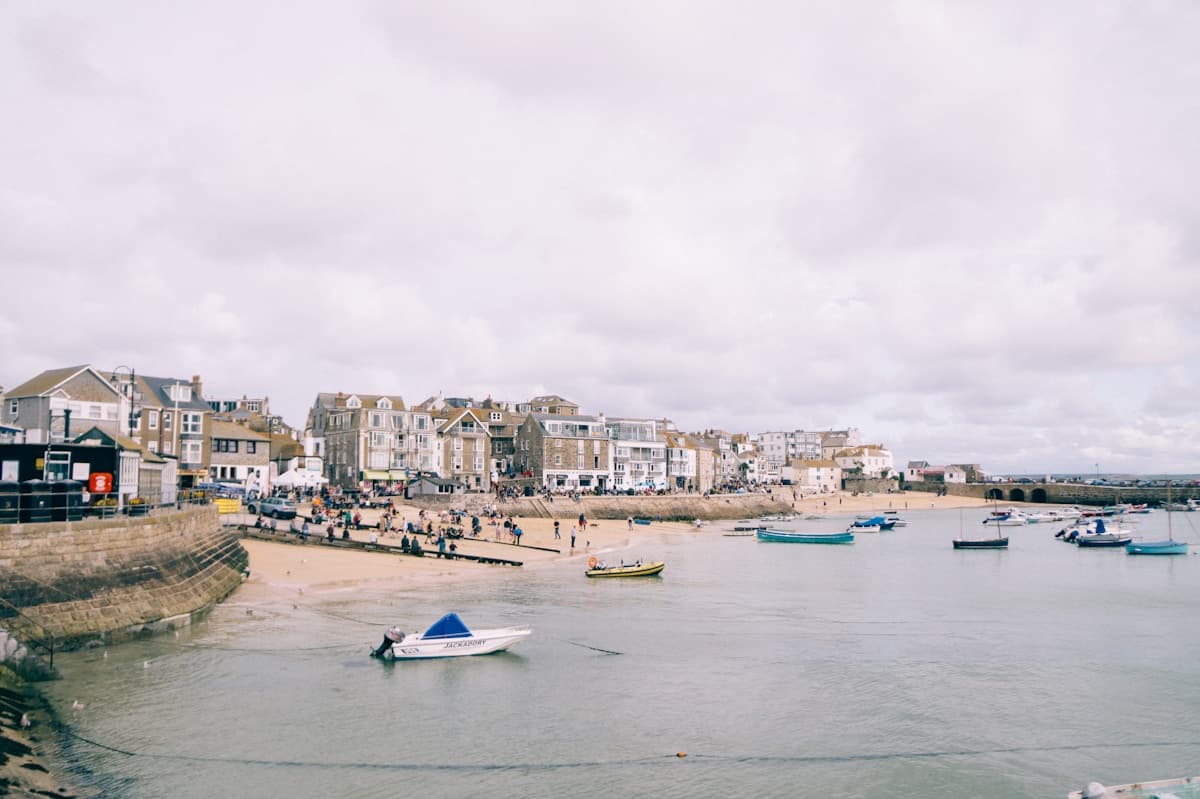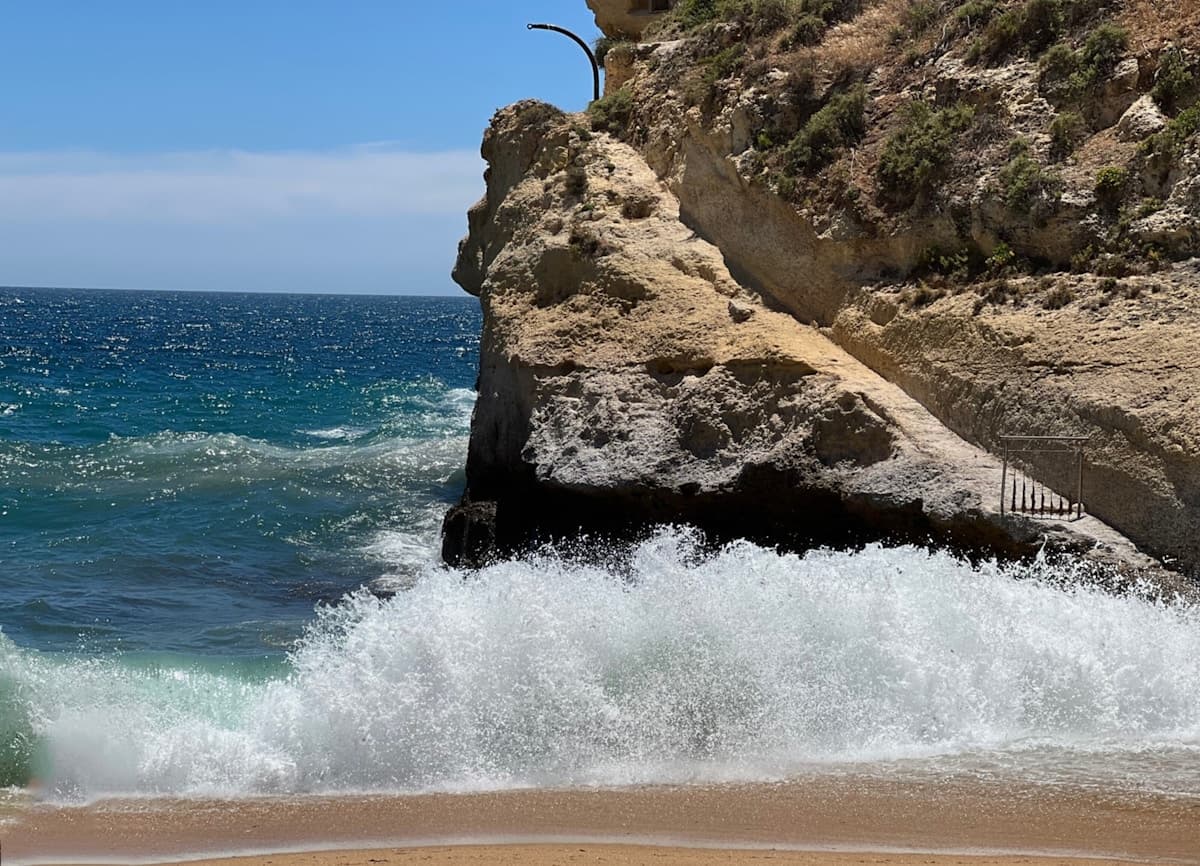
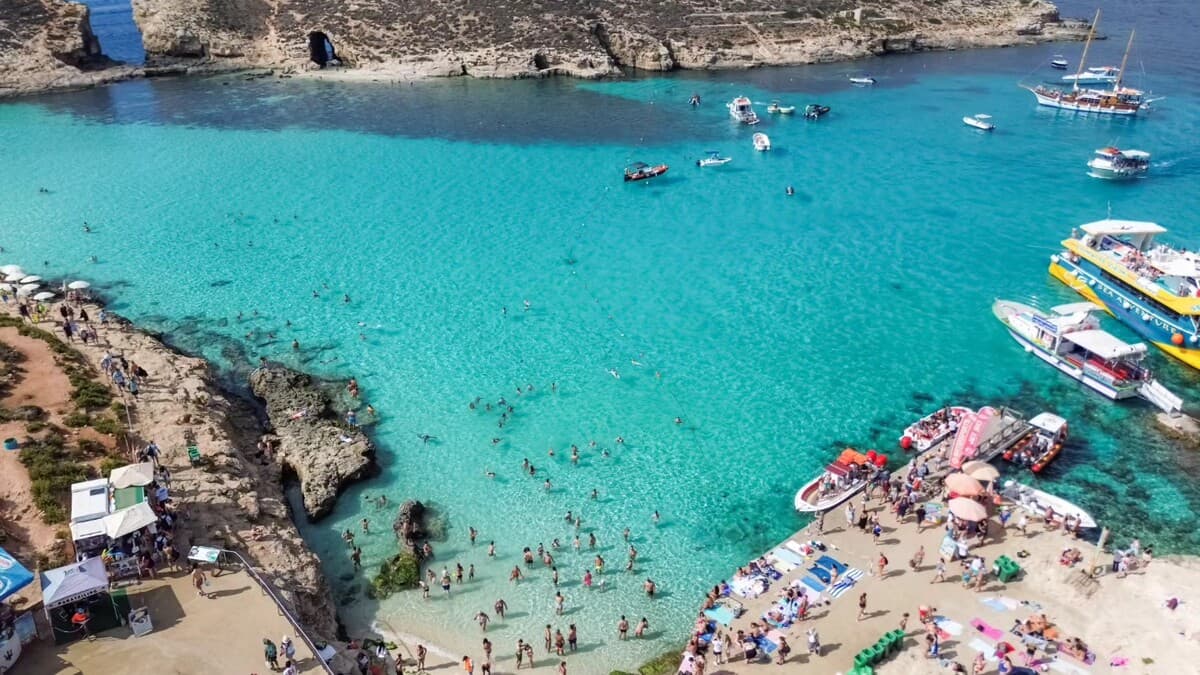
On 26 July 2026, tens of thousands of people brought central Palma to a standstill, police put the crowd at 25,000 and organisers at 70,000, in the largest of the protests that have moved along Spain's coasts since 2024. The marchers were consistent about one thing: their anger is aimed at a housing crisis and a model of mass tourism, not at individual visitors, though the day ended with clashes between a minority of protesters and riot police.
The same summer, the practical rules of a European beach holiday are quietly being rewritten. Santorini now caps cruise arrivals at 8,000 people a day. Venice charges day-trippers to walk into the city. Zakynthos has closed its most photographed beach outright. Sardinia, Galicia and Marseille all make you book a slot before you can reach the sand.
This is the running list of what actually changed for 2026, country by country, with the official source for each rule, and, just as usefully, where to go instead. We keep it updated as new measures land, and in 2026 they are landing most months.
The 2026 rules at a glance
| Place | The 2026 rule | Source |
|---|---|---|
| Santorini, Greece | Cruise arrivals capped at 8,000 a day, tightened further for 2026 | GTP |
| Santorini and Mykonos | €20 per-person cruise fee in peak season, €5 at other Greek ports | Euronews |
| Navagio, Zakynthos | Beach and bay closed to visitors and boats over rockfall risk | Schengen.News |
| Dubrovnik, Croatia | Two cruise ships and 4,000 passengers a day, timed coach slots | EU Tourism Platform |
| Hvar, Croatia | Fines up to about €600 for swimwear in town, up to €700 for street drinking | Hvar Tourist Board |
| Venice, Italy | €5 day-tripper access fee, €10 last-minute, on about 60 dates | Comune di Venezia |
| La Pelosa, Sardinia | 1,500 visitors a day, booking required, €3.50 fee | Stintino |
| Cala Goloritzé, Sardinia | 250 visitors a day, booking required, €7 fee | Baunei |
| Budelli Pink Beach, Sardinia | Landing and swimming banned outright, €300 fine | La Maddalena Park |
| Calanque de Sugiton, France | 400 visitors a day, free booking on peak dates | Calanques Park |
| Amsterdam, Netherlands | Sea-cruise calls capped at 100 a year, €15 per cruise passenger | Maritime Executive |
| Balearic party zones, Spain | No alcohol sales 21:30 to 08:00; happy hours, pub crawls and party boats banned | BOE decree |
| Barcelona, Spain | All tourist-apartment licences to be phased out by 2028 | Catalan News |
| Barcelona beaches | Smoking banned on all city beaches | Barcelona City Council |
| Cíes Islands, Spain | 1,800 visitors a day, free permit needed before the ferry | Xunta de Galicia |
| Praia das Catedrais, Spain | 4,812 visitors a day, free timed booking in summer | Xunta de Galicia |
| Cabo de Gata, Spain | Car access closed when full, 20 June to 27 September, shuttle instead | Junta de Andalucía |
A few of these are fines and dress codes rather than hard caps, and a couple are proposals still working through local councils, such as a bigger Balearic ecotax and a Barcelona cruise levy. We have left those out until they are law. Everything in the table above is in force for 2026.
Greece: the capped islands, and the coasts with no queue
Greece's new rules are aimed squarely at the cruise-ship pinch points. Santorini's 8,000-a-day cap and the €20 peak-season fee are about the caldera ports, and the closure of Navagio Beach on Zakynthos is a genuine safety measure after years of rockfalls, not a crowd-control trial. None of it touches an independent traveller staying on the islands and heading to the beach under their own steam.
And most of Greece has no caps at all. The Ionian islands in particular run on their own quiet clock. Kefalonia's Fteri Beach and Corfu's Porto Timoni sit near the very top of the world's beach rankings and ask for nothing more than an early start and a walk down. For where the Ionian's calmer coves stand against the busier Cyclades names, our Ionian versus Cyclades guide lays it out, and the island roundups for Kefalonia, Corfu and Rhodes go deeper.
Spain: the protested hotspots, and the calmer coasts
Spain is where the two stories meet: the loudest protests and some of the firmest rules. The Balearic party zones in Magaluf, Playa de Palma and Sant Antoni now ban late-night alcohol sales, happy hours, pub crawls and party boats. Barcelona is phasing out every one of its roughly ten thousand tourist-apartment licences by 2028 and has made its beaches smoke-free. And three of Spain's most beautiful beaches, the Islas Cíes and Praia das Catedrais in Galicia and the Cabo de Gata coves in Almería, now sit behind daily caps, permits or summer car bans.
The honest read is that the pressure is concentrated in a handful of places: the Balearics, Barcelona, and the Canary Islands, which have run some of the country's biggest anti-tourism marches. Spain's calmer coasts sit well away from all of it. Cabo de Gata and the wider Costa de Almería, the rural stretch of the Costa de la Luz in Cádiz, and the green north in Cantabria and Galicia are the parts of the country where you can still turn up and spread out. Our guide to Spain's nine quietest beaches covers them one by one, from the wild pebbles of Playa de los Muertos to the cliff-backed sand at Langre.
Italy, Croatia and the rest
Italy's caps are the most beach-specific in Europe. Sardinia leads the way: La Pelosa at Stintino, Cala Goloritzé and Tuerredda all require a booking and a small fee, and Budelli's famous Pink Beach is off limits entirely. Venice's day-tripper charge is the headline for the city, not the coast. Our Sardinia and Sicily guides steer you to the coves that reward the effort.
Croatia's squeeze is in one place: Dubrovnik, where cruise ships are held to two a day and 4,000 passengers, and where Hvar now fines swimwear in town. The rest of the country is wide open. Istria has no cruise port at all, which is why its long, folded coast still absorbs a crowd. See our Istria and Split guides, and our ranking of Croatia's best beach islands. Just across the water, the Albanian Riviera remains the least regulated clear-water coast in the region, for now.
Further north, Amsterdam is cutting sea-cruise calls to 100 a year and taxing each cruise passenger €15, and in France the Calanque de Sugiton near Marseille caps entry at 400 a day. Both are worth knowing if a cruise or a city break bookends your beach trip.
Where to go instead, by the crowd you are escaping
The pattern across 2026 is simple: the rules cluster on the famous names, and the coast on either side of them stays free. So pick your alternative by what you are trying to avoid.
If you are escaping the cruise-ship crush of Dubrovnik or Santorini, point yourself at a coast the big ships barely touch: Istria and the Albanian Riviera have no cruise port at all, and on an Ionian island like Kefalonia the calls are a fraction of Santorini's, with the best beaches nowhere near the port. Our Santorini alternatives guide picks six islands to swap in.
If you are escaping the booked-and-capped beaches, most of mainland and island Greece still lets you simply walk down to the water, as our Ionian versus Cyclades guide shows.
If you are escaping the old party strips of Mallorca and Ibiza, the quieter Croatian islands and the coves of Sardinia are a different holiday altogether.
And if you just want the best of the lot and do not mind earning it, many of the beaches worth booking or walking for are on our World's 50 Best Beaches guide.
A last word on the protests, because it matters. The people marching in Palma and Barcelona are not asking tourists to stay home so much as asking for their towns back: for homes that locals can afford and streets that still work in August. Travelling a little differently is part of the answer, going in June or September rather than the peak, staying longer in one place, spending in family-run tavernas rather than chains. Do that, skip the three or four names everyone else is queuing for, and Europe's coast is as open as it ever was.