The 2026 edition of the World's 50 Best Beaches landed on 28 April, and the crown went to the Philippines. Entalula Beach in El Nido took the top spot, ahead of Fteri Beach in Greece and Wharton Beach in Australia. You will find that same list republished on a hundred travel sites, name for name.
Here is what makes this one different. We have written full reviews of fifteen of the fifty, so instead of just handing you the ranking, we can tell you what those beaches are like to visit: access, crowds and facilities, where the list gets it right, and where a top-fifty beach comes with a downside the ranking leaves out. The full 2026 list is further down, along with how it is judged. First, the fifteen we've reviewed.
The 2026 podium: Entalula, Fteri, Wharton
The top three tell you what the judges rewarded this year: remote, wild, and hard to reach beats polished and convenient.
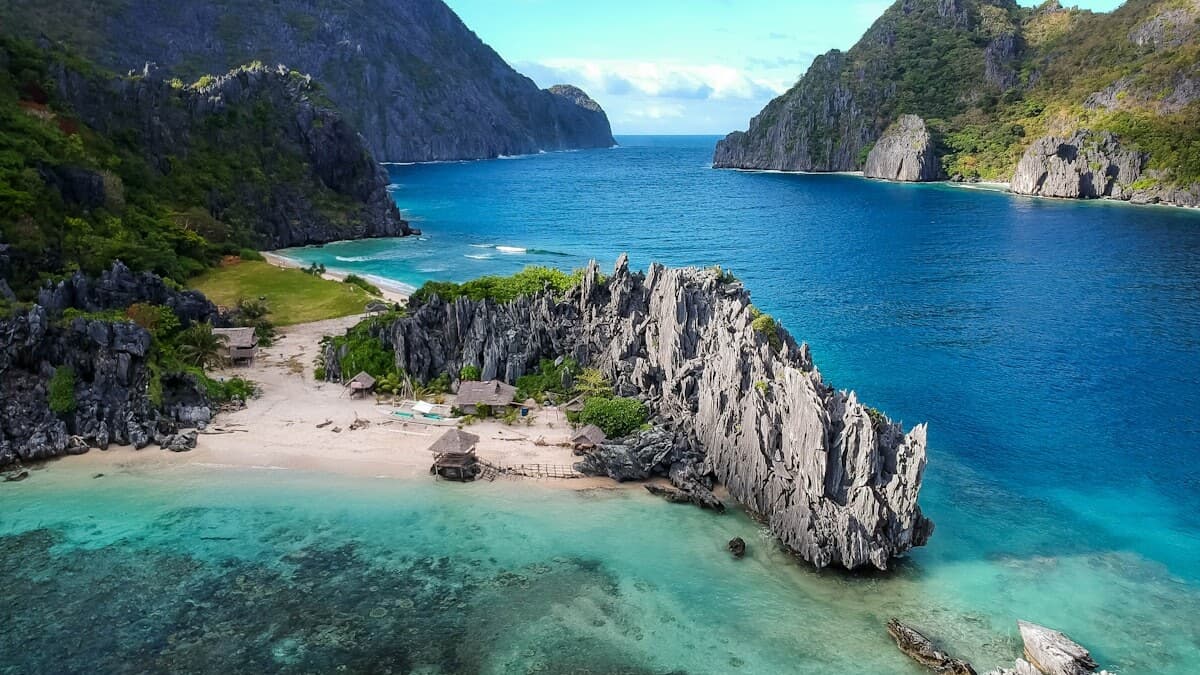
Entalula sits in Bacuit Bay off El Nido, a curve of white sand under limestone cliffs that you can only get to by boat, as a landing on the Tour B island-hopping route. Fteri, the runner-up, is a Kefalonian pebble cove reached by a steep footpath or a boat, with the kind of water that photographs like a swimming pool. Wharton, third, is a 4.5km arc of squeaky white sand an hour east of Esperance in Western Australia, empty enough that you can often have a stretch of it to yourself.
All three of the podium beaches, Entalula, Fteri and Wharton, we have reviewed in full.
The 15 winners we've reviewed ourselves
These are the beaches on the 2026 list that we have reviewed in full. The honest verdicts are ours, not the panel's.
Entalula Beach, Philippines (number 1)
The new best beach in the world earns it on looks, and our Entalula review rates its scenery and water clarity as good as beaches get. What the ranking does not tell you is that Entalula is a boat-only day stop with next to nothing built on it: no loungers, no bar, no easy access. You land off a Tour B banca, you swim, you move on. Deserving of the crown for setting, but treat it as an island-hopping highlight rather than a beach you base a holiday around.
Fteri Beach, Greece (number 2)
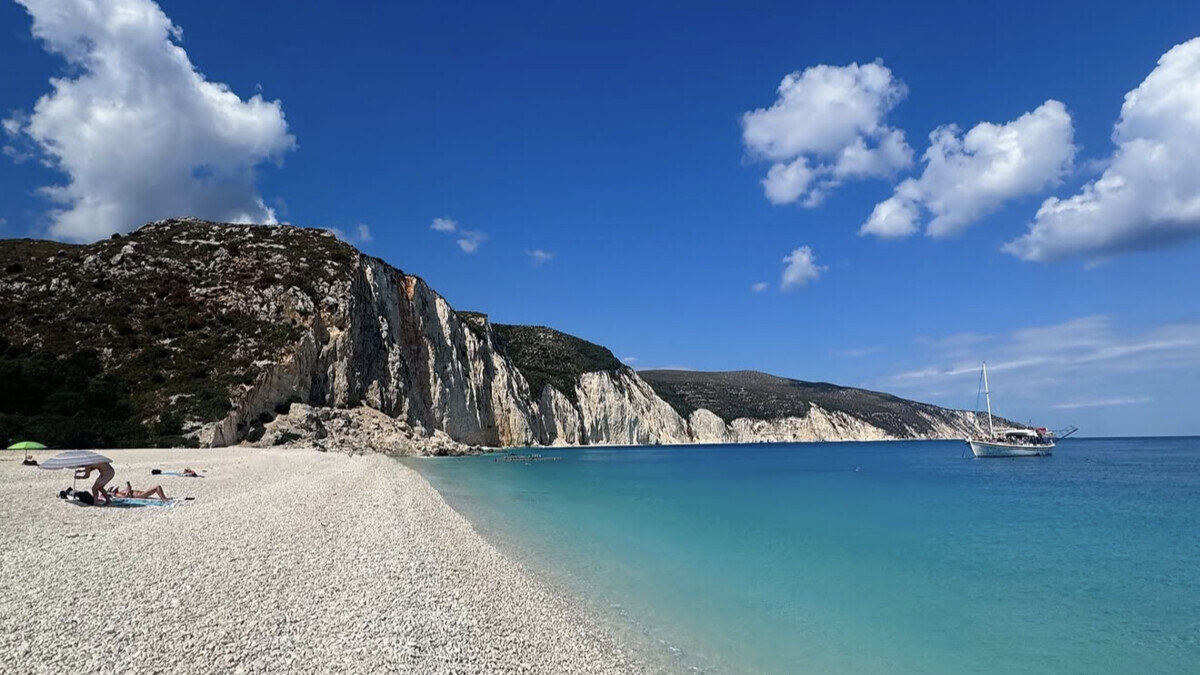
Our Fteri review covers the highest-ranked Greek beach on the list, a white-pebble cove on Kefalonia's northwest coast beneath dramatic pale cliffs, with water clear enough to see straight to the bottom. The catch is the access and the crowds: there is no road in, so you come by water taxi from Zola or a steep hike, and the small beach fills with boat taxis by midday. Arrive first thing in the morning, and it earns its number-two spot.
Wharton Beach, Australia (number 3)
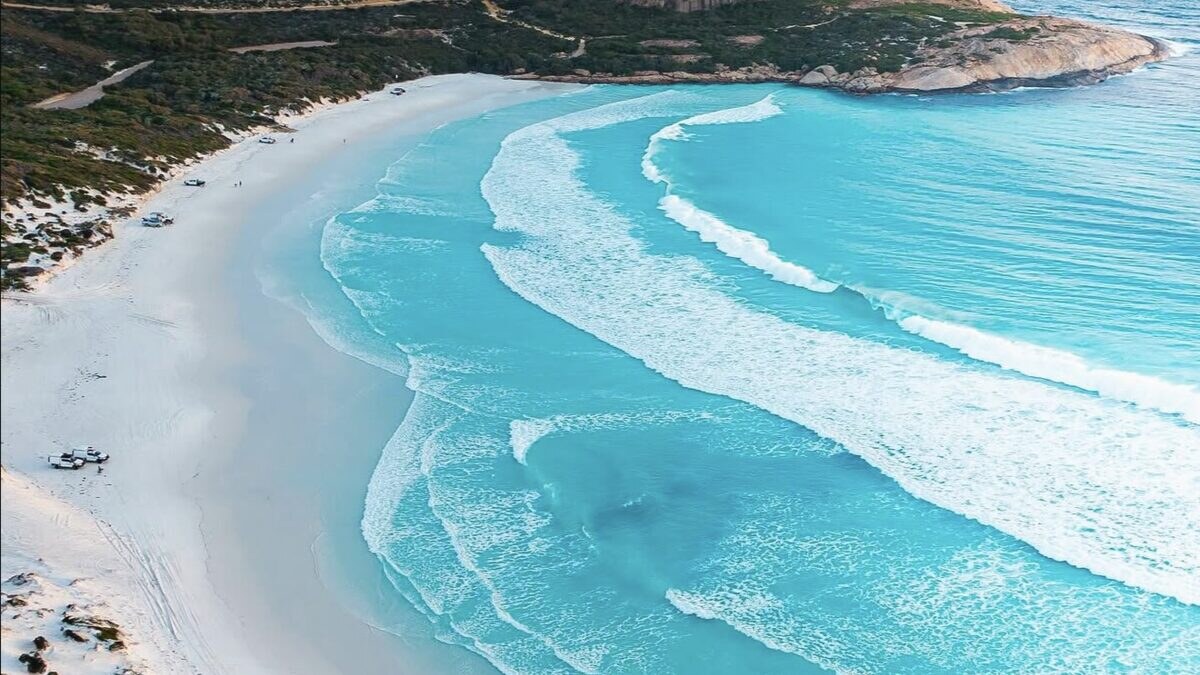
Our full Wharton review already rated it among the strongest beaches on the site, and third in the world is fair. It is free, the sand genuinely squeaks, and the water runs through every shade of blue. The trade-off is facilities: this is a wild beach with a sealed-road car park and not much else, so you bring your own shade, water and food. Worth the hour from Esperance.
Playa Balandra, Mexico (number 8)
The list's case rests on the water: a shallow, sheltered bay about 25km (15 miles) north of La Paz in Baja California Sur, where the tide never rises above chest height, so you can wade between its seven small beaches. Our Playa Balandra review finds that getting in takes more planning than the swim. The bay is a federal protected area, and CONANP sells 125-peso wristbands for two shifts a day, 8am to noon and 1pm to 5pm, each capped at 450 people. Online wristbands cover only the afternoon, so a morning visit means queuing at the gate (checked November 2026). Nothing is sold on the sand. Pick an afternoon when low tide falls inside the shift, and the bay drains to white sandbars you can walk across.
Grace Bay Beach, Turks and Caicos (number 17)
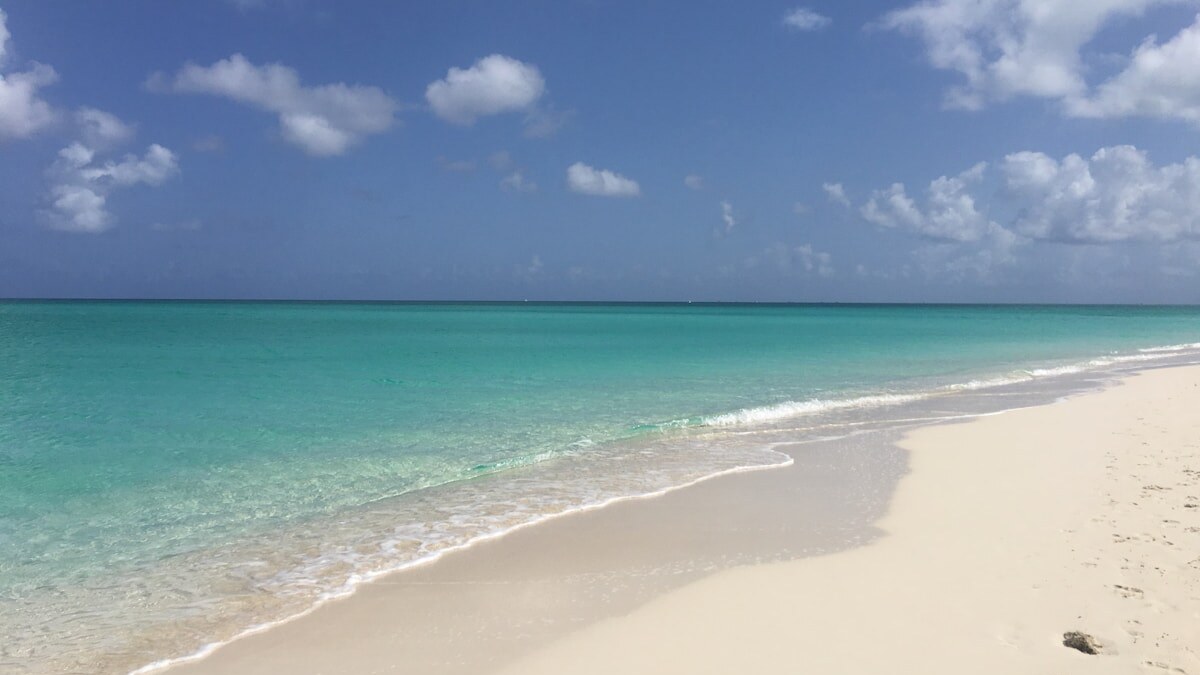
For our money the most complete beach on this whole list, and our Grace Bay review explains why: twelve miles of powder sand, clear calm water, and full resort infrastructure behind it, so it scores top marks on nearly everything. It sits at 17 rather than the top because the panel rewards wildness, and Grace Bay is the opposite: easy, developed, and all the better for it if you want a real holiday rather than a photo stop.
Wineglass Bay, Australia (number 21)
Unlike Wharton, you cannot drive to it. Our Wineglass Bay review lays out the choice the bay forces in Freycinet National Park on Tasmania's east coast: a steep 1.3km climb to the lookout, about 1,000 stairs further down to the sand, or a day cruise from Coles Bay that shows the bay from the water. The view from the lookout saddle justifies the ranking on scenery alone. The beach is unpatrolled, a Tasmanian parks pass is required, and every walk starts from the same car park in a park that draws about 290,000 visitors a year, so set off early.
Anse Source d'Argent, Seychelles (number 24)
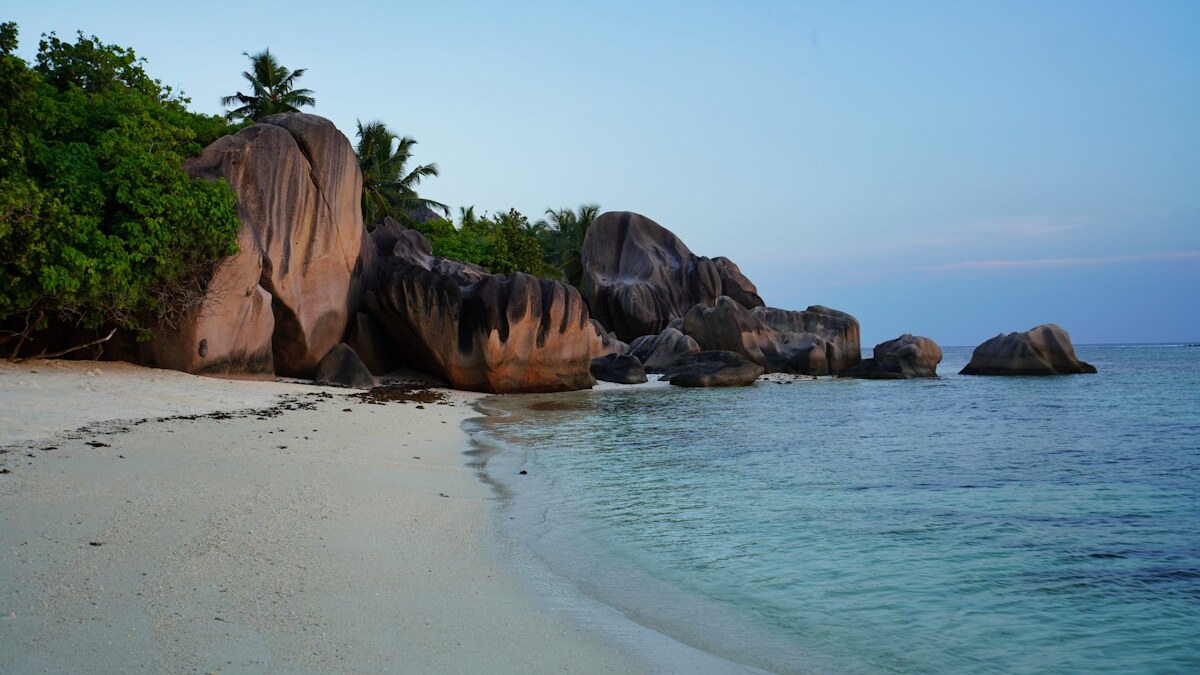
Probably the most photographed beach on earth, all giant granite boulders and pink-tinged sand on La Digue. As our review of Anse Source d'Argent lays out, the catch behind the postcard is that the reef keeps the water shallow, it gets genuinely busy, and you reach it through a paid estate. A showstopper to look at, less of a swimming beach than the pictures suggest, which is why we would place it about where the list does.
Seven Mile Beach, Cayman Islands (number 26)
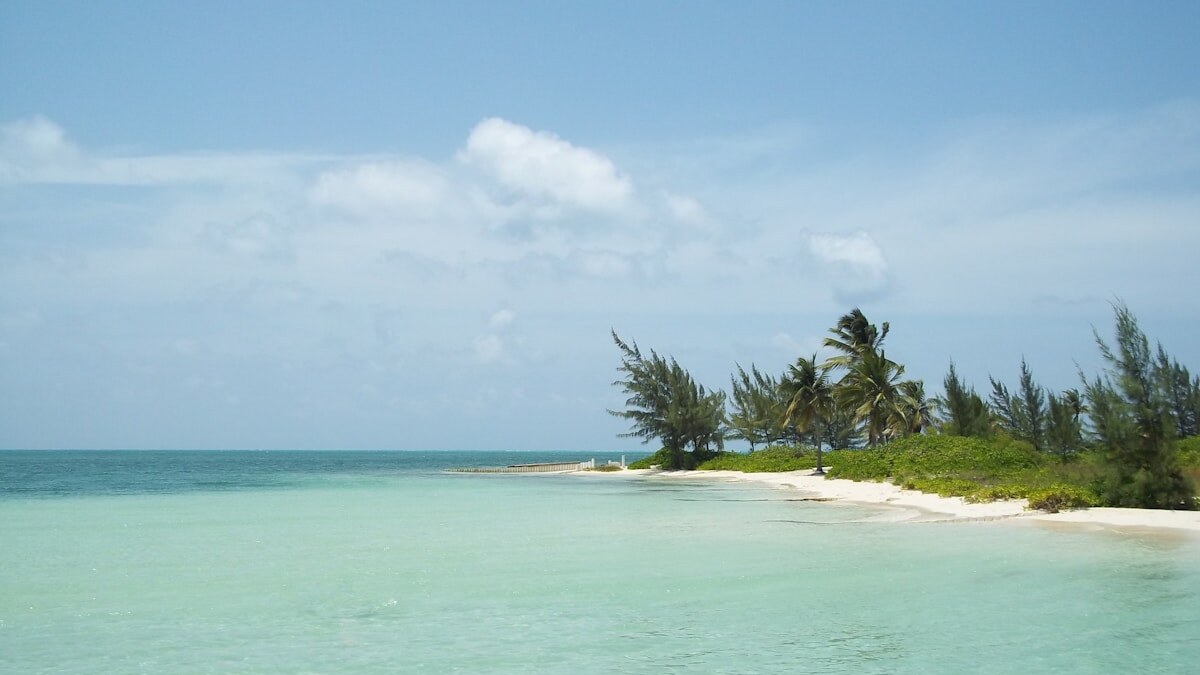
The easiest beach here to actually enjoy. As our Seven Mile Beach review covers, Grand Cayman's flagship strip does everything: clear water, soft sand, flat access, and every facility you could want. The reasons it is not higher are the reasons it is comfortable, the cruise-ship crowds and Cayman prices. If your idea of the perfect beach includes a lounger and a cocktail, this outranks most of the wild coves above it.
Freedom Beach, Thailand (number 27)
The one beach in this section you can't visit at the moment. Our Freedom Beach review covers the 300m cove on the forested headland between Patong and Karon in Phuket, which the Royal Forest Department closed to visitors and swimmers on 11 August 2026 after the third drowning there since May 2025. No reopening date had been announced when we checked in early November 2026. When it reopens, it's a 10-minute longtail ride from the southern end of Patong, and the clear water under the headland explains the ranking. Go in the dry season, roughly November to April, and stay out of the water under a red flag.
Playa Xpu-Ha, Mexico (number 37)
The list praises it as a beach away from loud beach clubs, and our Xpu-Ha Beach review finds that only half right. The water is the draw: a long curve of fine white sand 25 minutes south of Playa del Carmen, where a small inlet and a sandy bottom keep the sea calmer than at most beaches on this coast. But most roads to it cross private land, so reaching the public sand usually means a club gate, and the main one, La Playa Xpu-Ha, charges 200 pesos a person, which you can take as a prepaid bracelet and spend on lunch. Check the sargassum map before going between April and October.
Playa de Cofete, Spain (number 39)
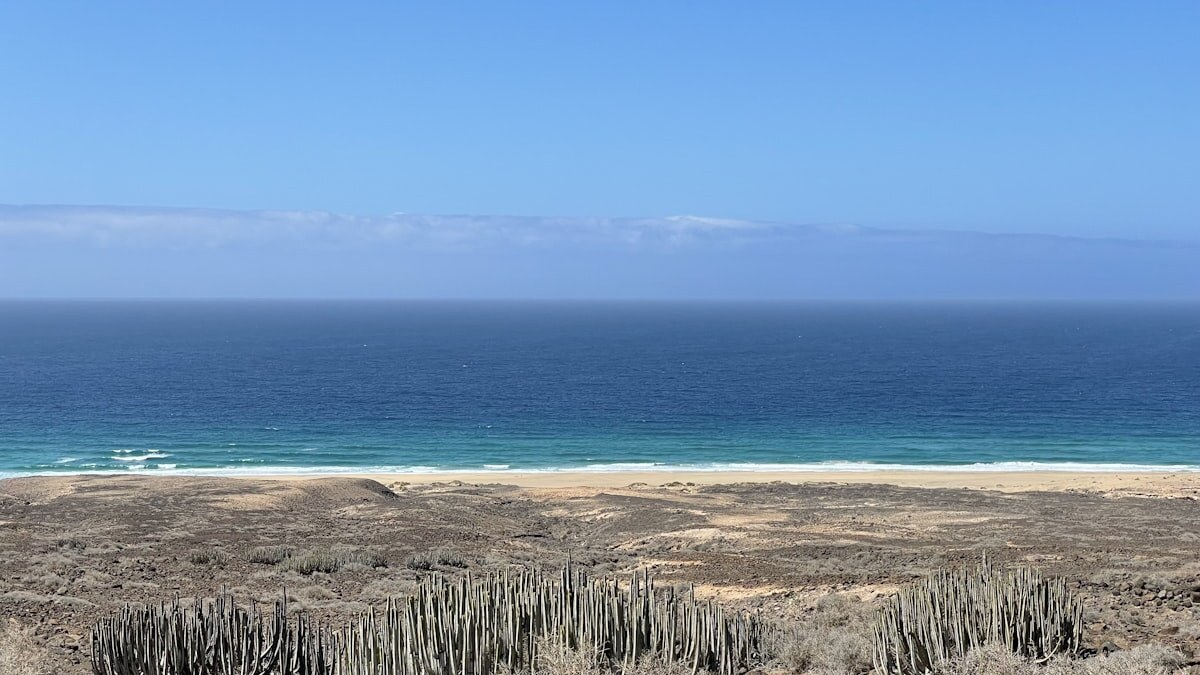
The wildcard of the fifteen. Our Playa de Cofete review calls it twelve kilometres of golden sand on Fuerteventura's remote Jandia peninsula, backed by mountains, with a genuine edge-of-the-world feel. But the Atlantic here is rough and often murky, the currents make swimming risky, and you earn it on a long, punishing dirt road. It is ranked for raw drama, not for a relaxing swim, and we would tell you the same.
Le Morne Beach, Mauritius (number 40)
The sand wraps around a flat peninsula at the south-west tip of Mauritius, below the rock wall of Le Morne Brabant, a UNESCO World Heritage Site. Our Le Morne Beach review finds that resorts front most of it. Mauritian law keeps the shore open to everyone, but the hotels keep their loungers and bars for guests, so a beach day means the free public stretch between the Dinarobin and LUX* Le Morne hotels, with a free car park, public toilets and a restaurant. From May to October the trade wind builds after a lighter morning and fills the lagoon with kites, so swim early and watch the kiters after lunch. For the island's other public beaches, see our guide to the best beaches in Mauritius.
Flamenco Beach, Puerto Rico (number 41)
The only Puerto Rican beach on the list is a horseshoe of white sand close to a mile long on the island of Culebra, around a bay sheltered enough to lie clear and still on a calm morning. Our Flamenco Beach review finds the beach easy and the journey hard: Culebra is a 90-minute ferry from Ceiba or a 20-minute flight from San Juan, and ferry seats sell out. Two graffiti-painted tanks, left from decades of US Navy and Marine Corps gunnery practice, rust on the sand. Stay a night on the island rather than rushing a day trip.
Porto Timoni, Greece (number 46)
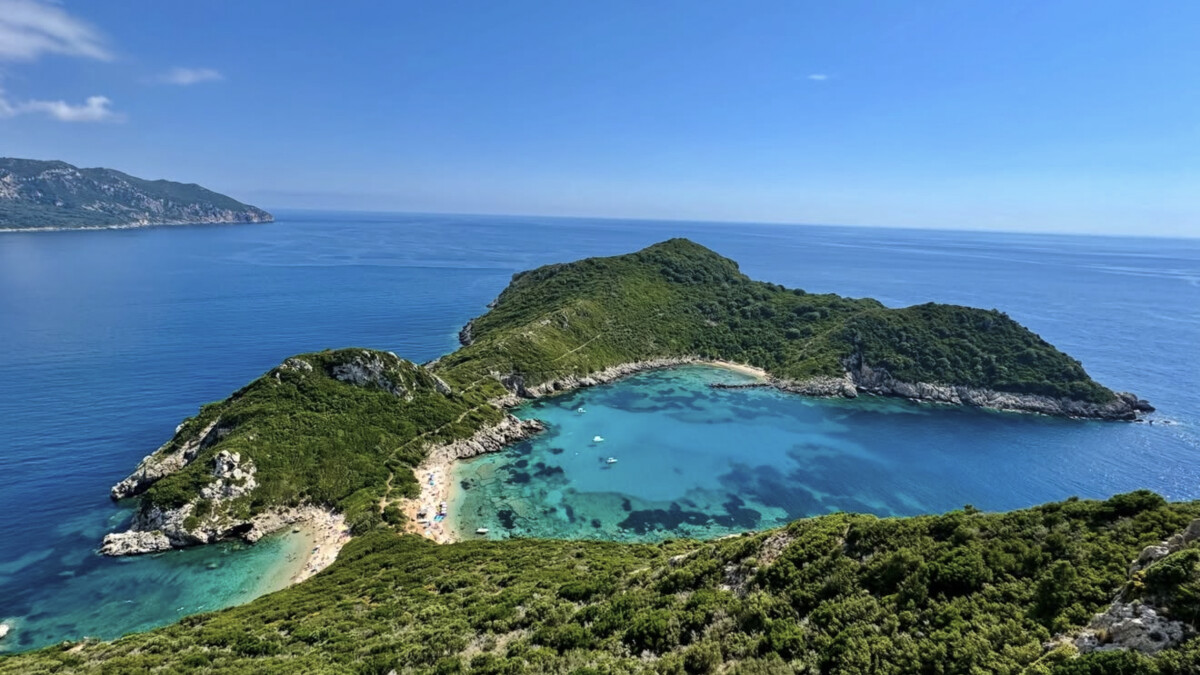
Our Porto Timoni review covers Corfu's famous double beach, two clear-water bays back to back on a slim headland below the village of Afionas, with the view down onto the twin bays from the trail that sells the island. The catch is the same as Fteri's: no road in, so you hike about 20 minutes down or arrive by boat, there is nothing to buy at the bottom, and it packs out by early afternoon. Come early, and being able to cross from one bay to the other in seconds is worth the walk.
Keem Beach, Ireland (number 50)
The only Irish beach on the list, and the one most likely to be decided by the car park. Our Keem Beach review covers the small horseshoe cove at the far western end of Achill Island, sheltered by cliffs and the slopes of Croaghaun, with water the EPA has rated Excellent every year from 2022 to 2025. There is one cliff road in and out, and on hot July and August days the car parks fill and gardaí have asked people to stay away. Go in the morning, or in June, and expect cold water.
Where the list gets it right, and where we'd argue
Measured against our reviews of those fifteen, the 2026 ranking mostly holds up. Its bias is clear and defensible: it prizes untouched nature and calm, empty water over sunbeds and easy parking. That is why a boat-only cove like Entalula beats a flawless all-rounder like Grace Bay, and why wild, barely-swimmable Cofete still cracks the fifty.
Where we would push back is on swimmability. A couple of the higher entries, Entalula and Cofete among them, are harder to actually swim and relax at than beaches ranked below them, so read the list as a ranking of places to witness, not always places to spend a lazy beach day. Freedom Beach in Phuket, at 27, makes the point more sharply: it has been closed to visitors and swimmers since August 2026 after three drownings in fifteen months.
Fteri, the Kefalonian cove that led the Greek entries, also sits alongside the island's other beaches in our best beaches in Kefalonia guide.
More winners we've covered in our guides
Five other beaches on the 2026 list appear as featured entries in our regional guides, if you want the detail on those too:
- Turquoise Bay, Australia (number 15) in our best beaches in Western Australia guide
- Siesta Beach, USA (number 28) in our best beaches in Florida guide
- Porto Katsiki, Greece (number 34) in our best beaches in Greece guide
- Praia da Falesia, Portugal (number 43) in our best beaches in the Algarve guide
- La Pelosa, Italy (number 48) in our best beaches in Sardinia guide
That is twenty of the fifty covered on the site, fifteen of them as full reviews.
The full World's 50 Best Beaches 2026 list
Here is the complete 2026 ranking, as published by the World's 50 Best Beaches. Beaches we have reviewed or featured are marked.
- Entalula Beach, Philippines (reviewed)
- Fteri Beach, Greece (reviewed)
- Wharton Beach, Australia (reviewed)
- Nosy Iranja, Madagascar
- East Beach, Vomo Island, Fiji
- Shoal Bay East, Anguilla
- Dhigurah, Maldives
- Playa Balandra, Mexico (reviewed)
- Koh Rong, Cambodia
- Donald Duck Bay, Thailand
- Cayo de Agua, Venezuela
- Cala Macarella, Spain
- One Foot Island, Cook Islands
- Princess Diana Beach, Barbuda
- Turquoise Bay, Australia (in our guide)
- PK 9 Beach, French Polynesia
- Grace Bay, Turks and Caicos (reviewed)
- Cala dei Gabbiani, Italy
- Saadiyat Beach, UAE
- Canto de la Playa, Dominican Republic
- Wineglass Bay, Australia (reviewed)
- Pink Beach, Indonesia
- Paradise Beach, Thailand
- Anse Source d'Argent, Seychelles (reviewed)
- Kalanggaman, Philippines
- Seven Mile Beach, Cayman Islands (reviewed)
- Freedom Beach, Thailand (reviewed)
- Siesta Beach, USA (in our guide)
- Kaputas Beach, Türkiye
- Cayo Zapatilla, Panama
- The Baths, British Virgin Islands
- Cabo San Juan del Guia, Colombia
- Baia do Sancho, Brazil
- Porto Katsiki, Greece (in our guide)
- Santa Giulia, France
- Blue Lagoon, Fiji
- Playa Xpu Ha, Mexico (reviewed)
- Ofu Beach, American Samoa
- Playa Cofete, Spain (reviewed)
- Le Morne Beach, Mauritius (reviewed)
- Flamenco Beach, Puerto Rico (reviewed)
- Grand Anse, Grenada
- Praia da Falesia, Portugal (in our guide)
- Pontal do Atalaia, Brazil
- Boulders Beach, South Africa
- Porto Timoni, Greece (reviewed)
- Paje Beach, Zanzibar
- La Pelosa, Italy (in our guide)
- Cas Abao, Curaçao
- Keem Beach, Ireland (reviewed)
How the 2026 ranking is decided
The list is not a public vote, which is part of why it carries weight. For 2026 the World's 50 Best Beaches team says its core group personally visited and assessed hundreds of beaches through the year, then weighed that fieldwork against nominations from more than 1,000 travel professionals around the world.
Each beach is scored against eight criteria: unique character, wildlife, untouched nature, natural soundtrack, ease of water entry, frequency of calm conditions, lack of overcrowding, and how consistently idyllic the setting is. That framework is why the ranking leans toward remote, quiet, undeveloped coves, and away from beautiful but busy resort strips.
Which countries won the most
Greece, Thailand and Australia led the 2026 list with three beaches each. Greece took second (Fteri) plus Porto Katsiki and Porto Timoni; Australia landed Wharton, Turquoise Bay and Wineglass Bay; Thailand placed Donald Duck Bay, Paradise Beach and Freedom Beach. Fiji, Cambodia and Colombia all appeared on the list for the first time, a sign the judges keep pushing beyond the usual names.
The verdict
The 2026 World's 50 Best Beaches is a good list, provided you read it for what it is: a ranking of the world's most spectacular natural coastlines, weighted hard toward the wild and the hard-to-reach. Entalula is a worthy number one on those terms, and the fifteen winners we have reviewed broadly earn their places.
Just go in with your eyes open. Some of the highest-ranked beaches are day trips and photo stops rather than places to unwind, while a few of the lower-ranked ones, Grace Bay and Seven Mile among them, are the beaches most of us would actually want to spend a week on. The list tells you where the planet's most beautiful sand is. Whether it suits your kind of beach day is the part we are here to help with.