Mexico has 5,800 miles of coastline, two oceans, and at least four distinct beach regions that feel like separate countries. The Caribbean side delivers the brightest turquoise water in the Americas and the worst sargassum problem of any tourist coast. The Pacific delivers dramatic surf, sea turtles, and zero seaweed. The Baja peninsula delivers calm Sea of Cortez bays and Pacific sunsets within an hour of each other. Pick the wrong region for what you want and your beach holiday goes sideways.
This guide runs 8 of the best beaches in Mexico for 2026, organised by coast, with the sargassum reality and the swim-safety calls baked into each pick.
Playa Norte, Isla Mujeres: The Best Swim in the Mexican Caribbean
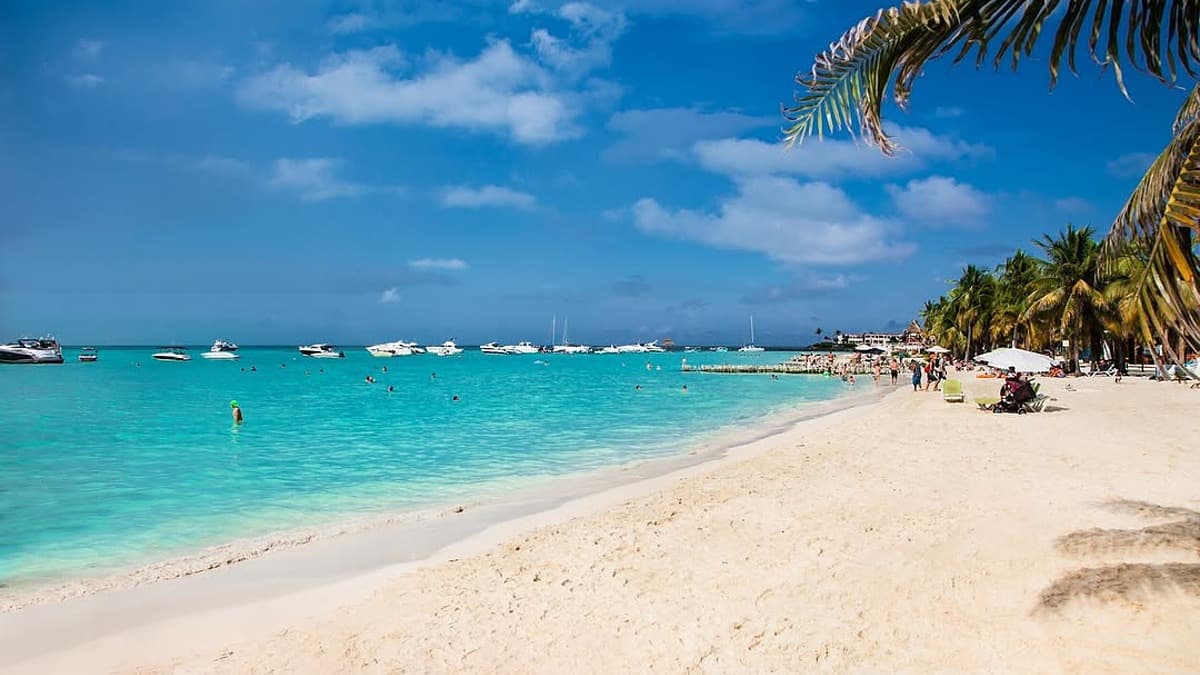
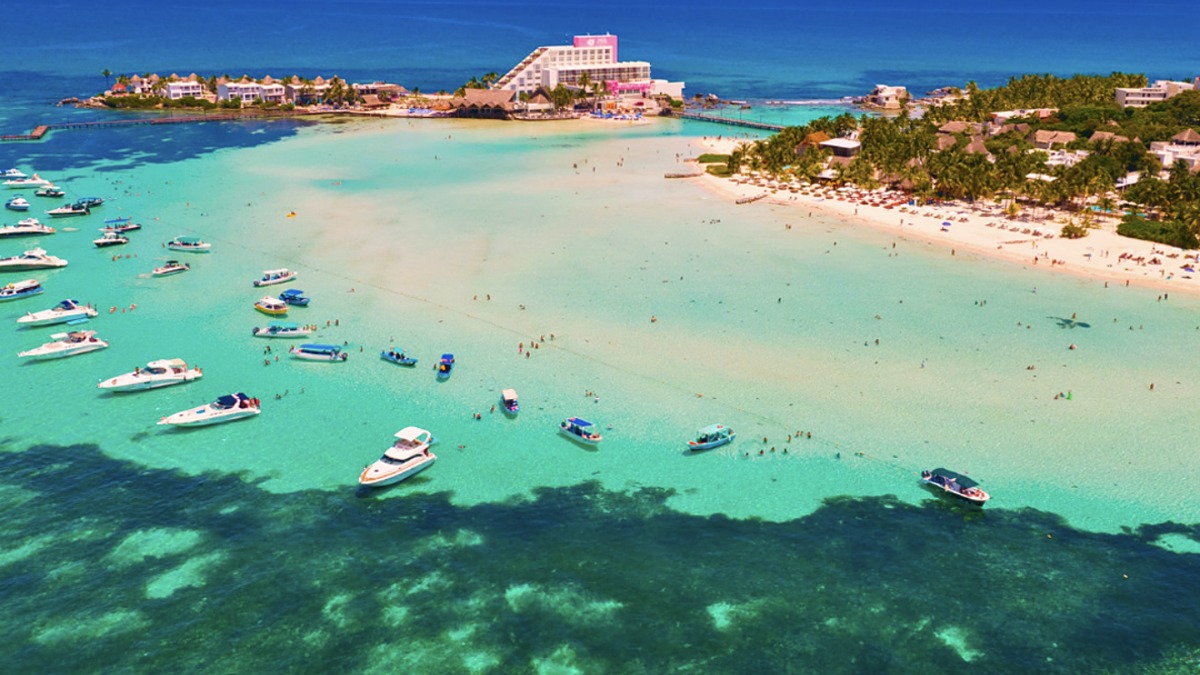
A 20-minute ferry ride from Cancun delivers you to Isla Mujeres, a small island where the best swimming beach in the Mexican Caribbean quietly sits. Playa Norte faces north and west, which means the prevailing Caribbean currents carry sargassum largely past the island and on toward Cancun. The result is fine white sand, water you can wade chest-deep into for 50 metres without it getting deeper, and palm trees for shade.
The beach is fully developed with bars, restaurants, and lounger rentals, but it remains less commercial than Cancun proper. A daytrip from Cancun is the most common visit; an overnight on the island is better if you want a sunrise on the beach with the local pace rather than the day-tripper crowd.
Tulum Beach: The Famous One, With Caveats
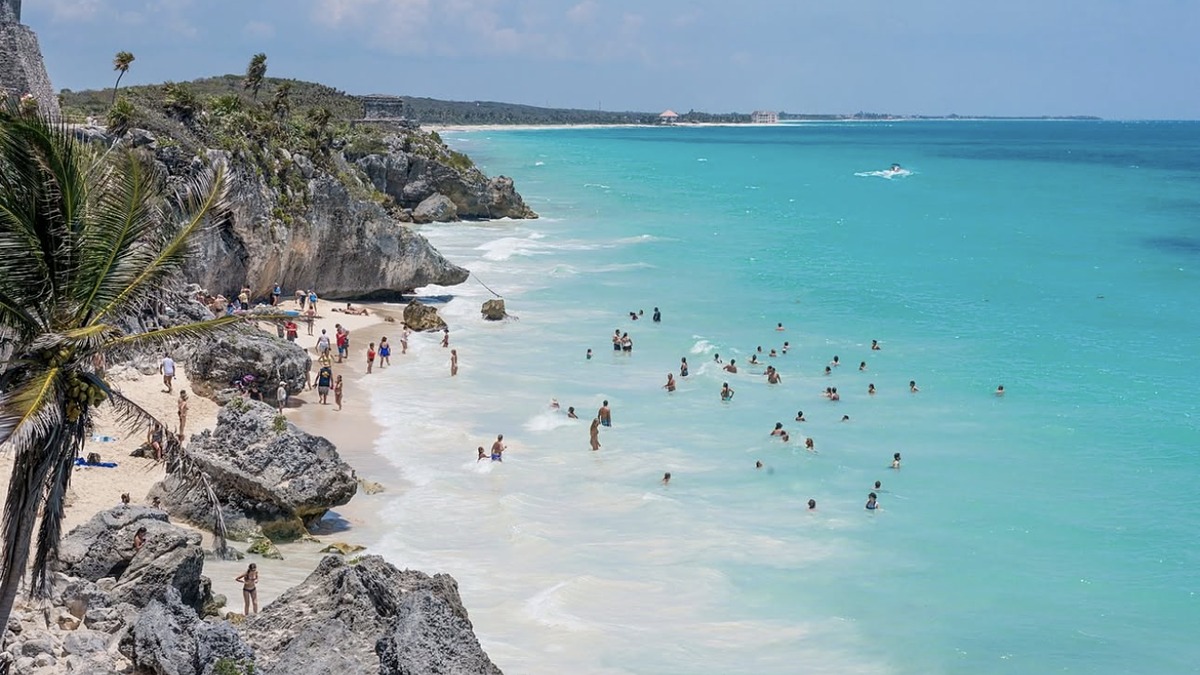
Tulum's beach is the photo. Soft white sand, turquoise water, the pre-Columbian Mayan ruins sitting on a cliff overlooking the south end. The catch is that Tulum has been hit hardest by both the sargassum problem and the rapid commercialisation of the past decade. The beach itself is still beautiful; the village behind it is now expensive, crowded, and far from the bohemian destination it was in 2015.
Visit Tulum for the iconic ruins-and-beach combination, ideally at sunrise before the crowds arrive. Stay further south at the cenote-heavy beach hotels for a quieter experience. Expect sargassum from April to October; expect crowds year-round. Our Tulum Beach review covers the section-by-section detail.
Playa Maroma: The Less-Crowded Riviera Maya Pick
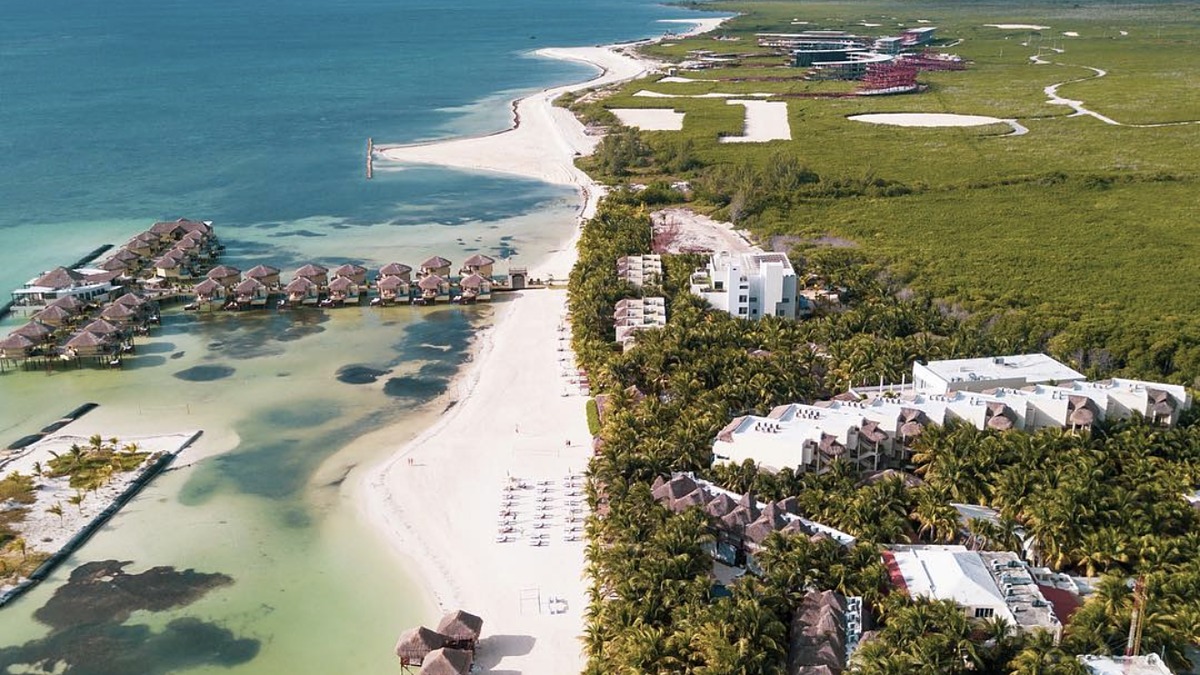
Forty-five minutes south of Cancun and 20 minutes north of Playa del Carmen, Playa Maroma is consistently rated among the best beaches in the Caribbean, with talcum-powder white sand and water so calm it looks photoshopped. Most of the beach is fronted by all-inclusive resorts, but a public access point near the Catalonia Maroma keeps the south end open to non-guests.
Maroma sits on a slight bend in the coast that gives it some shelter from the worst sargassum drift. Conditions are better here than at Tulum or Cancun, though not zero. Calm enough for kids, clear enough for snorkelling, and far less photographed than the famous Riviera Maya beaches further south.
Playa Balandra, La Paz: Baja's Postcard Bay
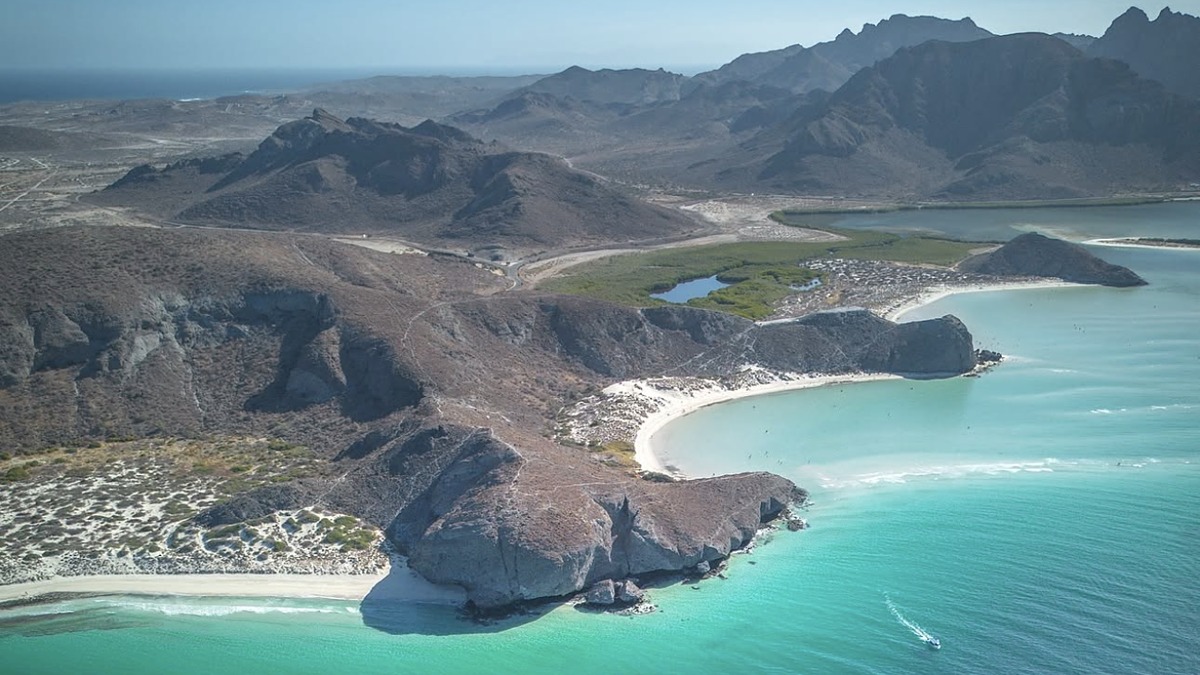
The capital of Baja California Sur sits on the Sea of Cortez, and 17 miles north of La Paz is Playa Balandra, a shallow protected bay with fine white sand, water that stays under waist-deep for hundreds of yards, and a famous mushroom-shaped rock formation that has become the unofficial logo of La Paz tourism. The bay is a UNESCO biosphere reserve and visitor numbers are now capped to protect it.
Balandra is genuinely family-friendly in a way few Mexican beaches are. The water is calm, warm, and so shallow that small kids can wade for an hour without the bottom changing. Bring sunscreen, water, and a hat; there are no concessions on the beach. The biosphere reserve closes the access road at peak hours when the bay is full.
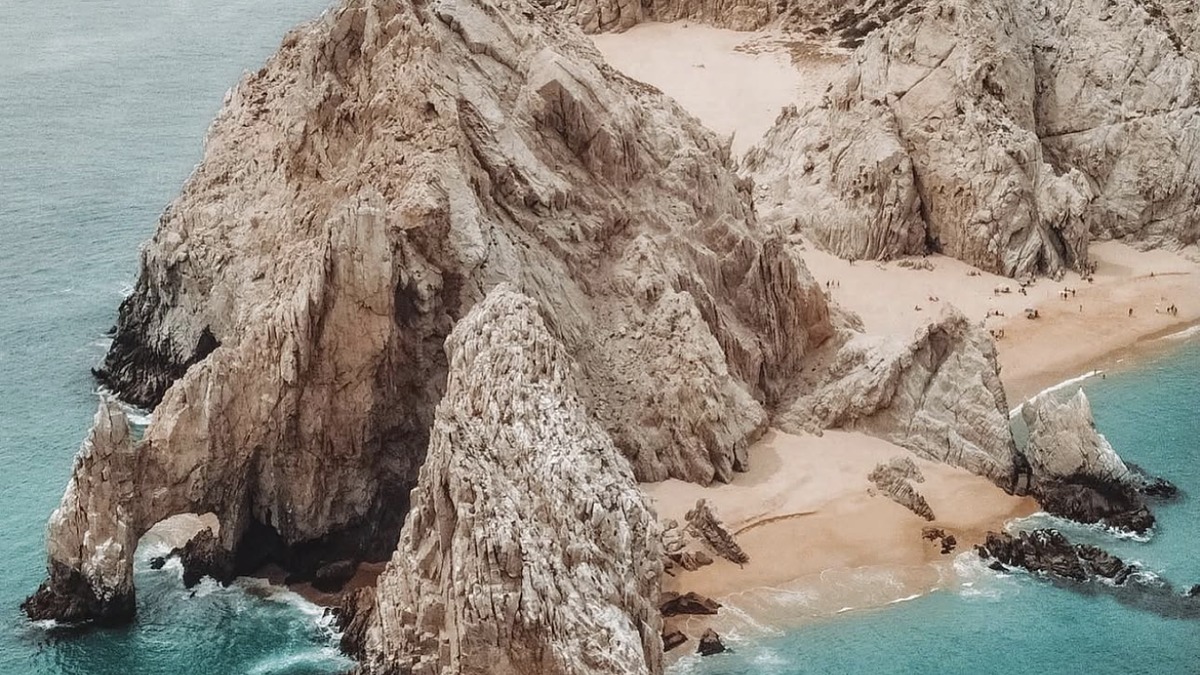
Lover's Beach (Playa del Amor), Cabo San Lucas
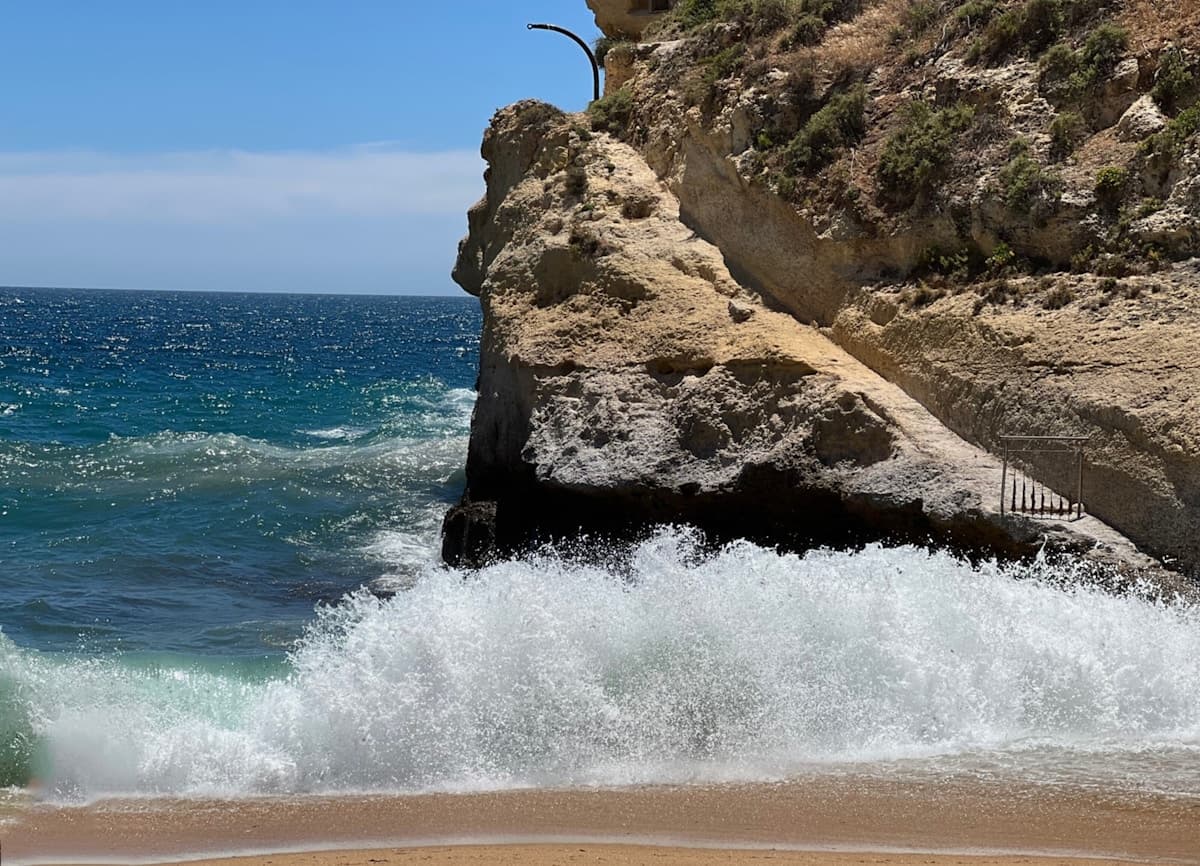
The iconic beach at the tip of the Baja peninsula sits in a small cove between the famous El Arco rock formation and the Land's End cliff. Lover's Beach is on the calm Sea of Cortez side, accessible only by water taxi from Cabo's marina (around 20 USD round trip). The Pacific side, Divorce Beach, is right behind it across a narrow strip of sand, but is genuinely dangerous to swim and has killed multiple visitors.
Time the visit for a morning slot before the beach fills with day-trippers. The water on the Sea of Cortez side is calm and snorkelable. Our Playa del Amor review covers the boat logistics and which side to swim.
Sayulita: The Pacific Surf-and-Town Pick
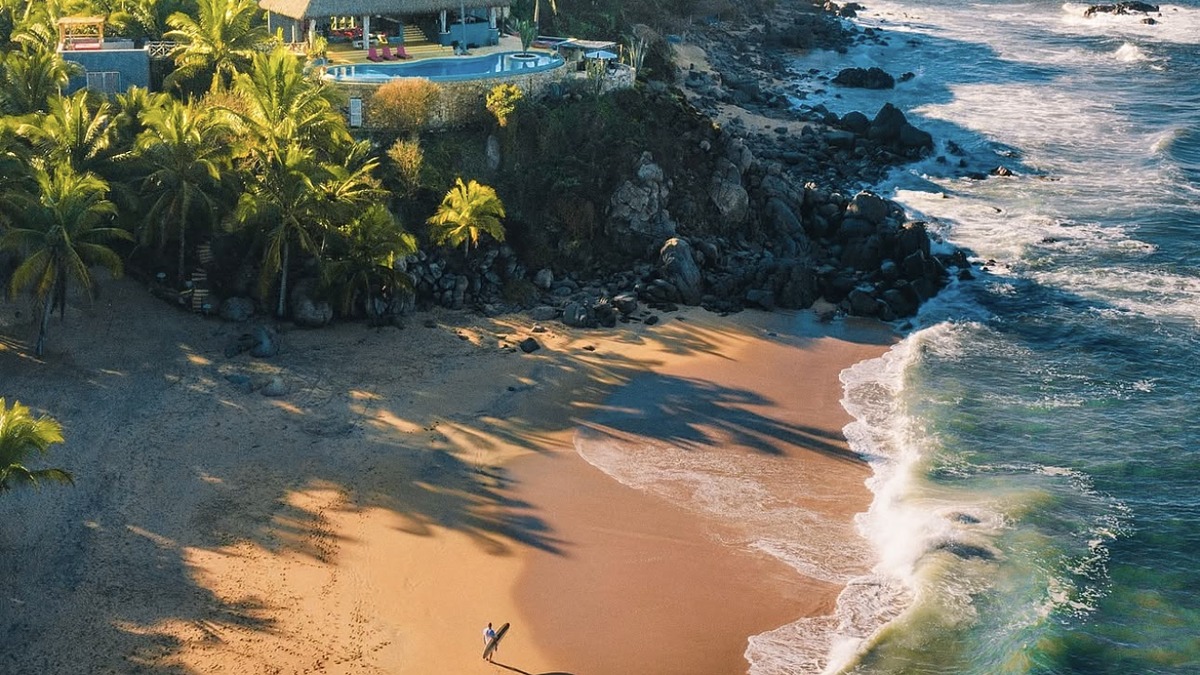
In the state of Nayarit, an hour north of Puerto Vallarta, Sayulita is the most photographed surf town on the Pacific coast. The main beach has consistent waist-to-shoulder waves that work for beginners and intermediate surfers, the village behind is the boho-Mexican surf town that Tulum used to be, and the food scene punches above its weight. Surf schools handle daily lessons.
Sayulita does get crowded in high season (December-April), and the beach can be busy. The neighbouring beaches (San Pancho 10 minutes north, Playa Patzcuaro 5 minutes north) are quieter alternatives if Sayulita's main beach feels too busy on a given day. No sargassum on the Pacific side; clear blue-green water year-round.
Playa Zicatela, Puerto Escondido: The Mexican Pipeline
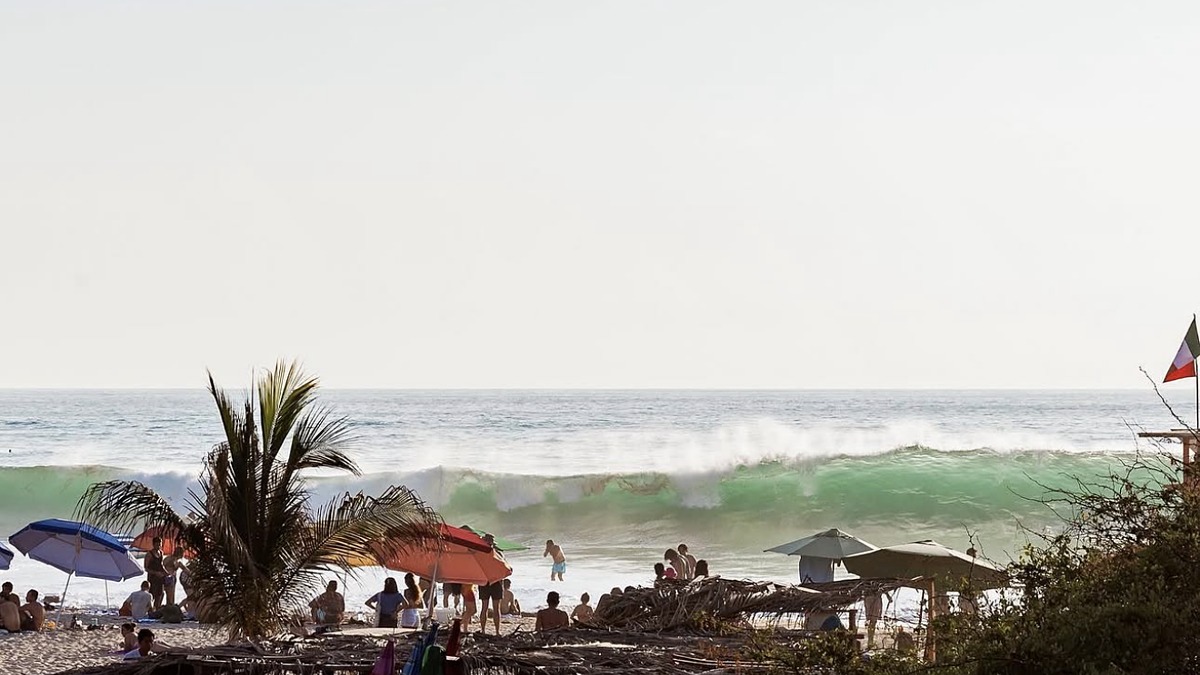
Oaxaca's Pacific coast hosts one of the most powerful beach breaks in the world. Zicatela in Puerto Escondido produces 20-foot barrels on big swells and has been the site of major international surf competitions. This is not a swim beach; the shorebreak alone has killed inexperienced swimmers, and the rip currents are unforgiving. Even on smaller days, locals dominate the lineup and the etiquette is strict.
For experienced surfers, Zicatela is a genuine bucket-list wave. For everyone else, watch from the malecón at sunset, eat the seafood at the beachside restaurants, and walk to nearby Playa Carrizalillo (a protected cove down 167 stone steps) for the actual swimming. Our forthcoming Best Beaches in Oaxaca guide covers the full Puerto Escondido lineup.
Mazunte: The Sea Turtle Sanctuary
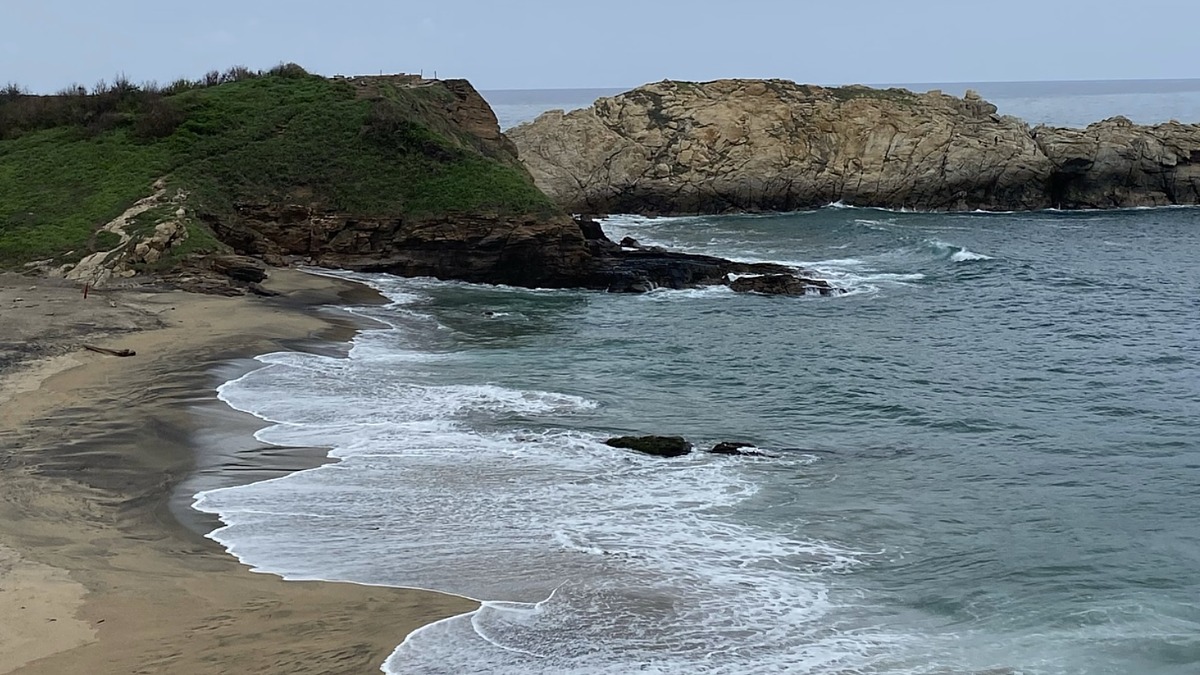
Two hours east of Puerto Escondido on the same Oaxacan Pacific coast, Mazunte is the slow-pace counterpart to Zicatela's surf scene. The town hosts the Mexican Center for the Turtle (a sea turtle research and rescue centre), and the main beach is a key sea turtle nesting site protected by federal law. From late May through November, you can occasionally watch turtles nesting at night with authorised guides.
The water here is calmer than Zicatela but still has currents; swim close to shore. Mazunte has retained its hippie-rustic character better than most Mexican Pacific towns and is markedly cheaper than Tulum or Sayulita. Stay one night, walk to neighbouring Zipolite (Mexico's only legal nude beach) and San Agustinillo (the calmest swim in the area), and you have used the Oaxacan coast well.
How to Pick Your Mexico Beach
Three rules will make the call easier.
For zero sargassum risk, choose the Pacific or Baja. Cabo, Sayulita, Puerto Escondido, Mazunte, and La Paz never see seaweed. The Riviera Maya beaches (Tulum, Playa del Carmen, Cancun) all face sargassum from April to October.
For the brightest water and the iconic photos, choose the Caribbean. Isla Mujeres has the best Caribbean water without the worst seaweed. Tulum is the photogenic compromise.
For dramatic landscape over water colour, choose Baja. Balandra, Cabo, and Todos Santos deliver scenery that the flat Caribbean coast cannot match.
For deeper coverage of the Caribbean side, see our Best Beaches in Cancun guide. For Cabo specifically, the upcoming Cabo San Lucas guide covers all 8 swimmable picks. For Oaxaca's Pacific coast in detail, the Best Beaches in Oaxaca guide covers Puerto Escondido, Mazunte, Zipolite, and Huatulco.