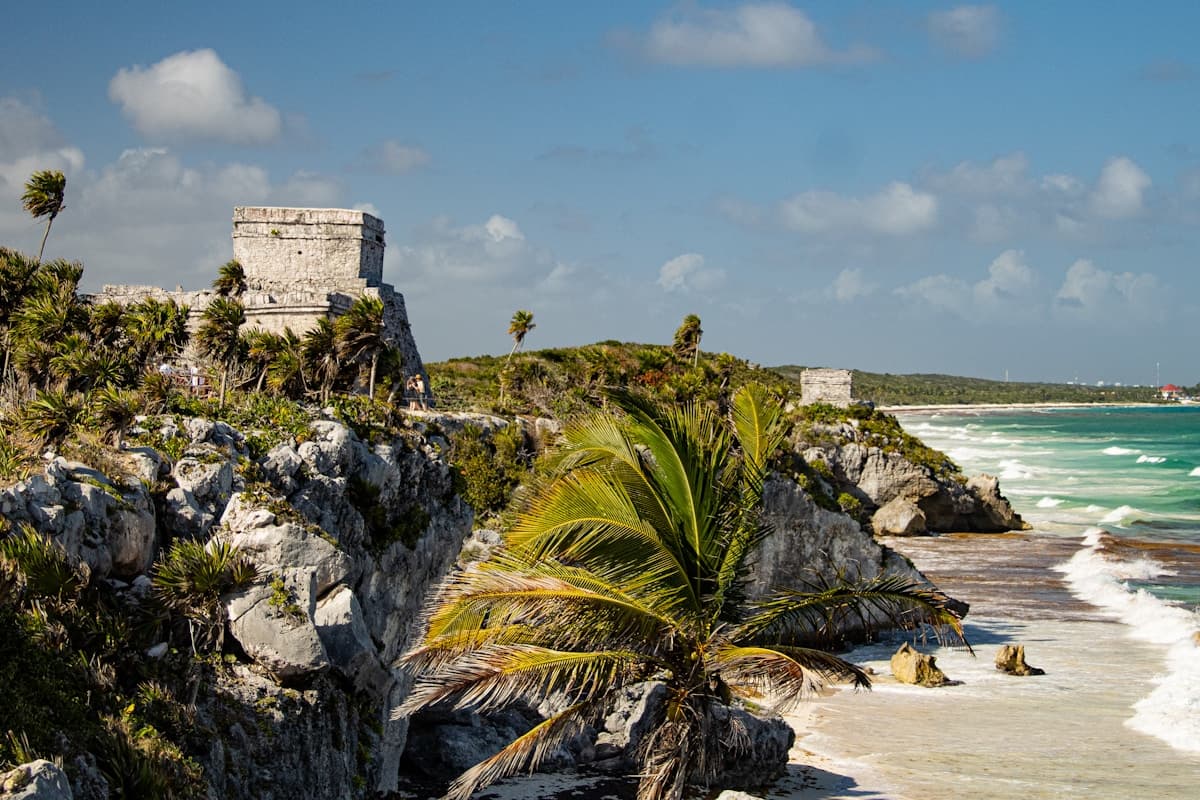
Tulum Beach is probably the most photographed stretch of sand in Mexico right now. Scroll through travel accounts on any platform and you will see the same shot repeated endlessly: turquoise water, powdery white sand, a Mayan ruin perched dramatically on the cliff above. It is a genuinely beautiful image. But spending actual time on this beach is a different experience from what those carefully framed photos suggest, and you should know what you are walking into before you book.
The Gap Between the Photos and What You Get
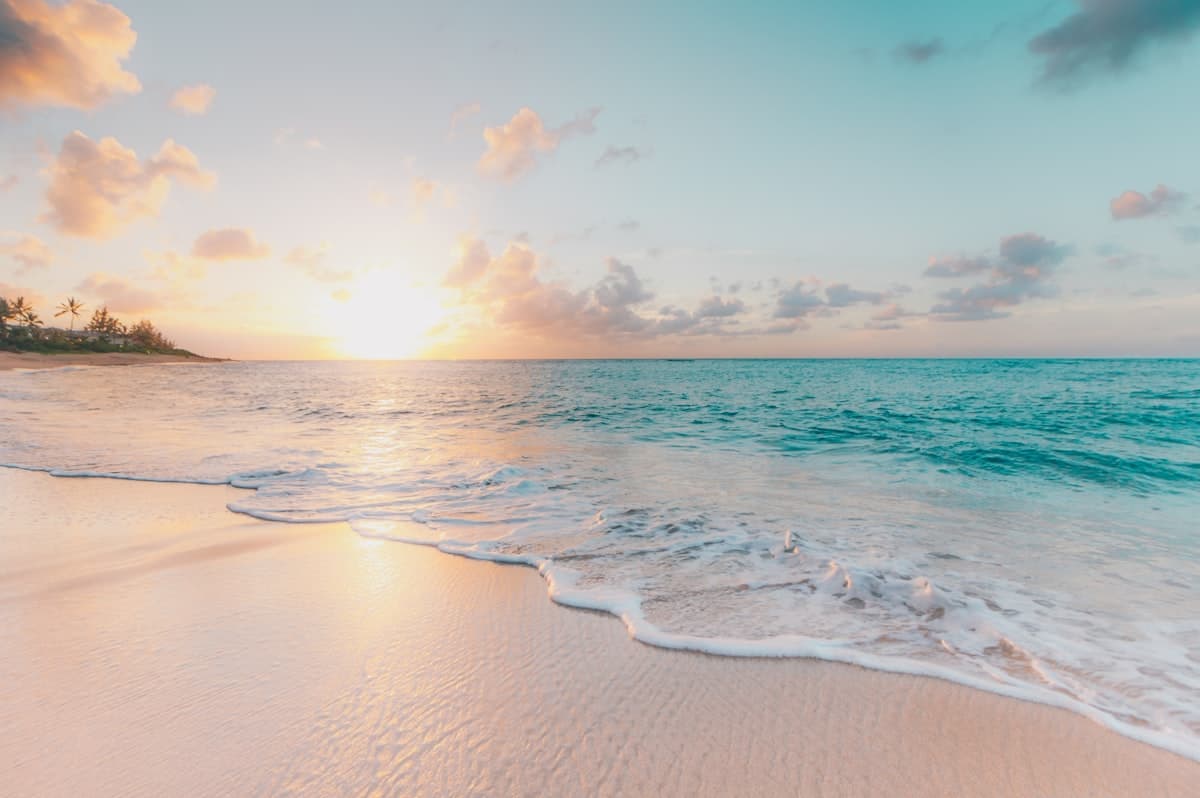
The photos are not lying, exactly. The water really is that shade of blue-green. The ruins really do sit on the clifftop looking impossibly photogenic. And on the right day, between November and April, the sand is white and the whole scene feels like a postcard come to life.
What the photos leave out is everything around the edges. The crowds pressing in from every direction, especially between 10am and 3pm. The beach club staff trying to wave you into their territory the moment your feet hit the sand. The patches of sargassum seaweed that can turn sections of that pristine shoreline into something that looks and smells like a compost pile. And the rocks. Plenty of the shoreline has a rocky entry that makes getting into the water more of a scramble than a graceful wade.
None of this means Tulum Beach is not worth visiting. It absolutely is. But the gap between expectation and reality here is wider than almost any other beach destination, and managing your expectations is half the battle.
The Seaweed Problem Nobody Wants to Talk About
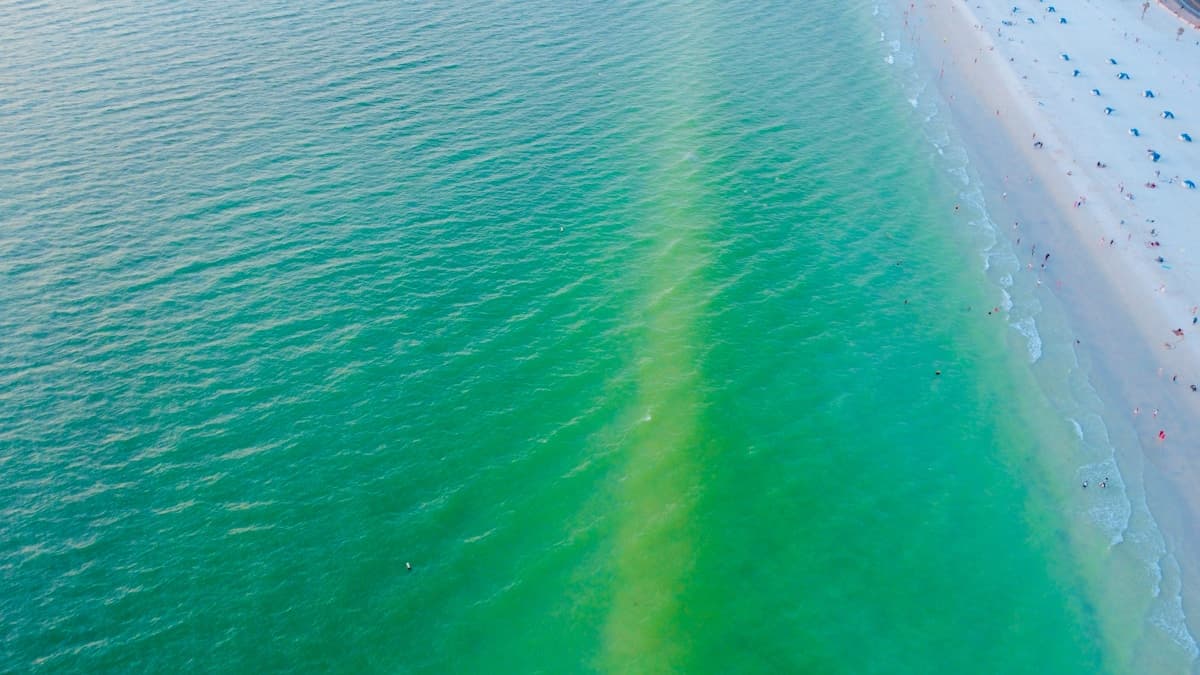
Sargassum has become the defining issue for beaches along Mexico's Caribbean coast, and Tulum gets hit harder than most. This brown seaweed washes in from the Atlantic in enormous quantities, piling up on the sand and floating in the shallows. It smells like rotten eggs once it starts decomposing, and it turns that clear turquoise water murky brown where it accumulates.
The worst months are May through September. During peak sargassum season, some sections of Tulum Beach are essentially unusable. Hotels and beach clubs employ crews to rake it off the sand every morning, but they are fighting a losing battle on the worst days. By afternoon the piles are back.
Outside those months, things improve dramatically. November through April is your best window for clean sand and clear water, though smaller patches can still show up unpredictably. There is no guarantee on any given day, which is the honest truth that tourism boards would rather not emphasize.
The Mexican government and local businesses have invested in offshore barriers and collection systems to manage the problem. These help, but they have not solved it. If you are planning a trip specifically for the beach, checking recent traveller reports on social media for current conditions is worth the two minutes it takes.
Which Section of Beach Should You Actually Visit?
Tulum's coastline is not one uniform beach. It breaks down into distinct sections, and where you go matters a lot.
The ruins beach sits directly below the archaeological site. You access it through the ruins themselves, which means paying the entrance fee of around 80 MXN (roughly 5 USD). This is the most iconic section, with the clifftop temple looming above and decent sand below. The drawback is that it gets packed, the stairway down is steep, and the swimming area is limited. Think of it as a photo opportunity with some beach time attached rather than a full beach day.
The hotel zone beach stretches south from the ruins along the main road. This is where the beach clubs, boutique hotels, and restaurants cluster. The sand here is generally good, the water is beautiful when sargassum is not an issue, but access is controlled by the businesses that line it. Walking along the waterline is technically public (Mexico's federal zone law covers 20 meters from the high tide line), but finding a spot to sit without being directed to a beach club requires some persistence.
Public access points do exist. Look for the marked entrances along the hotel zone road. The ones near km 8 and near the Santa Fe entrance tend to be less crowded. Bring your own towel and you can set up on the sand without paying anything, though you will be further from facilities.
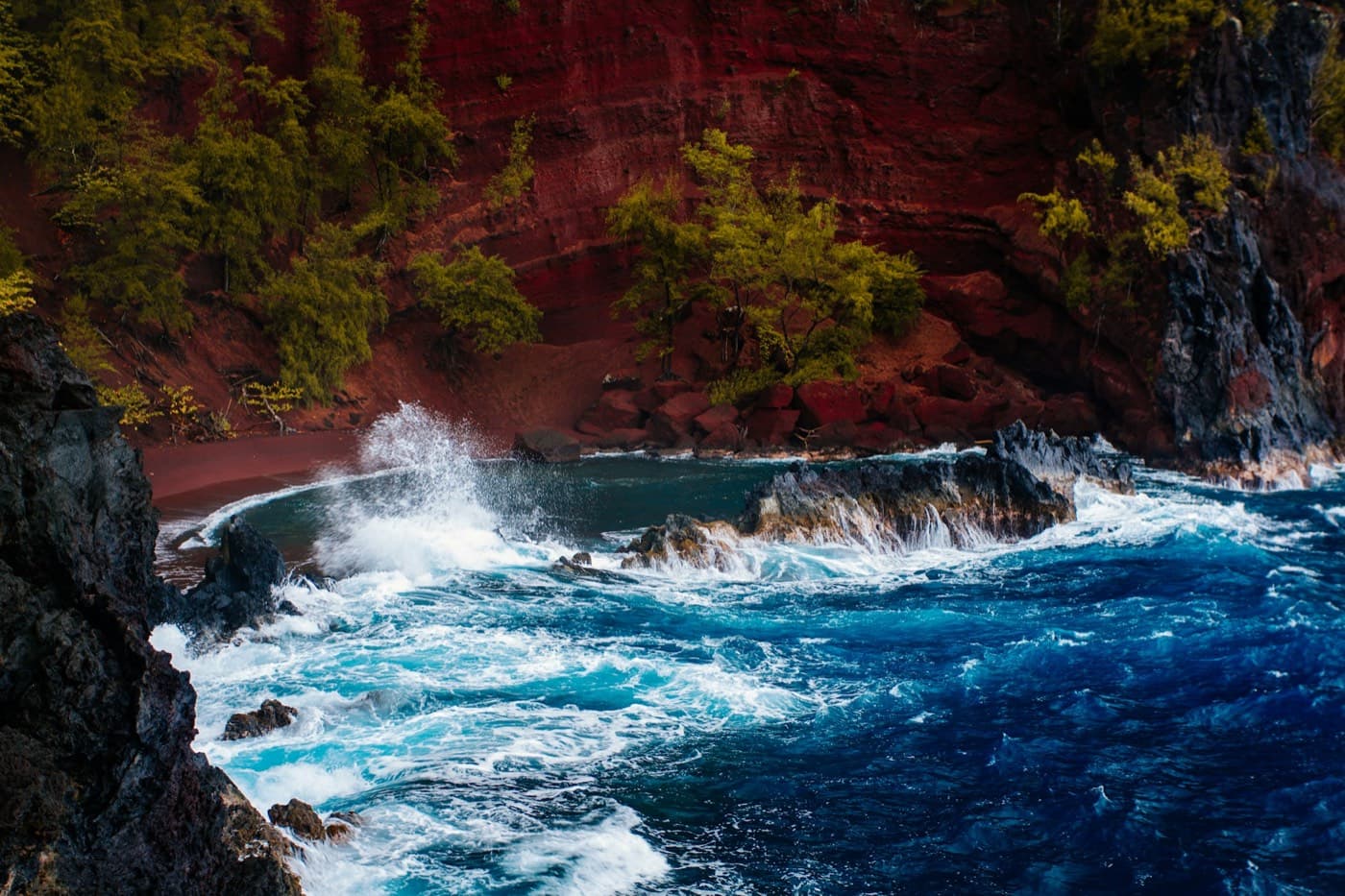
If you have been to Playa del Amor and loved the rugged beauty of a beach beneath cliffs, the ruins section will feel familiar in spirit, even if the vibe is completely different.
Beach Club Costs and What You Get for the Money
Beach clubs are the main way most visitors experience Tulum Beach in the hotel zone, and they are not cheap. Minimum spends typically range from 30 to 100 USD per person, with the trendier spots pushing well past that on weekends. This covers food and drinks, not a separate entry fee, so you are essentially prepaying for your lunch and cocktails.
What you get varies. The better clubs offer comfortable sunbeds, shade, decent music, clean bathrooms, and food that ranges from acceptable to genuinely good. Some have pools, swings over the water, and DJ sets in the afternoon. Others are basic setups with plastic chairs and a mediocre menu at the same price point.
A few worth researching: the more established spots closer to the ruins tend to have better sand and water access, while the newer ones further south sometimes have better facilities but worse beach conditions. Prices fluctuate by day of the week and season, so checking current rates before you commit saves unpleasant surprises.
If dropping 60 to 100 USD per person on a beach day feels steep, it is. For comparison, you could spend a week on the beach at Kokomo Beach in Curacao for what one afternoon at a Tulum beach club costs. That is the trade-off for being at one of the most instagrammable destinations in the Americas.
Getting There and Getting Around
Tulum is about two hours south of Cancun International Airport by car. You can rent a car and drive the highway (straightforward, well-maintained), take an ADO bus to Tulum town for around 10 to 15 USD, or grab a colectivo minibus from Playa del Carmen for a few dollars.
From Tulum town to the beach zone is another 3 to 4 km. Taxis charge 100 to 150 MXN (6 to 9 USD) for this short hop, which feels like a lot but is standard. Renting a bicycle is the popular alternative, and you will see hundreds of them parked along the hotel zone road. Bike rental runs about 150 to 250 MXN per day.
The hotel zone road itself is narrow, sandy in places, and gets congested. During peak season, traffic between town and the beach can be genuinely frustrating, especially in the late morning when everyone is heading the same direction. Getting there early, before 9am, solves most of this.
Practical Things Worth Knowing
Bring reef-safe sunscreen. Regular sunscreen is technically banned in the area due to its impact on the nearby cenotes and reef systems. You can buy reef-safe options in Tulum town, but they cost more there.
The ruins close at 5pm, so plan your visit to the ruins beach accordingly. The archaeological site is worth seeing in its own right. Even if you are not particularly interested in Mayan history, the setting is spectacular.
Cenotes are the other big draw in the Tulum area. Gran Cenote and Cenote Dos Ojos are both within a short drive and make a perfect half-day pairing with a morning at the beach. Swimming in cool freshwater after a salty, sandy morning is one of the best combos the Riviera Maya offers.
A week on a Greek island can cost less than three days in Tulum's hotel zone, which puts the pricing into perspective.
Is Tulum Beach Worth Visiting in 2026?
Yes, with caveats. The scenery is legitimately beautiful, the ruins-above-the-beach combo is unique, and there is a reason millions of people visit every year. But this is not a relaxing, uncrowded beach day unless you time it carefully.
Come between November and April. Arrive early. Skip the overpriced beach clubs unless the atmosphere is specifically what you want. Head to the ruins beach for the views and find a public access point for actual swimming and lounging. Keep your budget expectations realistic, and do not expect the serene, empty paradise that the photos promise.
Tulum Beach at its best is extraordinary. At its worst, it is seaweed-covered, overcrowded, and overpriced. The difference between those two experiences often comes down to when you go and where exactly you set up. Plan it right and you will understand why people keep coming back. Show up unprepared and you might wonder what all the fuss was about.