Cancun sells itself on those ridiculous turquoise-and-white photos, and fair play, the colour of the water really is that vivid. But the reality of actually spending a beach day in the Cancun area is more complicated than the brochures suggest. Between sargassum seaweed, undertow on east-facing beaches, and hotel zone access that makes you feel like you're trespassing on your own holiday, it pays to know which beaches are genuinely worth your time. Here's a straight breakdown for 2026.
The Sargassum Situation: What You Need to Know First
Before picking any beach on this coast, you need to understand sargassum. This brown seaweed washes up on east-facing Caribbean beaches in large quantities, usually from April through September, with June to August being the worst. It smells, it looks terrible, and it can make swimming miserable.
Hotels rake their beach sections daily, and some beaches handle it better than others. But on a bad sargassum day, even raked beaches can be covered again within hours. The Mexican government has invested in offshore barriers that catch some of it before it reaches shore, and these help, but they are not a complete solution.
Your best strategy is to plan for flexibility. If sargassum is heavy on one beach, another 30 minutes down the coast might be completely clear. West-facing and north-facing beaches are generally less affected. Checking local webcams and the Cancun sargassum forecasts a few days before your trip gives you a realistic picture of current conditions.
Playa Delfines: The Best Free Public Beach in Cancun
If you visit one beach in Cancun proper, make it Playa Delfines. This is the only beach in the hotel zone with genuinely free and easy public access, a proper car park, and no feeling that you're sneaking through someone's resort to reach the sand.
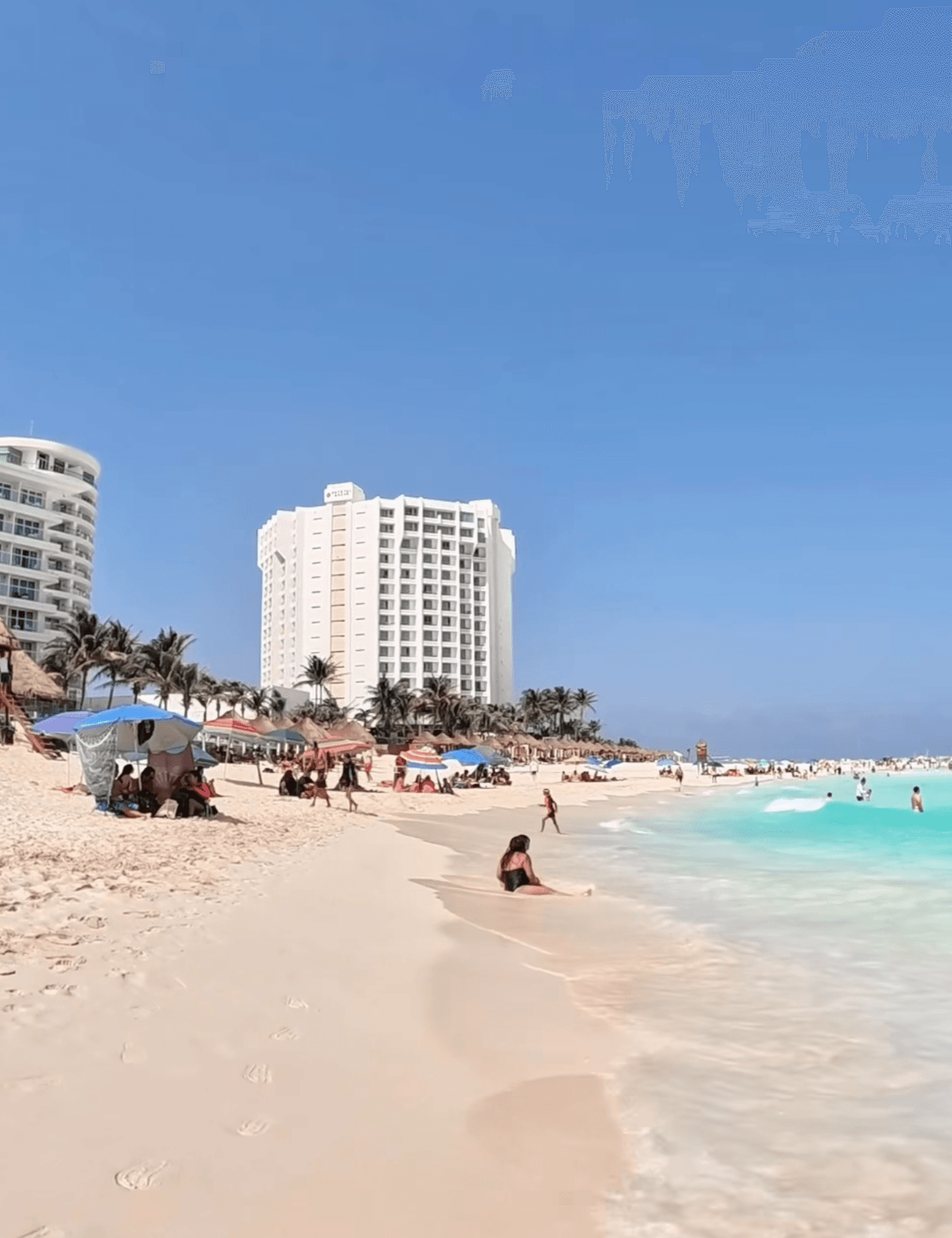
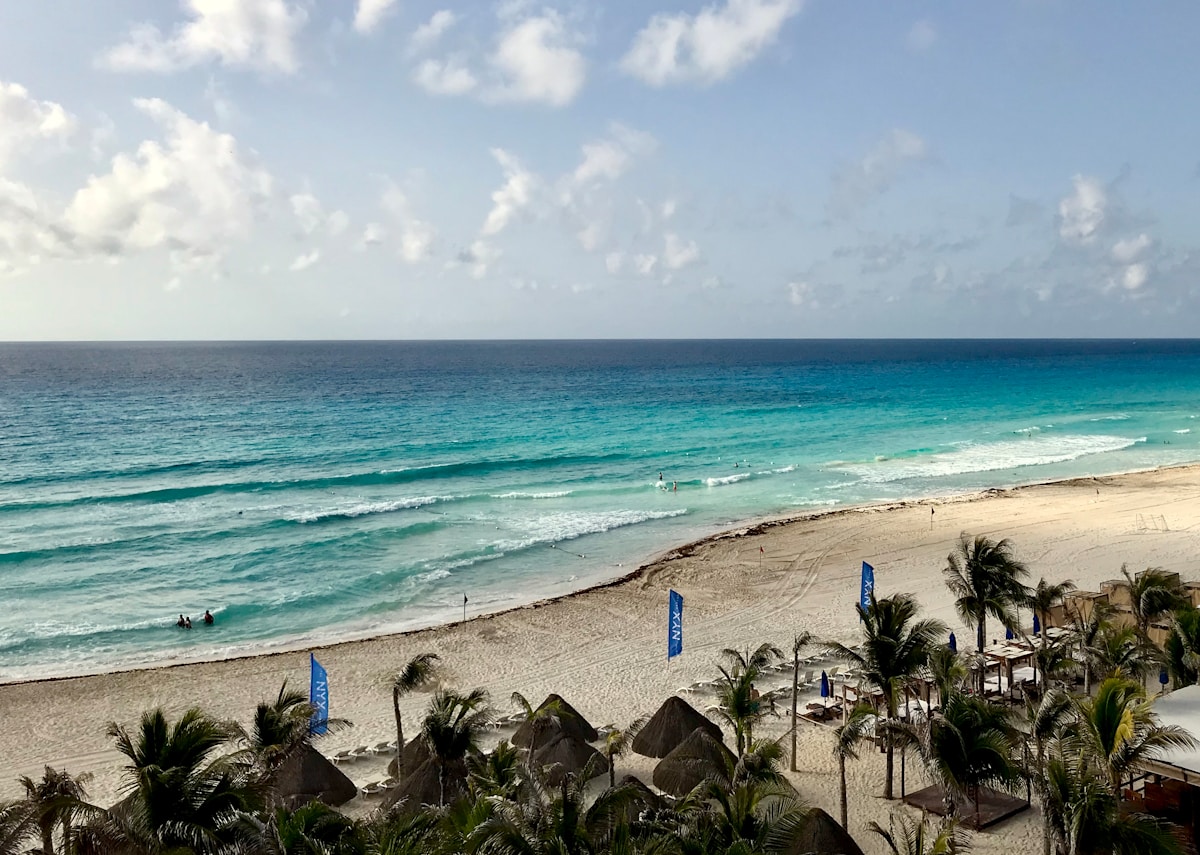
The beach is wide and beautiful, with the iconic turquoise Cancun water and views down the coastline. There is a large "Cancun" sign here that every visitor photographs, and a Mayan ruin on the bluff above. No lounger rental hassle, no resort security giving you looks. Just a public beach the way it should be.
The trade-off is waves. Playa Delfines faces east and catches open Caribbean swells, so the undertow can be strong. Red flag days are common here, and you should pay attention to them. On calm days, swimming is fine in waist-deep water, but this is not the beach for young kids or nervous swimmers. Bring your own shade because there are no palapa umbrellas or trees.
Playa Norte, Isla Mujeres: The Best Beach for Swimming
Take the ferry from Cancun (about 20 minutes, ferries run constantly from Puerto Juarez) and you arrive at Isla Mujeres, a small island where the best beach in the entire Cancun region quietly sits.
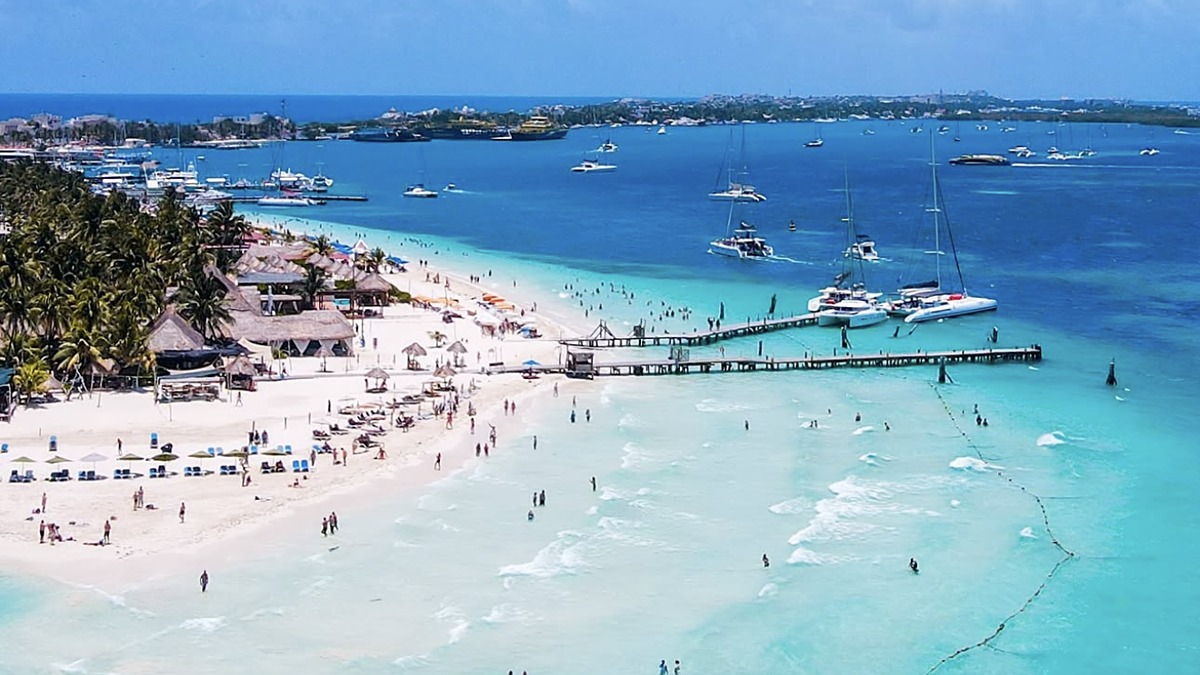
Playa Norte faces north, which protects it from the worst of the sargassum and gives it some of the calmest water you'll find on the Caribbean coast. You can wade out chest-deep for 50 metres and the water stays flat and warm. The sand is soft white powder, there are palm trees for shade, and beach bars serve cold beer and fresh ceviche a few steps from your towel.
The island itself is worth spending a full day on. Rent a golf cart (the main way to get around, about 50 to 70 USD for the day) and drive to the southern tip where there is a small sculpture park on the cliffs. But honestly, most people just park themselves at Playa Norte and do not move. It is that kind of beach. If you're a fan of calm Caribbean coves, it has a similar appeal to spots like Kokomo Beach in Curacao, just with more food options nearby.
Playa del Carmen: Town Beach Done Right
The ongoing debate about Cancun vs Playa del Carmen beaches has a straightforward answer. Playa del Carmen has calmer water, better walkability, and a town that feels like an actual place rather than a hotel corridor.
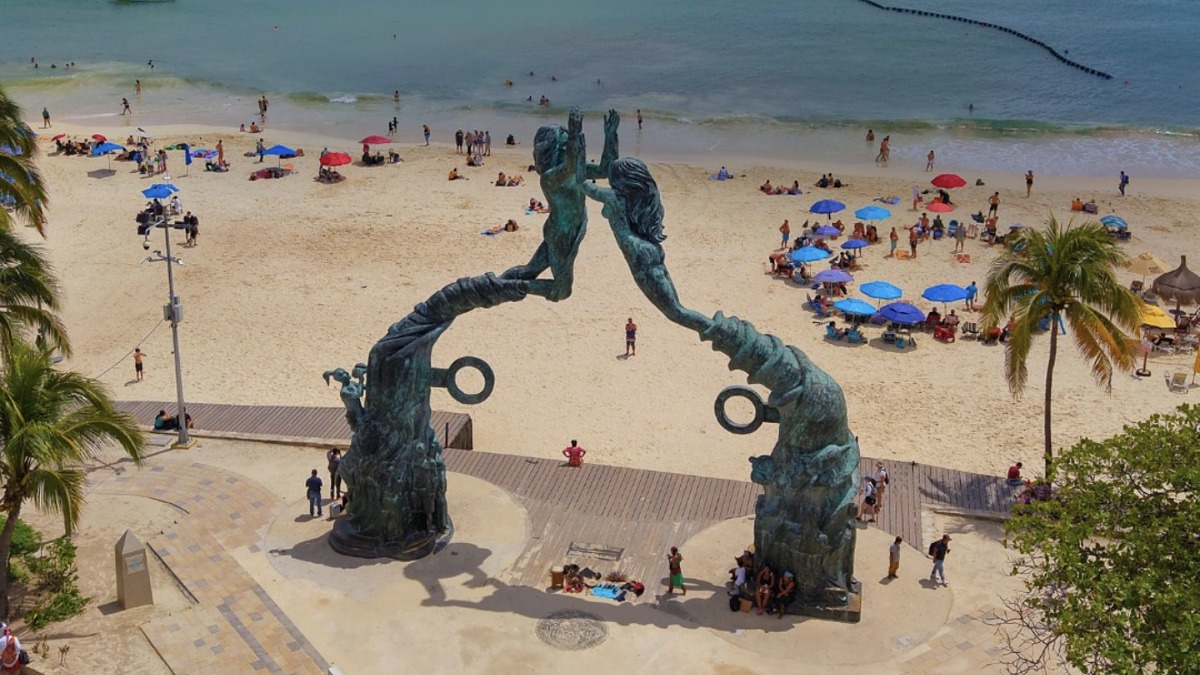
Fifth Avenue runs parallel to the beach, packed with restaurants, shops, and bars, and the beach is right there. No shuttle bus, no long walk through a resort lobby. You finish lunch, cross the street, and you are on the sand. The beach stretches for several kilometres and varies in width depending on erosion cycles, but the central section near the ferry dock to Cozumel is generally in good shape.
The water is calmer than Cancun's east-facing hotel zone beaches, though it still faces east so sargassum can be an issue from May onward. Swimming is usually fine, and the seafloor drops off gradually. Beach clubs are everywhere and charge roughly 300 to 500 pesos (about 15 to 25 USD) for a lounger with a minimum food and drink spend. Or just lay your towel on the public sections for free.
Playa del Carmen also works as a base for exploring the rest of the Riviera Maya. Collectivo minivans run up and down the coast constantly for next to nothing, and the ferry to Cozumel leaves from the main pier.
Akumal: Snorkelling with Sea Turtles
Akumal sits about 30 minutes south of Playa del Carmen, and it is one of the few places in the world where you can reliably snorkel with wild sea turtles in shallow water. The turtles feed on seagrass in the bay and are remarkably unbothered by swimmers, gliding right past you while they graze.
Access is now regulated to protect the turtles. You enter through a designated beach area, and during peak season, snorkelling requires a licensed guide. The daily visitor cap means arriving by 9am is smart, especially from December through April when tourism peaks. Guide fees are usually around 600 to 800 pesos per person (30 to 40 USD) for a 45-minute session. Outside peak season, you can sometimes snorkel independently.
The beach itself is a wide, calm bay with coarse white sand and coconut palms. It is sheltered enough that sargassum is less of a problem here than on open coast beaches, though it can still appear. There are a few restaurants and dive shops along the beach road. Half Moon Bay, a short walk north, is a quieter alternative with its own reef and fewer people.
Tulum Ruins Beach: Scenery You Cannot Get Anywhere Else
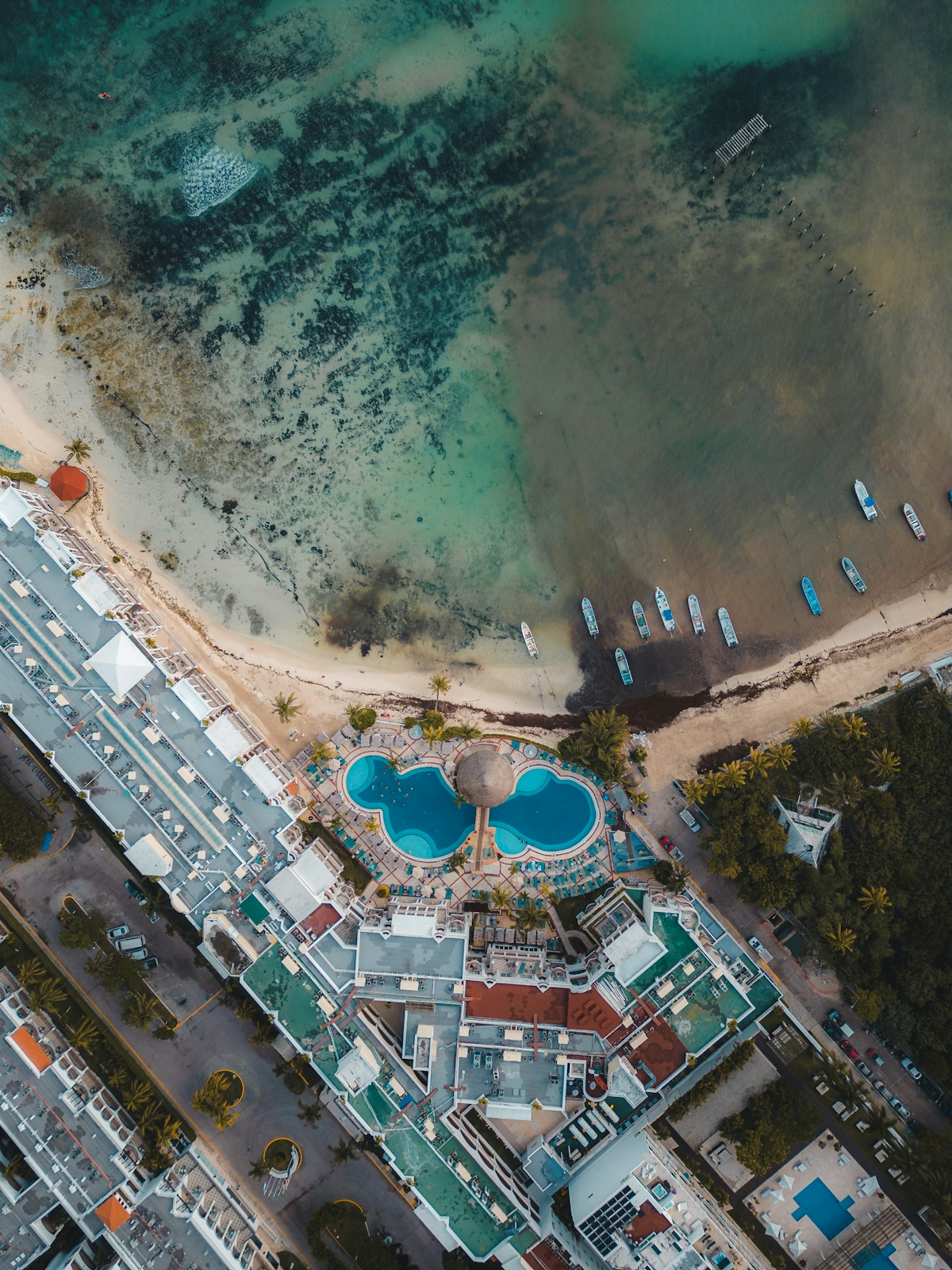
The beach below the Tulum archaeological site is probably the most photographed stretch of sand on the Riviera Maya, and the setting is legitimately extraordinary. Ancient Mayan ruins perched on a cliff above turquoise Caribbean water. There is nothing else quite like it.
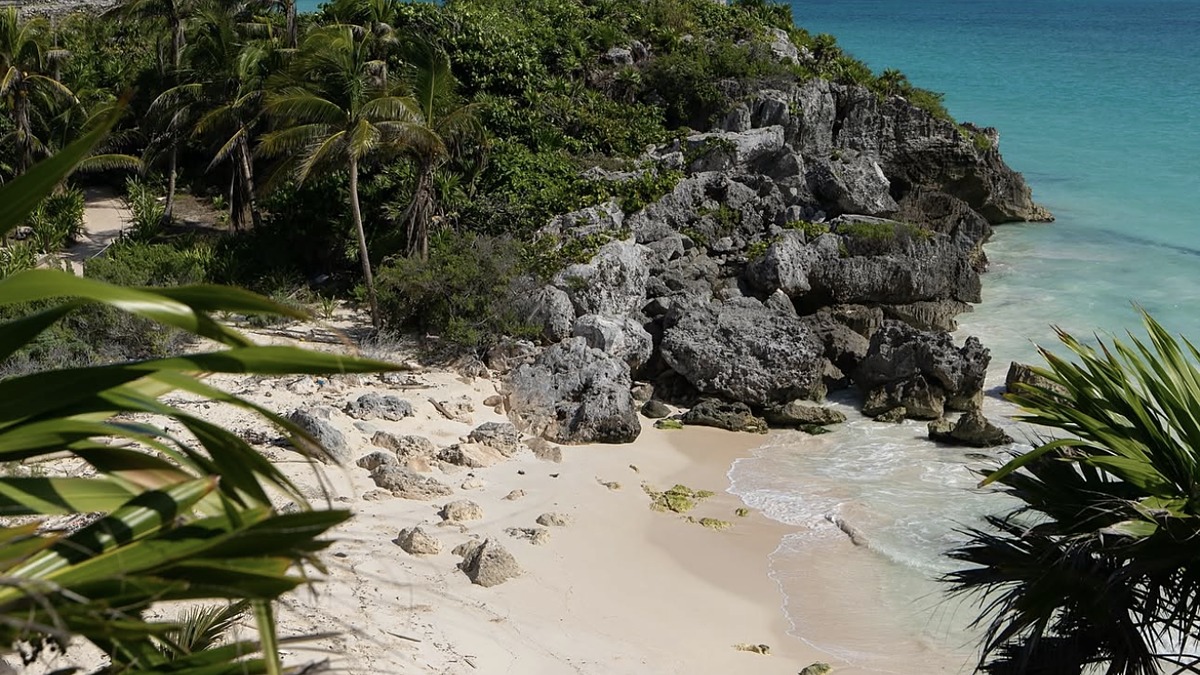
You access the beach through the ruins (entry about 100 pesos, roughly 5 USD) or from the public beach access to the south. The beach is narrow and gets very crowded from about 11am onward, especially when tour buses from Cancun arrive. Go early. The ruins open at 8am, and the first two hours are the sweet spot for both the beach and the site itself.
Swimming is possible but the waves can be rough and there is often a strong current. It is really more of a scenery beach than a swimming beach. If you want to combine this with a calmer swim, drive ten minutes south to the public beaches near the Tulum town entrance.
The town of Tulum has changed dramatically in recent years. What was once a backpacker hangout is now expensive, with beach clubs charging 1,500 to 3,000 pesos minimum spends (75 to 150 USD) for a lounger. The public beach sections remain free but can be narrow and crowded.
Puerto Morelos: The Quiet Alternative
Puerto Morelos sits between Cancun and Playa del Carmen, and most tourists drive straight past it. That is exactly its appeal. This small fishing village has a protected reef just offshore (it is part of the Mesoamerican Barrier Reef) which means the water in the swimming area is unusually calm and the snorkelling is excellent.
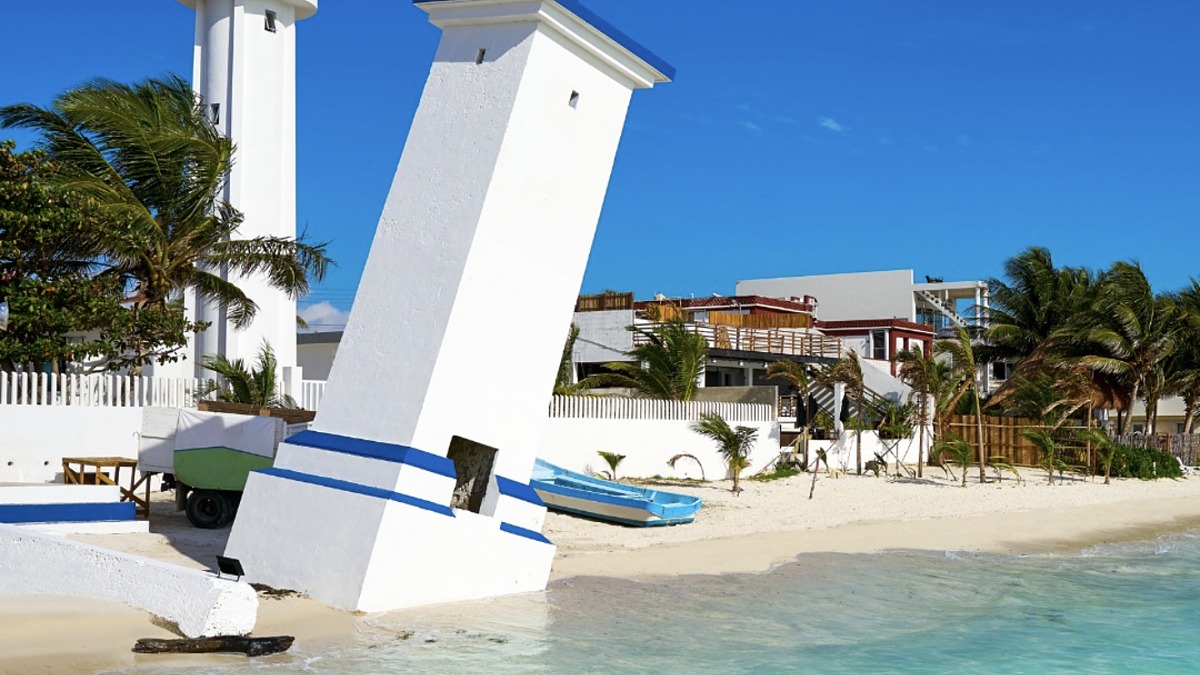
The town square is a two-minute walk from the beach, with local restaurants serving fresh seafood at prices that have not caught up with Playa del Carmen. Ceviche and a beer for under 200 pesos is still possible. The beach is not huge or dramatic, but it is clean, calm, and genuinely relaxed.
Snorkelling tours to the reef cost about 500 to 700 pesos and are worth it. The coral is in better shape here than at most other spots along the coast, partly because the reef's protected status limits boat traffic. If you're after the kind of hidden gem that similar guides along the Caribbean coast highlight, like Playa del Amor in Mexico, Puerto Morelos delivers that same sense of discovery.
Xpu-Ha: The Local Secret That's Getting Less Secret
About 25 minutes south of Playa del Carmen, Xpu-Ha is a crescent bay with calm, clear water and fine white sand. It used to be a genuine hidden beach, but word has spread and it now has a handful of beach clubs alongside the free public access points.
The public entrance is easy to miss, a small turnoff from the highway with a bumpy dirt road to a basic car park. From there you walk through the trees to the beach. Bring everything you need because facilities at the public section are minimal.
The water here is special. Shallow, calm, and an almost unreal shade of blue-green. Good for swimming, good for kids, and rarely affected by the worst sargassum thanks to its sheltered position. The beach clubs (La Playa and others) charge entry or have minimum spends but provide loungers, food, and drinks.
Which Beaches Are Calmest vs Waviest?
This matters more than most visitors realise. The Riviera Maya coast faces east into the open Caribbean, and waves, undertow, and currents are a real factor. Here is a quick breakdown.
Calmest beaches: Playa Norte Isla Mujeres, Puerto Morelos (reef-protected), Akumal bay, Xpu-Ha. These are your best bets for families and relaxed swimming.
Moderate waves: Playa del Carmen, Cancun north hotel zone (the stretch near the start closest to downtown). Generally fine for adults and older kids.
Roughest beaches: Playa Delfines, Tulum ruins beach, most of the Cancun east-facing hotel zone south of Punta Cancun. Strong undertow on many days, red flags common. Always check conditions and respect the flags.
Practical Tips for Cancun and Riviera Maya Beaches in 2026
Sargassum season: April to September, worst in June to August. Book west or north-facing beaches during this window if possible. Check local webcams and forecasts before choosing your beach each day.
Hotel zone access: All Mexican beaches are public by law, but Cancun hotel zone beaches are hard to access without walking through a hotel. Playa Delfines is the easiest public option. Some hotels will challenge non-guests walking through. Do not let this stop you, it is your right, but it is awkward.
Sun protection: The UV here is serious. Reef-safe sunscreen is mandatory at ecological sites like Akumal and in many cenotes. Regular sunscreen damages the reef, so pack biodegradable options.
Money: Most beach clubs and restaurants accept cards, but smaller vendors and collectivo drivers want pesos. ATMs in Playa del Carmen and Cancun are everywhere but watch for high fees. If you're planning what to pack, our beach essentials guide covers the basics.
Getting around: Collectivo minivans run constantly along Highway 307 between Cancun and Tulum for about 40 to 80 pesos depending on distance. They are cheap, frequent, and the main way budget travellers move up and down the coast. Taxis from Cancun hotel zone are expensive. Rental cars give you the most flexibility but parking at popular beaches can be limited. For October trips to this region, check our beach holidays in October guide for seasonal tips.
Single-Beach Reviews We've Published
If you're combining Cancún with a Tulum stop, our single-beach review goes into the conditions, seaweed, and what's changed in 2026: