Greece has more coastline than almost any country its size, and the beach options can feel overwhelming when you start planning. Every island claims to have the best beach, every travel blog ranks them differently, and half the photos you see online were taken at 6am before the crowds showed up. So here's an honest look at the best beaches in Greece for 2026, with real talk about what you're actually walking into.
Elafonissi, Crete: The Pink Sand That Actually Delivers
Elafonissi is one of those rare beaches that genuinely looks like the photos. The sand has a pink tint from crushed shells, the water is shallow and warm, and the whole place feels like it belongs somewhere in the Caribbean rather than southwest Crete.
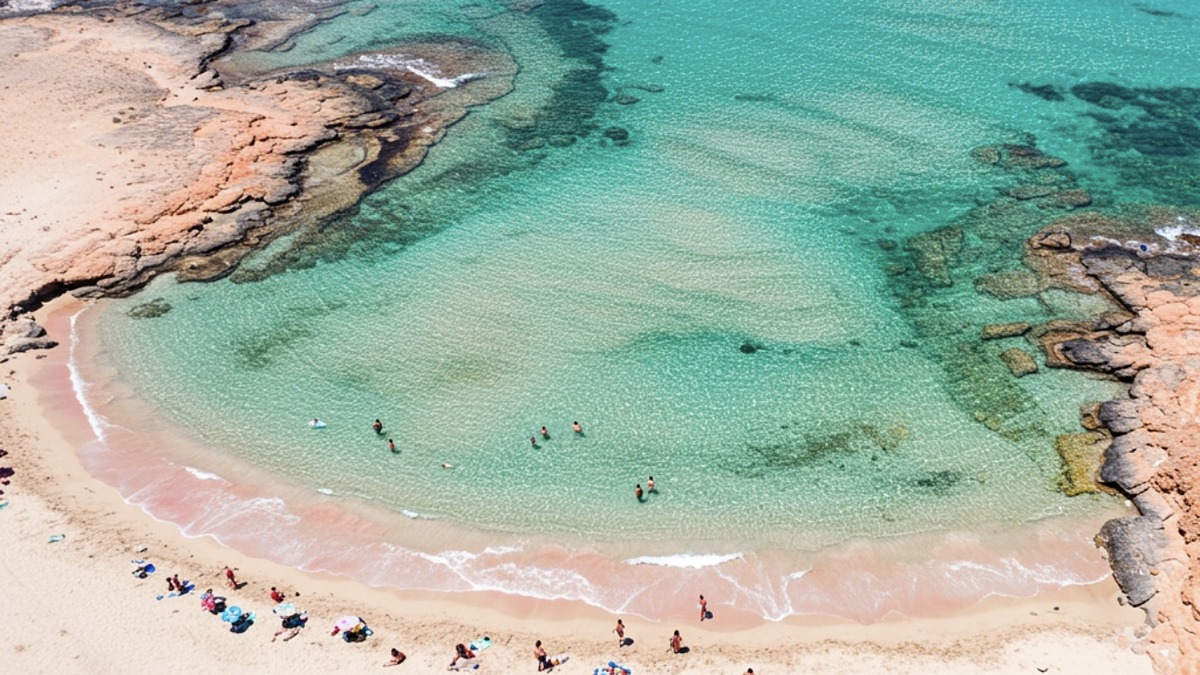
The catch? Everyone knows about it. During July and August, the beach is packed by 10am. The car park fills up fast, and the walk from overflow parking adds a good 15 minutes in the heat. If you visit in September or early October, it's a completely different experience. The water is actually warmer than in June, the crowds thin out dramatically, and you can claim a decent spot without arriving at dawn.
Getting there means driving through winding mountain roads from Chania, about 75 minutes each way. The road has improved over the years but it's still narrow in places. Worth the drive? Absolutely. Just don't expect a quiet hidden gem in peak season.
Balos Lagoon, Crete: Worth the Climb
Balos sits at the northwest tip of Crete, and it's the kind of place that stops you mid-step when you first see it from above. The lagoon glows in shades of turquoise and green, with a sandy peninsula stretching out into impossibly clear water.
You have two ways in. The boat from Kissamos is the easier option, about a 30-minute ride each way, though you share the beach with everyone else on the boat. The alternative is driving to the trailhead and hiking down a steep, rocky path for about 20 minutes. Wear proper shoes, not flip-flops. The hike back up in the afternoon heat is no joke.
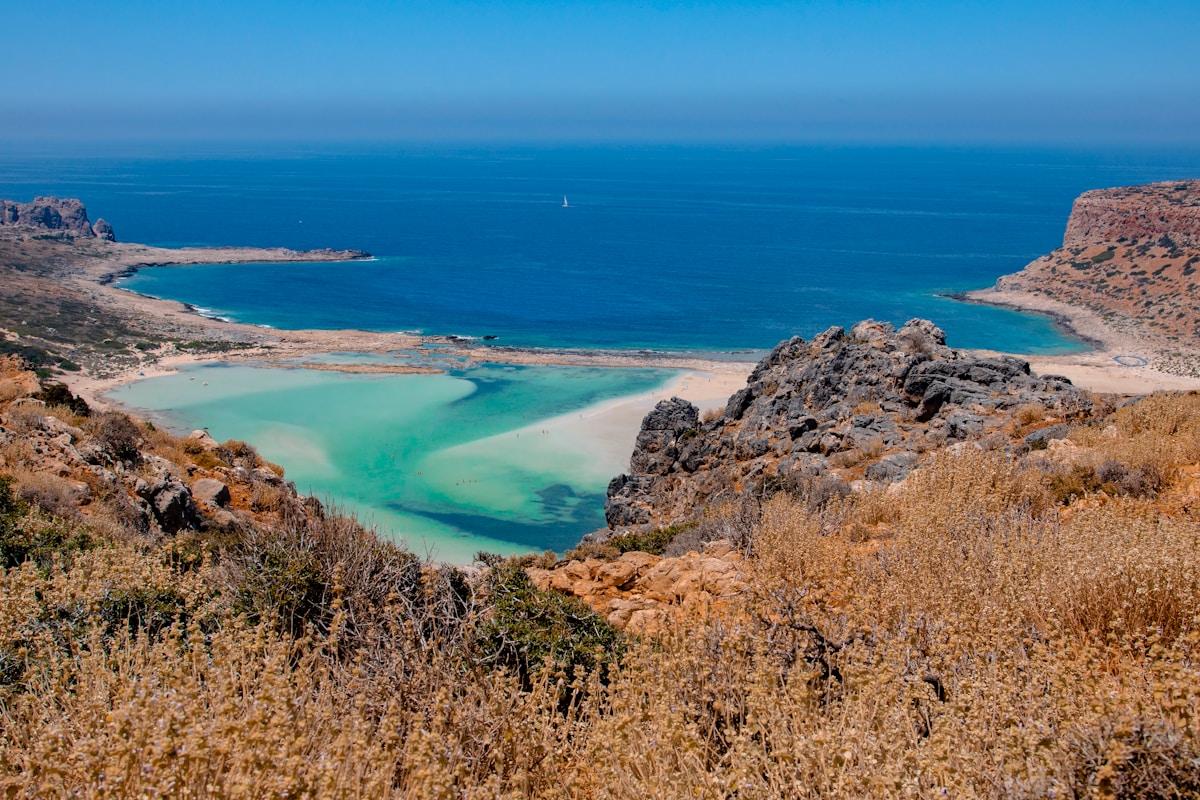
The beach itself is a mix of sand and shallow warm water that barely reaches your knees in places. Bring your own shade and water, because facilities are minimal. There's one small canteen that charges island prices. Balos is best experienced as a half-day trip paired with Elafonissi if you're spending a few days in western Crete.
Navagio Beach, Zakynthos: The Postcard Shot
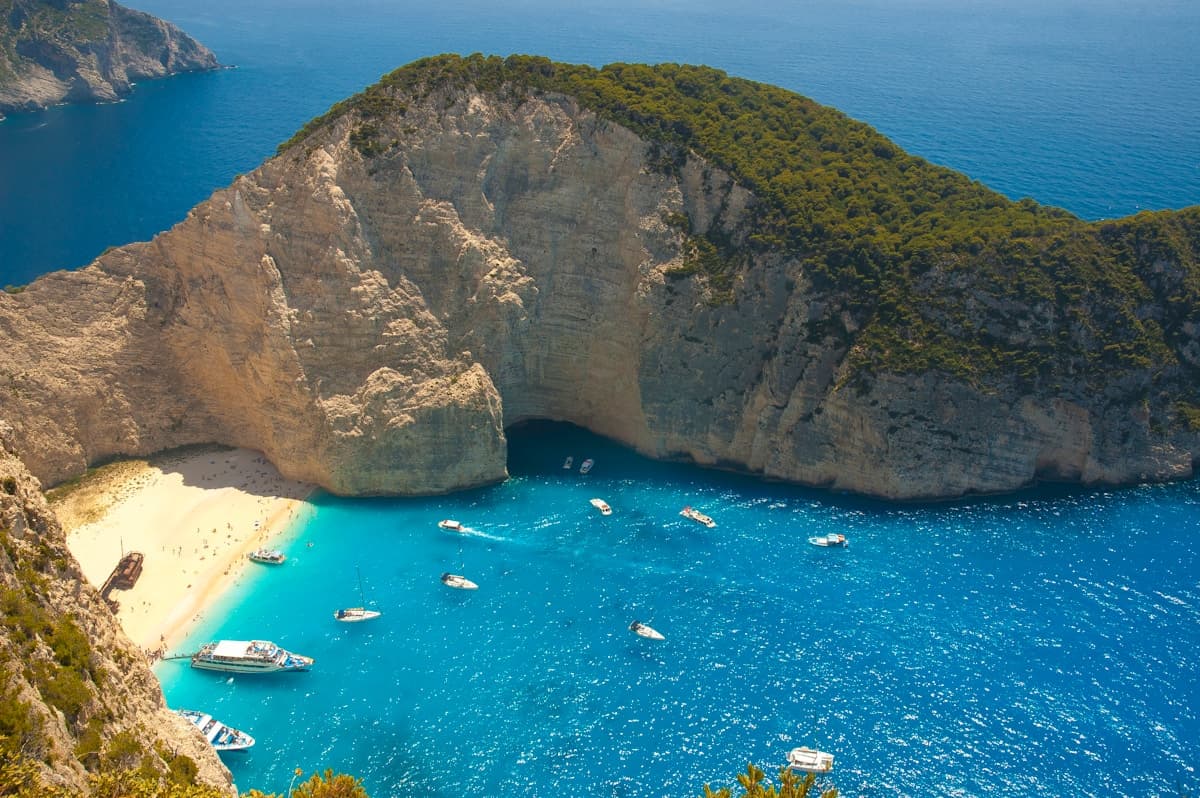
Navagio is probably the most photographed beach in Greece, and the shipwreck sitting on white sand beneath towering cliffs is genuinely dramatic in person. You've seen it on travel posters, phone wallpapers, and every "best beaches" list ever written.
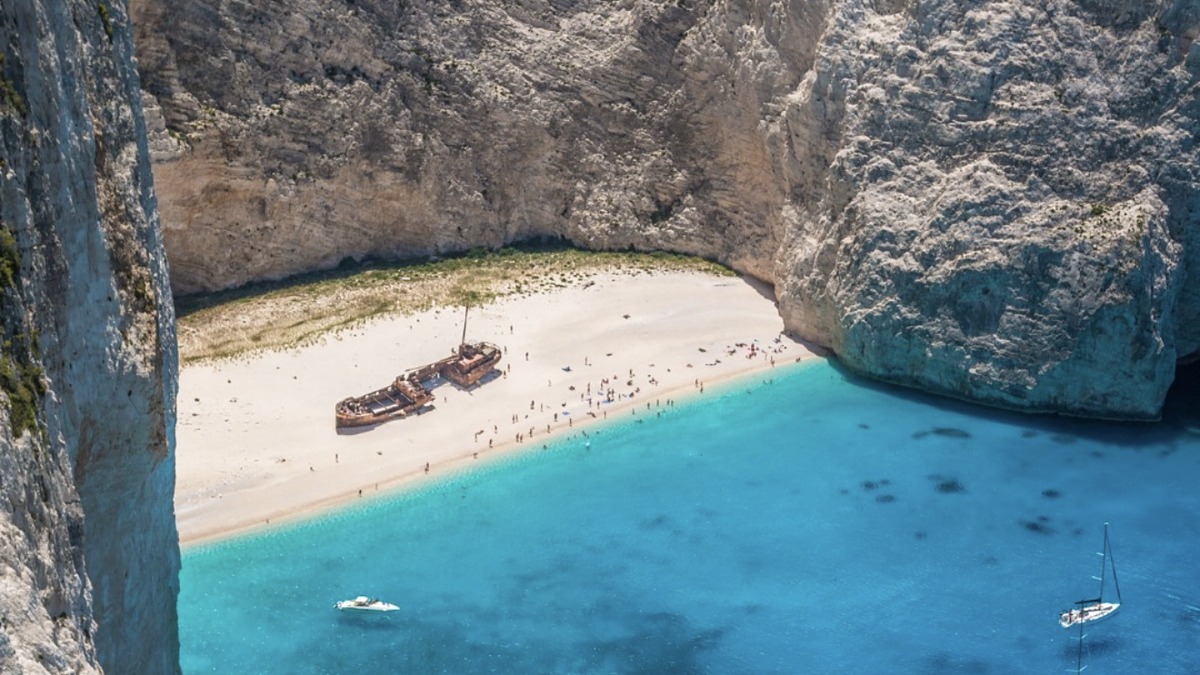
Here's what those photos don't show you. Navagio is only accessible by boat, typically from the port of Zakynthos Town or from the northern village of Porto Vromi. Tour boats start arriving around 10am and keep coming until late afternoon. By midday, you're sharing the beach with hundreds of other visitors and the noise from boat engines is constant.
The viewing platform above the beach is where the famous overhead photo is taken, and it's worth visiting separately. The cliff path is straightforward, but stay behind the barriers because the drop is sheer and there have been landslides. If you want the best experience on the beach itself, book an early morning private boat before the tour groups arrive.
Myrtos Beach, Kefalonia: The Ionian Showstopper
Myrtos regularly appears in "best beach in the world" lists, and from the road above, it's easy to see why. The beach curves in a wide crescent of white pebbles beneath enormous green cliffs, with water that shifts between deep blue and bright turquoise depending on the light.
A few things to know. The beach is pebble, not sand, so bring water shoes if that bothers you. The water drops off quickly and can be choppy, so it's not ideal for small children. The drive down from the main road is steep with sharp switchbacks, and parking is limited. There's a small canteen at the beach but no lounger rentals or organised facilities.
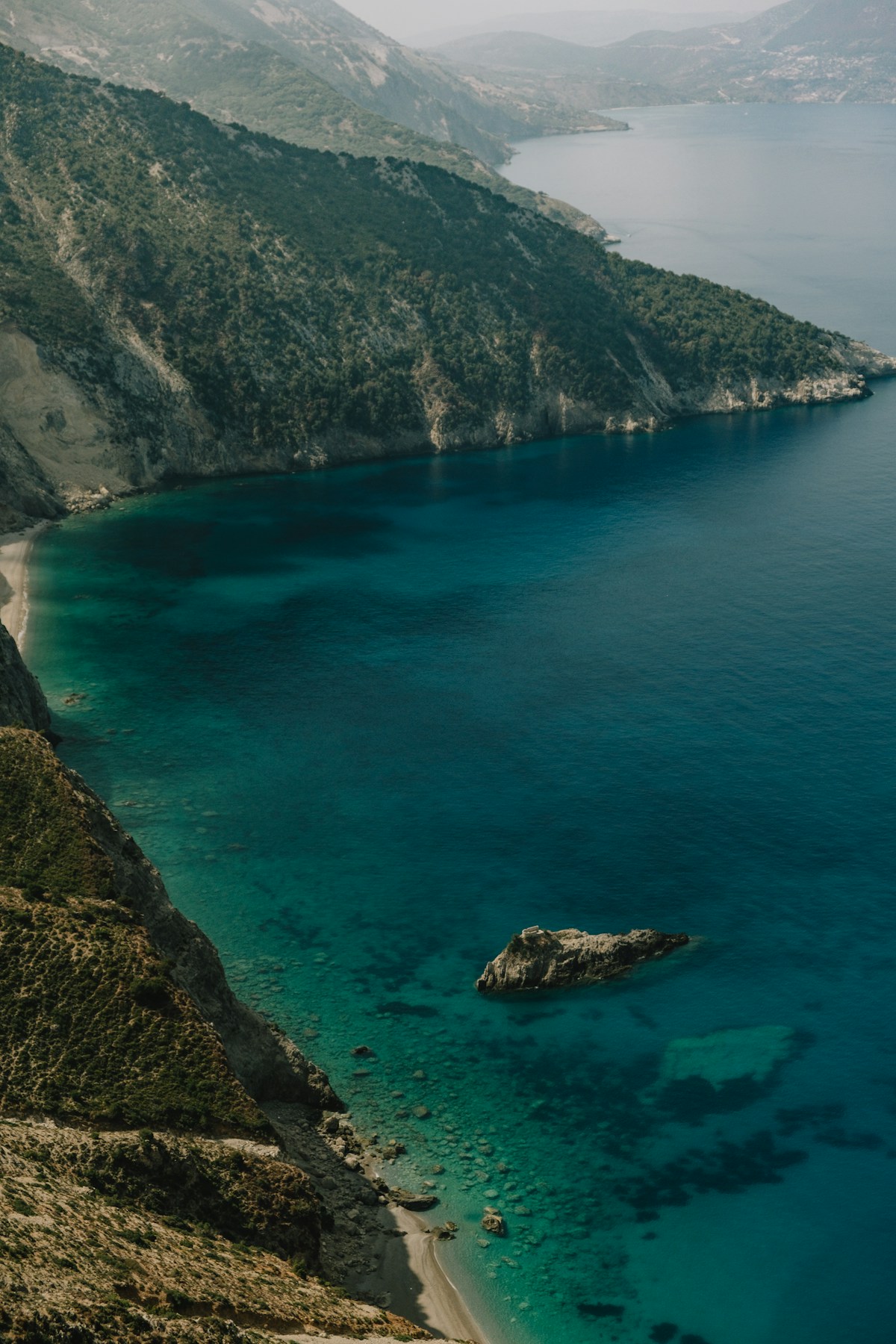
What makes Myrtos special is the scale. It feels grand in a way that smaller cove beaches don't. The afternoon light is best for photos, but mornings are quieter. Kefalonia in general is one of the more underrated Greek islands for beaches, with Antisamos and Xi Beach both worth a visit if you're staying for a week.
Porto Katsiki, Lefkada: Worth the Steps
Porto Katsiki sits on the southwest coast of Lefkada, backed by dramatic white cliffs that make the turquoise water look almost neon. It's one of the best beaches in the Ionian Islands, and unlike many Greek beach highlights, you can actually drive to it.
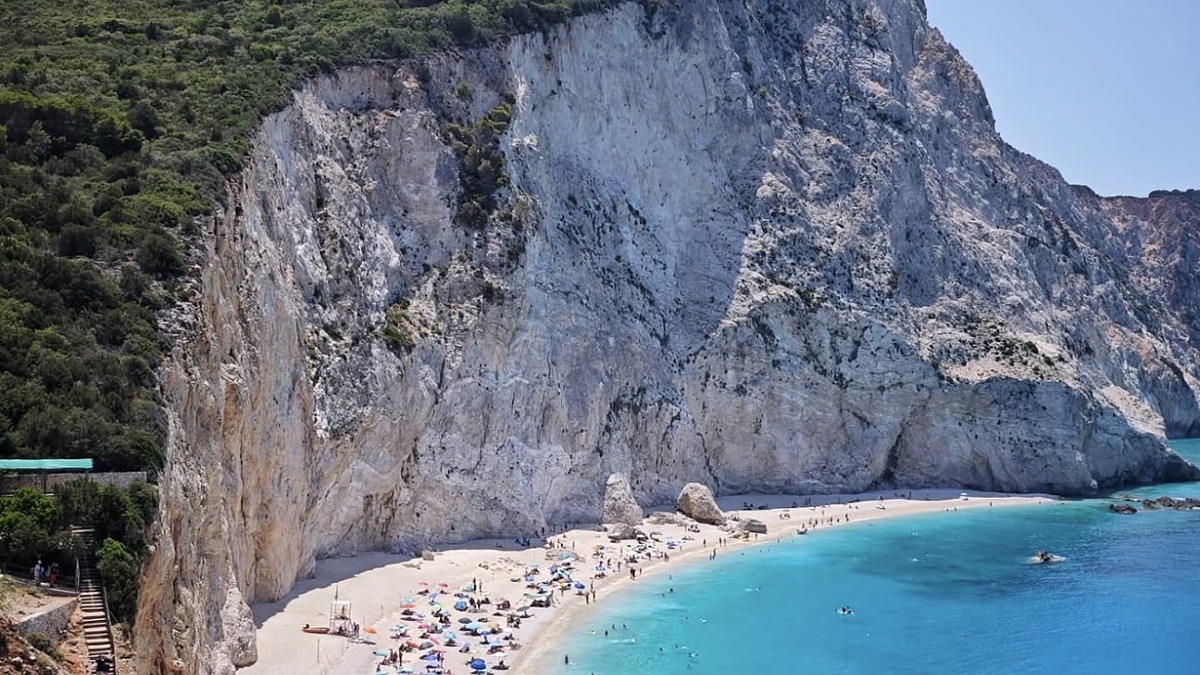
Well, almost. You drive to the car park, then walk down about 100 steep steps cut into the cliff face. Going down is fine. Coming back up after a day in the sun takes effort. The beach is a mix of fine pebble and sand, the water is clear and generally calm, and there's enough space that it doesn't feel sardine-packed even in summer.
Lefkada is connected to the mainland by a bridge, which makes it one of the easiest Greek islands to reach without a ferry. Fly into Preveza, rent a car, and you're at Porto Katsiki in about 45 minutes. The island has several other good beaches too, especially Egremni further up the coast, which is quieter but involves an even longer staircase descent.
Sarakiniko, Milos: Not Your Typical Beach
Sarakiniko looks like nowhere else in Greece. Smooth white volcanic rock formations shaped by wind and water create a lunar landscape that drops into deep blue sea. It's more of a swimming spot than a traditional beach, with no sand at all, but it's one of the most visually striking coastal spots in the entire country.
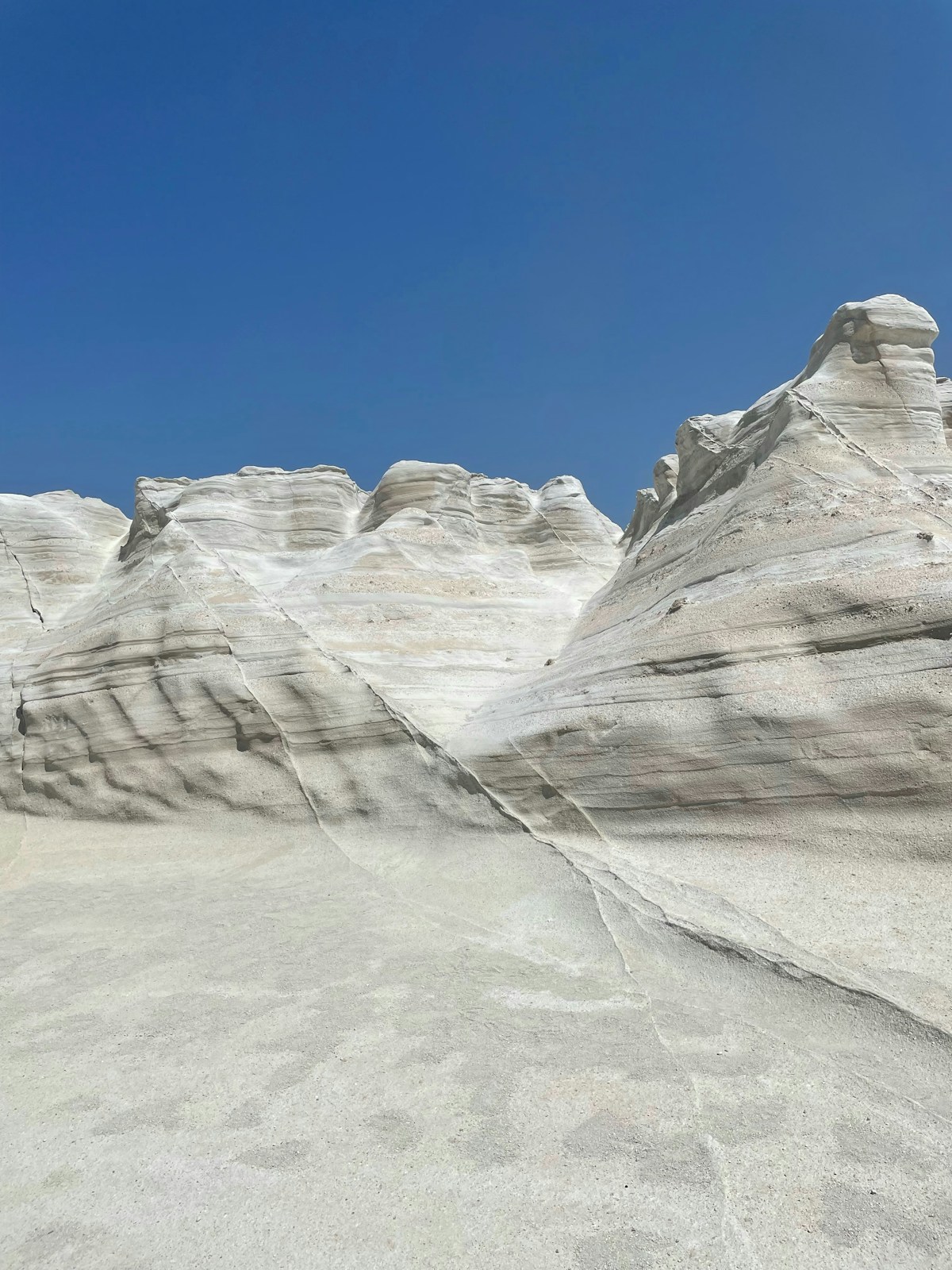
The rocks are surprisingly comfortable to lie on, and there are natural ledges to jump from into the water below (check the depth first, it varies). There are no facilities, no shade, and no lifeguards. Bring everything you need and wear sunscreen liberally, because the white rock reflects the sun intensely.
Milos is a smaller island in the Cyclades, reachable by ferry from Athens (about 4 to 7 hours depending on the boat) or a short domestic flight. The island has over 70 beaches, which is remarkable for its size. Kleftiko on the south coast is another highlight, but you need a boat to reach it. If you want something genuinely different from the standard Greek beach experience, Milos is the island to pick.
Seitan Limania, Crete: The Instagram Cove
Seitan Limania is a narrow cove near Chania airport that went viral on social media a few years ago, and the hype brought problems. The cove is small, wedged between steep rocky walls, and the path down is genuinely difficult. It's loose gravel and rock on a steep incline with no handrails.
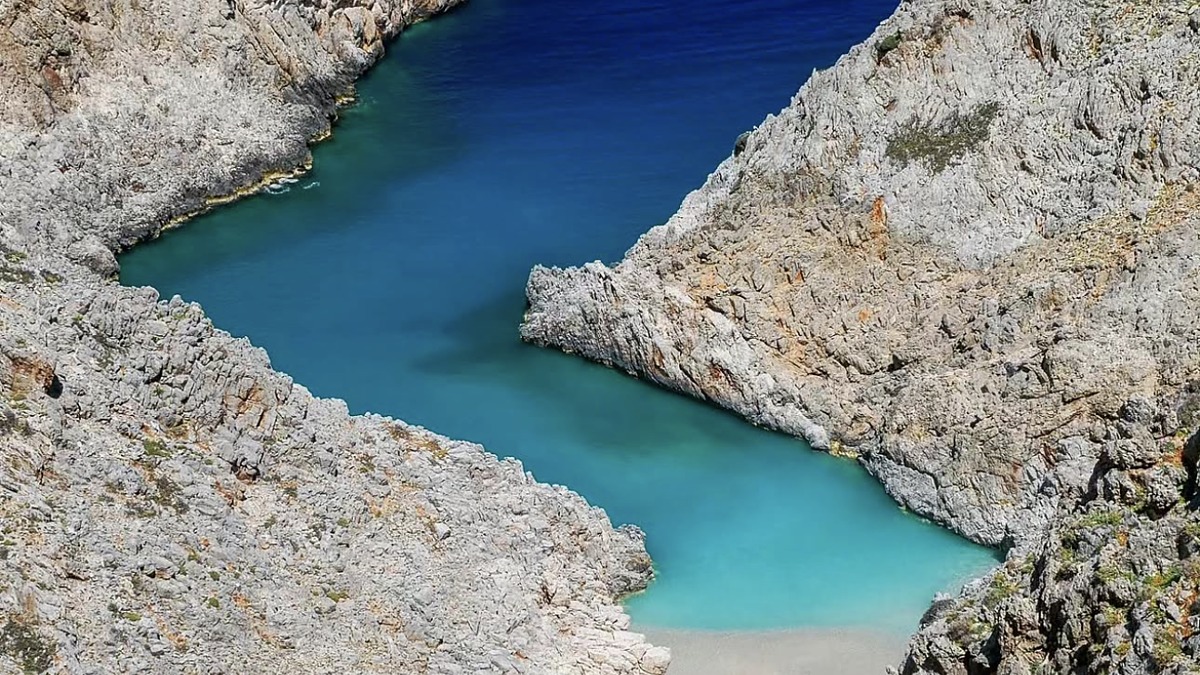
The beach itself is tiny. On a busy day, there's barely room for 30 people. The water is beautiful, a vivid shade of blue-green, but it can be rough when the wind picks up. Swimming here isn't always safe, and there are no lifeguards.
Is it worth visiting? If you're already in the Chania area and want a quick adventure, sure. But don't plan your entire day around it, and definitely don't bring young children or anyone with mobility issues. The parking area fills up fast and there's no shade on the descent.
Voidokilia, Peloponnese: The Mainland's Best Kept Beach
Most people skip the mainland when thinking about the best Greek island for beaches, and that's a mistake. Voidokilia on the western Peloponnese is a near-perfect omega-shaped bay with fine golden sand and shallow, calm water. It's the kind of beach you'd expect to find on an island, not on the mainland coast.
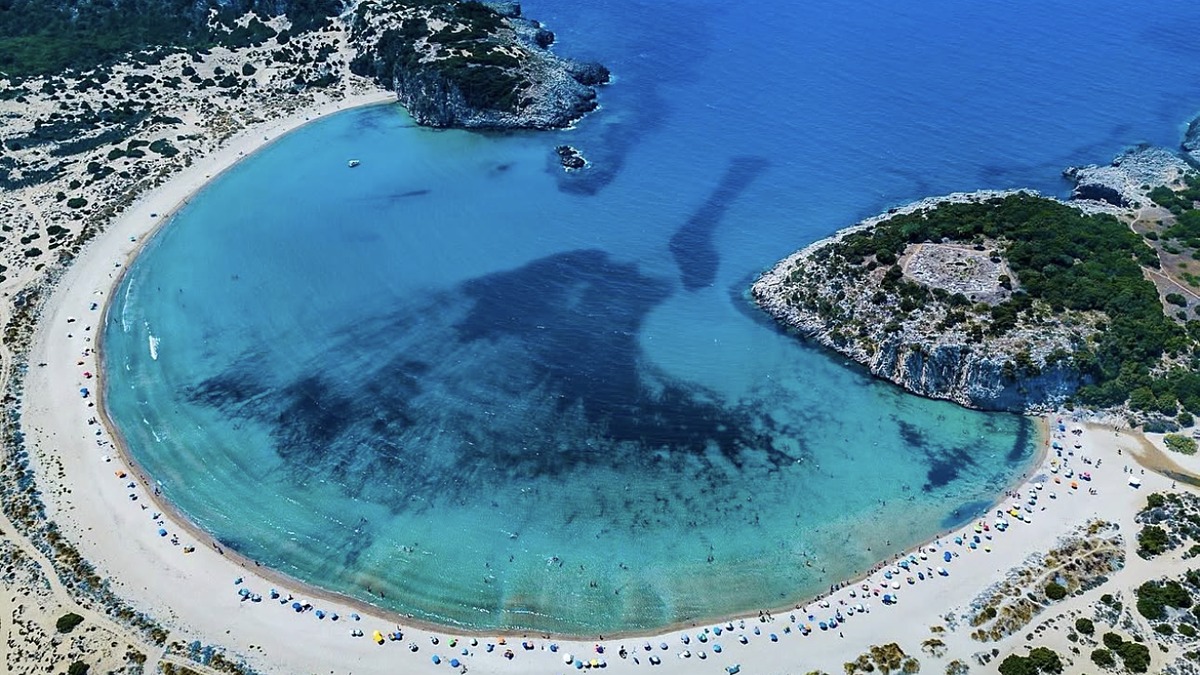
The setting is remarkable. Behind the beach sits Gialova Lagoon, a protected wetland area, and on the hill above are the ruins of an old Frankish castle. The walk up to the castle takes about 15 minutes and gives you a view of the entire bay that rivals any island panorama.
What keeps Voidokilia special is access. It's not on any major tourist route, there's no airport nearby, and the closest town of Pylos is small and quiet. You need a rental car to get here, which means the beach stays relatively uncrowded even in August. For a road trip through the Peloponnese, this is the beach highlight you shouldn't skip. You can combine it with exploring ancient Olympia or the medieval town of Monemvasia further south.
Which Greek Island Has the Best Beach Variety?
If you're trying to choose just one island, Crete gives you the most range. Pink sand at Elafonissi, the lagoon at Balos, palm-backed Vai in the east, and dozens of south coast coves that most visitors never reach. You could spend two weeks on Crete and visit a different beach every day without repeating.
For something different, Milos offers volcanic landscapes that look nothing like the rest of Greece. Kefalonia and Lefkada in the Ionians deliver dramatic cliff-backed beaches with easier access than most Cycladic islands. And if you want to skip the ferry altogether, the Peloponnese mainland has genuine standouts like Voidokilia that most tourists overlook entirely.
The honest advice? Don't try to see them all in one trip. Pick a region, rent a car, and explore properly. Greece rewards slower travel. If you're also considering beaches elsewhere in the Mediterranean, our guide to the best beach holidays in Europe covers the wider picture. And for anyone planning a trip later in the year, check our beach holidays in October guide, because Greek islands are surprisingly good well into autumn.