Kefalonia is the largest of the Ionian islands and the one that locals quietly say is the best for beaches. Dramatic limestone cliffs run along most of the coast, the Ionian Sea is calmer and clearer than the Aegean, and the beaches are spread across so many separate coves that even in August you can find a quiet swim if you drive 20 minutes. Myrtos gets the photographs. Antisamos gets the Captain Corelli tour buses. The other eight beaches in this guide are where the island actually swims.
This guide runs 10 of the best beaches in Kefalonia for 2026, organised by coast, with the parking and swim-safety calls baked in.
Myrtos Beach: The Postcard
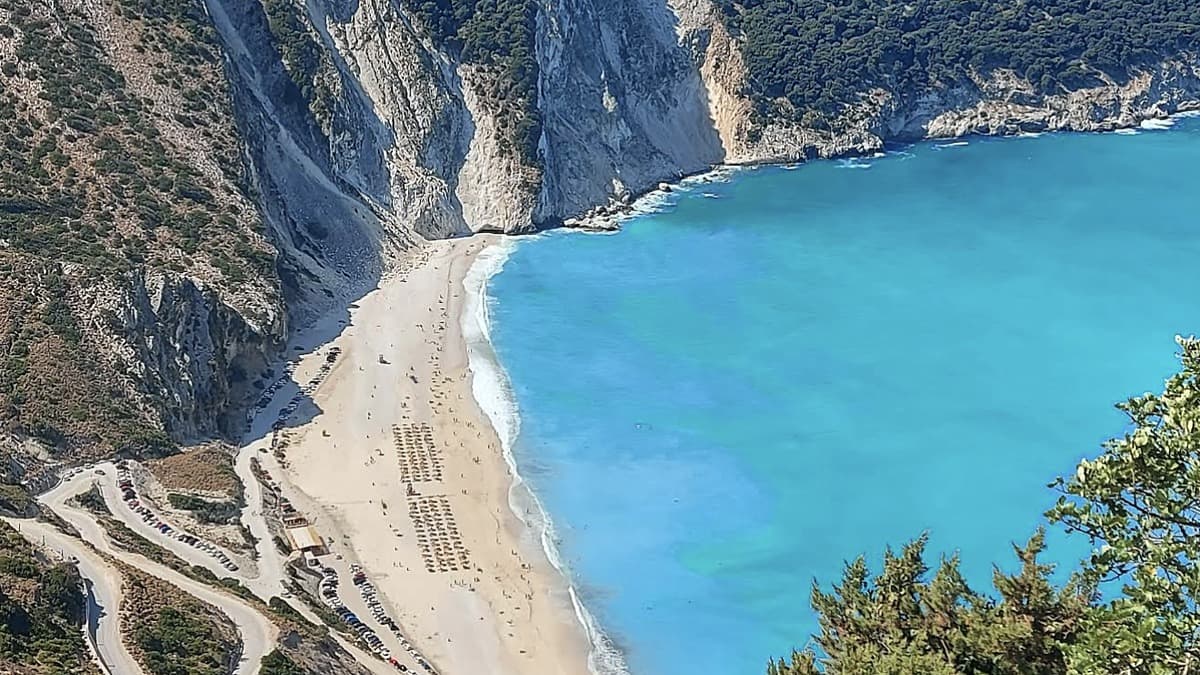
Myrtos sits on the northwest coast between two dramatic limestone cliffs, with a half-mile white-pebble crescent and water that runs through every shade of turquoise to deep navy depending on the depth and the light. The view from the cliff viewpoint above the beach (signed off the main road) is the photograph that put Kefalonia on every Greek beach list.
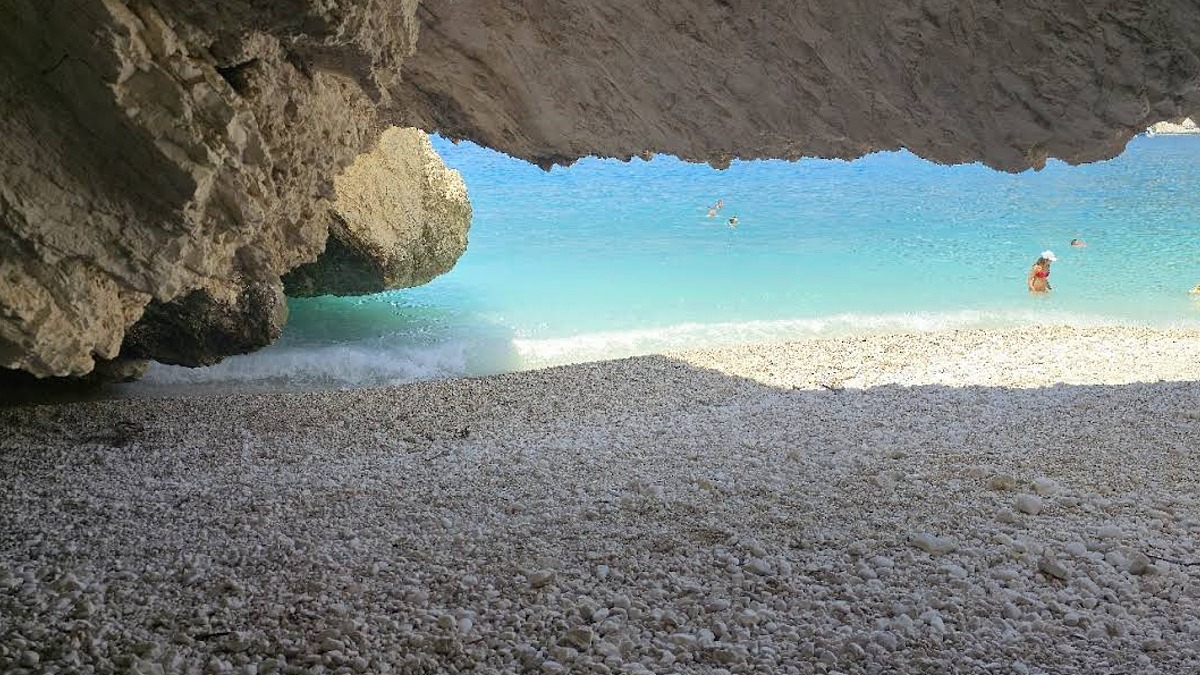
The catch is the entry. The beach drops off steeply within a few metres of shore, the pebbles are large and uncomfortable for sensitive feet, and there is no natural shade. Strong currents form on windy days. Swim close to shore if you are not a confident open-water swimmer. The road down from the viewpoint is paved but steep; a small car park sits at the beach level.
Visit for the photograph, swim for an hour, and base elsewhere for the holiday. The beach is not a comfortable all-day destination.
Foki Beach: The Quieter Northern Pick
Two kilometres south of Fiskardo on the northeast coast, Foki is a small pebble cove backed by pine and cypress trees that provide natural shade (rare on Kefalonia). The water is clear, the swim is gentle, and the trees mean you can spread a towel without renting an umbrella.
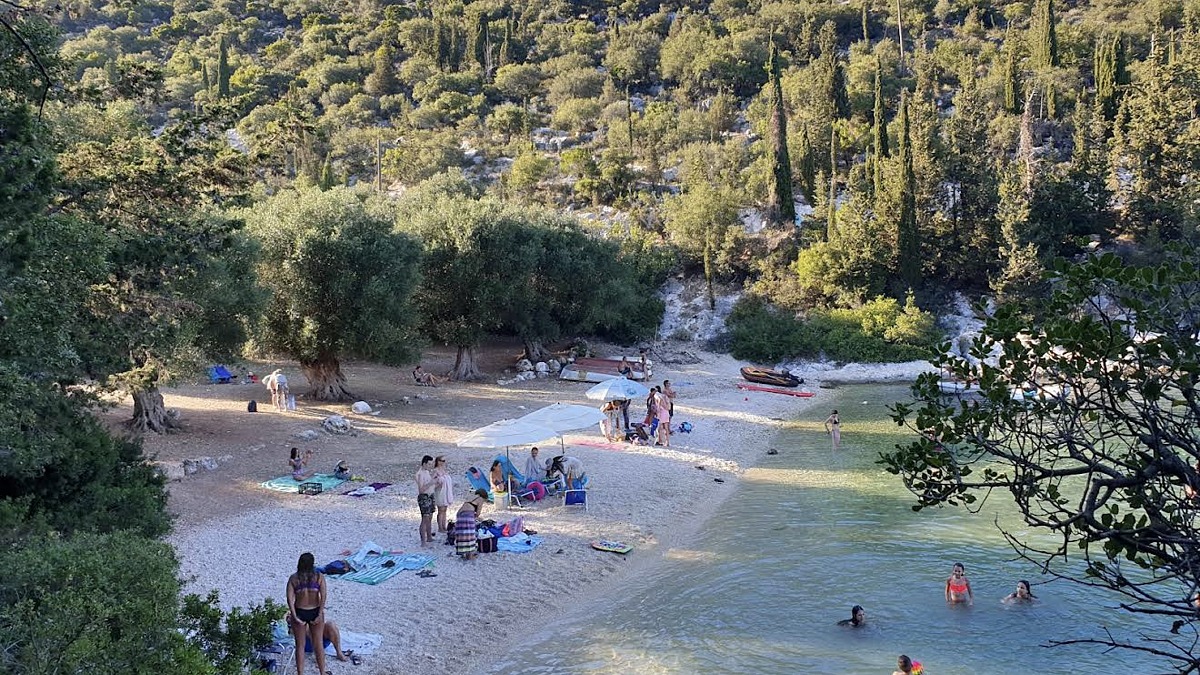
Access is easier than Myrtos: a short walk down from the small parking area through the trees. A single beachfront cafe handles food and cold drinks. The cove gets busier on summer afternoons but stays peaceful in the mornings. Pair with a Fiskardo lunch (the prettiest harbour town on the island) for a complete northern day.
Avithos Beach: The South-Coast Sandy Pocket
On the south coast just east of Argostoli, Avithos is a smaller sandy beach with a section of organised loungers, a beachfront cafe, and easier walking access from the parking area than most Kefalonia coves. The water is generally calm and the bottom is gentle for swimming.
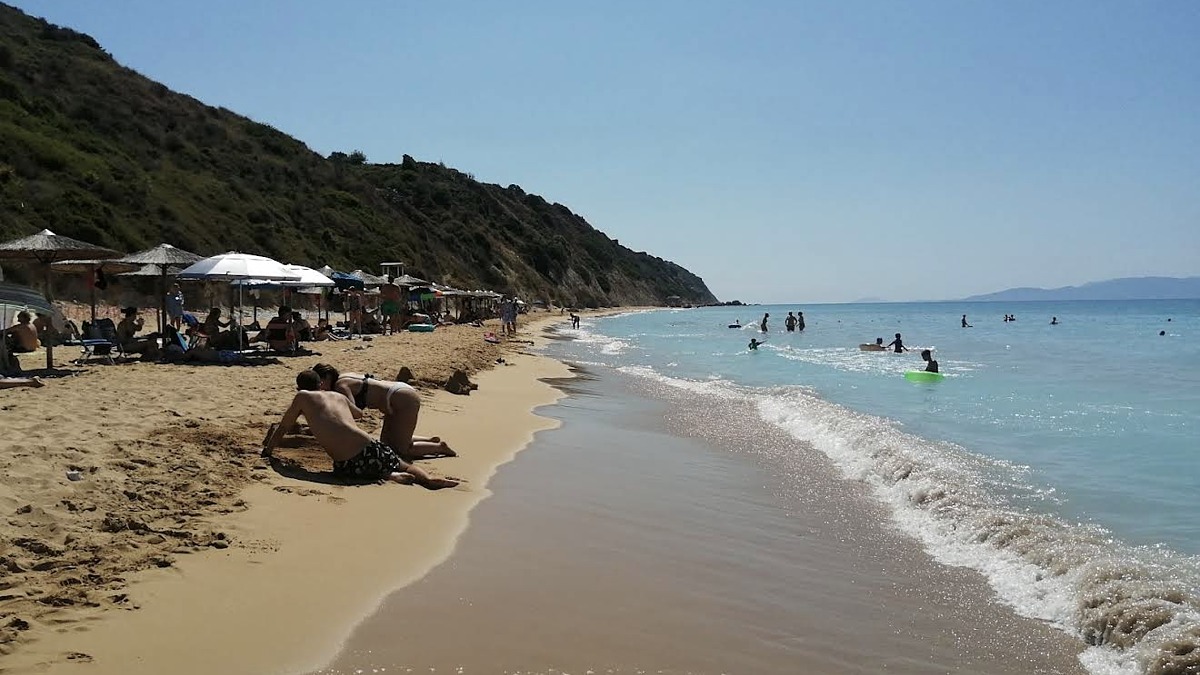
This is one of the few beaches near the capital that works for a quick afternoon swim without the long drive to the famous northern beaches. Less dramatic than Myrtos or Petani; more practical for a casual visit.
Antisamos Beach: The Captain Corelli Beach
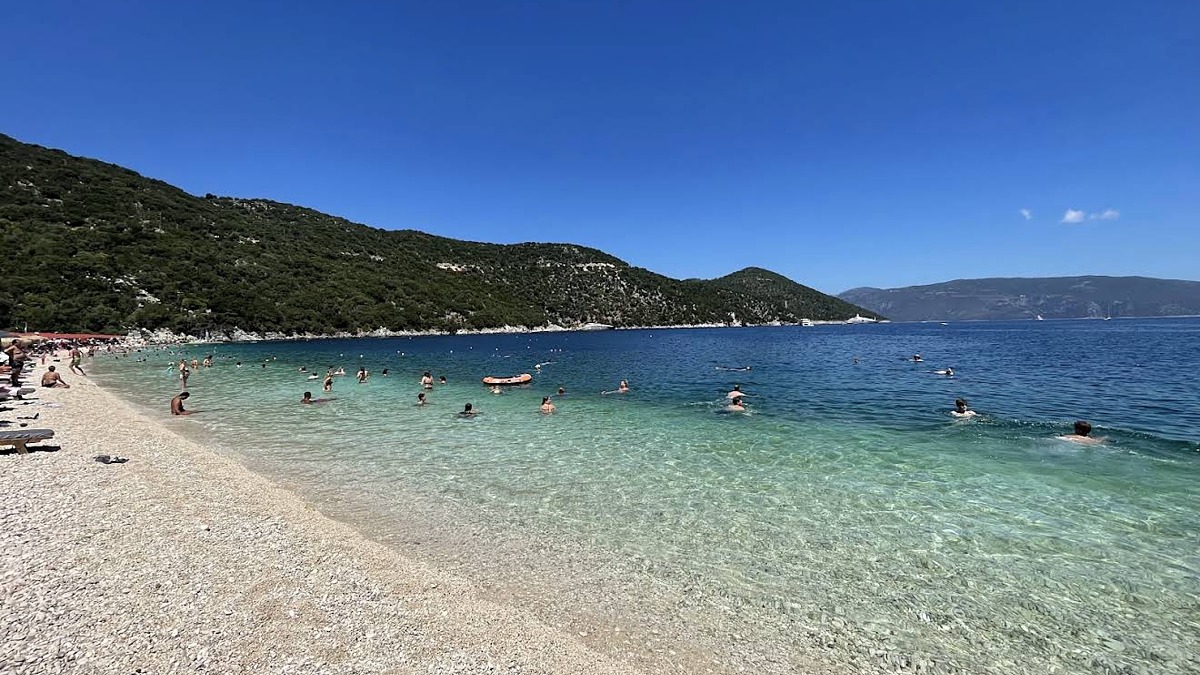
Antisamos sits in a protected bay near Sami on the east coast, with a long pebble strip, a dramatic green-hill backdrop, and a row of beach bars and tavernas behind the sand. The 2001 film Captain Corelli's Mandolin was filmed here; the beach has been famous (and busier) ever since.
Practically, Antisamos is one of the most amenity-rich beaches on the island. Organised loungers, full bar service, water sports, beach volleyball, and the easiest road access of any of the picturesque northern beaches. The water is calm and clear. The trade-off is the crowd; summer afternoons can fill the beach completely. Visit early or shoulder-season to enjoy it without the bustle.
Assos: The Beach Beside the Village
Assos is more a Venetian-era village than a beach, but the small pebble cove right next to the harbour delivers one of the prettiest coastal scenes on the island. The village built around a 16th-century Venetian castle perches on the headland, with the cove tucked below.
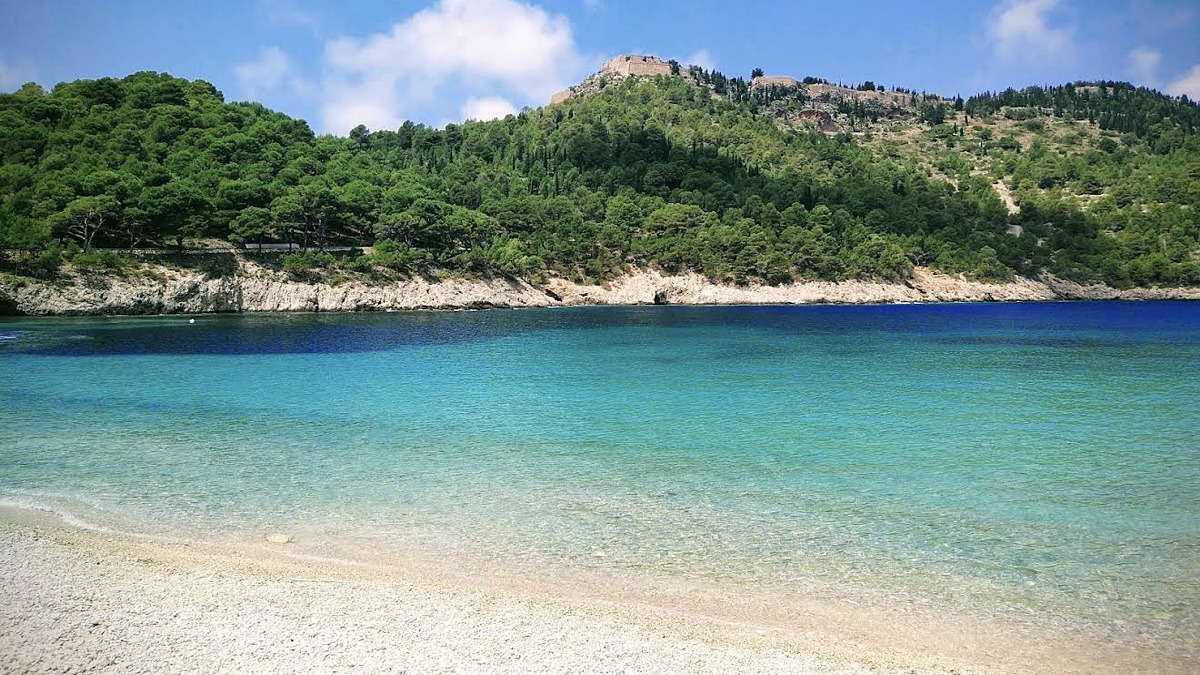
The beach itself is small and rocky in places. Most visitors swim for an hour, eat at one of the harbourside tavernas, walk up to the castle ruins for the views, and continue on. Treat Assos as a half-day visit rather than a beach base. The drive in is steep with switchbacks; take it slow.
Dafnoudi Beach: The Hike-In Pick
Twenty minutes' walk from a small parking area near Fiskardo through a forest path, Dafnoudi is the quieter alternative to the more famous northern beaches. White pebbles, clear water, and the kind of cove that hardly anyone visits because the hike filters out the casual day-trippers.
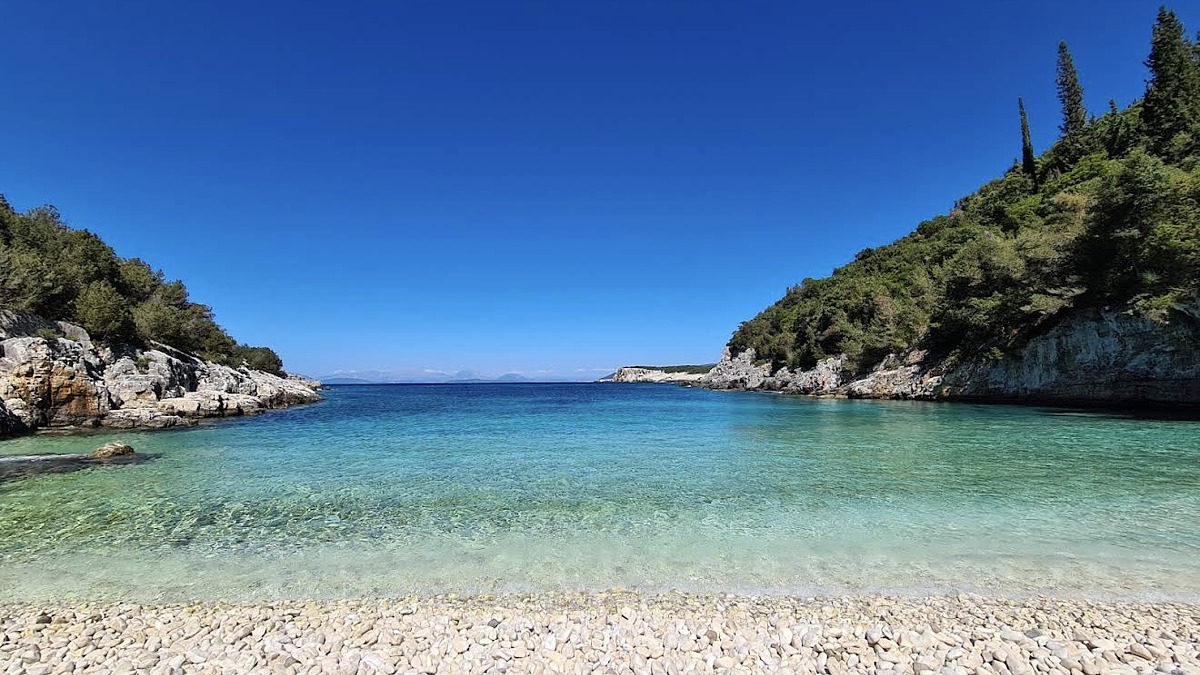
There are no facilities. Bring water, snacks, and everything else you need. The forest walk is shaded and pleasant. Monk seals have historically been spotted in the area, though sightings are not reliable. For a wild-cove experience on Kefalonia, Dafnoudi is the cleanest choice.
Koroni Beach: The Hidden South-East Cove
On the southeast coast near Skala, Koroni is a quieter pebble beach with calm water and minimal development. A small kantina handles cold drinks in summer. The drive in is mostly paved with a final dirt section; any car can make it in dry weather.
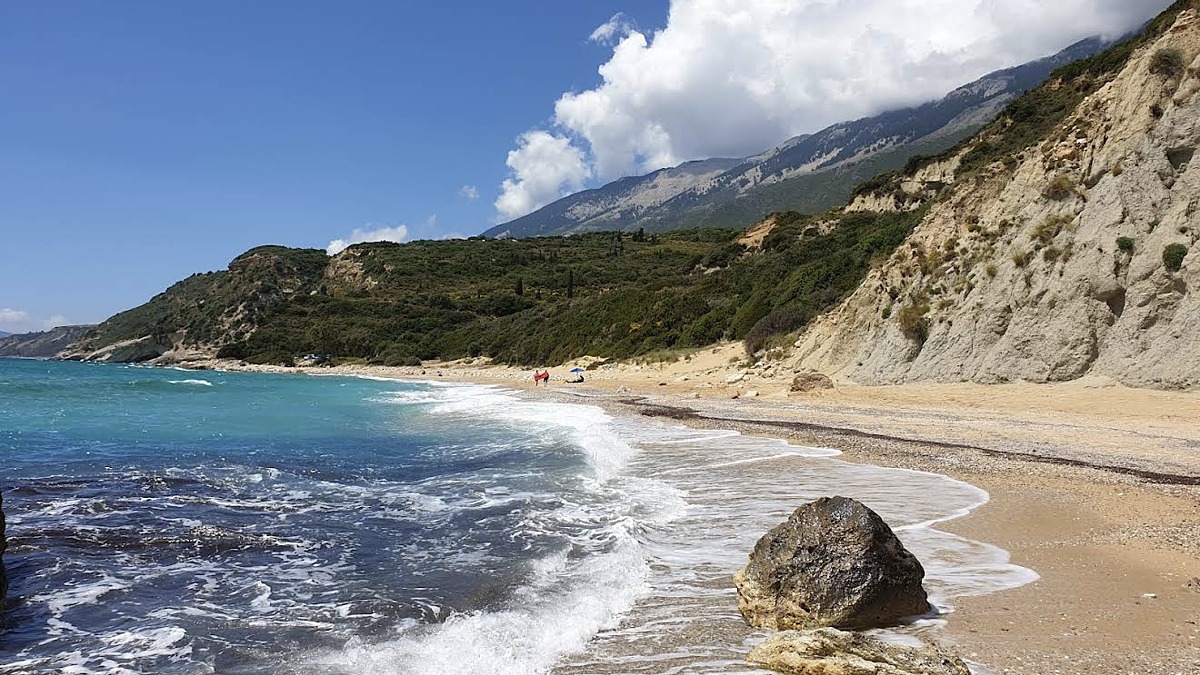
Less famous than the northern beaches, with the trade-off being fewer people. Visit for a quiet day's swim and pair with an evening in Skala for tavernas and small-town pace.
Lourdas Beach: The Family Pick
Lourdas (often spelled Lourdata) on the south coast is the most family-friendly of the major Kefalonia beaches. Sand-and-pebble bottom, shallow water that extends 30 metres out, lifeguards in season, organised loungers, a row of beachfront tavernas, and easy road access from the village above.
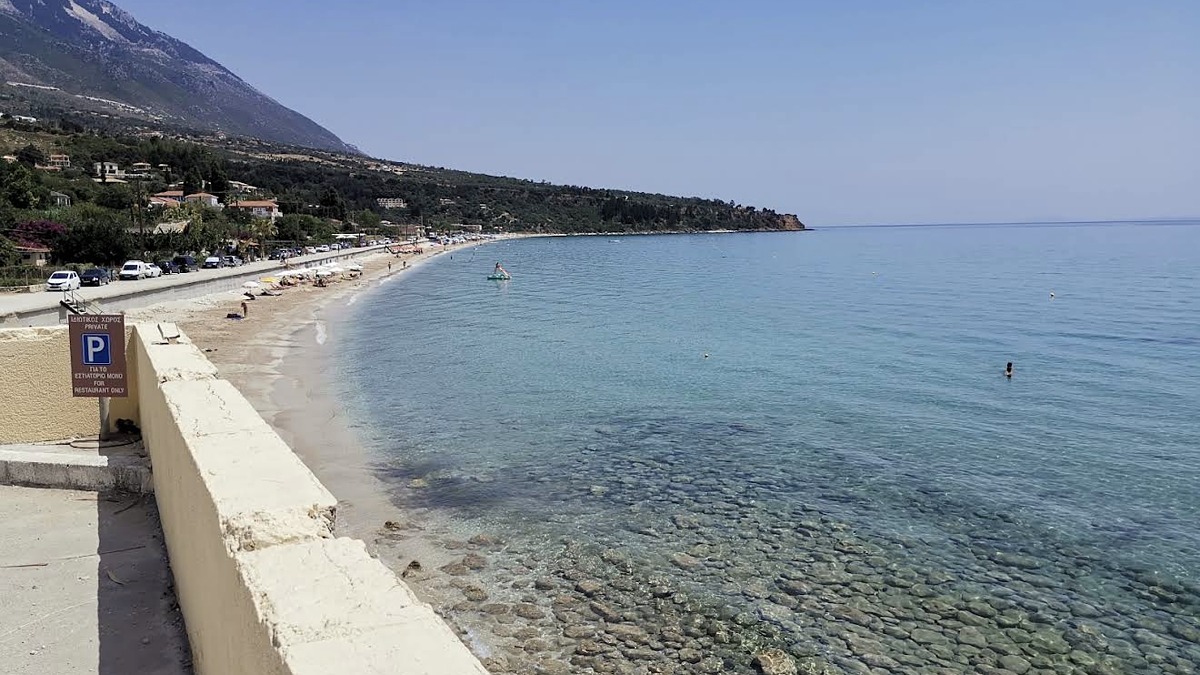
The beach gets a long strip of organised sections and quieter free areas at either end. Sunset on Lourdas faces west into the Ionian; this is the best evening beach on the south coast. For families with kids, Lourdas is the practical answer.
Petani Beach: The Northern Alternative to Myrtos
Petani sits on the same west coast as Myrtos, around 10 kilometres south but on a separate peninsula. The beach is similar in character: dramatic cliffs, white-pebble shore, deep turquoise water that goes through the same gradient. Two beachfront tavernas provide food and loungers.
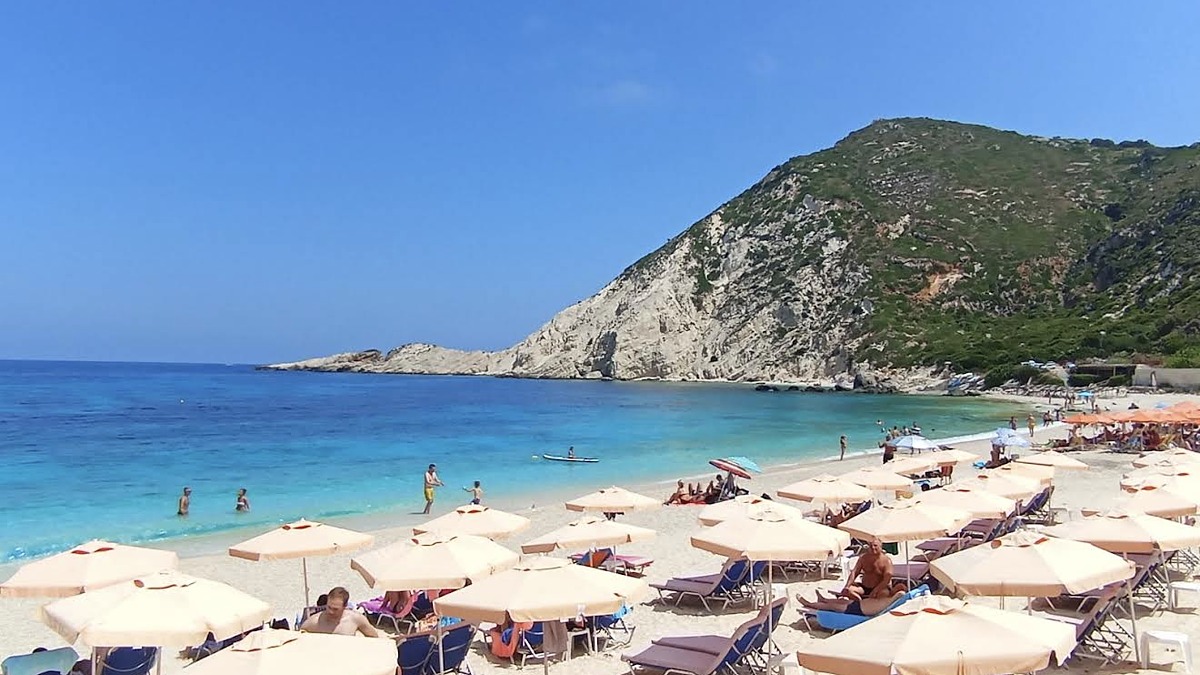
Petani gets fewer crowds than Myrtos because it is harder to find on the map and the road in is steeper. For visitors who want the Myrtos look without the Myrtos people, Petani is the answer. Swimming is similar: steep entry, deep water close to shore, calm in normal conditions. Bring water shoes for the pebbles.
Katelios Beach: The Quiet Family Pick
The southeast coast village of Katelios fronts a quiet pebble-and-sand cove that is one of the calmest swims on the island. Lifeguards in season, beachfront tavernas, easy walking from the village, and a slower pace than Lourdas or Antisamos.
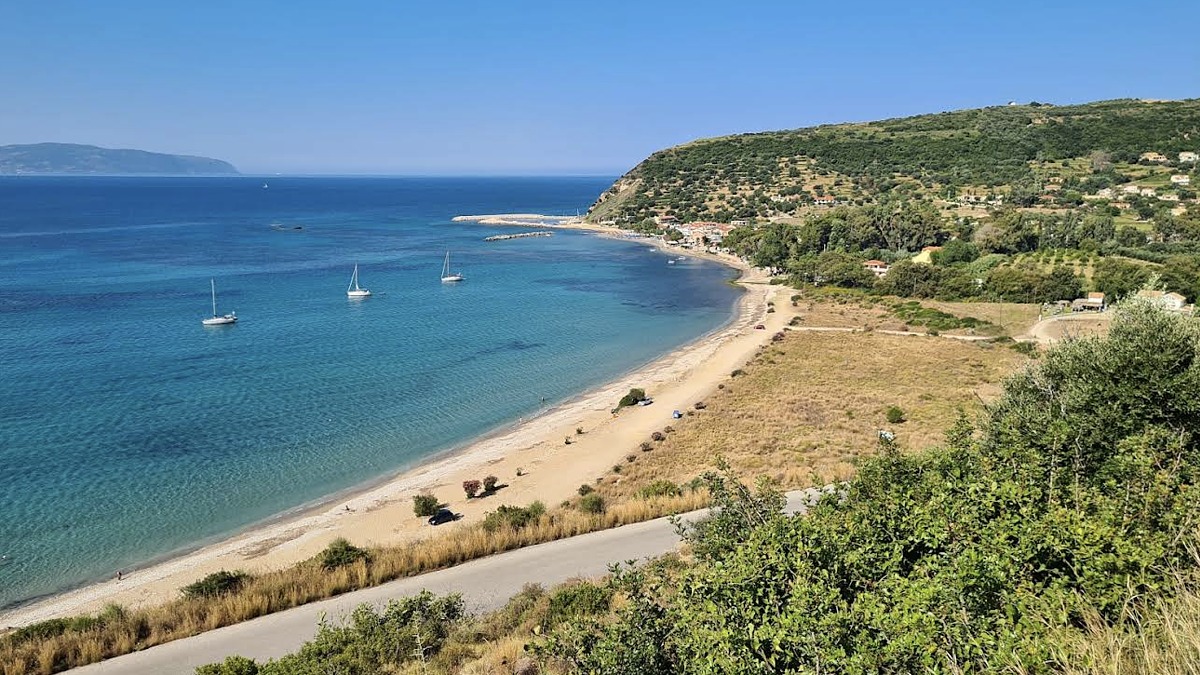
This is the beach for visitors who want the family-friendly setup without the busier resort scene. Katelios stays primarily Greek-domestic and family-tourism oriented, with prices to match. Stay in the village for one night to use the beach properly in the morning.
How to Plan Your Kefalonia Beach Trip
Three rules will save you on this island.
Rent a car. Kefalonia is too large for buses to cover the beach coast. Argostoli or the airport are the standard rental pickup points.
Pair beaches by region. The northwest (Myrtos, Petani, Assos, Fiskardo with Foki and Dafnoudi) is one day. The east (Antisamos, Sami) is another. The south (Avithos, Lourdas, Katelios, Koroni, Skala) is a third. Trying to hit beaches from all coasts in one day means a lot of driving on winding roads.
Bring water shoes. Kefalonia beaches are mostly pebble; sensitive feet suffer without them.
For the wider Greek-beach picture, see our Best Beaches in Greece guide. For the nearby Ionian island with the famous turtle beach and shipwreck, our Best Beaches in Zakynthos guide covers the alternative half-hour ferry ride south.