When the World's 50 Best Beaches list for 2026 landed, the second-best beach on the planet turned out to be a tiny white-pebble cove on Kefalonia with no road to it. Fteri Beach, on the island's northwest coast, beat every other beach in Greece and finished behind only Entalula in the Philippines, on a ranking drawn from more than 1,000 travel experts and the team's own year of visits. To reach it you either take a 10-minute water taxi from Zola harbour or hike a steep hour down a rocky trail, and there are no facilities when you arrive.
That is the trade. No sunbeds, no snack bar, no shade, no easy way in. Fteri is a place you visit on its own terms, and knowing those terms before you go is the difference between a brilliant morning and a hot, thirsty mistake.
Why Fteri is ranked the world's second-best beach
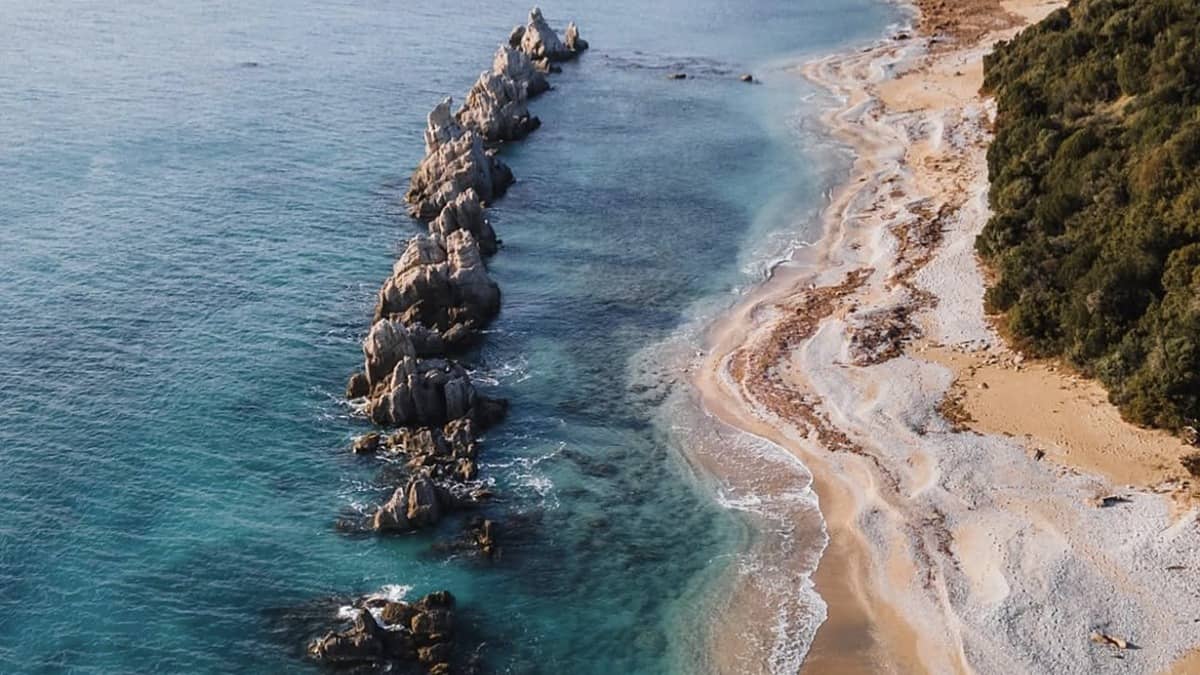
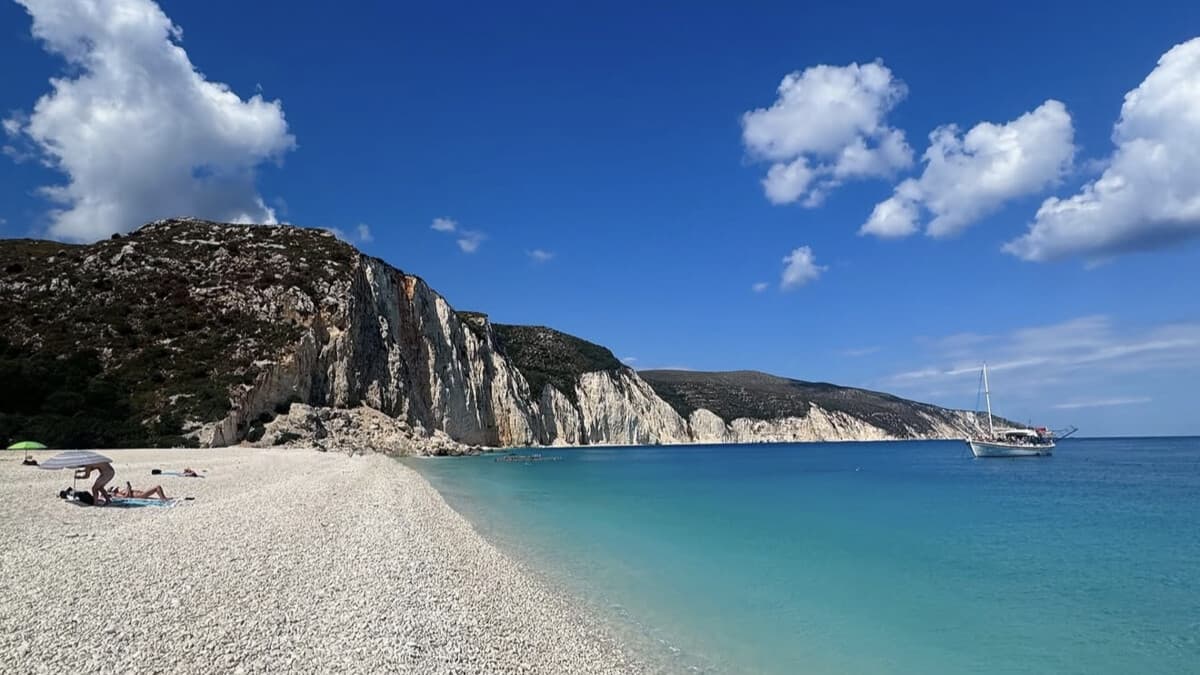
The appeal is simple and it is all natural. Fteri is a pocket of bright white pebbles, mixed with a little sand, curved into a cove beneath tall white cliffs, and the pale seabed turns the water an intense, luminous turquoise. Because it is so hard to reach, there is nothing built on it to break the spell, and the setting stays as wild as it must have looked a century ago.
That combination, world-class clarity and a completely undeveloped cove, is exactly what the World's 50 Best Beaches panel rewards, and it put Fteri at number two globally for 2026, ahead of every other beach in Greece. Our best beaches in Kefalonia guide sets it against Myrtos and the island's quieter coves.
Getting to Fteri: the boat or the hike
There is no road down to Fteri, so you choose between water and foot.
The easy option is the water taxi from Zola harbour, near Agia Kyriaki beach. The ride takes under 10 minutes, costs around 20 euros return, and runs through the season, roughly June to September, with boats leaving about every half hour. For most people this is the sensible call, and it doubles as a short, pretty trip along the coast.
The other option is the hike, and it is a proper one. From the free dirt-road parking above the coast, a steep, rocky trail drops to the cove in about 40 to 60 minutes, marked by green and red dots painted on the rocks. It is not climbing, but it is uneven and exposed, the return is harder than the descent, and it is no place for young children or flimsy sandals. If you walk in, take far more water than you think you need.
What the beach is actually like
Underfoot it is white pebbles, smooth and pale, with a little sand at the water's edge, so pack water shoes for a comfortable walk into the sea. The pebbles also throw the sun back at you, which adds to the heat on an already shadeless beach.
The water is the headline, and it lives up to the photographs: clear, calm in the cove, and a colour that shifts from pale green in the shallows to deep turquoise where it drops away, ideal for swimming and a decent snorkel along the rocky edges. The cliffs behind give the whole place its drama and its sense of seclusion.
Be honest with yourself about the size, though. Fteri is small, and its fame works against it. Through the middle of the day the water taxis and the occasional cruise boat arrive in a steady stream, and the little beach that felt private at 9am can feel busy by noon. It is beautiful, not secret.
When to go, and beating the boat crowds
The sea is warm and calm from June into October, with June and September the best blend of good weather and thinner crowds. July and August bring the heat and the highest boat traffic.
Whenever you come, the single best move is to arrive early. Take one of the first water taxis, or start the hike in the cool of the morning, and you get the cove closer to empty before the half-hourly boats begin unloading. Bring water, food, sun protection and shade, because you will find none of it there, and plan to carry everything, including your rubbish, back out.
Is Fteri Beach worth it?
Yes, if you go in with your eyes open. Fteri is one of the most beautiful stretches of water in Greece, a genuinely world-class cove that has stayed wild precisely because it is awkward to reach. The reward for the boat fare or the sweaty walk is a swim you will remember.
Just treat it as an expedition rather than a beach day. Come early, bring everything, accept that you will share it with the boats by lunchtime, and take the water taxi rather than the hike if you have any doubt about the climb. On those terms, the world's second-best beach for 2026 lives up to the billing. For where it sits among the island's other beaches, see our best beaches in Kefalonia guide, and for the full global list, our World's 50 Best Beaches 2026 roundup.