Sardinia has some of the most beautiful coastline in the Mediterranean, and that is not an exaggeration. The water really is that shade of Caribbean turquoise you see in photos. But here is what most guides skip: getting to these beaches takes effort. Some require boat rides, others need a solid hike, and almost all of them demand a rental car. The island's public transport won't cut it if you want to see anything beyond the airport town.
That said, the effort pays off. Here are the Sardinia beaches actually worth your time in 2026, with the real detail on what to expect when you get there.
Getting Around Sardinia (You Need a Car)
Before picking your beaches, sort your transport. Sardinia is the second largest island in the Mediterranean and the best beaches are spread across all four coasts. Ferries from mainland Italy arrive at Olbia in the northeast, Porto Torres in the northwest, or Cagliari in the south. Crossing times range from five to ten hours depending on your departure port, with Civitavecchia near Rome being the most popular route.
If you are flying in, Olbia is the most convenient airport for the northeast coast beaches. Cagliari works better for the south. Either way, book a rental car. Seriously. Buses between towns exist but they run infrequently, and the best coves are down dirt roads that no bus will ever touch.
Cala Goloritze, the One That Earns the Hype
Most "best of" lists put Cala Goloritze at the top, and for once, the hype is justified. The beach sits at the base of towering limestone cliffs on the east coast, with a distinctive rock pinnacle rising from the shoreline. The water is almost impossibly clear.
Getting there is the catch. You either hike down from the Altopiano di Golgo, which takes about an hour on a steep, rocky trail, or you take a boat from Cala Gonone. The hike is doable for anyone reasonably fit, but bring proper shoes and plenty of water. Flip flops will not work on this trail.
We have a full review of Cala Goloritze if you want the detailed breakdown. It is one of those beaches that genuinely lives up to the photos, which is rare.
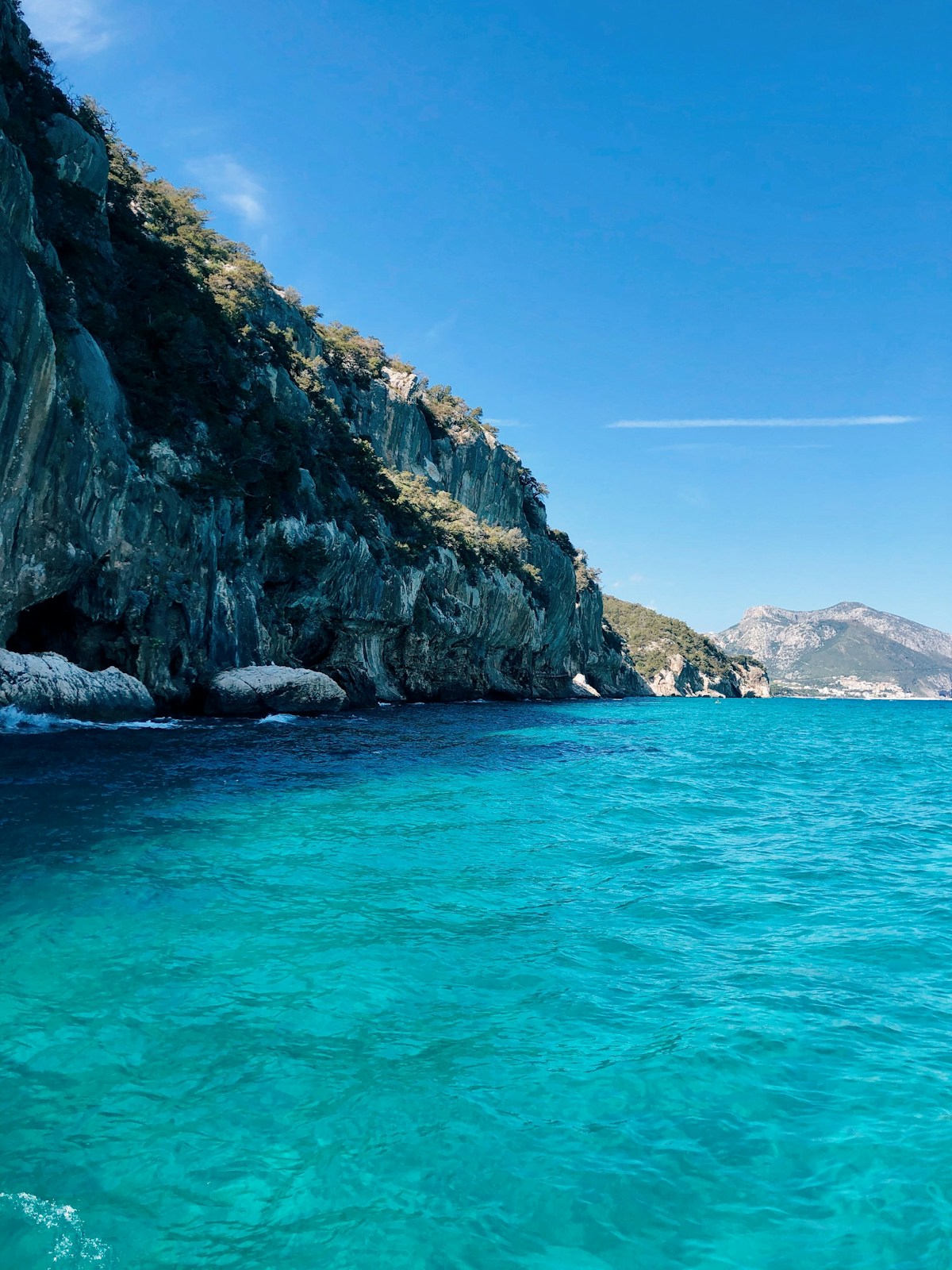
Cala Mariolu, Cala Goloritze's Quieter Neighbour
Just north of Cala Goloritze along the Gulf of Orosei, Cala Mariolu is equally beautiful and slightly more accessible by boat. The beach is a mix of white pebbles and crushed shells that give it a pinkish tint in certain light. The water is that deep, vivid blue that makes you understand why people compare Sardinia to the Caribbean.
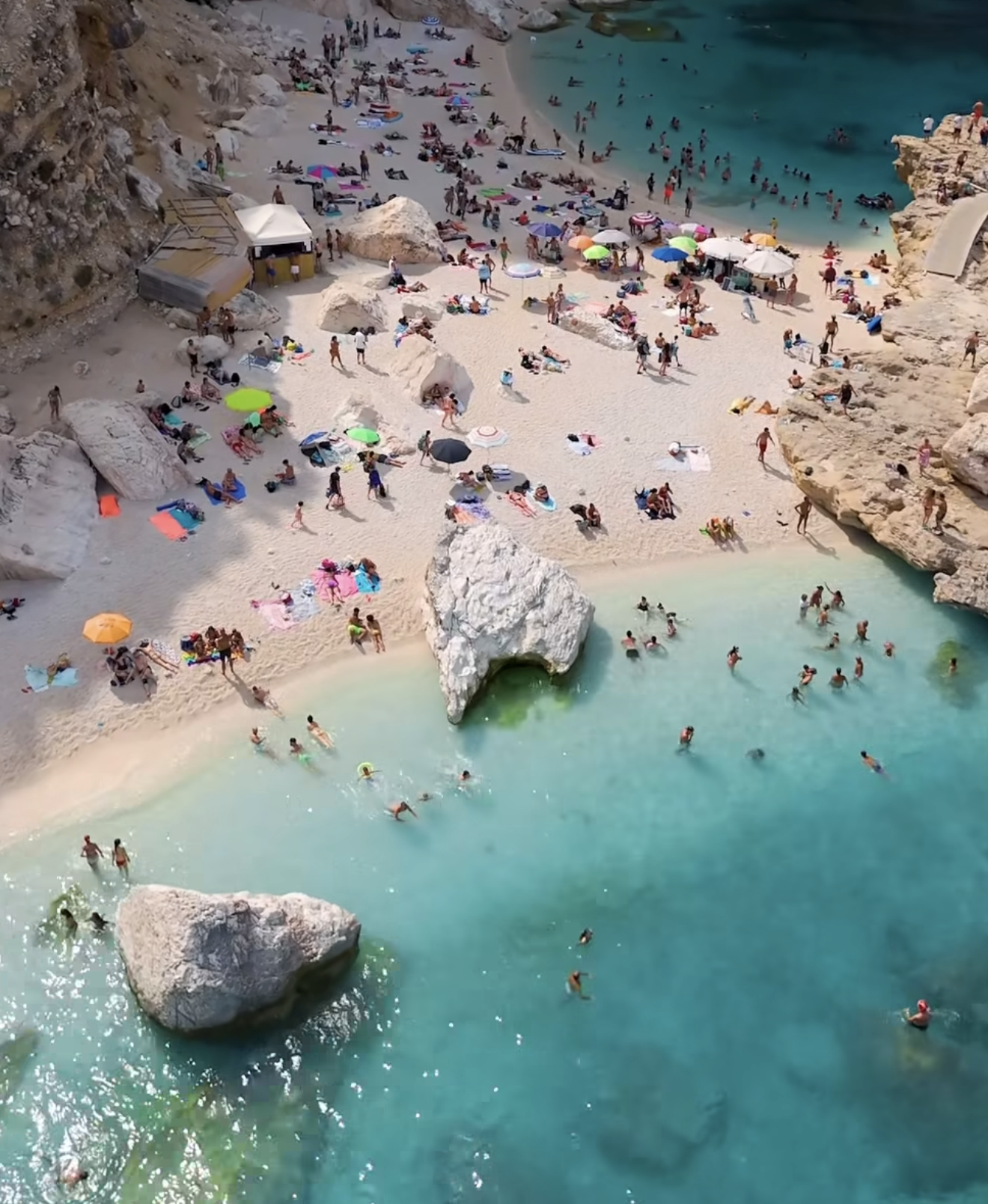
Most visitors arrive by boat from Cala Gonone or Santa Maria Navarrese. Expect to pay around 35 to 45 euros for a return boat trip. There is no road access, so the boat is your only option unless you fancy an extremely demanding coastal hike. Pack snorkelling gear because the underwater visibility here is exceptional. You can see the seabed clearly at ten metres depth.
La Pelosa Stintino, Beautiful but Regulated
La Pelosa near the town of Stintino in the northwest is probably the most photographed beach in Sardinia. It is easy to see why. The water is shallow and impossibly turquoise, with the old watchtower on the tiny island of Isola Piana framing the scene perfectly.
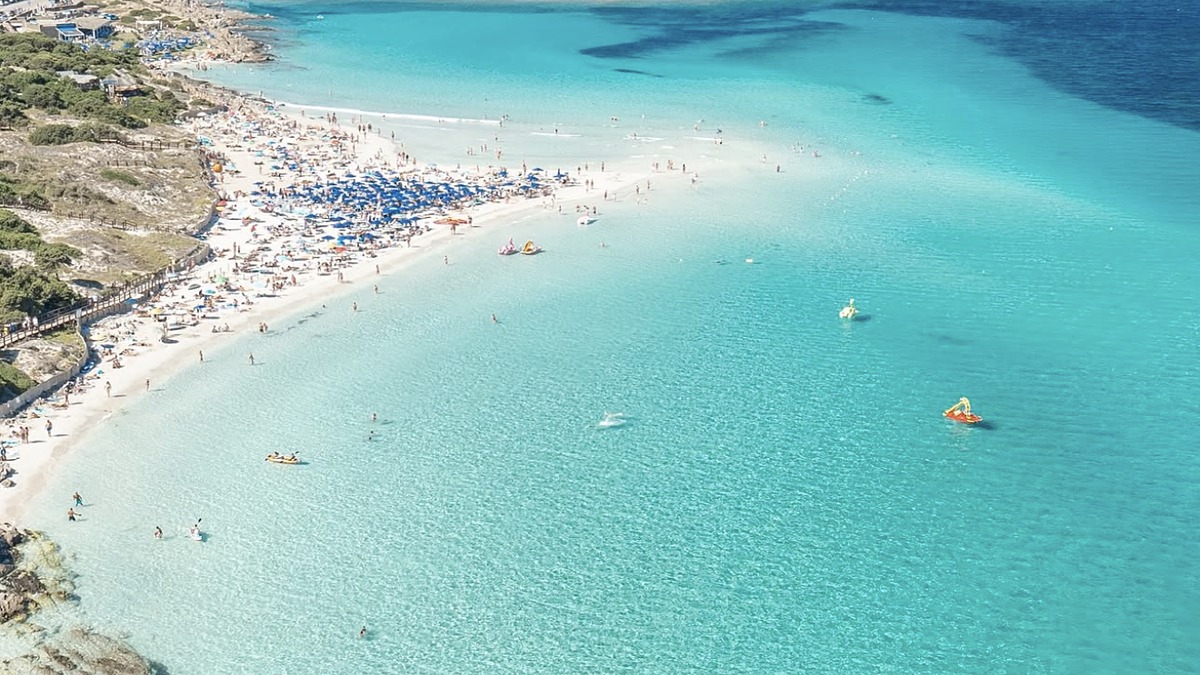
Here is what you need to know for 2026: La Pelosa now has strict visitor limits. You need to book your spot in advance during peak season (June to September), and there is a 3.50 euro entry fee per person. Daily numbers are capped at around 1,500 visitors. This was introduced to protect the beach from erosion, and honestly, it has made the experience better. The sand is no longer trampled by thousands of people.
You also need to use a beach mat rather than a towel, to reduce sand being carried away. Bring reef-safe sunscreen. These rules sound annoying but they keep La Pelosa looking the way it does in those photos.
Spiaggia del Principe, Costa Smeralda Without the Price Tag
The Costa Smeralda is famous for its celebrity-magnet resorts and eye-watering prices. A sunbed at one of the beach clubs can easily run you 80 to 150 euros per day. But Spiaggia del Principe, named after the Aga Khan who developed the Costa Smeralda, is a public beach that gives you the same turquoise water without the resort markup.
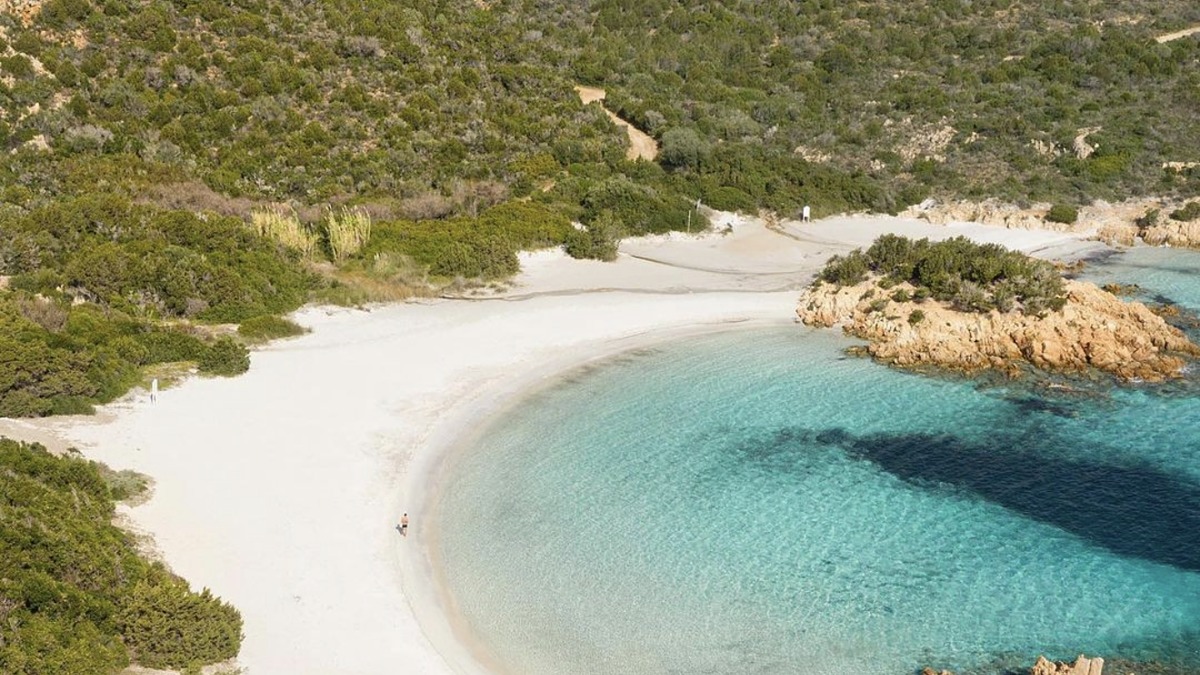
The beach is a crescent of soft sand backed by low scrubby dunes, with granite boulders on either side. The water is sheltered and calm, perfect for swimming. Parking is free but limited, and the walk from the car park takes about ten minutes on a sandy path.
If you want the Costa Smeralda experience without spending a fortune, this is your beach. Just avoid Porto Cervo itself unless you genuinely enjoy watching people spend money.
Cala Luna, a Classic for Good Reason
Cala Luna sits on the Gulf of Orosei between towering cliffs, with caves carved into the rock face at the back of the beach. It has appeared in a few Italian films and has been drawing visitors for decades.
You can reach it by boat from Cala Gonone (about 20 minutes) or hike from the same town along a coastal trail that takes roughly three hours. The hike is beautiful but demanding in summer heat.
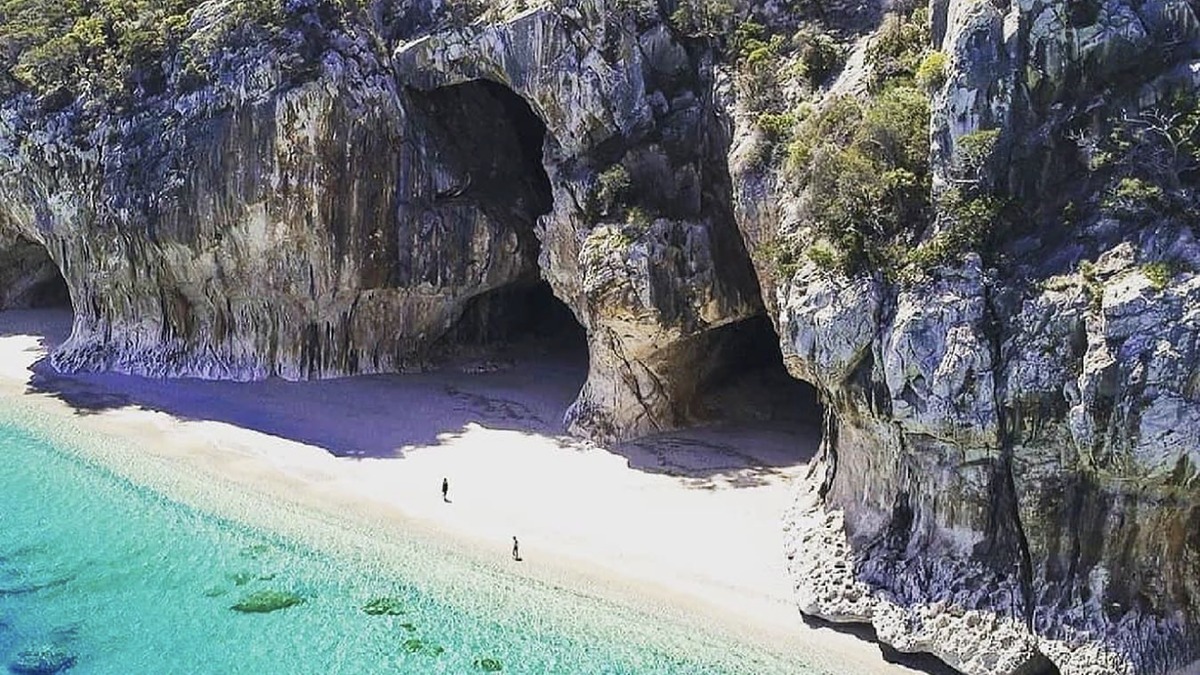
The beach itself is a mix of sand and pebbles, widening as you move toward the caves. It gets busy in July and August because it is one of the more accessible Gulf of Orosei beaches by boat. Visit in June or September and you will have a completely different experience.
Porto Giunco, the Best Beach in Southern Sardinia
Down in the southeast corner, Porto Giunco (also called Spiaggia di Porto Giunco) is a long sweep of white sand between two rocky headlands, with a lagoon behind the beach where flamingos sometimes gather. Yes, flamingos in Sardinia. They are there year-round.
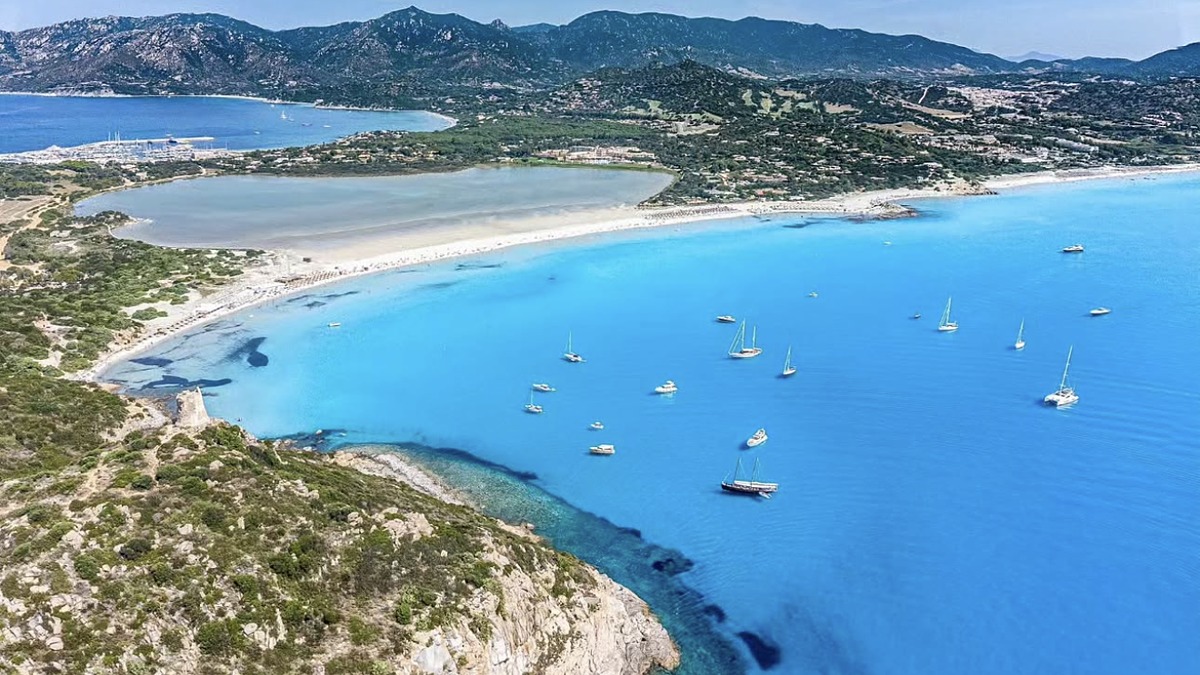
The water is shallow and calm, which makes it one of the best Sardinia beaches for families with young children. You can wade out a good distance before it gets above your waist. The sand is fine and white, and the beach is wide enough that it does not feel cramped even in peak season.
Parking is available nearby and costs around 5 to 8 euros per day in summer. From the car park it is a short walk over the dunes to the beach. This is an easy one to visit compared to the east coast coves.
Is Arutas, the Quartz Grain Beach
Is Arutas on the west coast is unlike any other beach on this list. Instead of regular sand, the beach is covered in tiny grains of quartz in shades of white, pink, and green. It looks like rice grains scattered along the shore. The effect is striking and unusual.
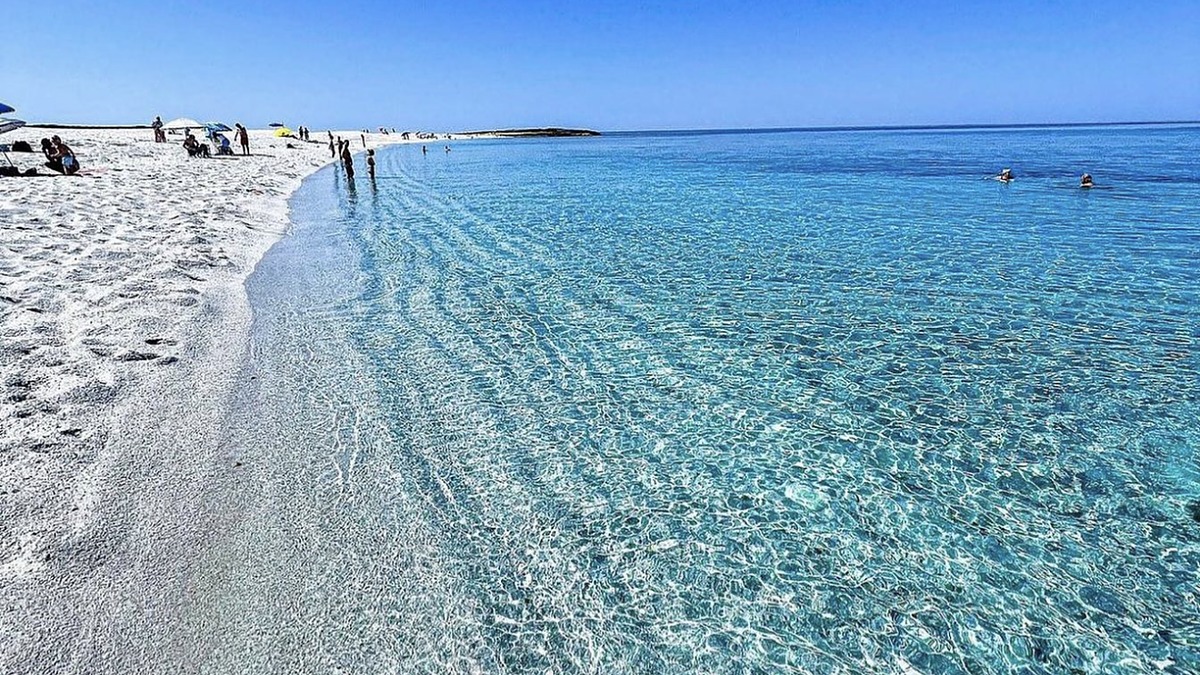
The water here is clear and the beach is backed by low dunes. It is part of the Sinis Peninsula, a protected marine area. Taking quartz grains from the beach is illegal and fines are serious, up to 3,000 euros. People have genuinely been caught and fined at the airport, so leave the pretty pebbles where they are.
Is Arutas is less crowded than the east coast beaches and gives you a completely different feel from the coves and cliffs elsewhere on the island. If you are based near Oristano, it is an easy day trip.
Cala Brandinchi, Sardinia's "Little Tahiti"
Locals call Cala Brandinchi "Piccola Tahiti" and the comparison makes sense when you see the water. It is a sheltered bay on the northeast coast near San Teodoro, with fine white sand and water so clear you can see every ripple on the seabed.
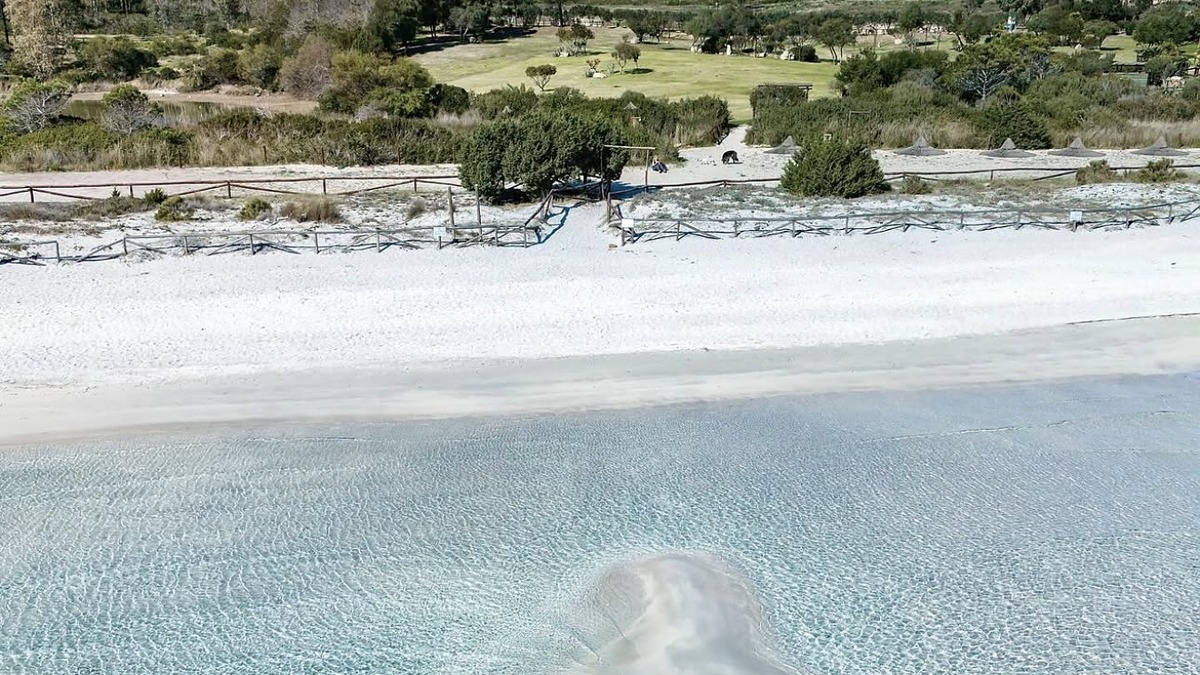
The beach is backed by a shallow lagoon and pine trees, which gives it a tropical feel that is unusual for the Mediterranean. Parking costs around 8 euros in summer and fills up by mid-morning. A short boardwalk leads from the car park through the pines to the beach.
Cala Brandinchi is more accessible than the Gulf of Orosei beaches. You can drive right to it, park, and walk. For that reason it does get busy, but the setting is gorgeous enough to justify the crowds.
Planning Your Sardinia Beach Trip
The best strategy is to base yourself in two or three spots rather than trying to see the whole island from one location. Cala Gonone works well for the Gulf of Orosei beaches on the east coast. Stintino covers the northwest. And Villasimius or Cagliari gives you access to the southern beaches including Porto Giunco.
Late May through mid June and September offer the best balance of warm weather, swimmable water, and manageable crowds. July and August are peak season with higher prices and packed beaches, especially at the more accessible spots.
If you are planning a broader Mediterranean trip, the dramatic cove beaches of Sardinia share a lot in common with spots like Stiniva Beach in Croatia. Both reward you for making the effort to reach them. And if you want more European beach inspiration, check out our guide to the best beach holidays in Europe for a wider selection across the continent.
Sardinia is not a quick weekend destination. It rewards slow travel and early mornings. Get to the beaches before 9 AM, skip the overpriced resort towns, and do not underestimate how much driving you will do. But the water and the coastline? Genuinely world class.