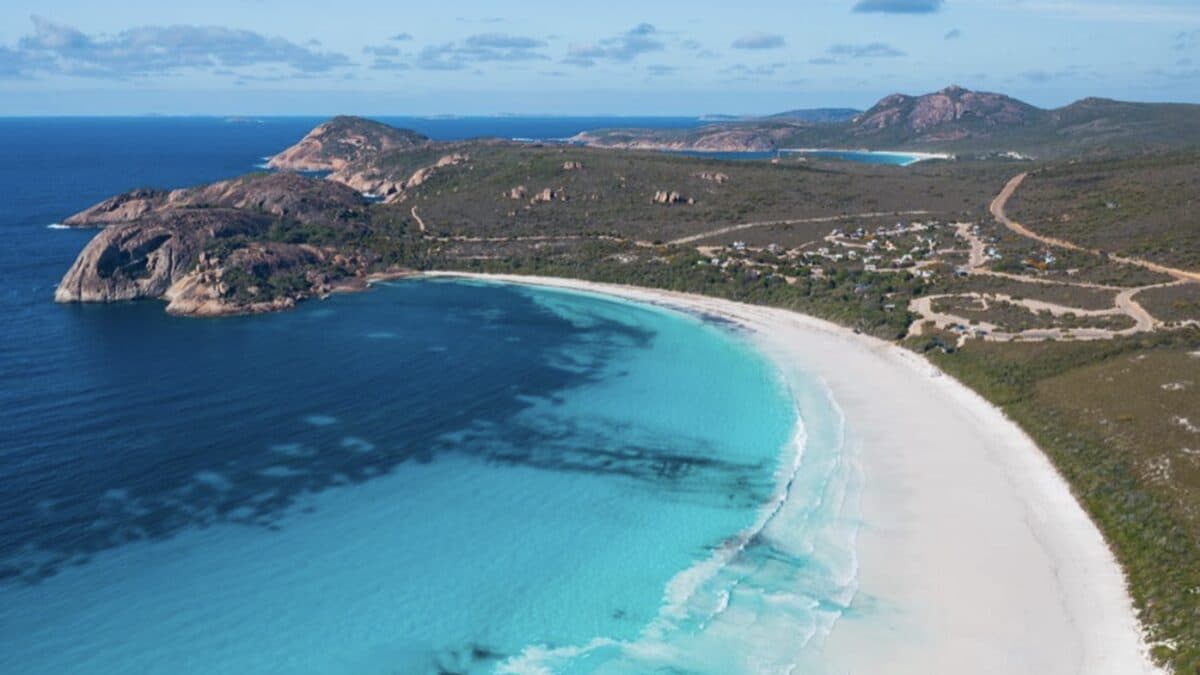
The best beaches in Western Australia aren't clustered in one resort strip. They run the entire length of the state, a single ribbon of white sand stretching from the deep south, where the whitest sand in Australia meets kangaroos on the shore, to the tropical north, where camel trains cross 22km of beach at sunset. So this list of 10 is ranked by what each beach is actually worth driving for. Some are world-ranked yet still empty. Some sit on a reef you snorkel from the sand. The verdict you need isn't which is prettiest, it's which one suits the trip you're taking.
Lucky Bay: Australia's whitest sand and beach kangaroos
This is the postcard beach, and unlike most postcard beaches the reality matches: the sand really does squeak underfoot and stay cool in the heat. Lucky Bay, about 60km east of Esperance in Cape Le Grand National Park, has the whitest sand in Australia, confirmed by scientific testing in 2017 that took samples from the swash zone nationwide and crowned it over New South Wales contenders.
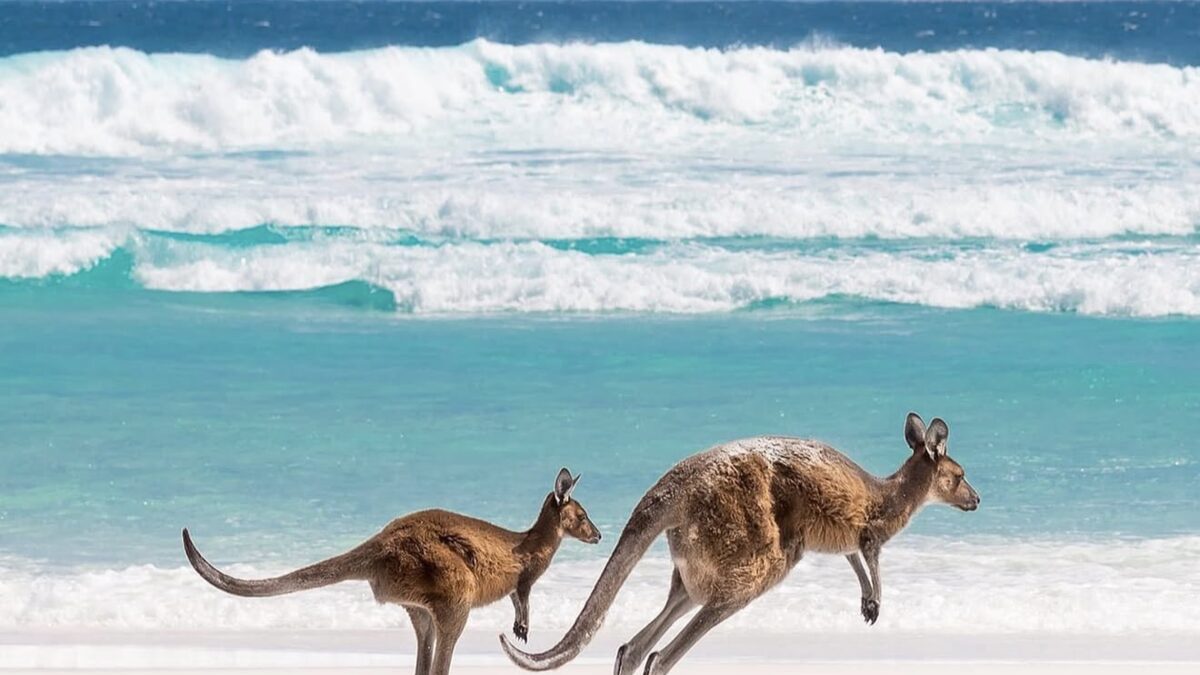
The kangaroos are real, too, though they're not on a schedule. Wild western grey kangaroos lounge on the sand most often at dawn and dusk, since they're largely nocturnal, so a midday visit can miss them entirely. Don't feed them. Human food harms them and changes their behaviour, and rangers are blunt about it.
Lucky Bay was voted the world's best beach in 2023, but it has since dropped off the World's 50 Best Beaches annual list. Former number-one winners get retired into a hall of fame, so it can't defend the title. Park entry is $17 per vehicle, or free with a WA Parks Pass. If you want to stay, the 56-site Lucky Bay Campground charges $20 per adult per night on top of entry, drinking water isn't provided, and you can book up to 180 days out, which you'll want to during summer. For a coast-to-coast comparison, see how Queensland's Whitehaven Beach stacks up against Lucky Bay's white sand, since the two trade the "whitest in Australia" claim back and forth.
Turquoise Bay, Exmouth: the best snorkelling beach in WA
Turquoise Bay is the rare beach where the reef comes to you. It sits in Cape Range National Park, about 60km north-west of Exmouth on Ningaloo Reef, and the famous drift snorkel carries you over live coral that starts just metres off the sand. You walk up the beach, get in, and let the current float you back over the coral to where you started. No boat, no tour, no fee for the marine park itself.
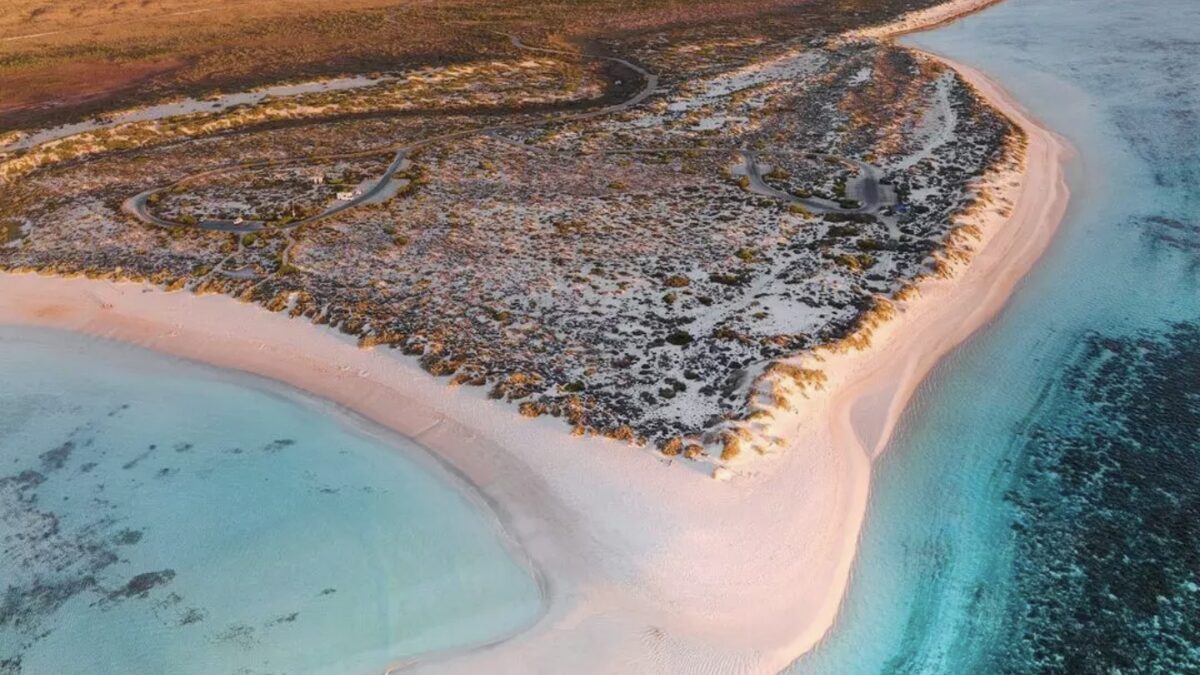
The catch is that this is not a relaxed paddle. Moderate-to-strong currents run through the drift because of a break in the reef further out, so you should only do it at a high tide of 1.2 metres or above, and weak or inexperienced swimmers are told flatly not to attempt it. There's a dangerous current at the southern point of the loop where you must get out before being swept past it, and there are no lifeguards. The official advice is "if in doubt, don't go out," and never snorkel alone.
Time your trip to the marine calendar if the wildlife matters. Whale shark season runs 1 March to 31 July, best around April and May, and humpbacks pass from July to November. Park entry is the standard $17 per vehicle. Getting here is a commitment: Qantas flies Perth to Learmonth, about 36km from Exmouth town, in roughly two hours, and you'll need a car or tour from there to reach the bay.
Cable Beach, Broome: 22km of sand, camels and Indian Ocean sunsets
Cable Beach is 22km of flat white sand on Broome's tropical coast, wide enough that the sunset crowd never feels crowded. The signature image is a camel train silhouetted against a blood-orange Indian Ocean sky. Two operators run the rides, Broome Camel Safaris with blue blankets and Red Sun Camels with red, and the sunset ride is the one people book.
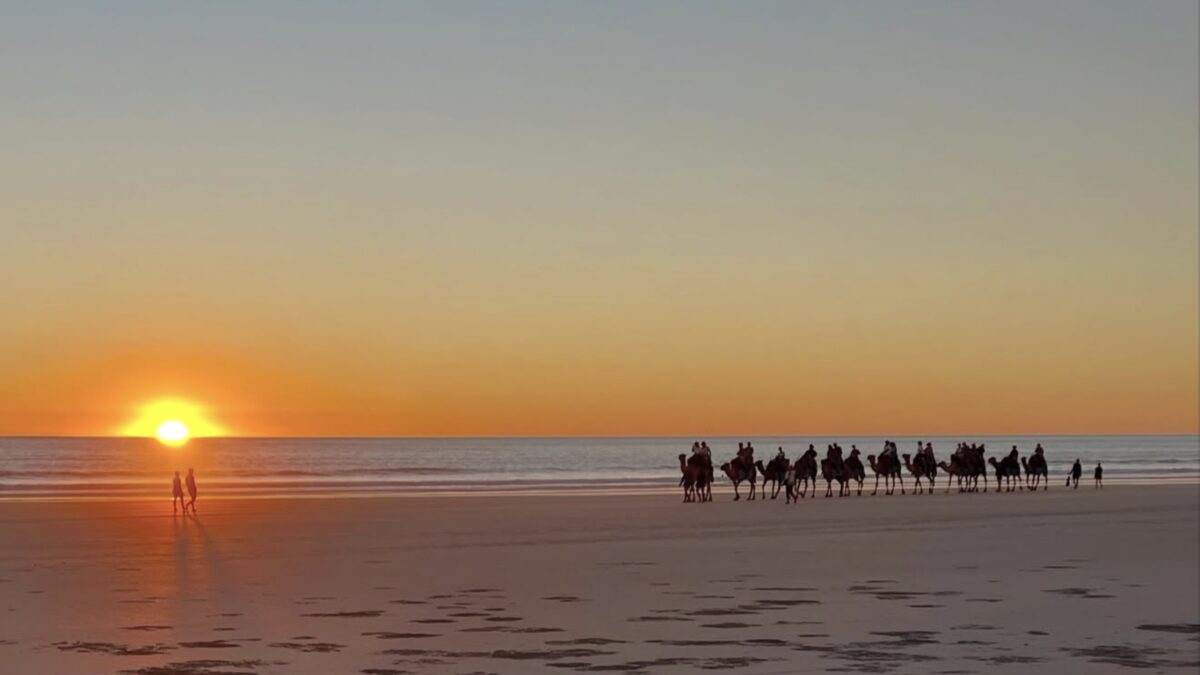
A few current realities to plan around. The 4WD vehicle ramp north of the rocks is closed for the Walmanyjun foreshore redevelopment, with works that began in mid-2025 expected to run into late 2026, so north-of-the-rocks access is pedestrian-only for now and the camels are reached via the Surf Club beach access point. Temporary 4WD beach driving has shifted to Gantheaume Point instead.
The bigger thing is when you swim. Broome has Australia's highest Irukandji sting rate and a long stinger season running roughly November to June, with no stinger nets, only vinegar stations. Swimming isn't recommended in the wet season, and while saltwater crocodile sightings here are rare, they've happened and have triggered temporary closures. Visit in the dry season, roughly May to October, when Cable Beach is patrolled and the risk drops right off.
The best beaches near Esperance, including Wharton and Twilight
Esperance is the white-sand capital, and two beaches outside Lucky Bay earn the drive. Wharton Beach, about an hour east of town in Duke of Orleans Bay, was just named the world's third-best beach for 2026, climbing from 21st the year before, and it still feels like a secret. The sand squeaks, the water is glass-clear turquoise, and dolphins turn up close to shore.
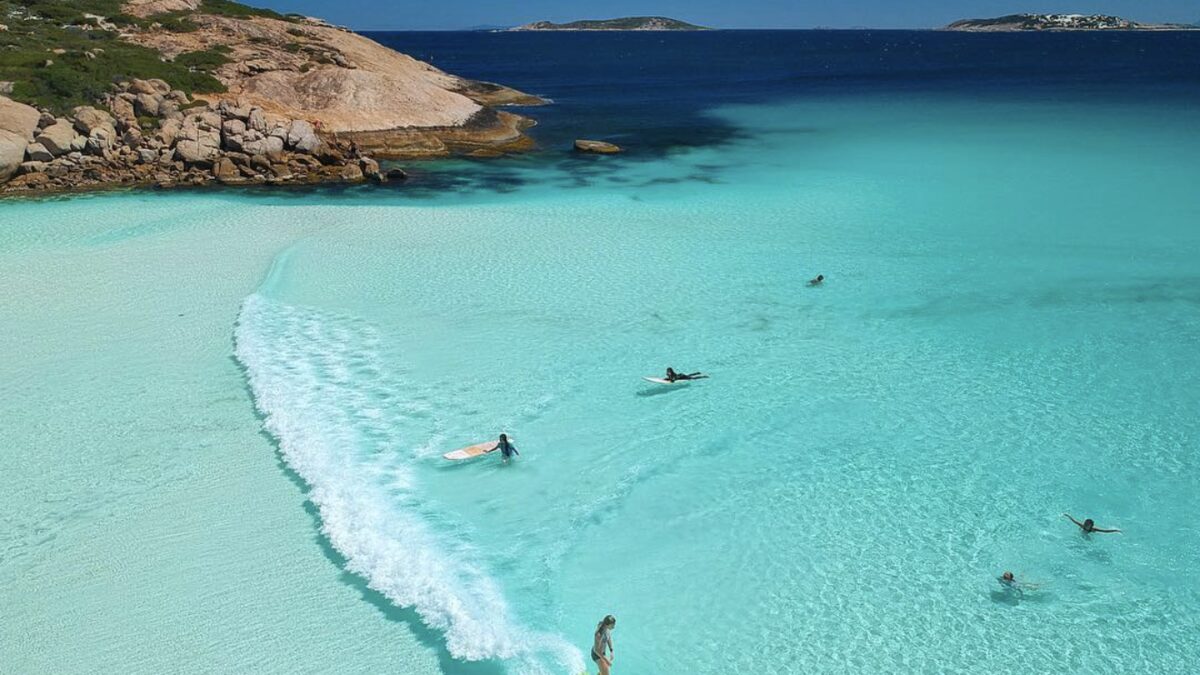
Access is easy for what you get. A 2WD car parks about 40m from the sand, and 4WDs can drive right down to the water's edge. Orleans Bay Caravan Park sits a couple of minutes away and sells fuel, which matters out here. For the full picture, read our Wharton Beach review on the squeaky white sand and turquoise water in Duke of Orleans Bay before you commit to the drive.
Twilight Beach is the easy option, about 7km west of Esperance and roughly a 10-minute drive. It's the town's safest swim, framed by big rounded granite boulders, including an offshore rock people swim out to. The Esperance Goldfields Surf Life Saving Club patrols it on weekends and public holidays from October to April, and there's beachfront parking and toilets, so it's the one to bring kids to.
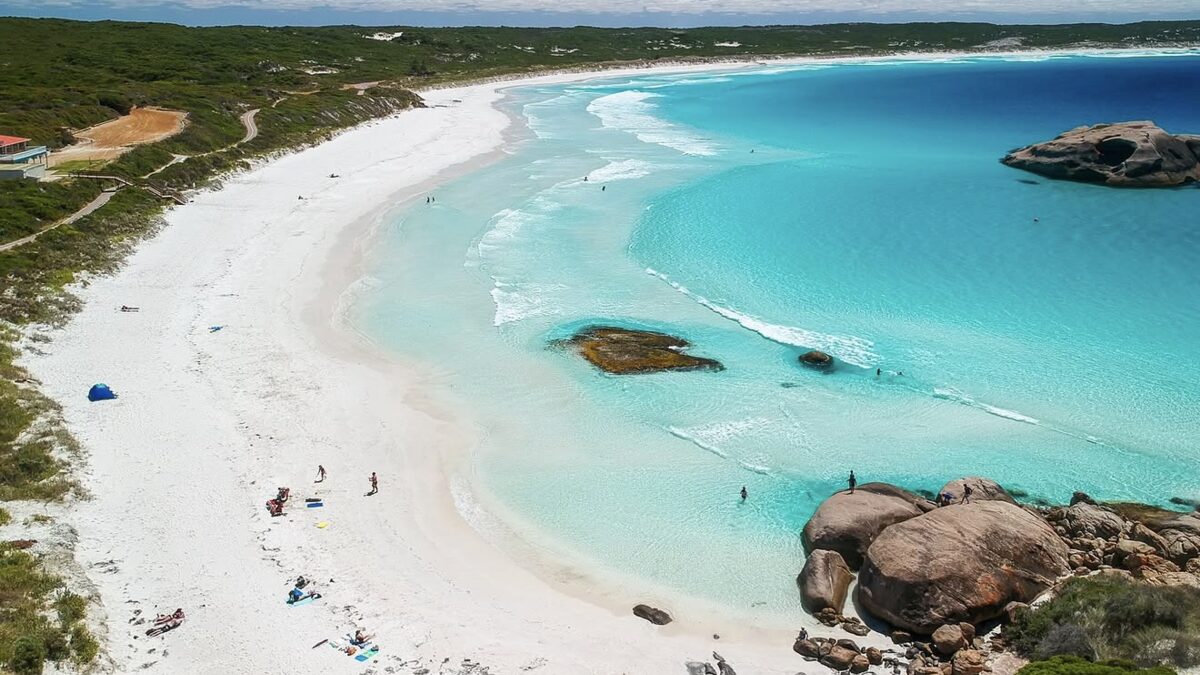
If you can, build a day around Cape Le Grand itself. The whole park coast shares Lucky Bay's white sand, and the sealed road links Le Grand Beach, Thistle Cove and the bay covered next.
Where to find WA's clearest water and safest swimming
For sheer water clarity, Hellfire Bay is the quiet answer. It's a pocket cove in Cape Le Grand, reached by a sealed road off Lucky Bay Road near Frenchman Peak, tucked between granite headlands with calm, glassy turquoise water that rivals anywhere in the state. It's noticeably quieter than its famous neighbour, with a BBQ, picnic benches and accessible toilets, and the same $17 park entry covers it.
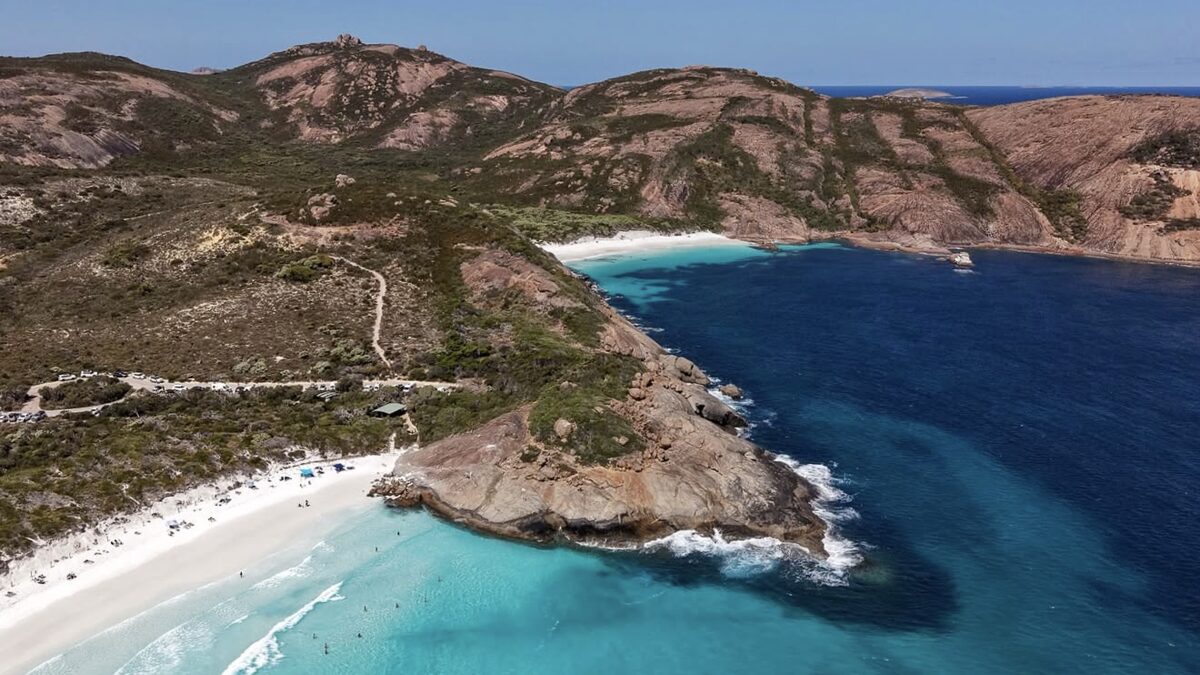
For the safest swim in WA, head to Greens Pool, about 14km west of Denmark in William Bay National Park on the south coast. A wall of giant granite boulders shelters a calm turquoise lagoon, so the water stays flat even when the Southern Ocean is heaving. Park entry is free, and Elephant Rocks is a short walk away.
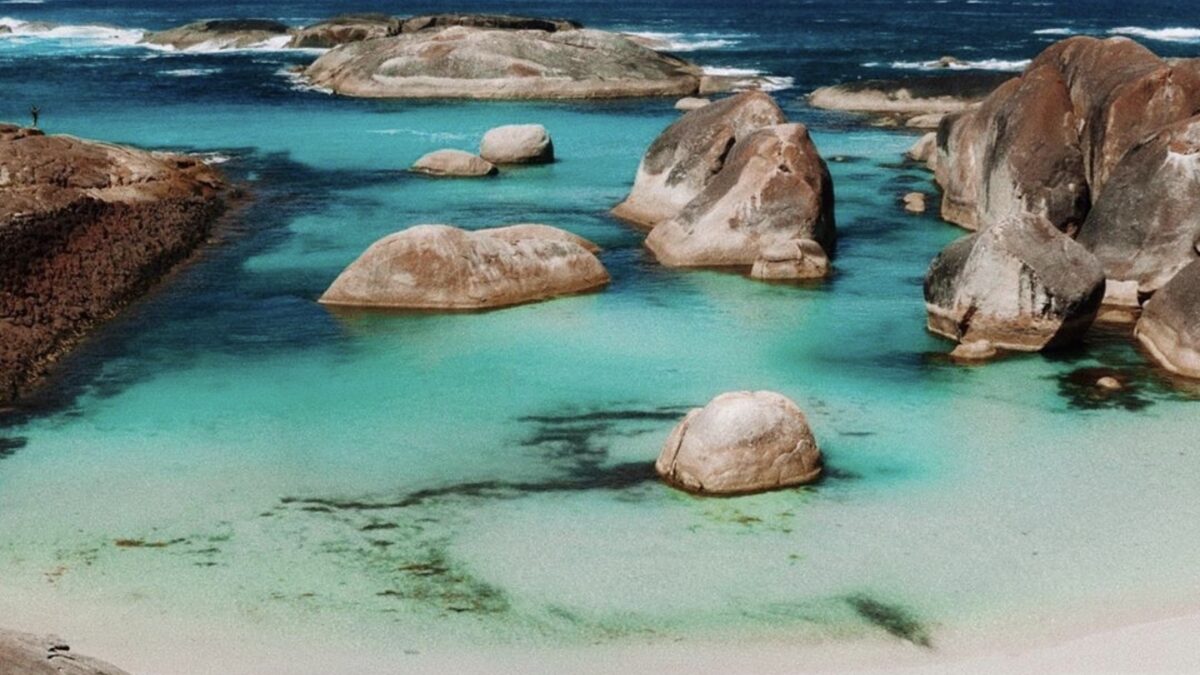
One heads-up: upgrade works on the paths, steps and boardwalks at Greens Pool and Elephant Rocks were due to start around mid-2026. The park stays open during construction, but some paths may be closed with alternative routes, so check the live park alerts before you go.
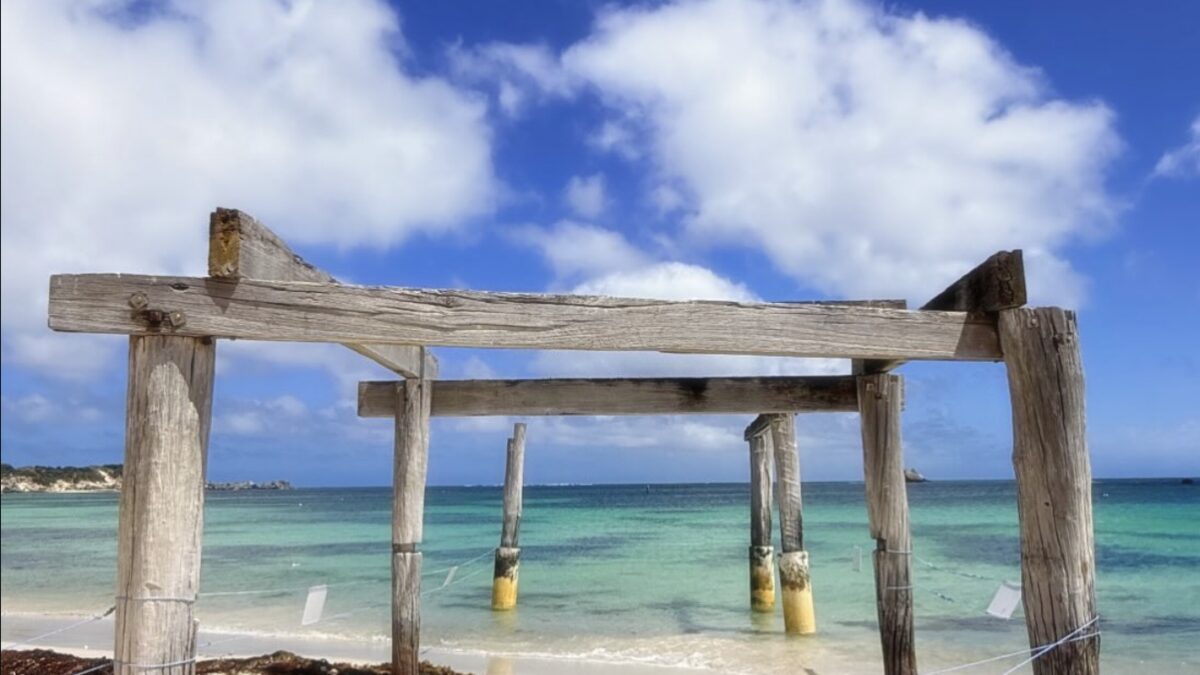
For something stranger, Hamelin Bay in the Margaret River region, near Augusta, is the stingray beach. Large smooth rays glide through the shallows by the old jetty pylons, most reliably in the warmer months from roughly November to April, best on calm clear days. Feeding them is discouraged, parking is free with toilets and showers, and the carpark fills fast over the summer holidays.
Cottesloe and the best beaches near Perth
If you're based in Perth, Cottesloe is the city beach worth your time. You can reach it on the Fremantle train line, with Cottesloe station about 12.4km from Perth and an 11-minute walk (or the free CottCat bus) to the sand. It's backed by grassy terraces, Norfolk pines and the heritage-listed Indiana Teahouse, and surf lifesavers patrol it on weekends and public holidays from roughly October to March or April.
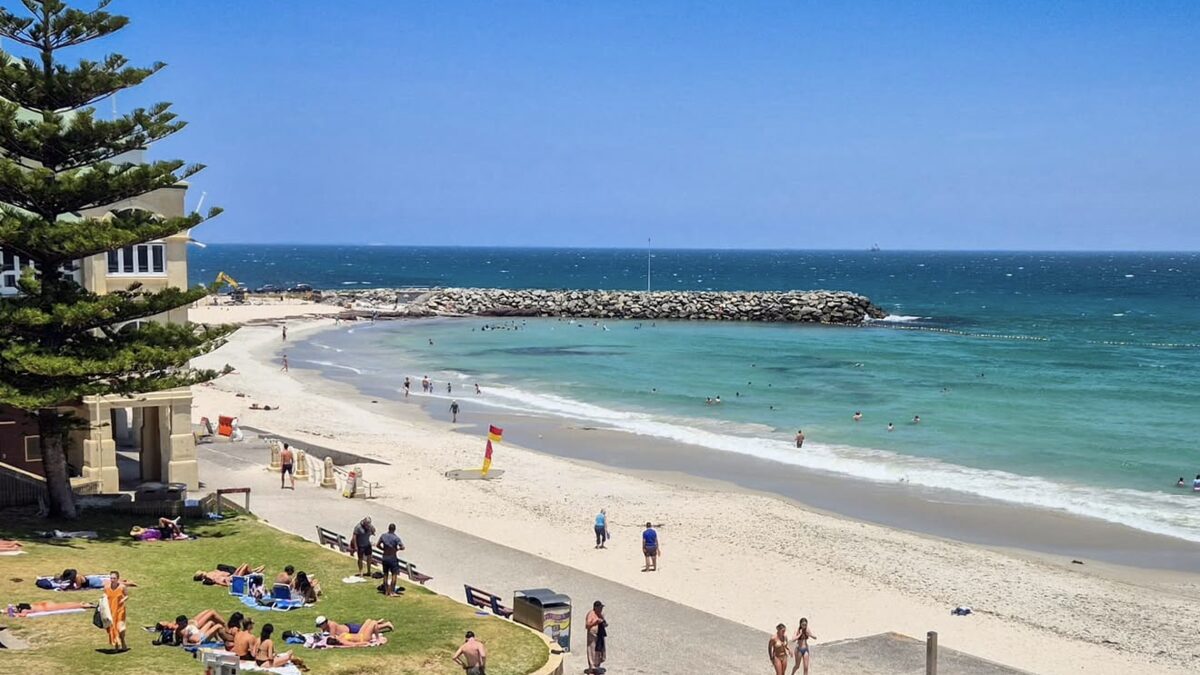
Cottesloe peaks each March, when Sculpture by the Sea lines the beach with around 70 works. The 2026 edition ran 6 to 23 March, its first since 2024, and it's free; if your trip lands in March, expect the one stretch of the year when this sand gets genuinely busy.
The better Perth move is a day on Rottnest Island, the car-free reserve known officially for its 63 beaches and 20 bays, plus more than 10,000 quokkas. Ferries run about 25 to 30 minutes from Fremantle, around 45 from Hillarys and up to 90 from Perth's Barrack Street Jetty, with SeaLink, Rottnest Express and Rottnest Fast Ferries operating.
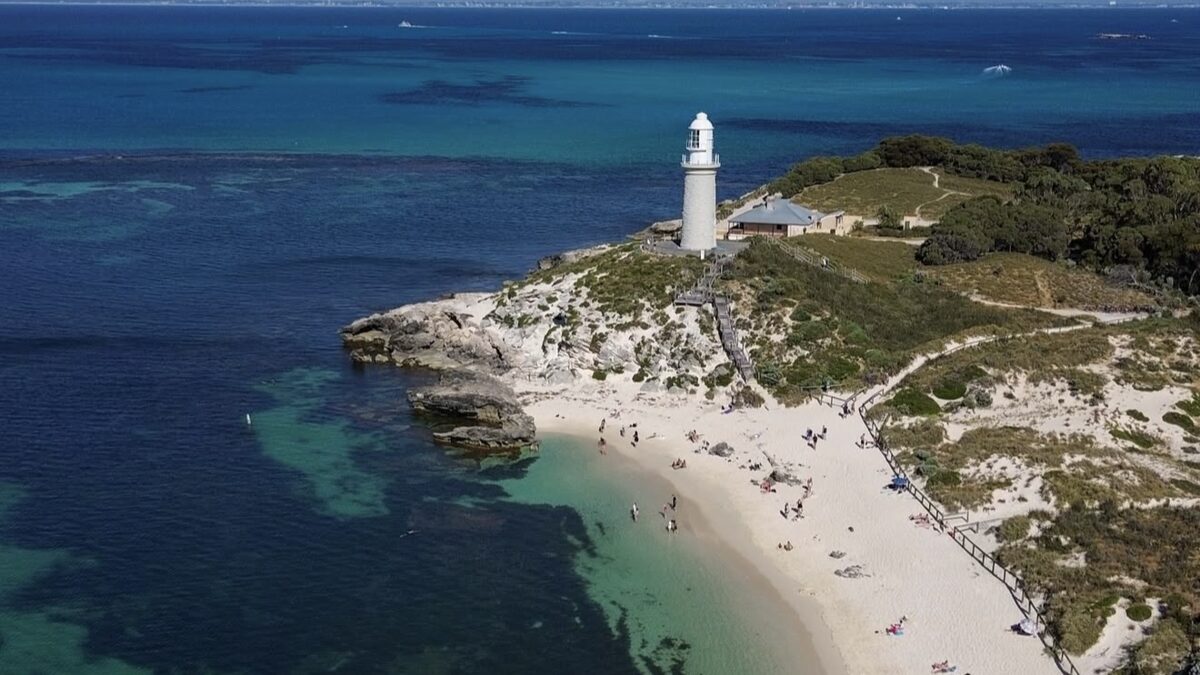
The pick is The Basin, a sheltered snorkelling lagoon you reach by bike from the main settlement. Budget for the costs: every visitor pays a government island admission fee, around $21 per adult same-day as of June 2026, on top of the ferry, which starts from about $49 to $64 return out of Fremantle and rises with demand. New fares typically land on 1 July, so confirm before you book.
When to visit and how to beat the crowds
The single rule for timing WA's coast is that the south and north peak in opposite seasons. The southern beaches around Esperance, Margaret River and Denmark are best from December to March or April, when the ocean is warm enough to swim. The tropical north around Broome and Ningaloo flips that, peaking in the dry season from roughly April or May to October, when the skies clear and stinger and crocodile risk drops to its lowest.
Crowds are rarely the problem they are elsewhere. Even Lucky Bay, a former world number one, is empty by overseas standards, and Wharton at world number three can feel like you have it to yourself on a weekday. The squeeze is on parking and campsites, not sand. Book Lucky Bay Campground up to six months ahead for summer, arrive at Hamelin Bay early over the school holidays, and treat the Esperance whites as dawn and dusk beaches, which is also when the Lucky Bay kangaroos show up.
Distance is the real filter. Esperance is an 8 to 9 hour drive from Perth, or about 95 minutes on a daily Rex flight. Exmouth for Ningaloo is a Qantas flight to Learmonth. Broome is a different trip again, far up the tropical north coast. You won't do all three in one holiday, so the planning question is which coast you're committing to.
Which of the best beaches in Western Australia should you pick?
Pick by the trip, not the photo. For the headline white-sand-and-kangaroos experience, Lucky Bay is the one, with Wharton an easy add and arguably the better beach now that it's ranked world number three. For snorkelling, nothing beats Turquoise Bay's drift over Ningaloo, as long as you're a confident swimmer and you respect the tide and currents.
If you want clear, calm, safe water to actually swim in, Greens Pool near Denmark and Hellfire Bay near Esperance are the standouts, and Twilight Beach is the family-friendly, patrolled option. Short on time from Perth? Cottesloe by train or Rottnest by ferry give you a real WA beach day without the long-haul drive. And if it's the tropical north and that camels-at-sunset image you're chasing, Cable Beach delivers, provided you go in the dry season and check the swimming conditions on the day.
Heading east across the country afterwards? Our Gold Coast beaches guide covers the surf-and-city side of Australia, a completely different flavour to WA's empty white-sand coast.