Hvar is the Croatian island everyone can name. It has the yacht crowd, the nightlife, the lavender fields and the reputation, and it turns up on every list of the country's highlights. So here is the mild surprise: rank Croatia's big islands on their beaches alone, and Hvar does not come out on top. It does not come second either.
We took the six islands most people choose between for a beach trip, Krk, Pag, Hvar, Korcula, Vis and Brac, and ranked them purely on the quality, variety and setting of their beaches. Old towns, ferries, restaurants and nightlife all sat this one out. Here is the order, counting up to the winner.
6. Krk: the convenient one
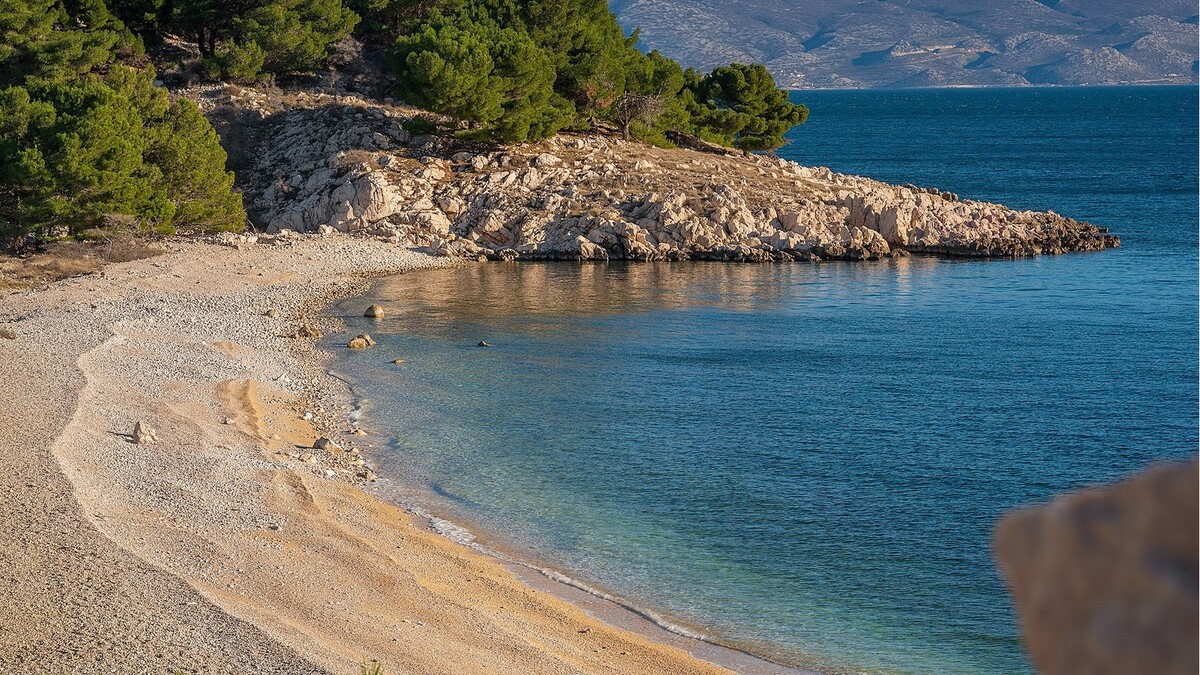
Krk is the most accessible island in Croatia, joined to the mainland by a road bridge near Rijeka, which makes it a lot of people's easy first choice and one of the busier islands in summer. Its beaches are perfectly pleasant rather than special. The headline is the long pebble sweep of Vela Plaza at Baska, backed by bare grey mountains, with gentler family bays around Malinska and Njivice.
There is nothing wrong with a Krk beach day. But for the kind of beach you cross the country to see, it is the weakest of the six. Krk wins on convenience, not on coastline, which is exactly why it sits at the bottom of a list that is only about the sand.
5. Pag: the party, more than the beaches
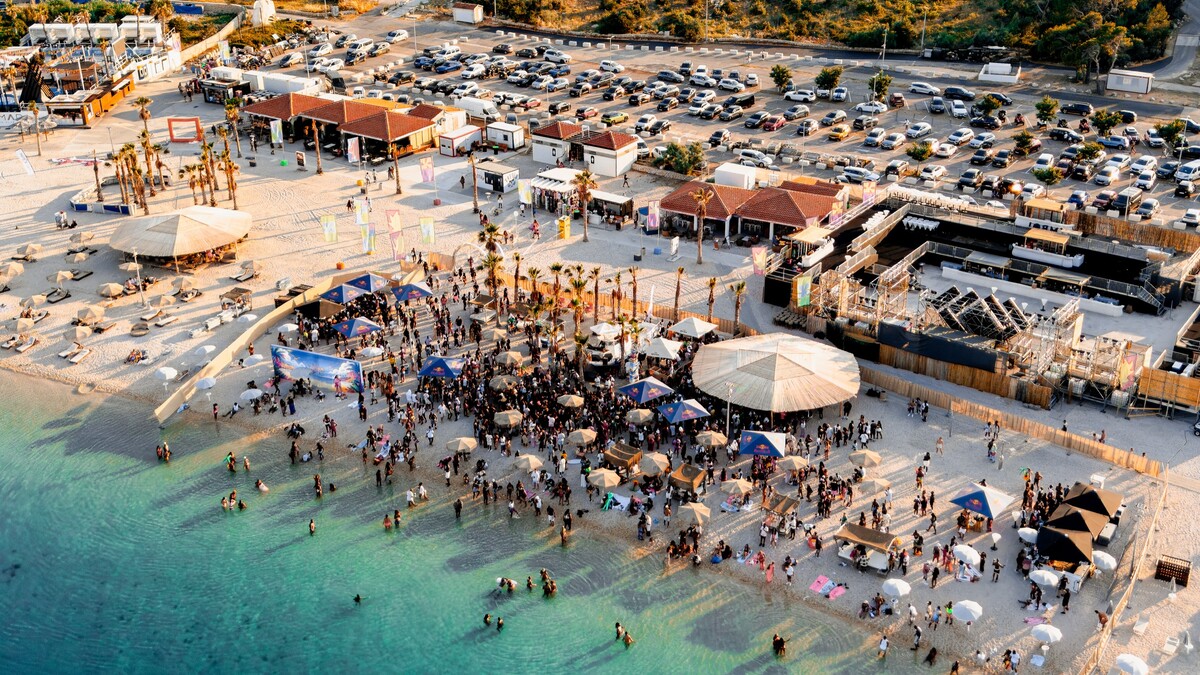
Pag is a lunar island of bare white stone and salt pans, and its fame rests largely on one place: Zrce beach near Novalja, Croatia's answer to Ibiza, a pebble strip lined with open-air clubs that run day and night through the summer.
Look past the party and Pag does have dramatic coastline, like the wild coves of Rucica and Beritnica beneath moon-like cliffs, which reward the rough drive to reach them. But most people come to Pag for the nightlife and the strange landscape rather than for a classic beach day, and judged on beaches alone that puts it fifth.
4. Hvar: famous, just not for its sand
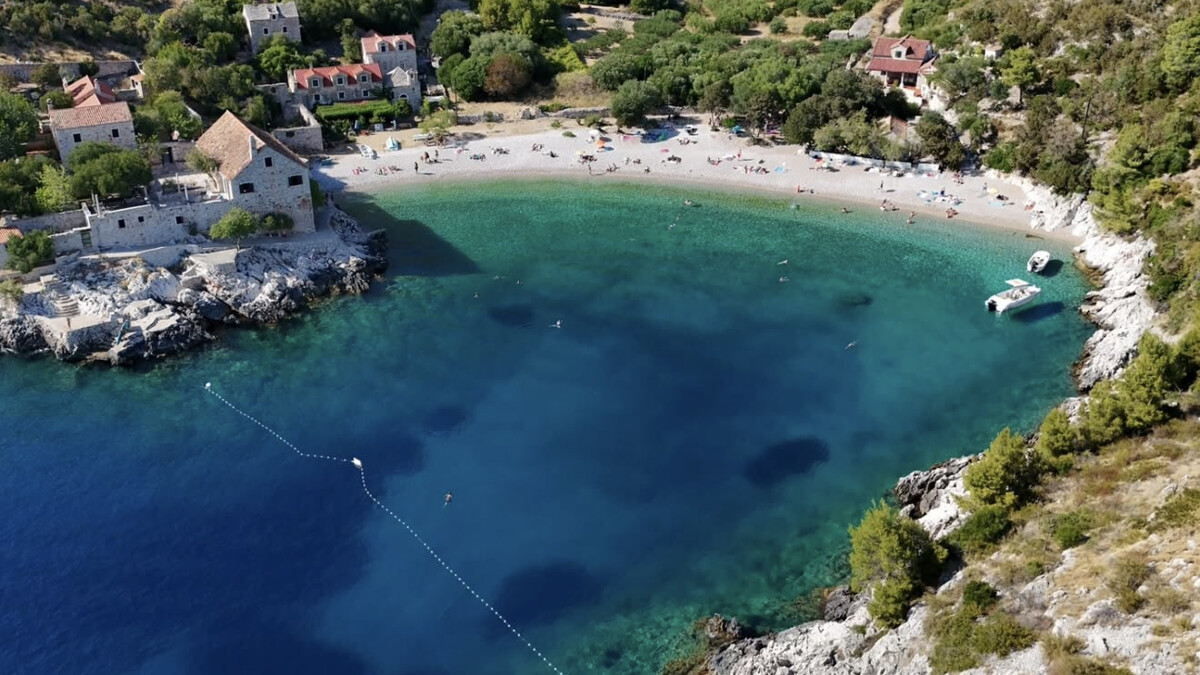
Here is where the famous name lands, and it is lower than you would guess. Hvar is a wonderful island, but its own beaches are the least of its charms. The beaches near Hvar Town are pebbly and get very crowded in season, and the prettiest of them, Dubovica, is a single small pebble bay at the bottom of a steep path.
The genuinely brilliant beaches near Hvar are not on Hvar at all. They are the Pakleni Islands, the little archipelago strung just off Hvar Town, where Palmizana, Stipanska and a scatter of hidden coves sit a short taxi-boat ride away. Hvar earns its fame on glamour, nightlife and one of the finest old towns in the Adriatic. As a pure beach island, the three quieter neighbours above it simply have better sand and water.
3. Korcula: the one with actual sand
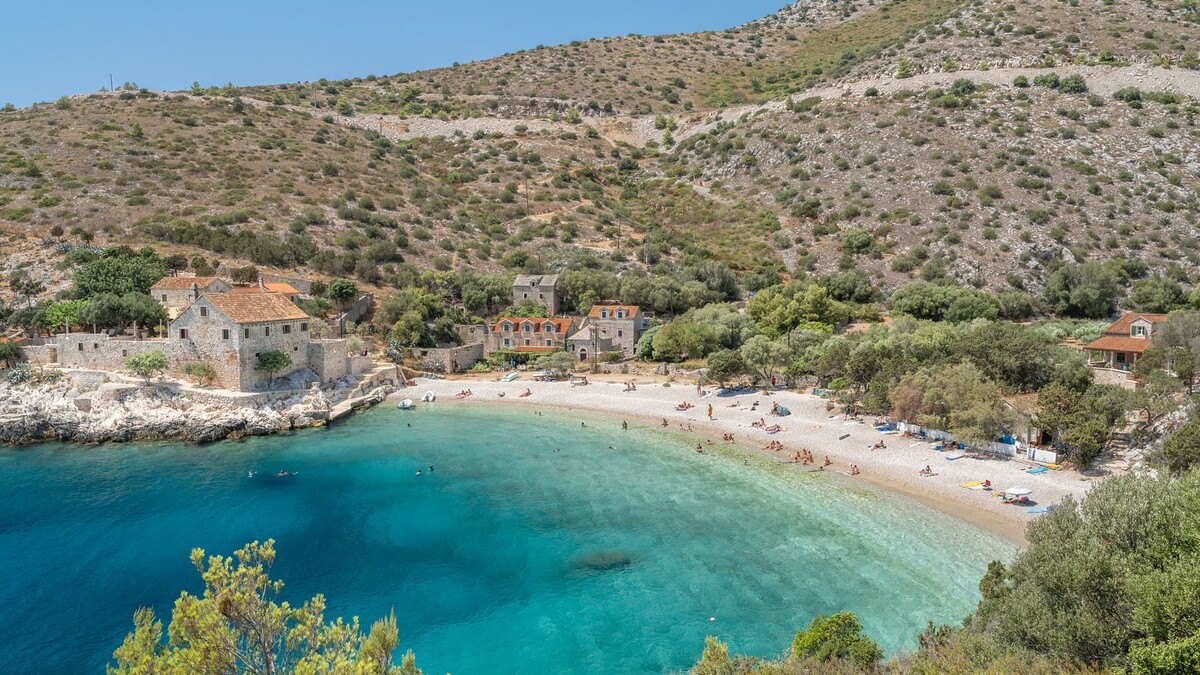
Korcula plays a card almost no Croatian island holds: real sand. Around Lumbarda at the eastern tip, Vela Przina and Przina are proper soft-sand beaches, a rarity on a coast built of pebble and rock, and shallow and gentle enough for young children. Elsewhere the island tucks pebble coves into pine forest, like Pupnatska Luka on the wild south side, and just offshore the little island of Proizd has water often named among the clearest on the whole Adriatic.
Add a walled old town that plays like Dubrovnik in miniature, and Korcula is a serious beach island that quietly outperforms its reputation. If sand matters to your trip, it may be the one to beat.
2. Vis: the clear-water escape
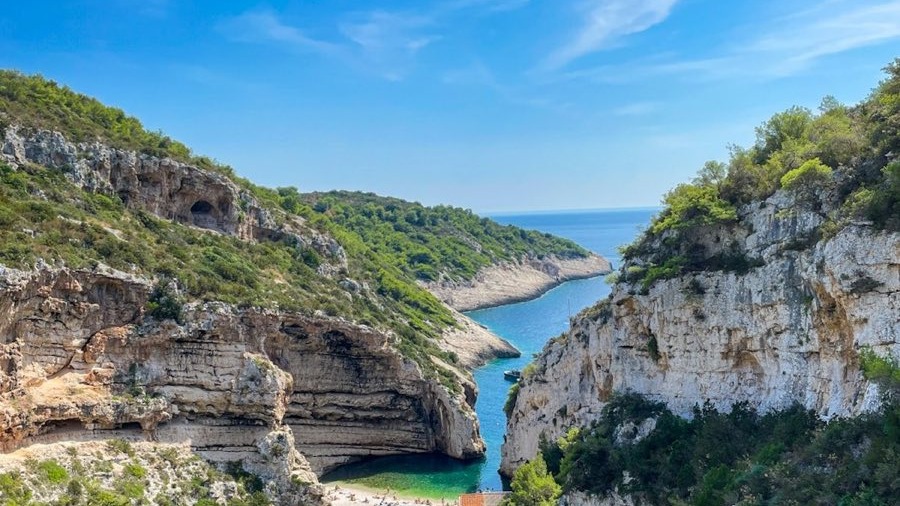
Vis was a closed military base, off limits to foreign visitors until 1989, and it still feels like the least developed of the big islands. That is the whole appeal. The water here is about as clear as the Adriatic gets, and the beaches have a wild, end-of-the-road quality you do not find on the busier islands closer to Split.
The star is Stiniva, a near-enclosed cove reached down a steep scramble of a path or by boat, its pebble beach hidden behind two cliff walls that almost meet at the water, once voted the best beach in Europe. Srebrna and Stoncica add more clear, calm swimming nearby. If unspoilt water matters to you more than easy access, Vis has a real claim to the top spot. It comes second only because one island holds the single most famous beach in the country.
1. Brac: the island of the golden horn
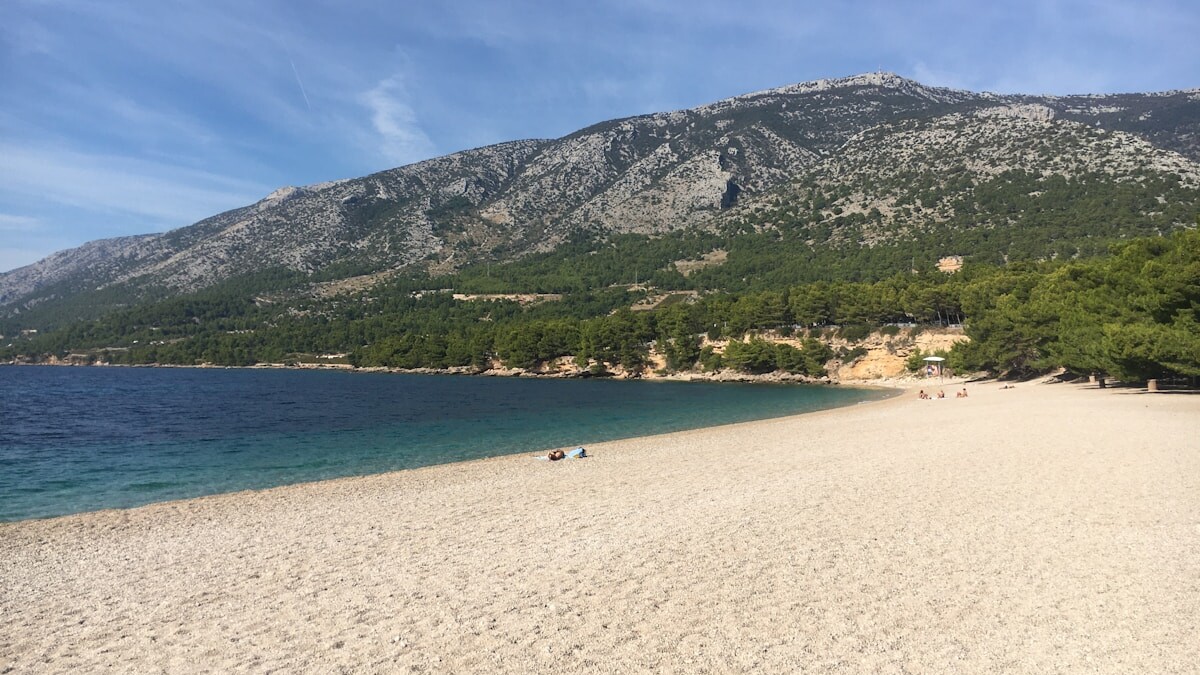
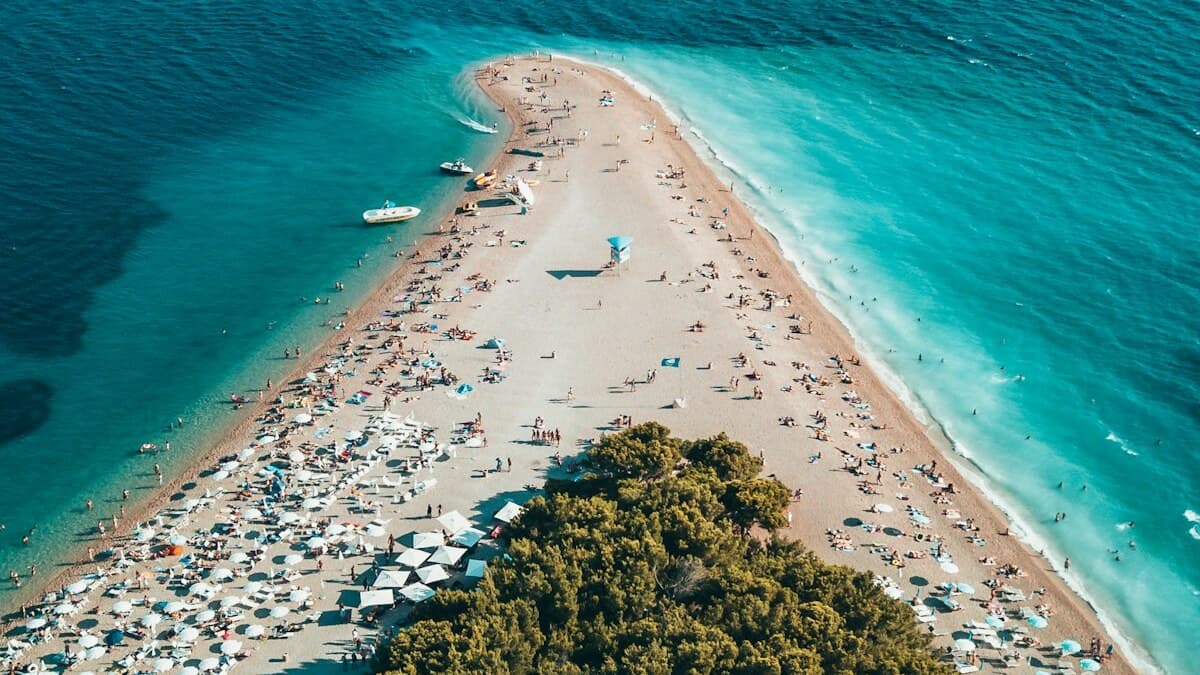
Brac takes it, on the strength of a beach that has come to stand for the entire Croatian coast. Zlatni Rat, the golden horn near Bol, is a triangular pebble spit that reaches out into the channel and physically changes shape as the wind and current swing its tip from one side to the other. It is the most photographed beach in Croatia and one of the most recognisable in Europe.
Brac is not a one-beach island, though, and that is what seals it. The coast around Bol runs on into a long line of pebble beaches and pine-shaded coves, backed by the highest peak of any Adriatic island, and it is a quick ferry from Split. For sheer beach quality, variety, and that one world-class centrepiece, Brac is the island to beat.
How we ranked them, and the honest caveat
This is a ranking of beaches, and only beaches. Bring nightlife, restaurants, old towns and ferry links into it and the table shifts: Hvar jumps up it, Krk's easy access counts for a lot with young children, and Pag's Zrce becomes a headline rather than a footnote.
For where these islands sit against the mainland and the rest of the country, our best beaches in Croatia guide has the wider picture, and the best beaches in Split guide covers the port that most of these ferries leave from.
The verdict
Hvar has the fame, but on beaches it comes fourth, beaten by Korcula's rare sand, Vis's clear water and Brac's golden horn. Choose a Croatian island for the beaches above all else and the answer is Brac for the headline, Vis for the cleanest water, or Korcula if you want the children on actual sand. Save Hvar for the night out and the old town, which is what it does best anyway.