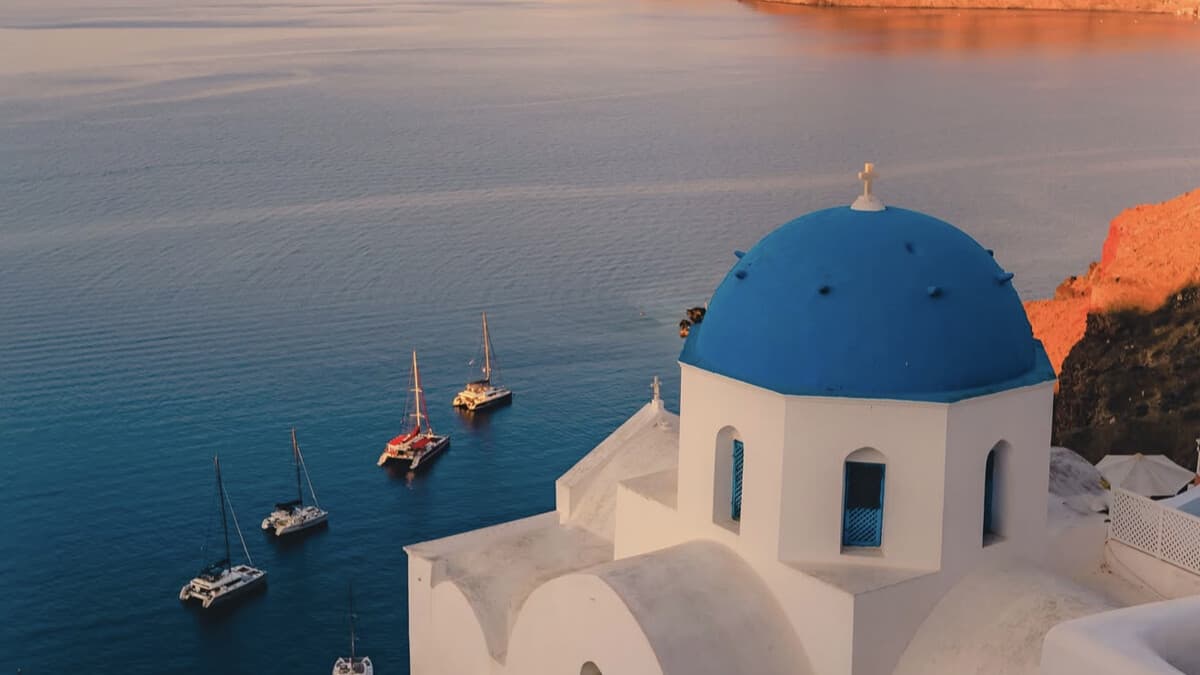
In late June 2026, Santorini did something no Greek island has done before: it cancelled every cruise call in a single day. The island's tour bus operators went on strike over a new port rule, MSC Sinfonia and Norwegian Pearl scrapped their visits, Celebrity Ascent pushed its call back a day, and local business groups counted the cost of that one quiet Monday at around 425,000 euros.
It was the loudest moment yet in a squeeze that has been tightening for two seasons. Santorini now caps cruise arrivals at 8,000 passengers a day, allocated ship by ship through a booking system, and for 2026 the maths got stricter: scheduled calls are down about 18 percent, 595 ships against last year's 728. Peak-season cruise passengers pay a €20-a-head fee to step ashore. And the new "70-30" rule, which pushes seventy percent of arrivals through the Old Port below Fira, where the only ways up are 588 steps, a donkey or a cable car shifting about 1,200 people an hour, is what finally tipped the island's own operators into revolt.
None of this makes Santorini a bad place. It makes it a managed, metered, occasionally gridlocked place, and it sharpens a question more travellers should ask: what is it you actually want from a Greek island? If the answer involves swimming, sand and space, Santorini was never the right island anyway, its beaches are dark volcanic pebble and beside the point. Here are six islands that do 2026 better, each for a different kind of trip.
Kefalonia: the beach upgrade
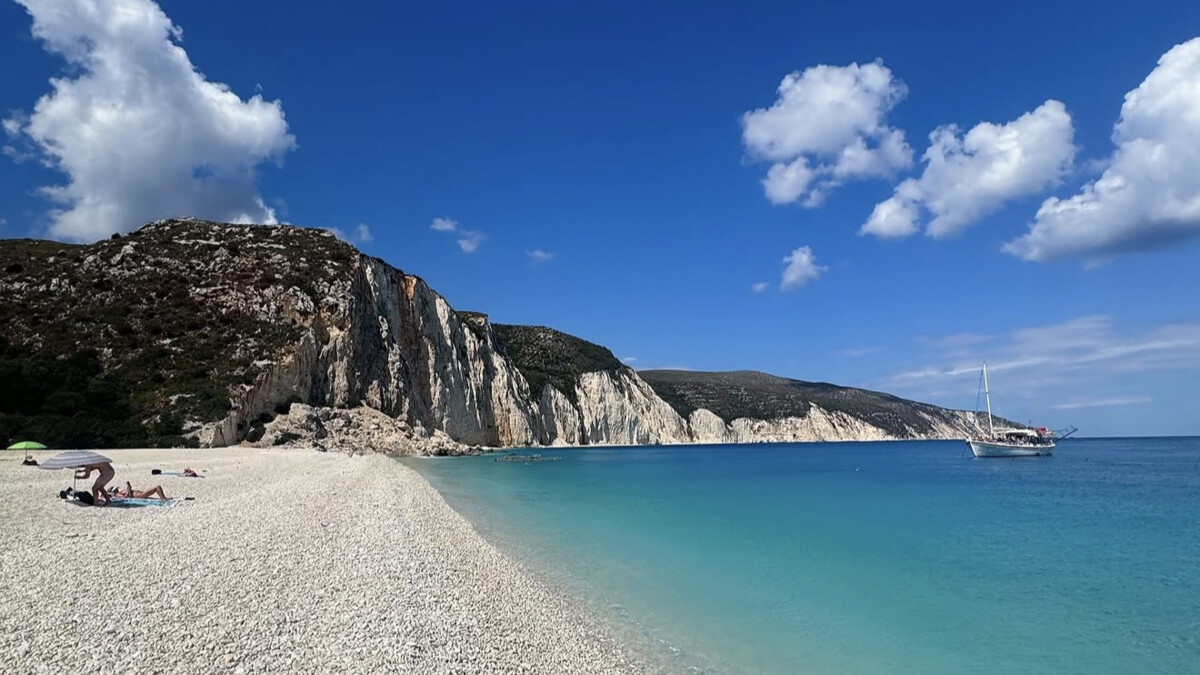
If beaches are the point, this is the swap. Kefalonia's Fteri Beach was named the second-best beach in the world for 2026, a wild white-pebble cove reached by water taxi from Zola or a steep hike, and Myrtos, the island's famous amphitheatre of white pebbles and electric-blue water, would headline most islands on its own. Cruise traffic at Argostoli is a fraction of Santorini's, and the beaches that matter are scattered around a big, green, mountainous island that soaks up its visitors. Our best beaches in Kefalonia guide maps the full coast.
Corfu: the all-rounder
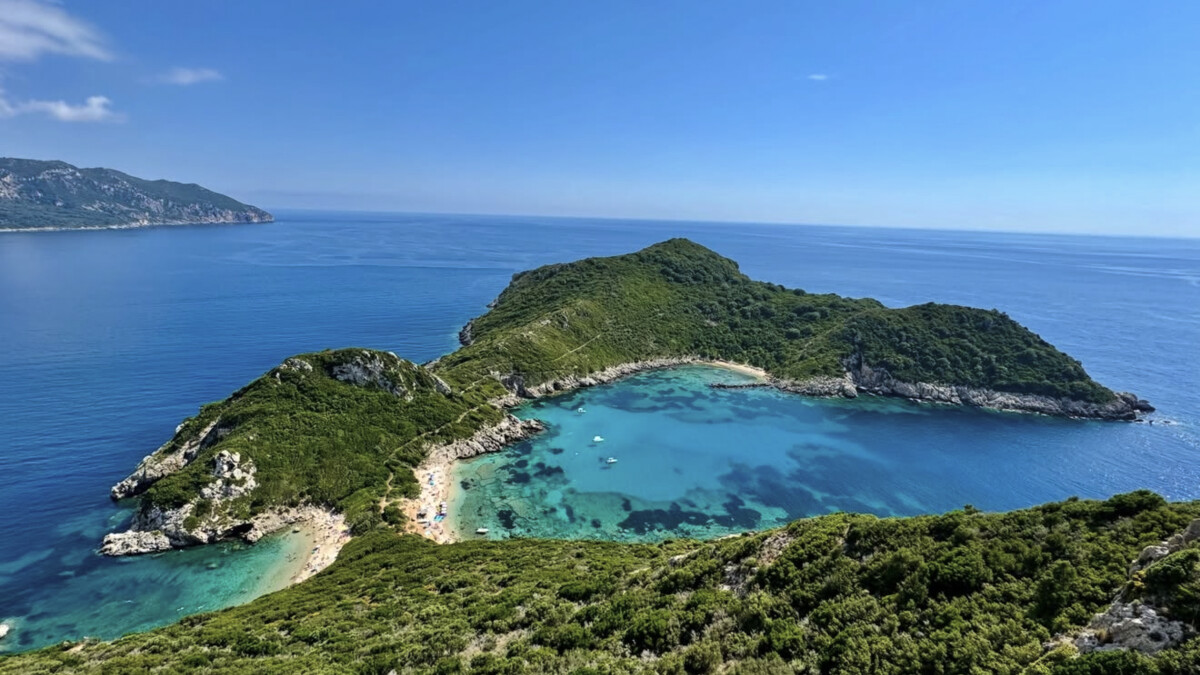
Be honest about Corfu: its old town hosts one of Greece's busiest cruise ports. The difference from Santorini is geography. The ships empty into one historic town on the east coast, and the island's best swimming, the twin bays of Porto Timoni, which made the 2026 World's 50 Best list, and the hike-in cove at Rovinia, sits on the west coast, a mountain range and an hour's drive away. You can spend a week in Corfu's northwest and never see a tender boat. Venetian lanes, green hills, and a proper food culture round it out; our best beaches in Corfu guide picks the coast apart.
Naxos: the Cyclades, but with beaches
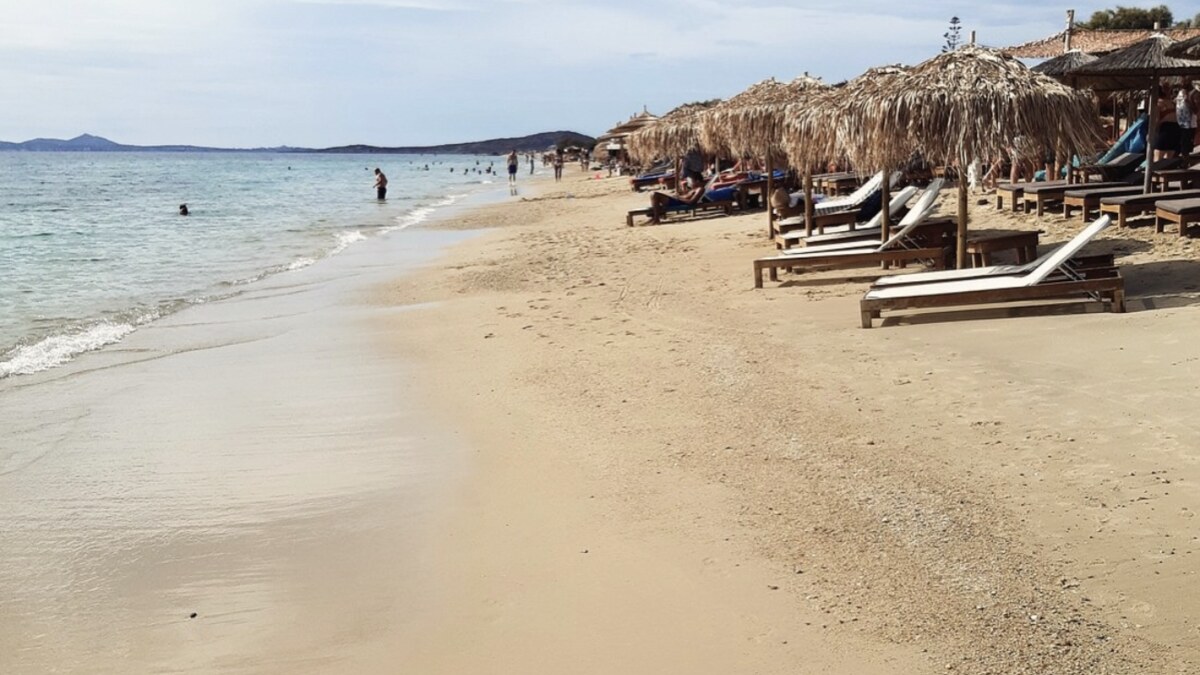
If what you love about Santorini is the Cycladic look, white villages, blue domes, island-hopping ferries, but you want to actually swim, Naxos is the answer. It is the honest beach island of the Cyclades: Plaka and Agios Prokopios run for kilometres of soft, pale sand that stays uncrowded simply because there is so much of it, and the water is clear and shallow enough for children. Cruise ships are a rarity; this is a ferry island with a working farming interior, a portara sunset that costs nothing, and food, the potatoes and graviera are genuinely famous, that beats anything on the caldera. The meltemi wind blows here too in high summer, so the west-coast beaches, sheltered by the island's bulk, are the ones to base on.
Paros: the island-hopper's base
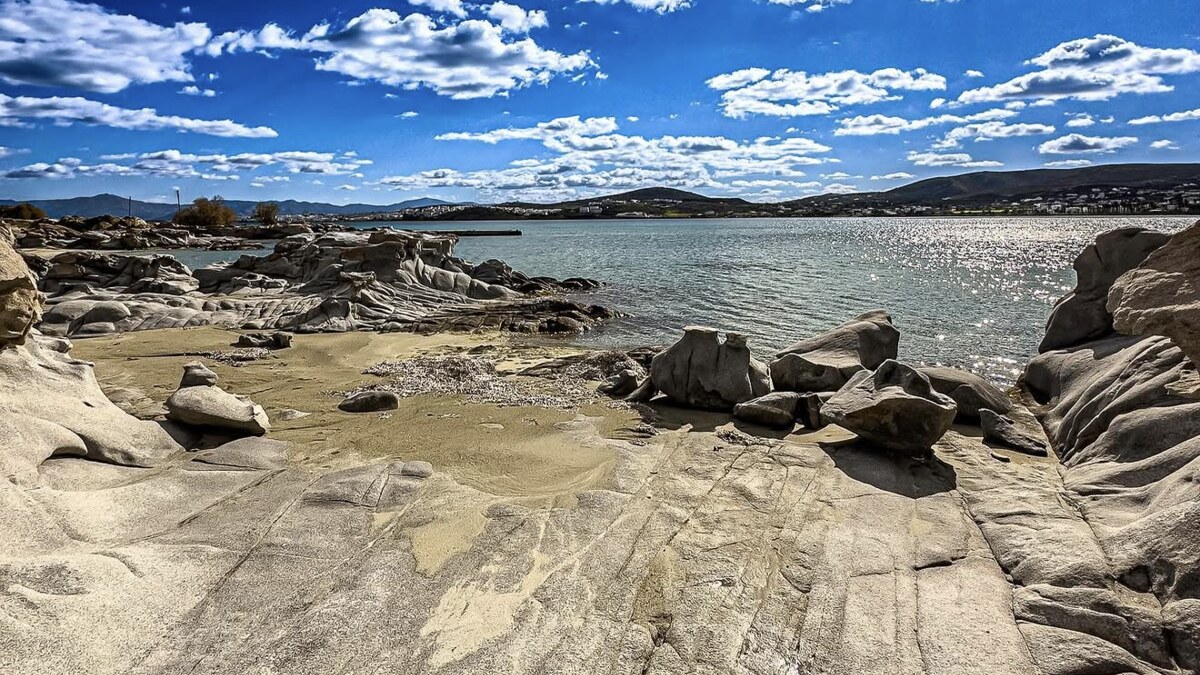
Paros is what Santorini's ferry timetable wishes it were: the crossroads of the Cyclades, with quick boats in every direction, and a real island attached. Naoussa has the whitewashed-harbour charm the postcards promise, and around its bay at Kolymbithres the beaches come tucked between smooth granite boulders sculpted by the wind, small sandy coves rather than one long strand. It suits a trip that mixes two or three islands: base here, day-hop to Naxos or Antiparos, and keep the villages-and-harbours atmosphere without Santorini's crowd management. Like Naxos it is a ferry island first; cruise calls are occasional and small.
Milos: the spectacle
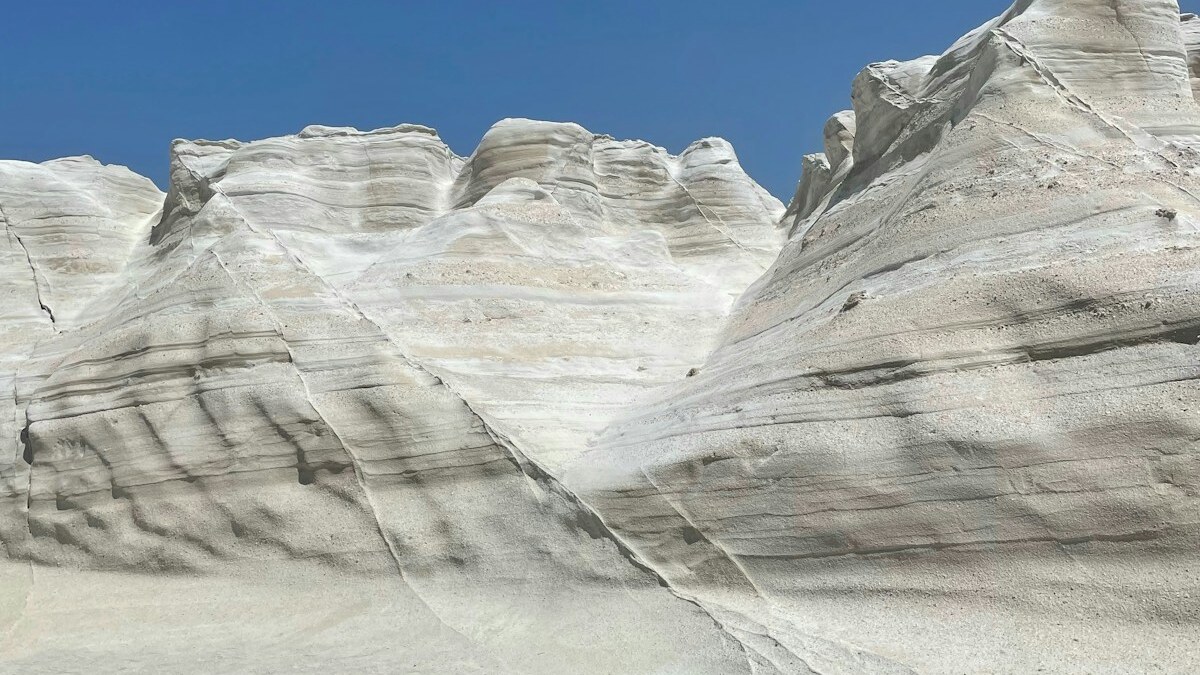
Milos is the island for the Santorini instinct, the hunger for coastline that does not look real, without the cruise machinery. Its volcanic shore runs through white moonscape rock at Sarakiniko, striped cliffs, sea caves and fishing villages with boathouses cut into the stone. Be straight about what it is: Sarakiniko is a place to marvel at and leap from more than a beach for a lazy day on a towel, and the island's best swimming spots are coves you reach by boat trip or dusty track. But for drama per mile of coast, nothing in the Cyclades touches it, and its harbour sees ferries and the occasional small ship, not floating resorts.
Rhodes: the easy holiday
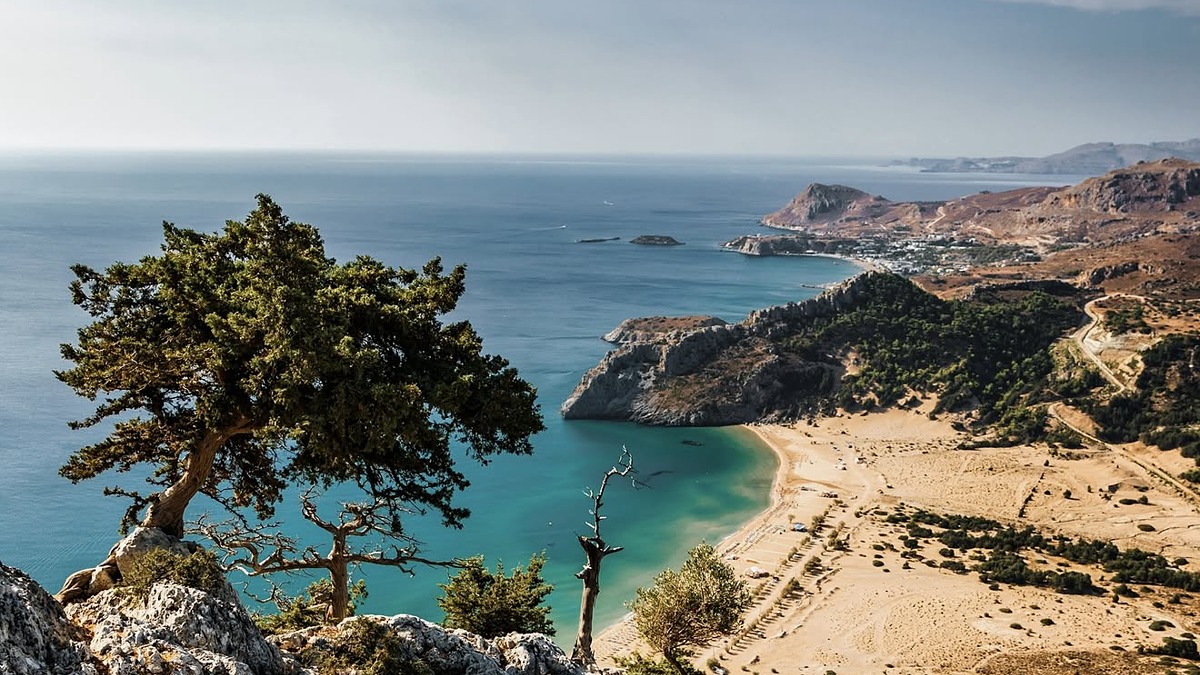
Rhodes is the swap for anyone whose Santorini plan was really a sun-holiday plan. Yes, it has its own busy cruise port, but the island is huge, and the ships funnel into the medieval Old Town while the east coast runs an unbroken chain of proper sandy beaches: Tsampika with its monastery hill and shallow turquoise water, Lindos beneath its acropolis, Agathi, Glystra and the rest. Everything is easy here, sunbeds, tavernas, buses that work, a long season, which is exactly what a lot of caldera day-trippers actually wanted. Our best beaches in Rhodes guide ranks the coast.
If you still want Santorini
Then go, with two adjustments. Arrive by ferry and stay at least a night: the island the day-trippers queue through is a different place at 7pm when the ships have gone, and the caldera at sunset remains the single best view in the Aegean. And skip the beach day entirely, the dark pebble coves are the weakest thing the island offers. Treat Santorini as a two-night spectacle inside a longer trip built on one of the islands above, and both halves of the holiday get better.
One more honest note on the wider map: Zakynthos, the other Ionian headline act, is carrying its own 2026 restriction, Navagio's famous shipwreck beach is closed to visitors over rockfall risk until at least the end of October. The full list of Europe's caps, fees and closures lives in our 2026 beach rules guide, and if you are torn between island groups, our Ionian versus Cyclades comparison settles the beach question with the 2026 rankings. The short version: the ships are fighting over Santorini. The rest of Greece is open, calmer, and better in the water.