Corfu (Kerkyra in Greek) is the largest of the Ionian islands and the one with the most varied beach geography. The west coast has dramatic limestone cliffs and hidden coves. The south has the long sandy beaches and the resorts. The northeast has the protected Venetian-era harbour swims. The northwest hosts the famous Paleokastritsa cliff scenery. This guide runs 10 best beaches across all four coasts, with the swim-safe ratings and the access realities baked in.
Rovinia Beach: The Hike-In Hidden Cove
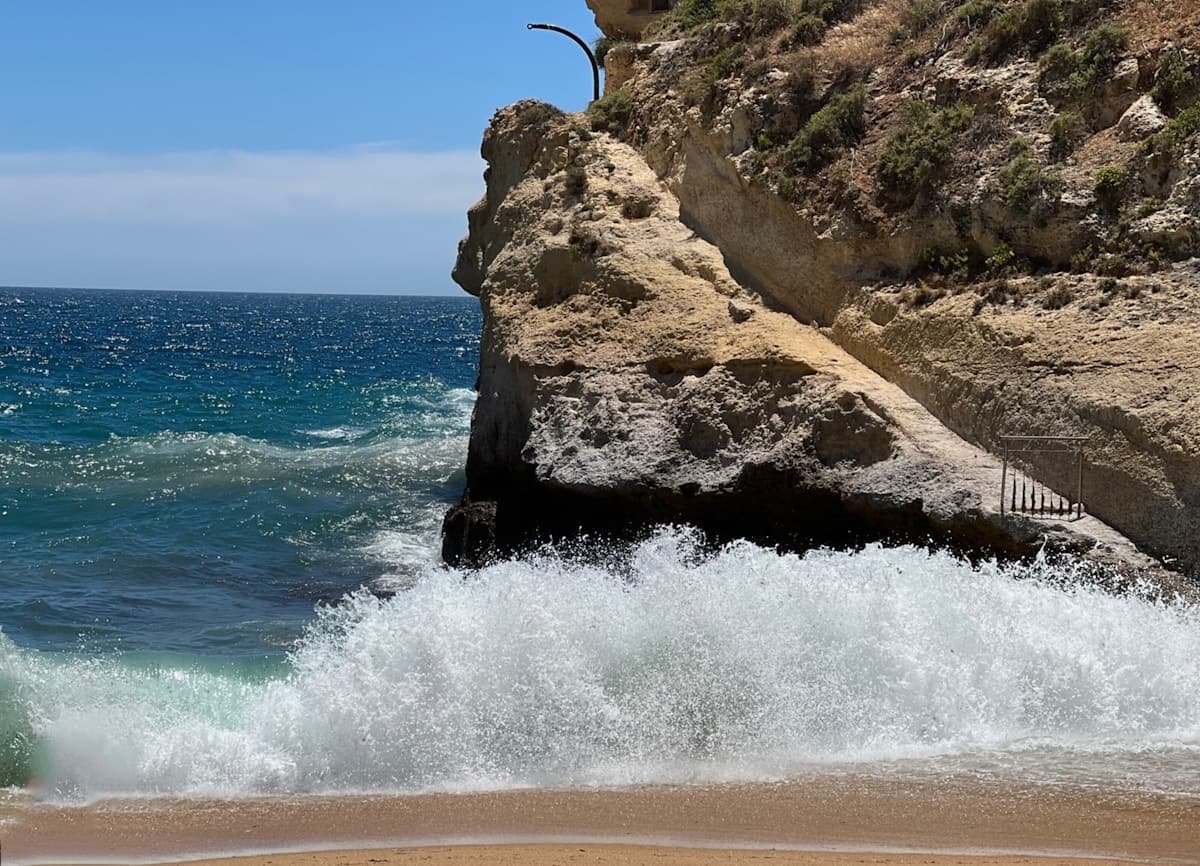
Tucked into the limestone cliffs near Liapades on the west coast, Rovinia is the most photographed hidden beach on Corfu. A 700-metre forest path from the village leads down through trees to a small pebble cove with crystal-clear deep water and dramatic cliff walls on three sides.
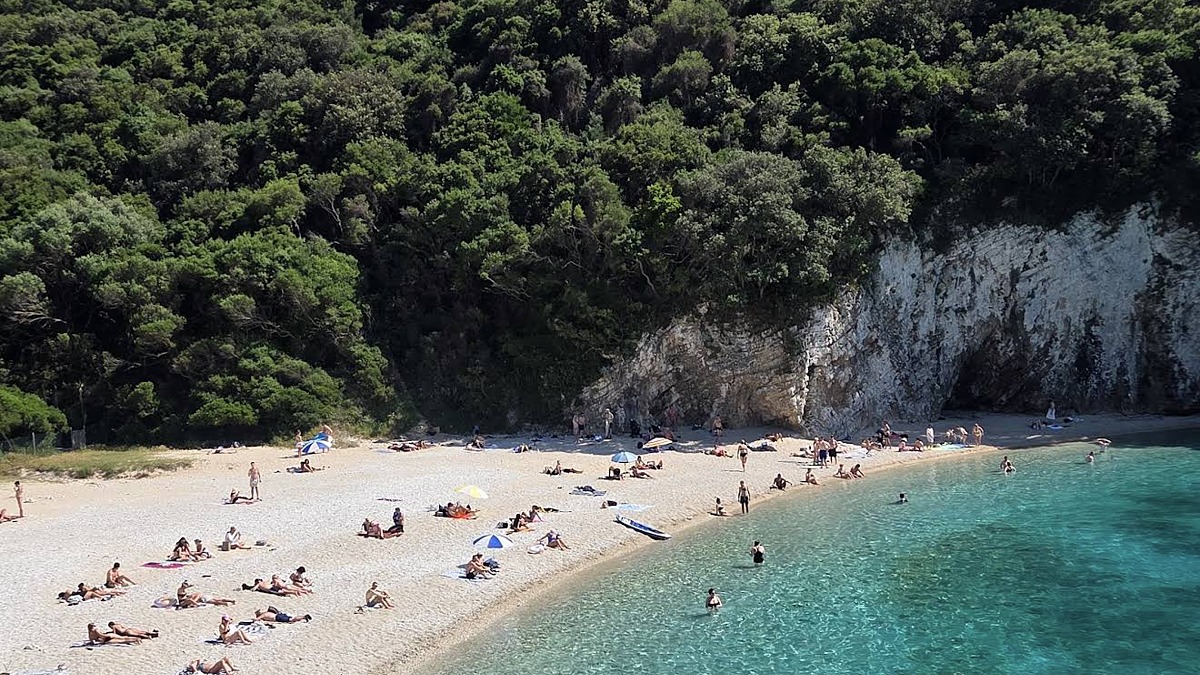
The trade-off is access. The hike takes 15 minutes down, longer back up. There are no facilities; bring water, snacks, and an umbrella if you want shade. A seasonal kantina boat sometimes visits in high summer. Arrive by 9-10am to find space on the small pebble shore. Our Rovinia Beach review covers the hike and the parking realities in detail.
Halikouna Beach: The Long Sandy West-Coast Pick
South of Paleokastritsa on the west coast, Halikouna is one of the longest undeveloped sandy beaches on Corfu. Several kilometres of dune-backed beach face the open Ionian, with limited development and the kind of empty-feeling sand that hardly any other Greek island delivers at this scale.
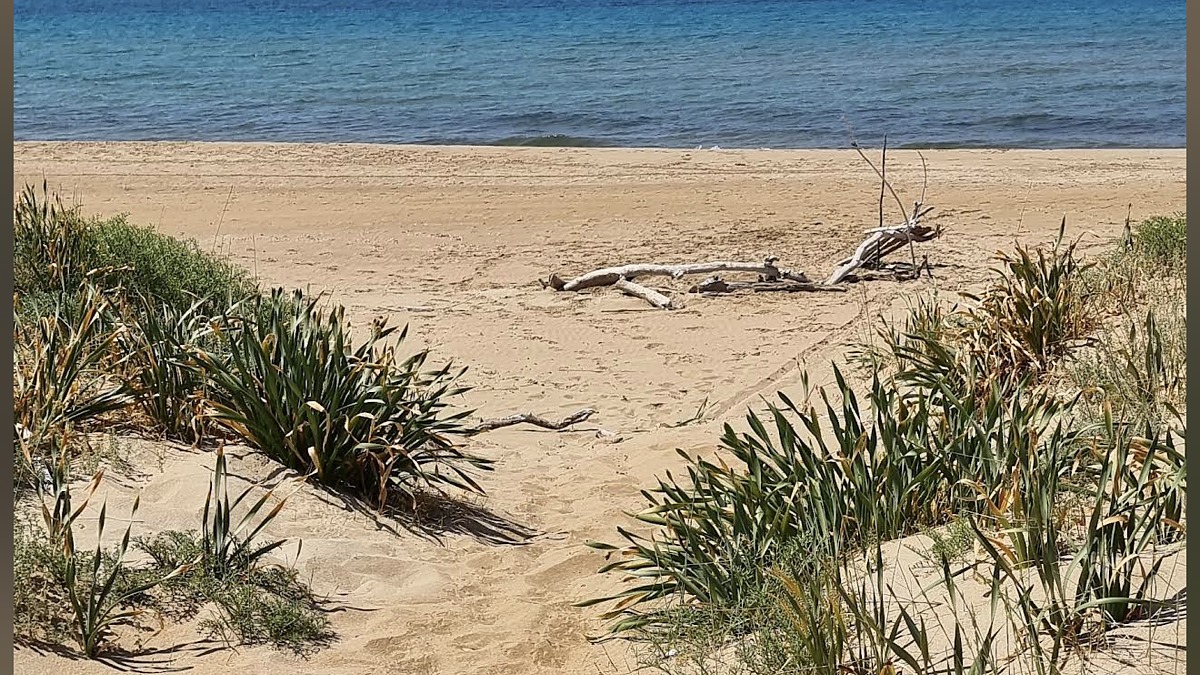
The trade-off is that the water can be rougher than the protected northeast coast since this is open Ionian exposure. Lifeguards are sparse. A small handful of tavernas serve at the southern end near the entry road. For visitors who want a long beach walk and a quiet sit, Halikouna is one of the better answers on the island.
Avlaki Beach: The Northeast Quiet Bay
On the northeast coast between Kassiopi and Agios Stefanos, Avlaki is a long pebble-and-sand bay with calm water and a quieter resort atmosphere than the busier south coast. Two beachfront tavernas, sun loungers for rent, and lifeguards in peak season.
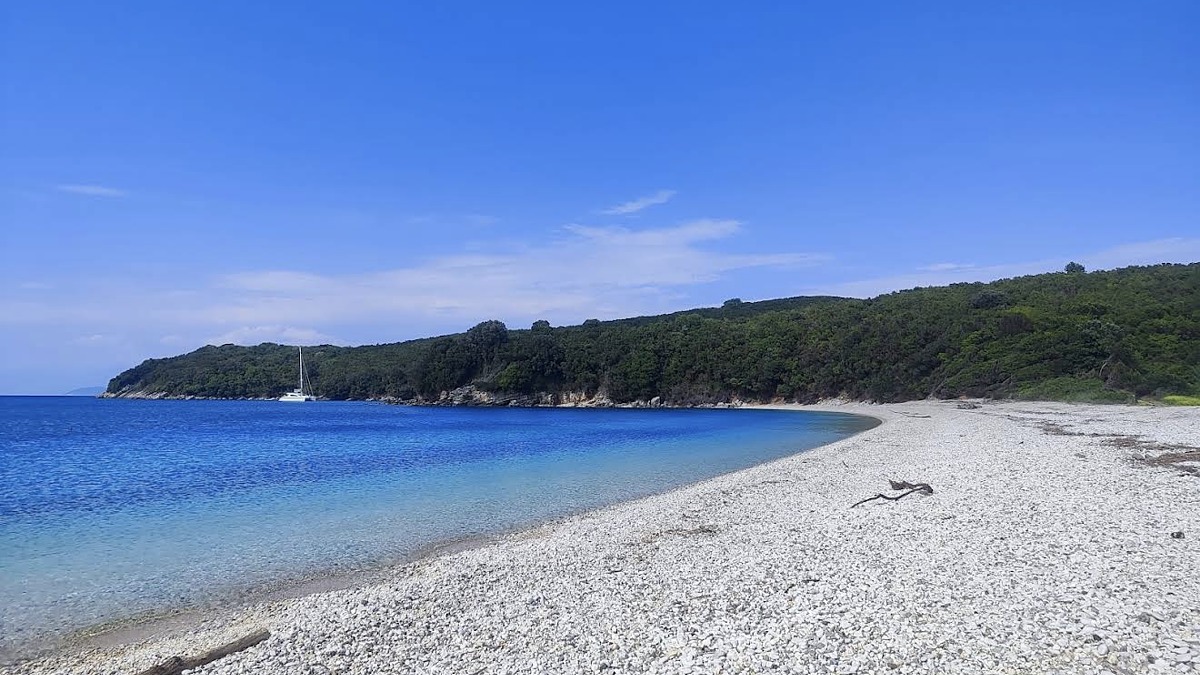
The northeast coast generally is the calmer half of the island; Avlaki is a good base if you want a beach holiday without the busier resort scene. The water is consistently clear and the bay is sheltered from the worst weather.
Agni Beach: The Boat Harbour Swim
A small pebble cove on the northeast coast accessible by boat from neighbouring Kalami or by car down a winding road, Agni has three famous beachfront tavernas (Toulas, Agni Taverna, Nikolas) that are the actual draw. The beach is small but the food is some of the best on Corfu.
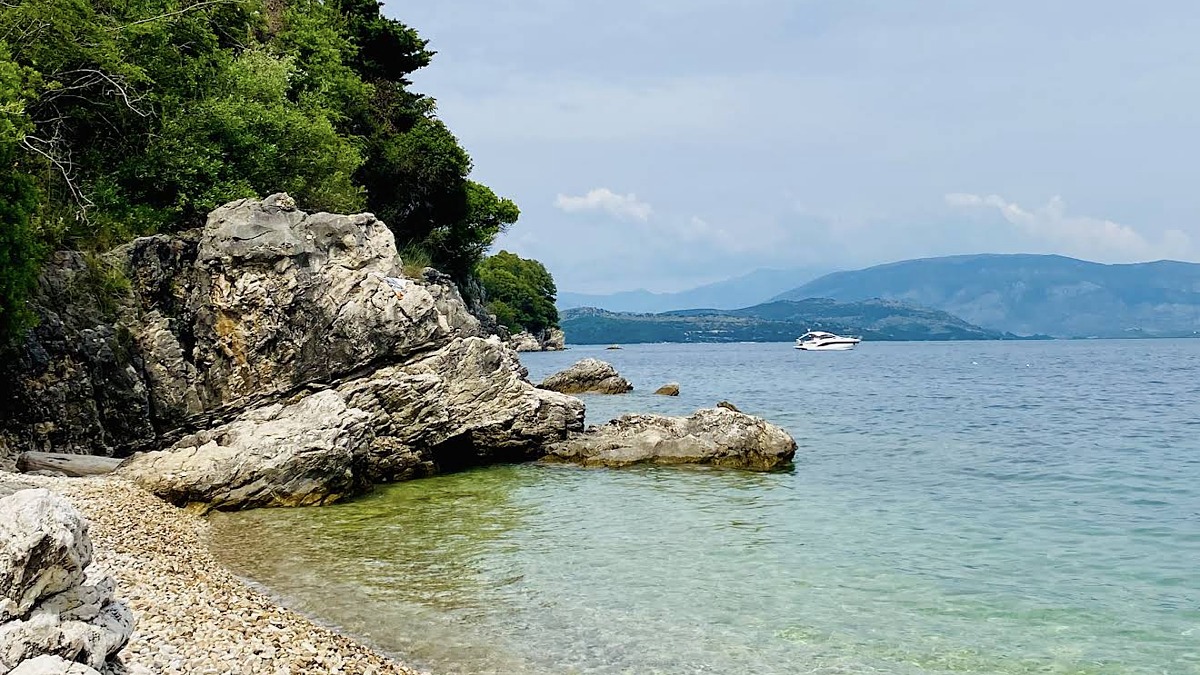
Most visitors come for lunch and stay for the swim. The water is calm and clear; the bay is protected by headlands on both sides. The drive in is steep and the parking is limited; many visitors arrive by water taxi from Kalami or Kouloura.
Paleokastritsa: The Iconic Cliff-Backed Coves
The Paleokastritsa area on the northwest coast is what every Corfu brochure photographs. Limestone cliffs rise out of the sea, a 13th-century monastery sits on the headland, and a series of small connected coves spread along the shore with turquoise water that runs deep close to shore.
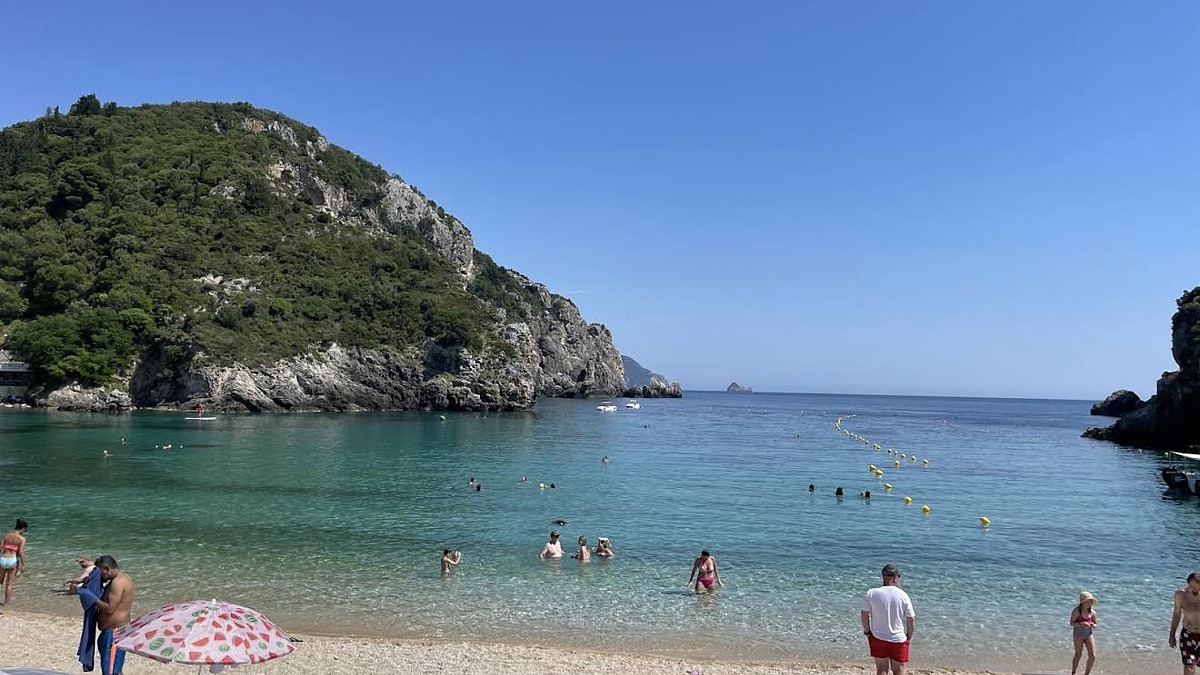
Paleokastritsa has six named beaches, all small and pebble: Agios Spiridon, Alipa, Platakia, Liapades end. Boat tours from the main harbour visit hidden coves and sea caves only accessible by water. Visit the monastery for views (it remains an active religious site). The area gets busy in summer; mornings are quietest.
Glyfada Beach (Corfu): The Long Family Sand
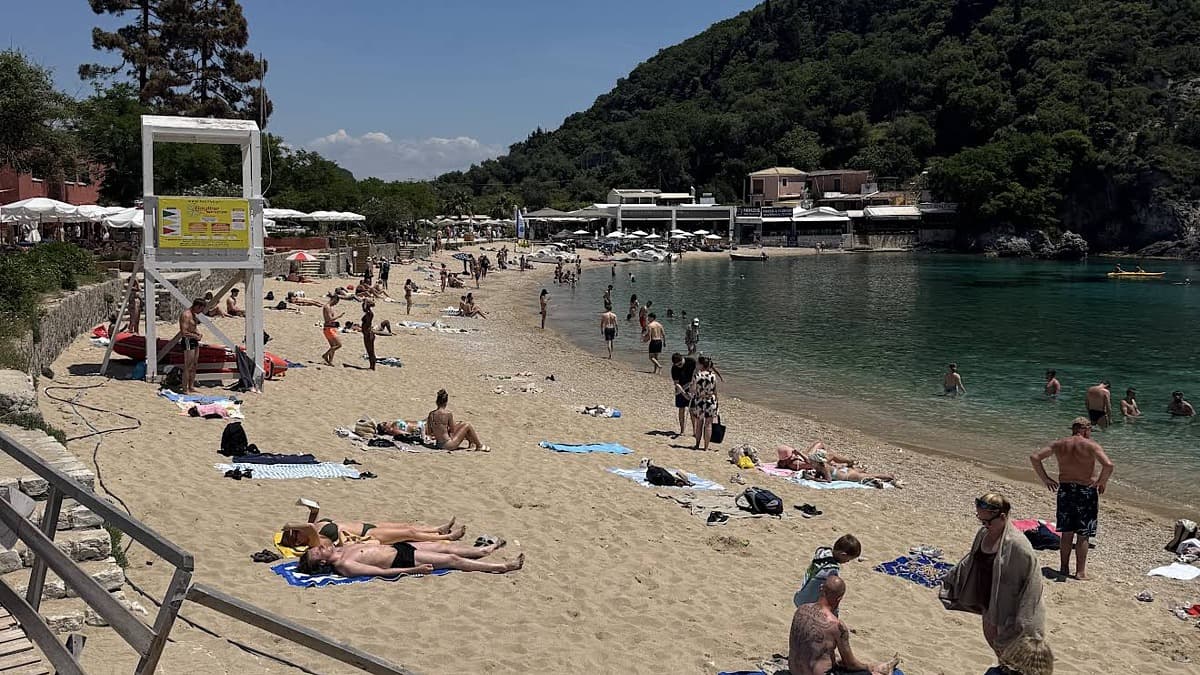
The most developed sandy beach on the west coast, Glyfada has a long stretch of fine golden sand, several large resorts fronting the beach, lifeguards, full amenities, water sports, and protected swimming. The beach is the answer for visitors who want a full-amenity beach day.
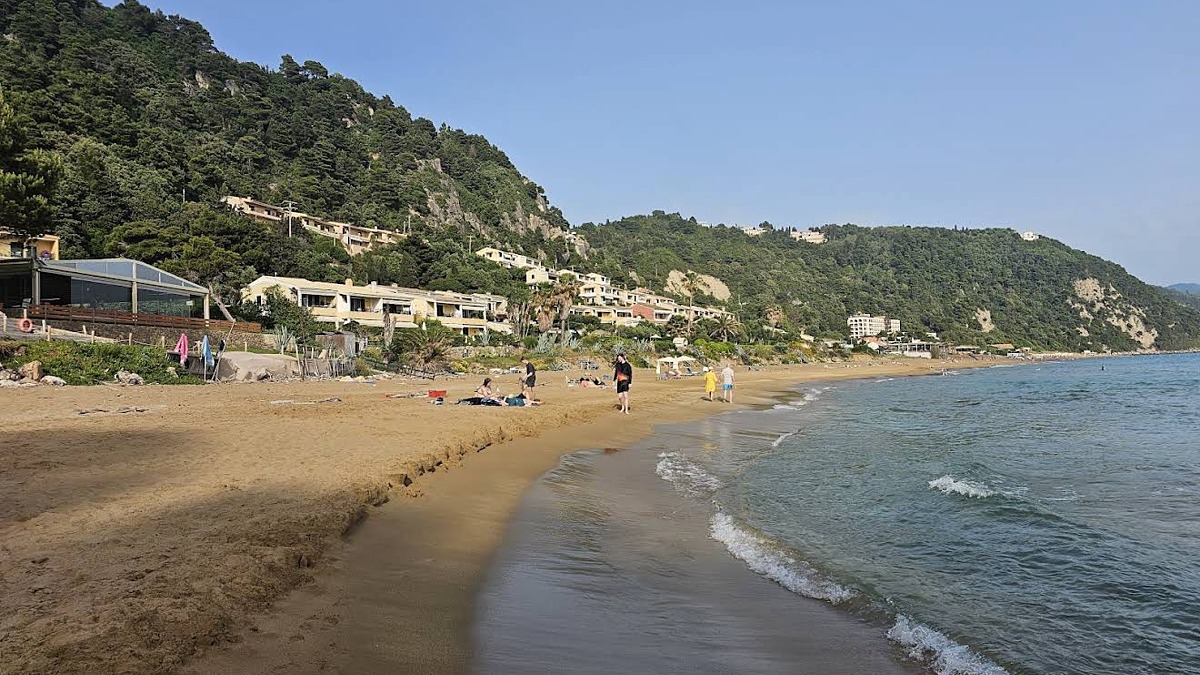
The trade-off is the crowd; Glyfada gets busy in peak summer. The dramatic cliffs at both ends of the beach handle some of the worst weather, but the open Ionian exposure means waves can pick up on windy days. Generally the safer family pick on the west coast.
Issos Beach: The South-Coast Sandy Pick
Issos is a long sandy beach on the south coast near Lake Korission, with dunes behind, wide sand stretches, and a more natural setting than the developed resort beaches. The water is shallow and clean. Issos is famous as a filming location for the 1981 James Bond film For Your Eyes Only.
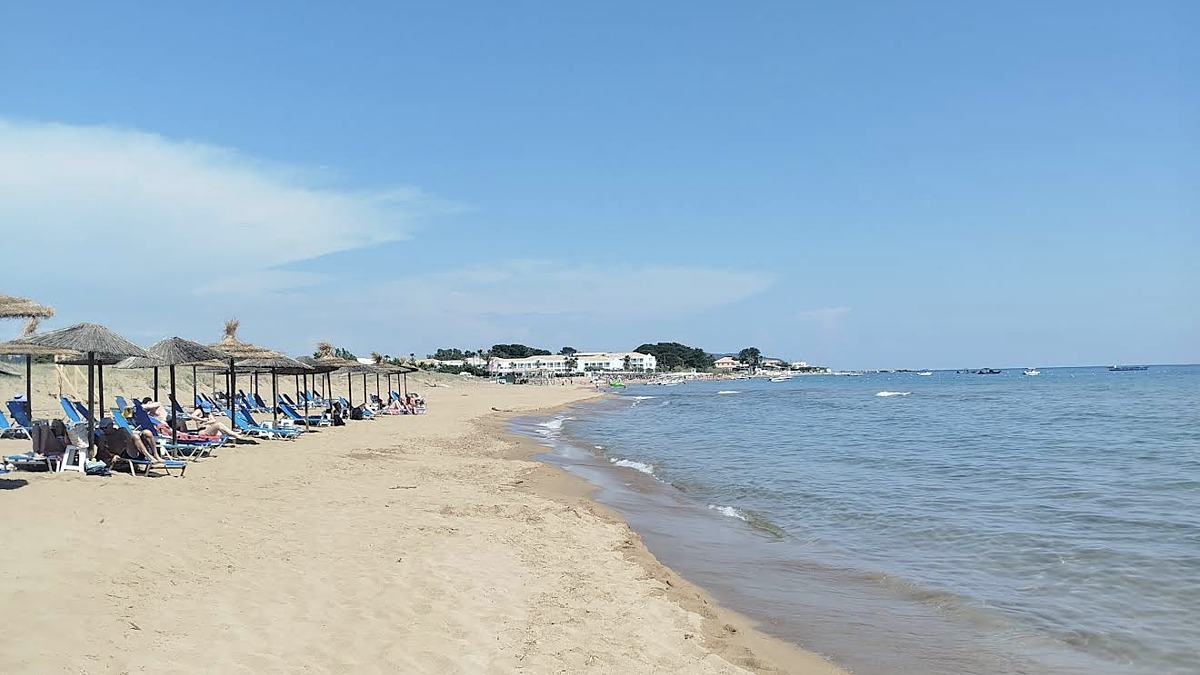
Several beach bars and tavernas operate along the southern end. The northern end is quieter and more dune-protected. This is one of the few south coast beaches that has kept a more natural character; most others have been heavily developed.
Mon Repos Beach: The Corfu Town Swim
Mon Repos is the public swim closest to Corfu Town (the capital and main port), set in a wooded estate around the former royal summer palace. The beach is small pebble with calm water; the appeal is convenience and the historic gardens you walk through to reach it.
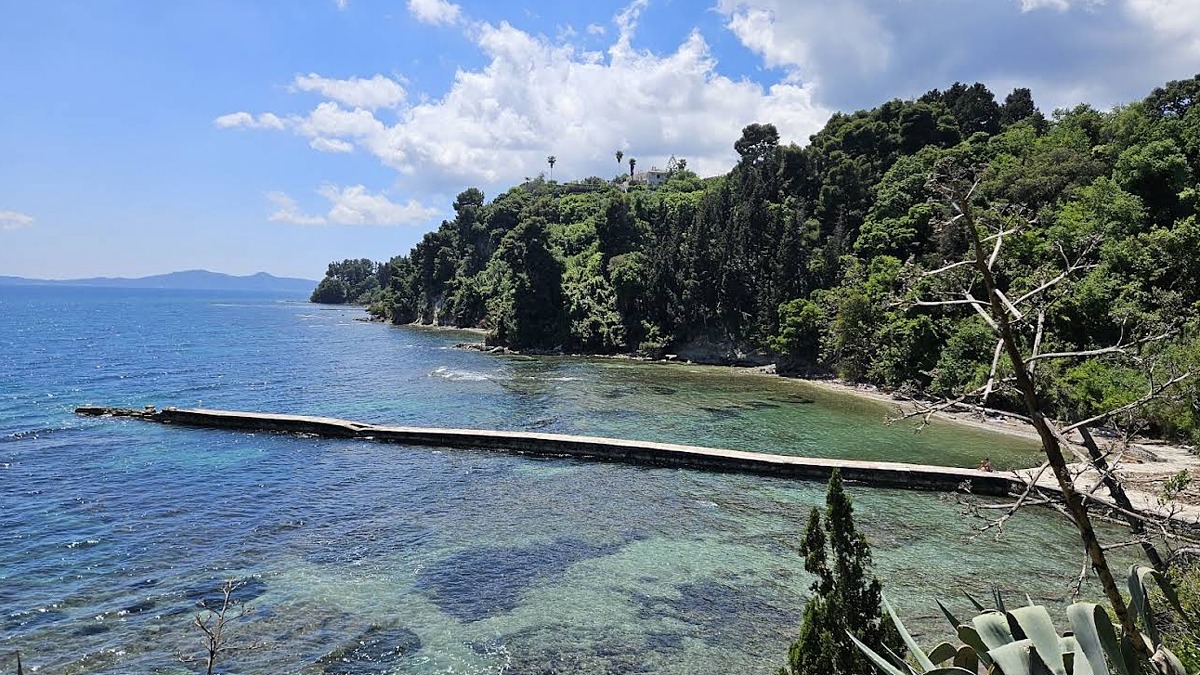
For visitors based in Corfu Town who want a swim without driving, Mon Repos is the answer. The water quality is decent but not the most dramatic on the island. Combine with a walk through the gardens and the Mon Repos Palace museum.
Sidari: The Channel of Love
On the northwest coast, Sidari is famous for the Canal d'Amour (Channel of Love), a narrow sandstone channel that, according to local tradition, brings lifelong love to couples who swim through it together. The town has been heavily developed as a resort destination, with the actual beach overshadowed by the channel.
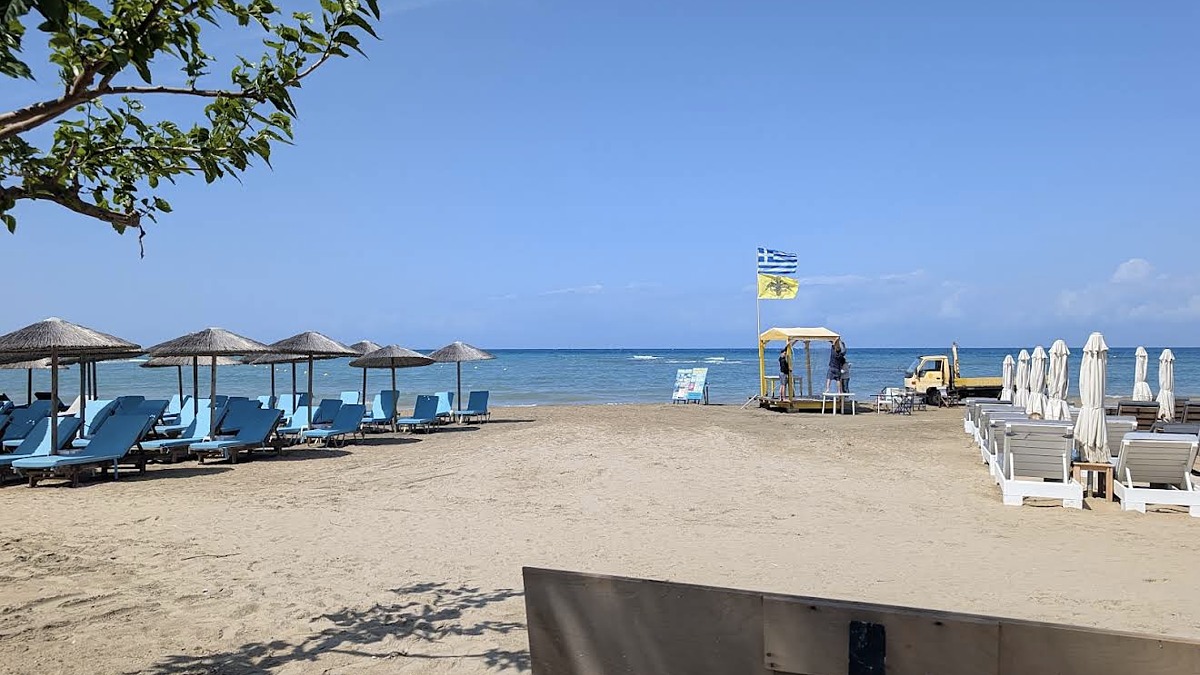
The water at Sidari is calm and the sandstone formations are genuinely photogenic. Visit for the channel, swim through if you believe in such things, and have lunch at one of the harbourside tavernas. The town itself is brash and resort-oriented; not for visitors seeking quiet.
Kavos: The Party Beach
At the far southern tip of the island, Kavos is the busiest party-resort beach in Corfu. The beach is reasonable but the appeal is the surrounding nightlife: bars, clubs, and the kind of young-British-package-tourism scene that dominates summer. Not for families or visitors seeking quiet.
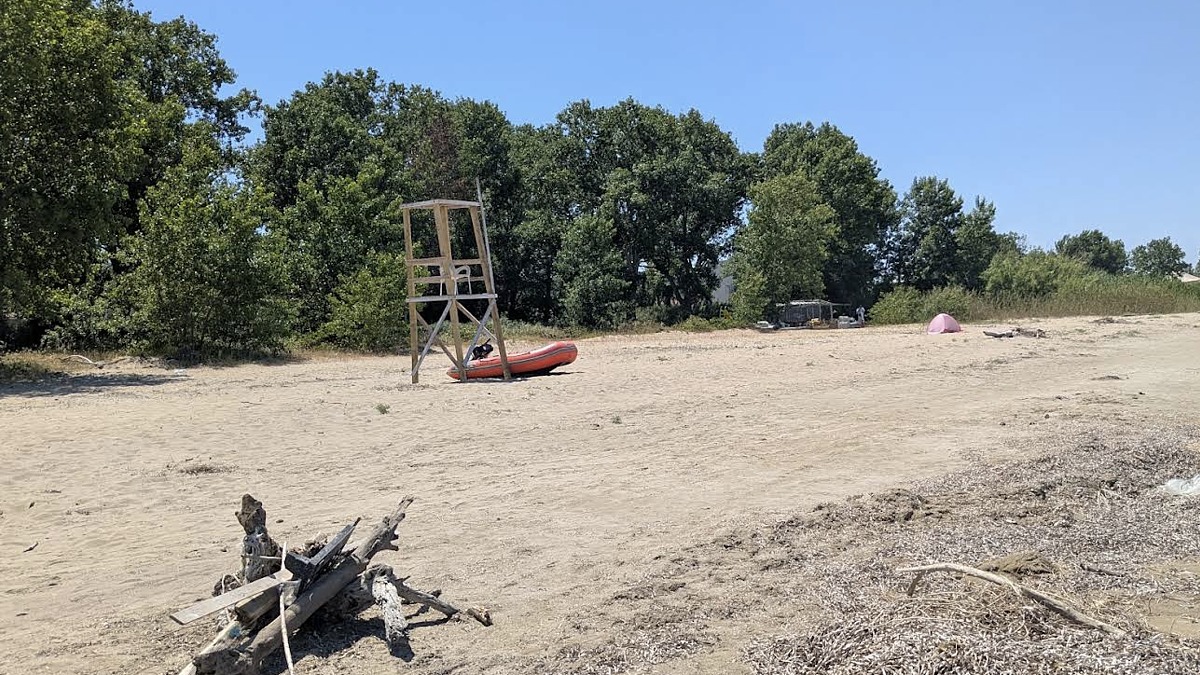
For young travellers who want the Corfu party experience, Kavos is the answer. Everyone else should base elsewhere and visit Kavos only if curiosity demands.
How to Plan Your Corfu Beach Trip
Three tips will save you on this island.
Pick a coast for your base. Northwest for Paleokastritsa and the dramatic scenery. Northeast for protected harbours and calmer pace. South for resort beaches. West for the hidden coves and longer sand. Trying to base in Corfu Town and day-trip to all the beaches means a lot of driving.
Rent a car. Buses cover the main resort routes but miss most of the better beaches. Mountain roads are winding but paved.
Go early to Rovinia and Paleokastritsa. Both fill by midday in summer.
Corfu's other famous hike-in beach is the twin-bay Porto Timoni below Afionas on the northwest coast, worth a half-day of its own: it was named one of the World's 50 Best Beaches for 2026, and reaching it means a 20-minute walk down or a boat.
For the Greek beach picture more broadly, see our Best Beaches in Greece guide. For the most famous hidden cove in detail, our Rovinia Beach review covers the hike and what to expect.