Rhodes is the fourth-largest Greek island and the one most travel guides oversimplify. The east coast is calm, sandy, and resort-heavy. The west coast is windier, rockier, and dominated by wind sports. The southern tip is wild and exposed. The famous beaches (Tsampika, Lindos, Anthony Quinn Bay) cluster in the middle east coast where the geography is most forgiving. This guide runs 10 best beaches across both coasts, with the swim-safe family picks clearly separated from the windsurf-only zones.
Tsampika Beach: The Headline East-Coast Sand
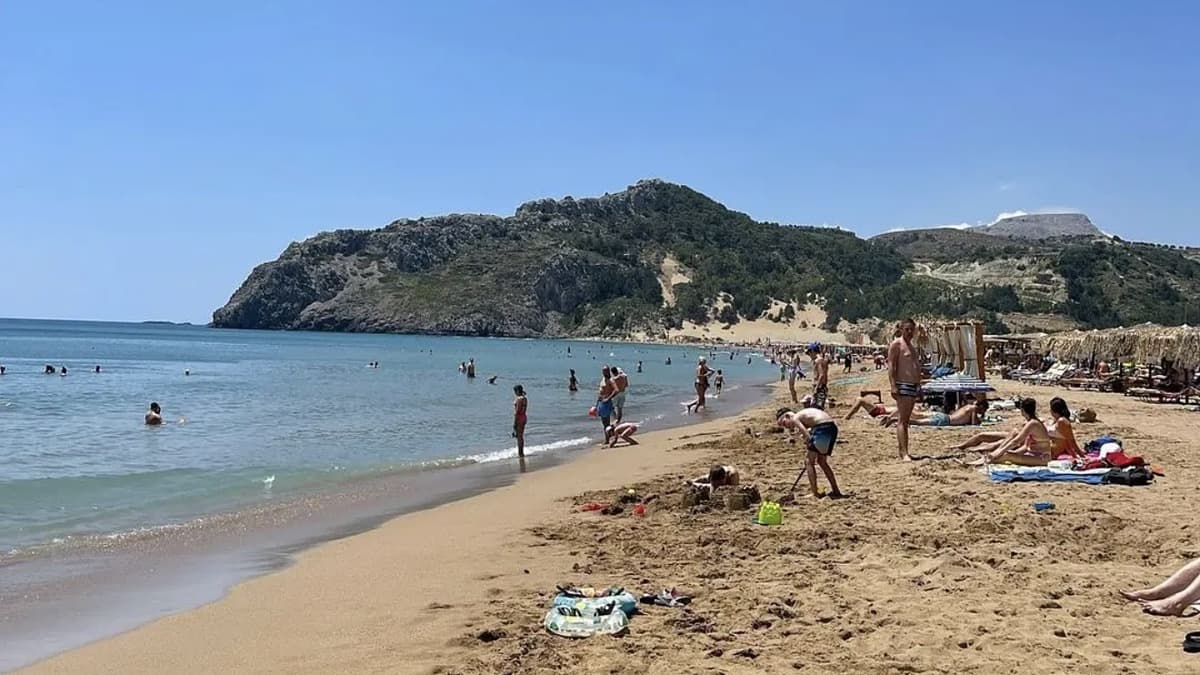
Tsampika sits on the east coast around 25 kilometres south of Rhodes Town, with a 1.5-kilometre stretch of fine golden sand backed by the dramatic Tsambika mountain (with its famous monastery on top, accessed by 300 steps). The water is shallow for a long way out, perfect for families with kids, and the bay is sheltered from the worst weather.
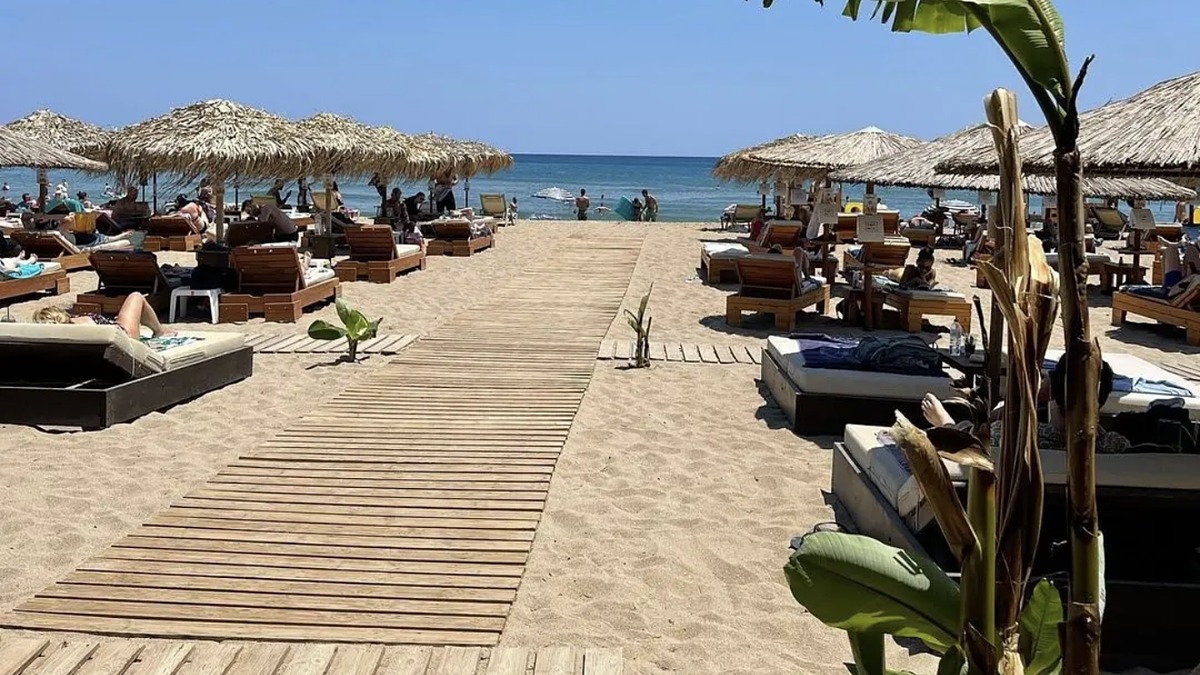
This is consistently the highest-rated swimming beach on Rhodes. Full amenities including sunbeds, umbrellas, water sports, beach bars, and lifeguards in season. The mountain backdrop and the optional monastery climb make Tsampika more memorable than the typical resort beach. Our Tsampika Beach review covers the monastery hike and the full beach detail.
Elli Beach: The Rhodes Town Swim
Right in Rhodes Town, Elli is the most accessible swim for visitors based in the capital. A long stretch of fine pebble-and-sand beach runs along the Mandraki harbour area, with full amenities, organised loungers, beach clubs, and a diving platform offshore that locals use for jumping.
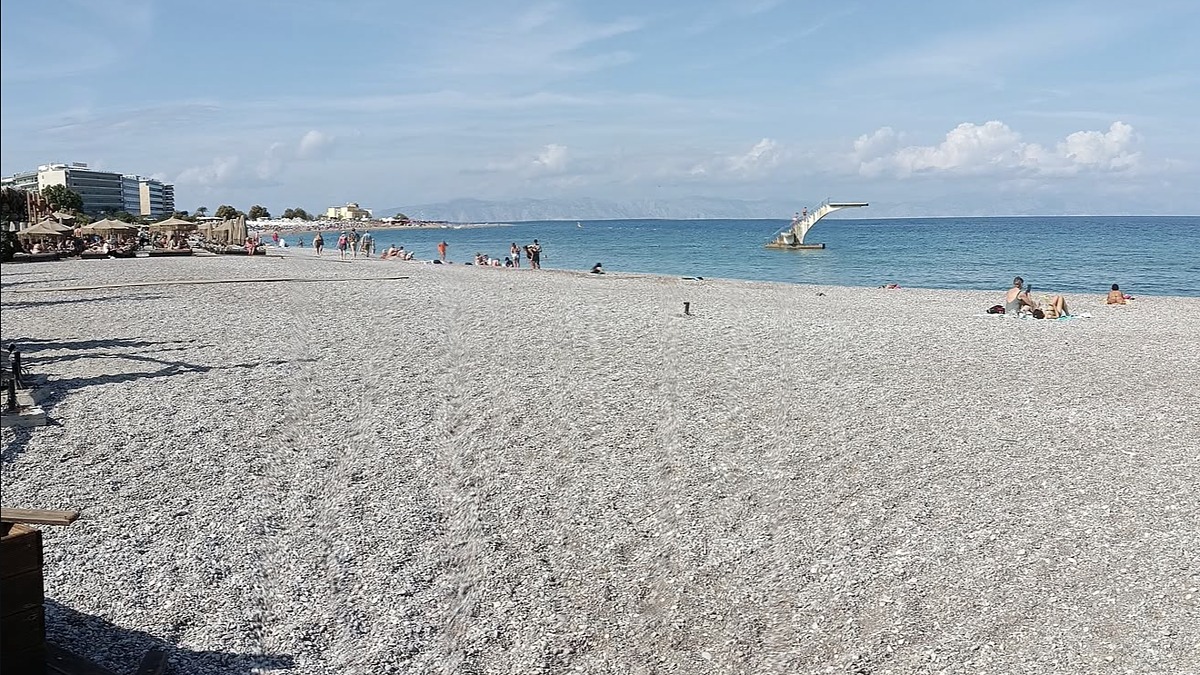
The water at Elli is generally calm and clean. The trade-off is the city beach atmosphere; this is not a remote scenic destination but a practical urban swim. For visitors staying in Rhodes Town who want a beach day without traveling, Elli is the answer.
Lindos Beach: The Acropolis Setting
Lindos sits 50 kilometres south of Rhodes Town below the ancient acropolis of Lindos (one of the most important archaeological sites in Greece). The town has two beaches: Main Beach (Megali Paralia) is the larger sandy strip in front of the village; St Paul's Bay (Agios Pavlos) sits in a smaller protected cove south of the acropolis.
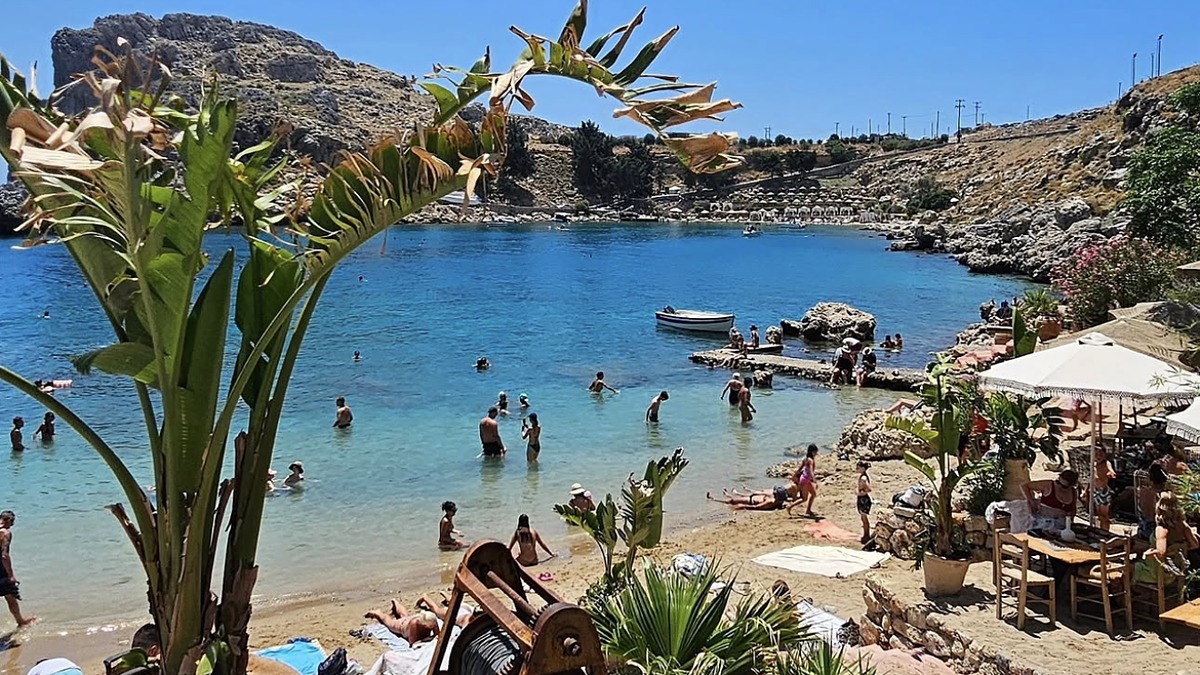
Lindos is busy and built-up in summer, but the setting is genuinely iconic. The acropolis above the beach is the photograph that defines southern Rhodes. Climb the acropolis early morning or late afternoon to avoid the heat (it is steep and unshaded). For a beach day with serious history nearby, Lindos delivers.
Traganou Beach: The Quieter East-Coast Pick
Five kilometres south of Faliraki, Traganou is a quieter sandy-pebble beach in a small bay with cliffs on both sides. Less developed than Tsampika or Faliraki, with fewer loungers and a more local atmosphere. The water is calm and clear.
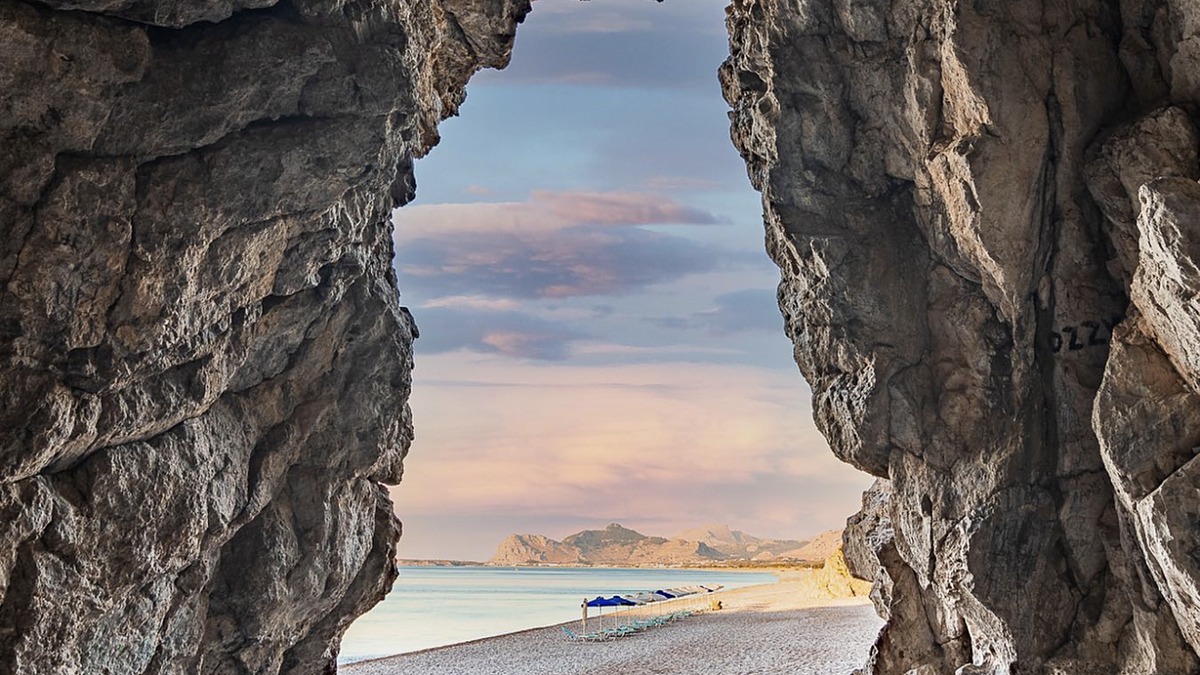
This is the east-coast beach for visitors who want the protected swim without the busy resort scene. Two beachfront tavernas serve simple Greek food. Visit on a weekday for the quietest day.
Anthony Quinn Bay (Ladiko): The Snorkel Cove
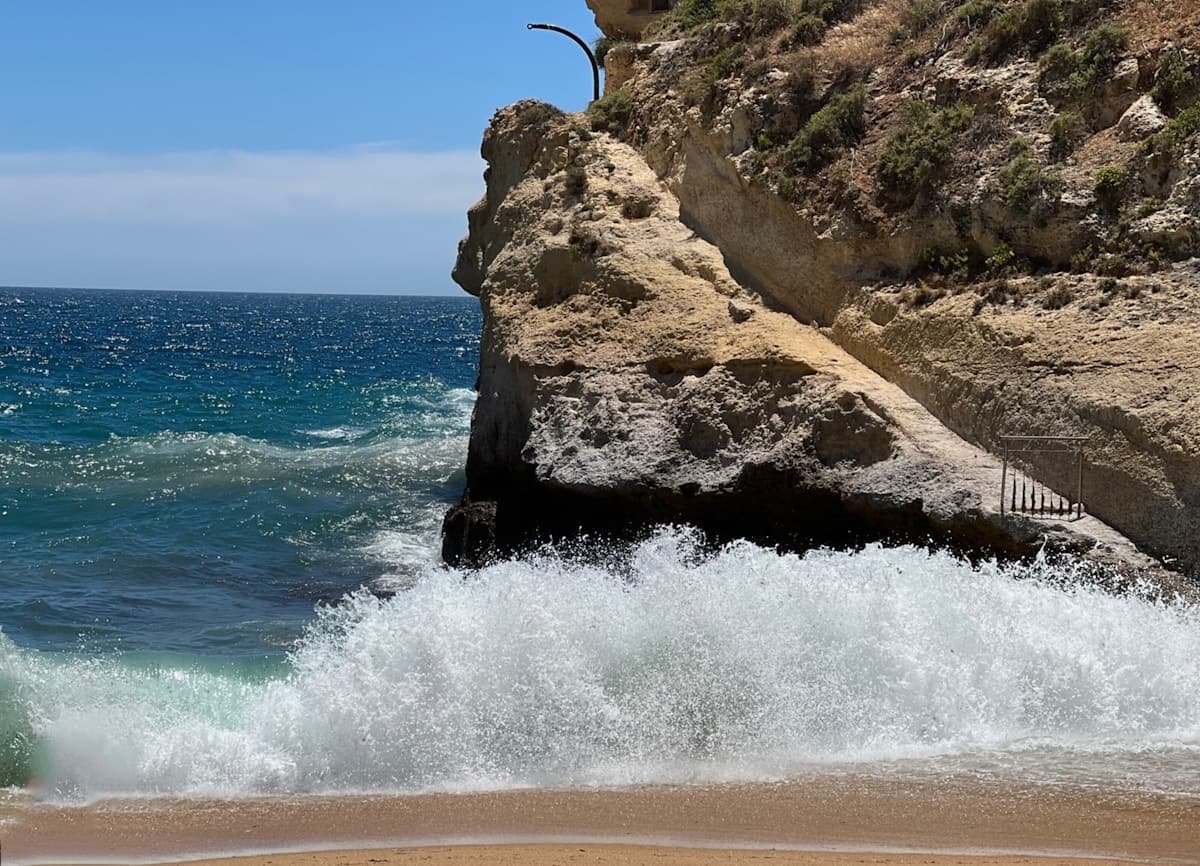
A small rocky cove near Faliraki named after the actor who starred in The Guns of Navarone (filmed nearby in 1961), Anthony Quinn Bay has dramatic limestone cliffs, deep clear water, and the best snorkelling in the area. Reef fish work the rocks; visibility is consistently excellent.
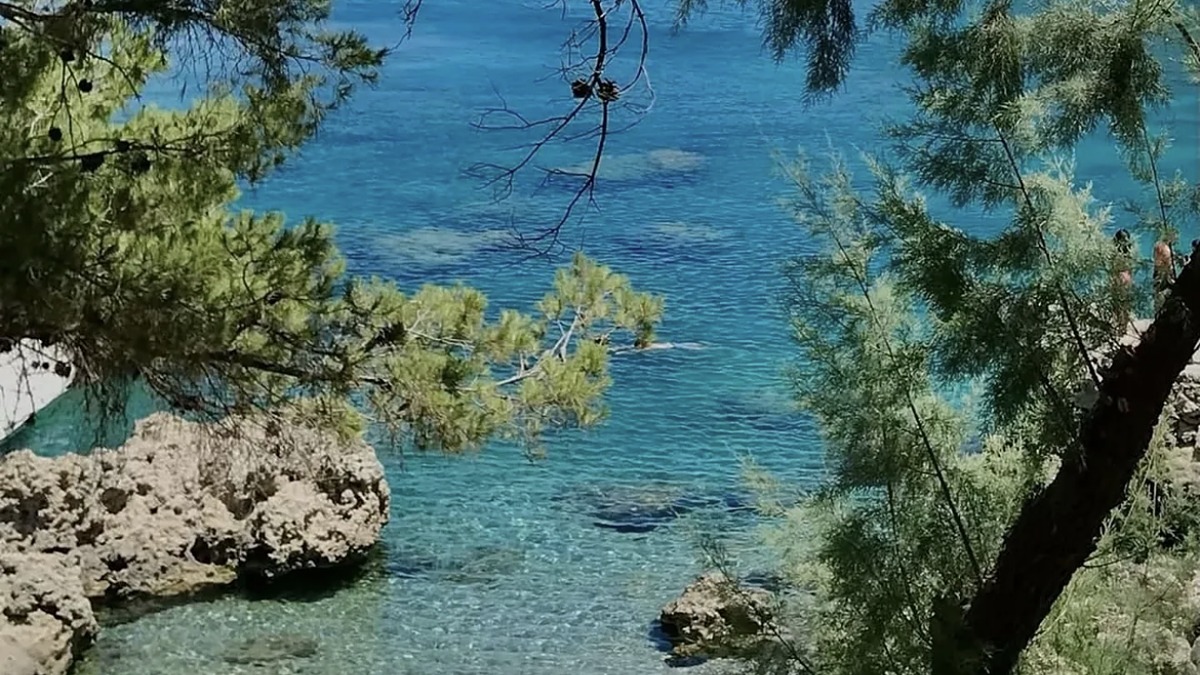
The trade-off is size and crowds. The bay is small and gets very busy in peak summer afternoons. Visit in the morning for space. Pebble-and-rock bottom; bring water shoes. The neighbouring Ladiko Beach is sandier and works for younger swimmers.
Agathi Beach: The Sandy Pocket near Charaki
On the east coast just south of Tsampika, Agathi is a smaller sandy beach with calmer waters and a more local atmosphere than the bigger neighbours. The 13th-century castle of Feraklos sits on the headland above; pair the beach with a hike up to the ruins for views.
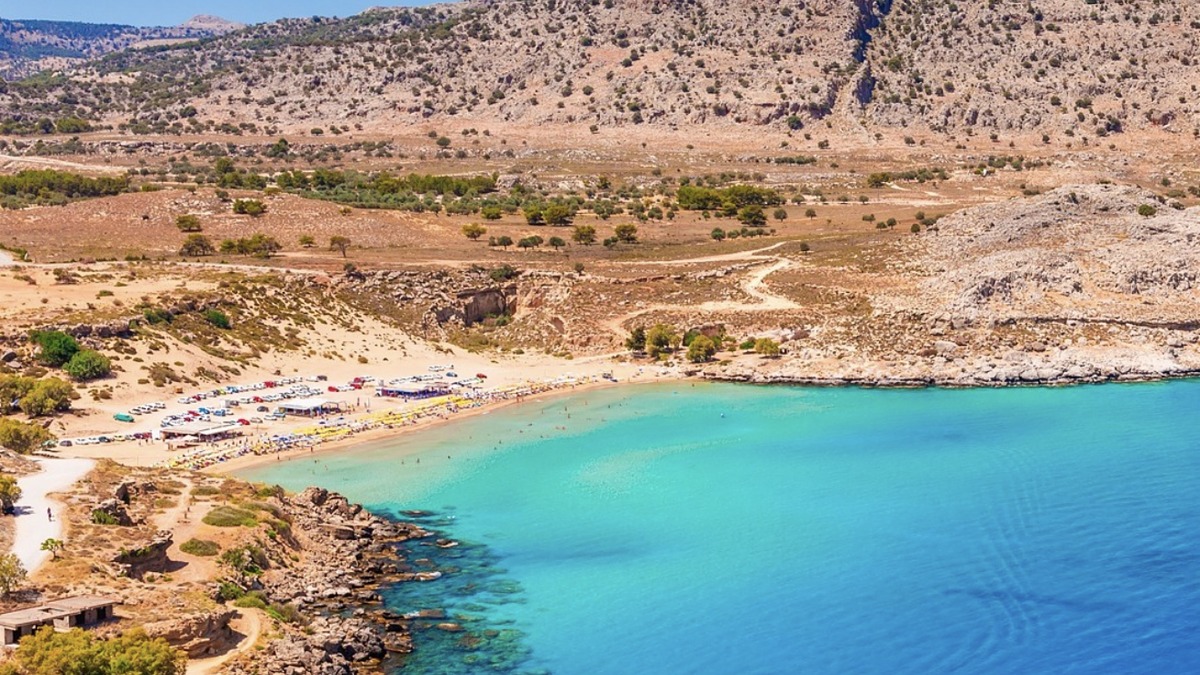
Agathi is the right pick for a quieter east-coast day. Full sunbeds and umbrellas available; one or two beachfront tavernas. The water is shallow and gentle.
Haraki Beach: The Crescent Bay
Charaki (often spelled Haraki) sits south of Agathi on the same east coast, with a pebble-and-sand crescent fronted by a small village of tavernas and pensions. The bay is sheltered by the ruined Feraklos castle on one headland.
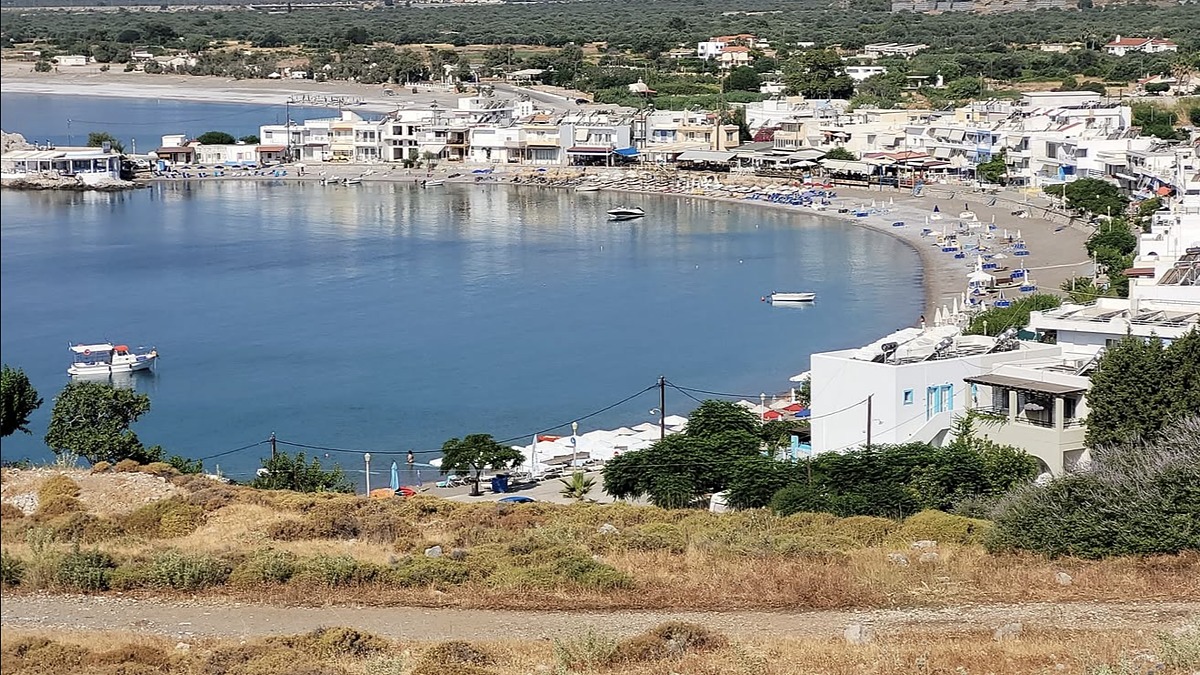
The beach is small but the village atmosphere makes it pleasant. Several seafront tavernas serve fresh fish. Visit for a quieter beach day with proper dinner at a local taverna. Pair with a hike to the castle for the views.
Gennadi Beach: The South-East Long Strip
Around 65 kilometres south of Rhodes Town, Gennadi is a long pebble beach with quieter resort development, decent amenities, and an authentic village atmosphere. The beach stretches for kilometres and rarely feels crowded even in summer.
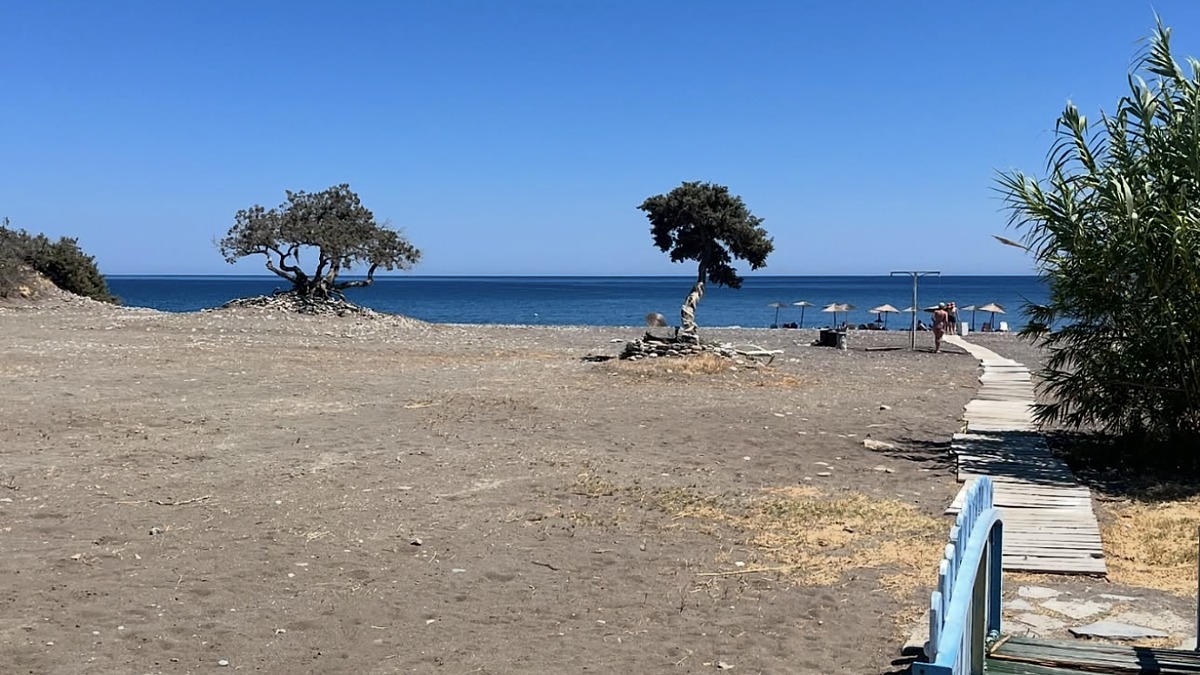
Gennadi is the south-east coast's answer to busier beaches further north. The water is calm and clear. Several tavernas in the village handle dinner. For a quieter Rhodes beach base, the south-east coast around Gennadi is the answer.
Afandou Beach: The Long Family Strip
Afandou is one of the longest beaches on Rhodes, with a several-kilometre stretch of golden sand and small pebbles south of Faliraki. The beach is less developed than its neighbour, with sunbed sections and quieter unorganised stretches between.
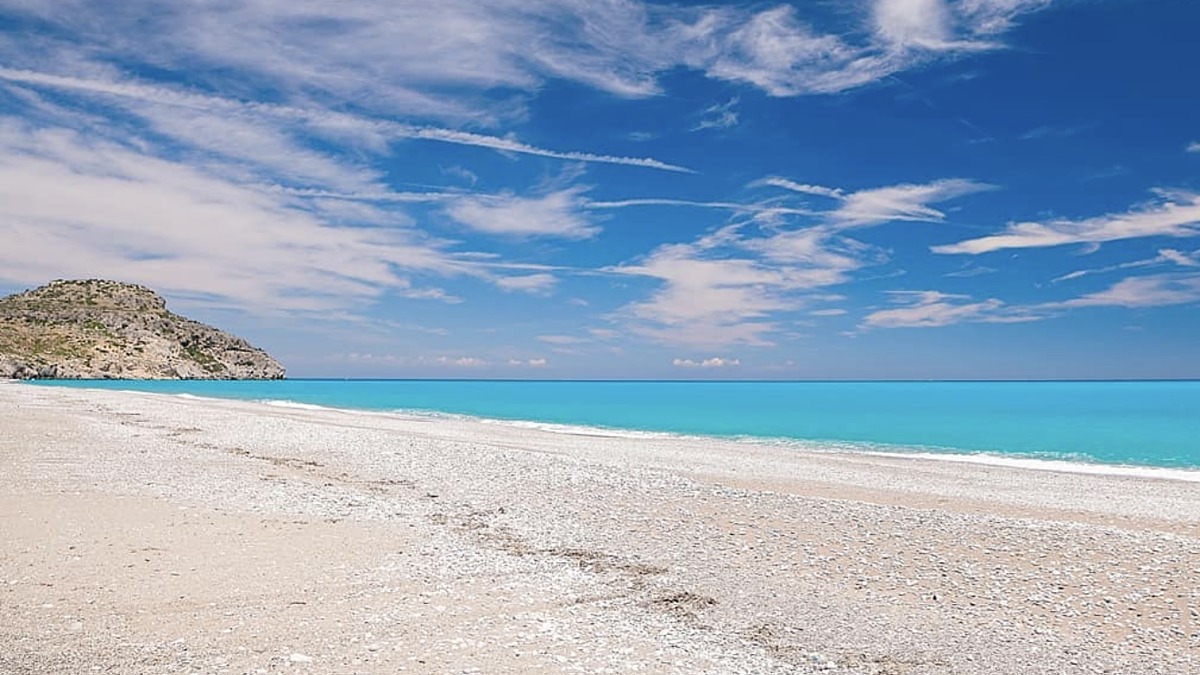
Family-friendly with shallow water and easy walking access. Golf courses behind the beach add another activity option. Afandou is the practical east-coast family pick that does not get the same crowd as Tsampika or Faliraki.
Glystra Beach: The Small Bay Near Lardos
Six kilometres south of Lindos near the village of Lardos, Glystra is a small protected bay with calm water and a small sandy beach. Less famous than the big east-coast names, with a quieter atmosphere and good swimming for families.
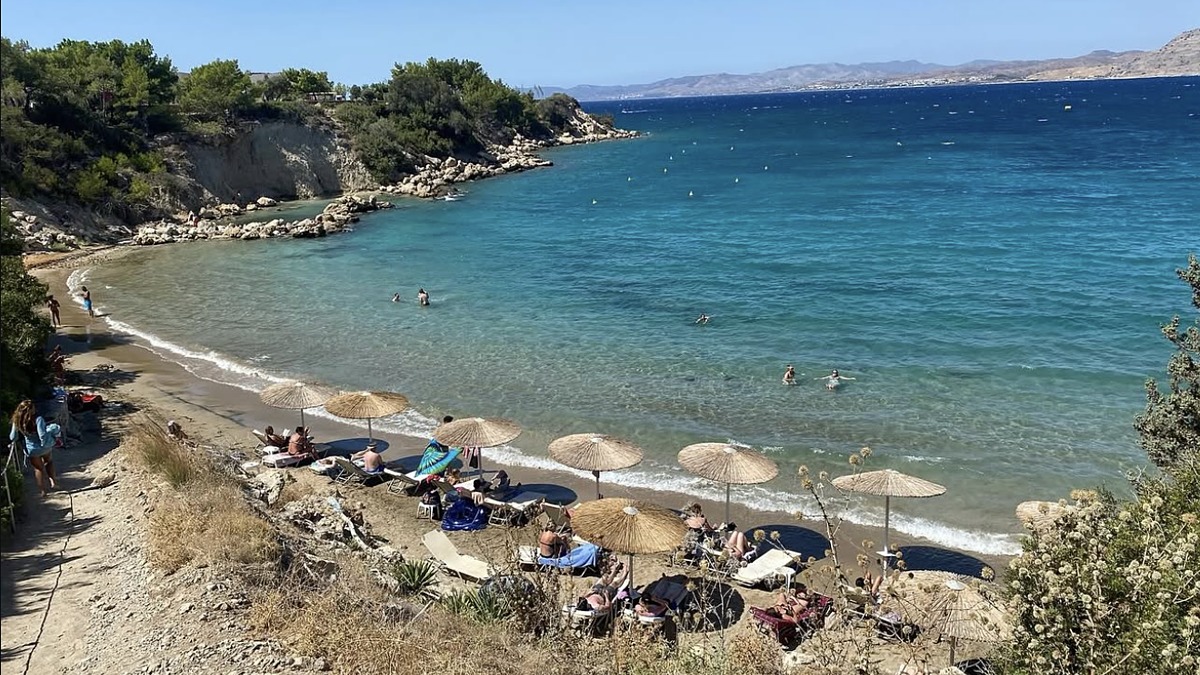
The bay is small and gets busy on summer afternoons. Visit early. The combination of calm water, decent amenities, and quieter atmosphere makes Glystra worth a stop if you are exploring the southern part of the east coast.
How to Plan Your Rhodes Beach Trip
Three tips.
Base on the east coast if swimming is the priority. Faliraki, Afandou, Tsampika area, or Lindos all work. The west coast is for wind sports.
Visit Lindos early or late to avoid the heat and the cruise crowds. The acropolis climb is steep and unshaded.
Rent a car for at least 2-3 days to reach the south coast and the more remote beaches. Buses handle the main east-coast routes but not everywhere.
For the Greek beach picture more broadly, see our Best Beaches in Greece guide. For the headline beach in detail, our Tsampika Beach review covers the monastery climb, the parking, and the family swim setup.