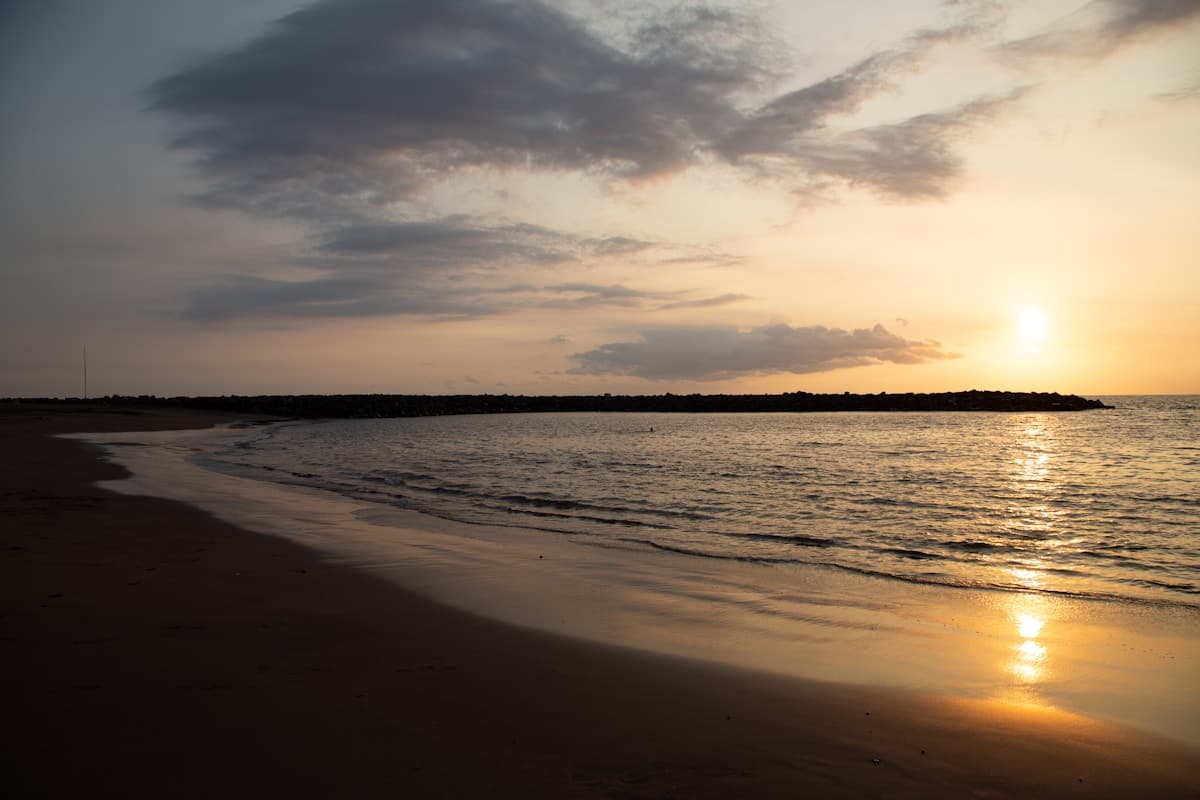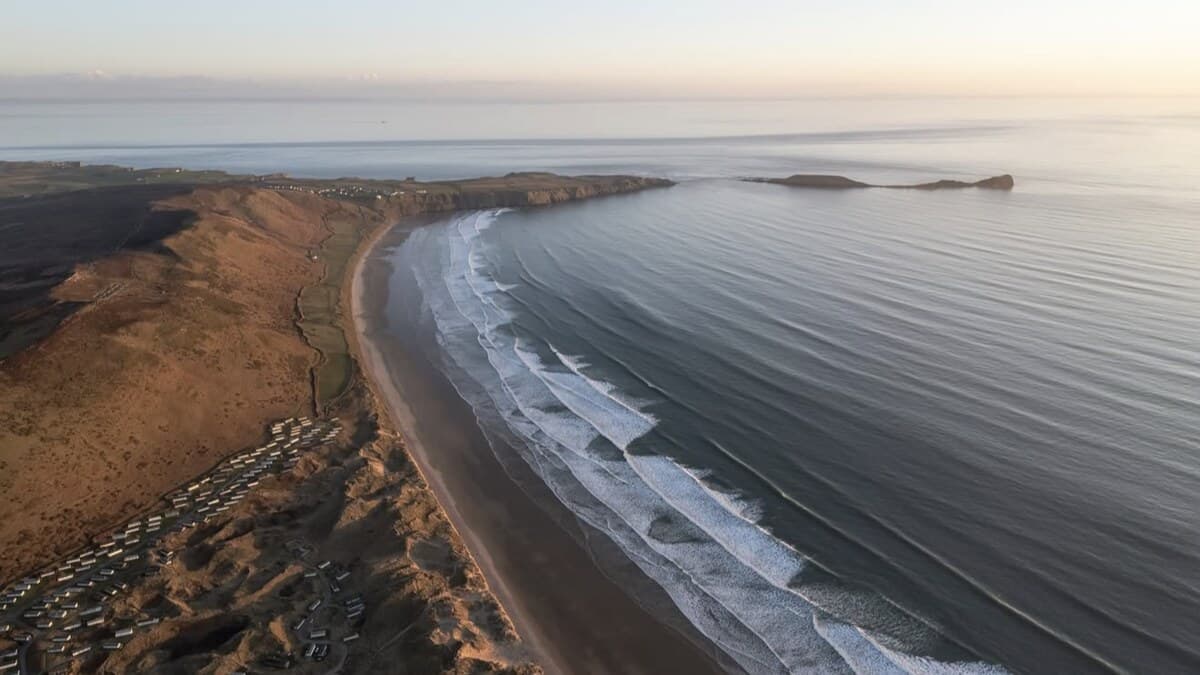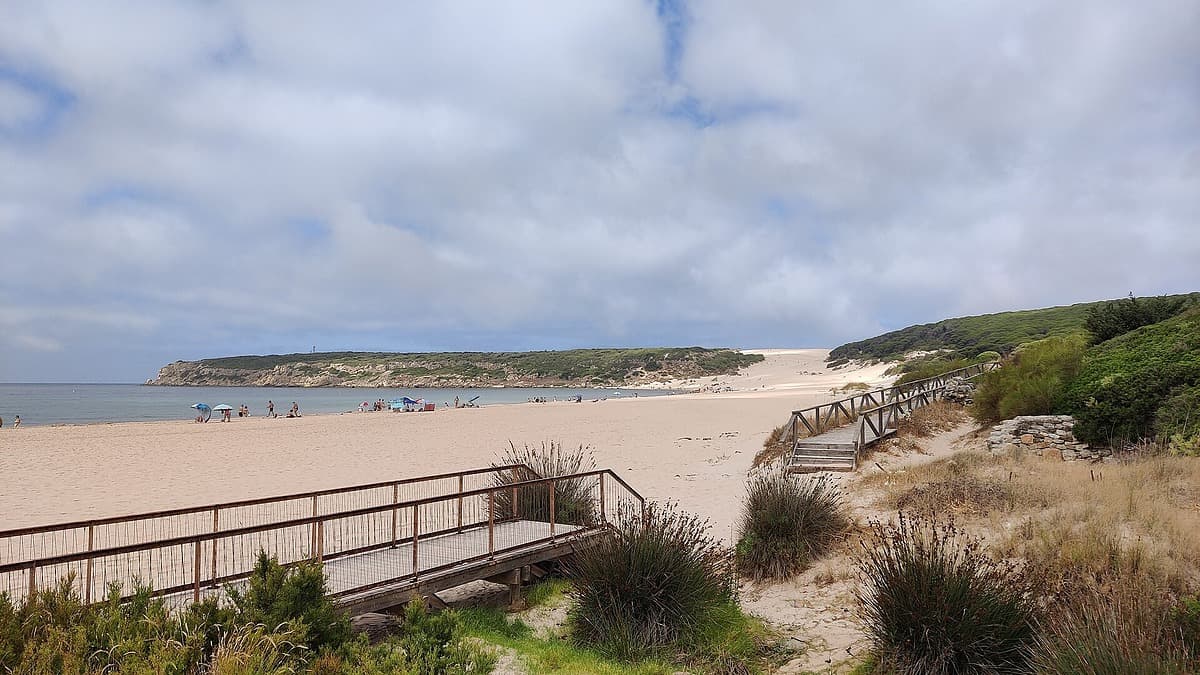
In January the sea off Maspalomas, at the southern tip of Gran Canaria, averages about 20°C. Off Negril, on the western tip of Jamaica, it is closer to 28°C. That eight-degree gap decides most winter sun beach trips: the Canaries are the closest reliable warmth to Britain and Ireland, about four hours away, but the sea you can float in for an hour starts in Cape Verde and the Red Sea, and peaks in the Caribbean and the Andaman Sea.
Below are nine beaches for December 2026 to March 2027, one per destination. The first six are for readers flying from the UK, roughly in order of flight time, from Gran Canaria to Phuket. The last three are for readers in the US and Canada, where the same search is usually typed as "warm beaches in winter".
The biggest change in winter 2026-27 arrives late in the season: on 11 February 2027 Jet2 starts flying to Hurghada and Sharm El Sheikh from Gatwick, Stansted, Manchester, Birmingham and other UK airports.
Winter sun beaches at a glance: sea temperature, air and flight time
Sea temperatures are January averages for 2022 to 2026 from NOAA's daily satellite record (OISST), measured just offshore. For Hawaii and Florida they come from NOAA's coastal station guide. Air temperatures are the long-term average January highs from each country's weather service.
| Beach | January sea (°C) | January high (°C) | Getting there | The drawback |
|---|---|---|---|---|
| Maspalomas, Gran Canaria | 20 to 21 | 21 | About 4 hours from the UK | Sea cools to about 19°C by March |
| Santa Maria, Sal, Cape Verde | 23 | 25 | About 6 hours from the UK | Steady wind; sea dips to 22°C in February |
| Makadi Bay, Egypt | 23 to 24 | 22 | 5 to 6 hours from the UK | Nights fall to about 12°C |
| Seven Mile Beach, Negril, Jamaica | 28 | 30 | 9 to 10 hours to Montego Bay, then a road transfer | Still recovering from Hurricane Melissa |
| Tulum Beach, Mexico | 27 | 29 | 10 to 11 hours to Cancun, then 1.5 to 2 hours by road | Peak-season crowds |
| Kata Beach, Phuket, Thailand | 29 | 32 | TUI flights from Gatwick | The longest trip from the UK |
| Eagle Beach, Aruba | 27 | 30 | 4 hours from New York | January is the end of the rainy season |
| Waikiki, Oahu, Hawaii | 25 | 27 | Honolulu airport, then about 30 minutes by road | Winter is Honolulu's rainy season |
| Clearwater Beach, Florida | 16 | 21 | Tampa airport, then 30 to 40 minutes' drive | Too cold for most swimmers |
Maspalomas, Gran Canaria: the closest reliable heat, with a cool sea
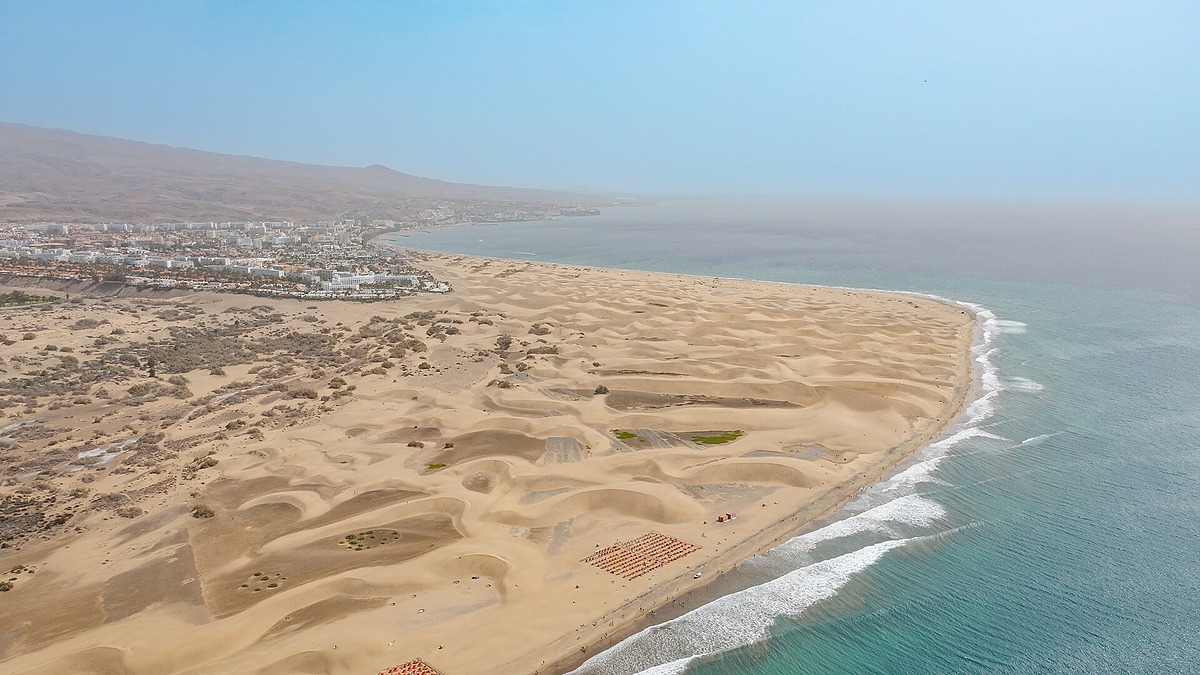
Maspalomas is a 2.7km sweep of golden sand at the bottom of Gran Canaria, running from the old lighthouse to the point where it meets Playa del Inglés, according to the local council's beach guide. Behind the sand, the moving dunes are a protected nature reserve, and the island government's wardens turn anyone found off the marked paths back onto them. A naturist stretch lies between the lighthouse end and Playa del Inglés.
People come for the weather. The average January high at Gran Canaria airport is 20.8°C, with about 184 hours of sunshine and rain on about three days in the month, according to AEMET, Spain's weather agency.
The sea is cooler. NOAA's record puts it at 20 to 21°C in January, a little warmer in December, and down to about 19°C by February and March 2026. That makes a fine swim on a hot afternoon and a short one on a breezy morning.
No beach here is easier to reach. TUI puts the flight from the UK at around four hours, and from Dublin Aer Lingus quotes about 4 hours 40 minutes. Winter 2026-27 is also Jet2's first winter flying from Gatwick, with up to three flights a week to Gran Canaria. By car from Las Palmas, take the GC-1 south, leave at the Maspalomas exit and follow the GC-500 towards the lighthouse.
The island has a wilder side: our Guayedra Beach review covers the boulder bay below the Tamadaba cliffs, with no facilities and big Atlantic surf. Our Tenerife beaches guide and Fuerteventura beaches guide cover the neighbouring islands, including the wind-blown lagoon of Playa de Sotavento. Add about two hours to the flight and the sea gets three degrees warmer.
Santa Maria, Sal: warmer than the Canaries, and windier
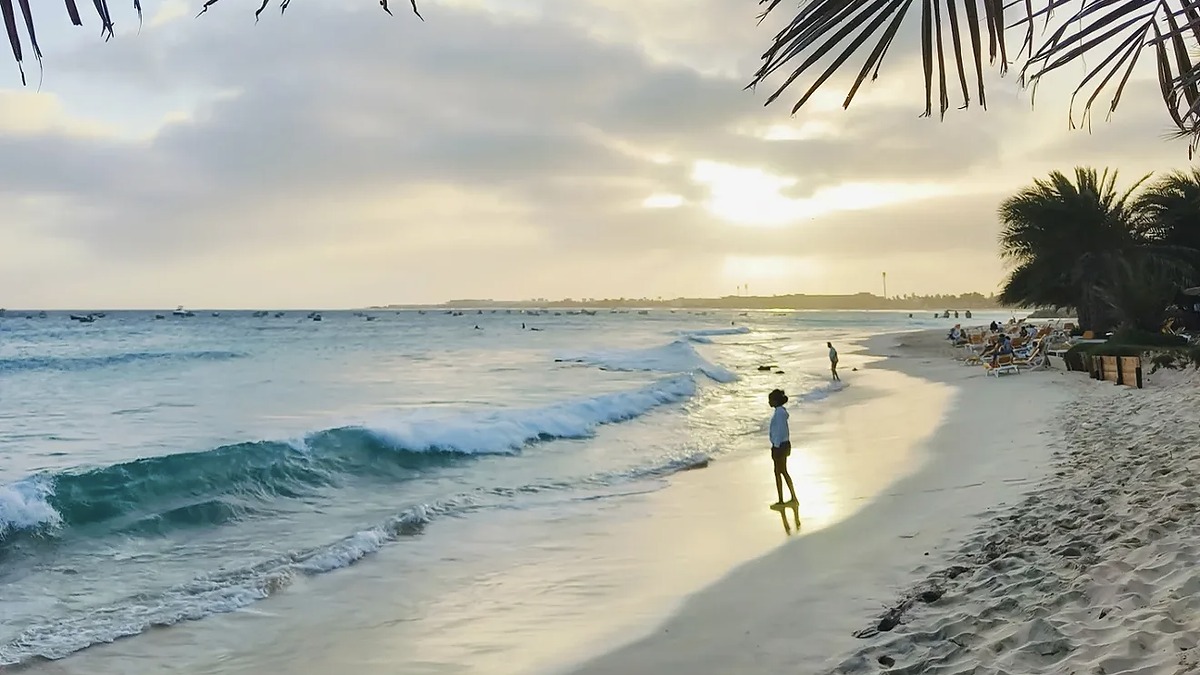
Off the coast of West Africa, the flat, dry island of Sal ends in Santa Maria, a beach town whose sand runs the length of its seafront. Here the January high is 25°C, about four degrees above Gran Canaria, with about 3mm of rain in the month, according to Cape Verde's weather institute (1991 to 2020 averages).
The sea is warmer too. It averaged about 23°C in January from 2022 to 2026, after nearer 25°C in December 2025, and dropped to about 22°C in February 2026.
The wind is the price. Sal lies in the path of the north-east trade wind, which is why kitesurfers base themselves here, and on a gusty afternoon the beach is better for walking than lying flat.
Expect about six hours in the air: TUI gives that time for its East Midlands flights to Boa Vista, the neighbouring island. Egypt's Red Sea coast offers a similar sea at a similar flight time, and from February a much wider choice of flights.
Makadi Bay and Jet2's new Red Sea flights, from February 2027
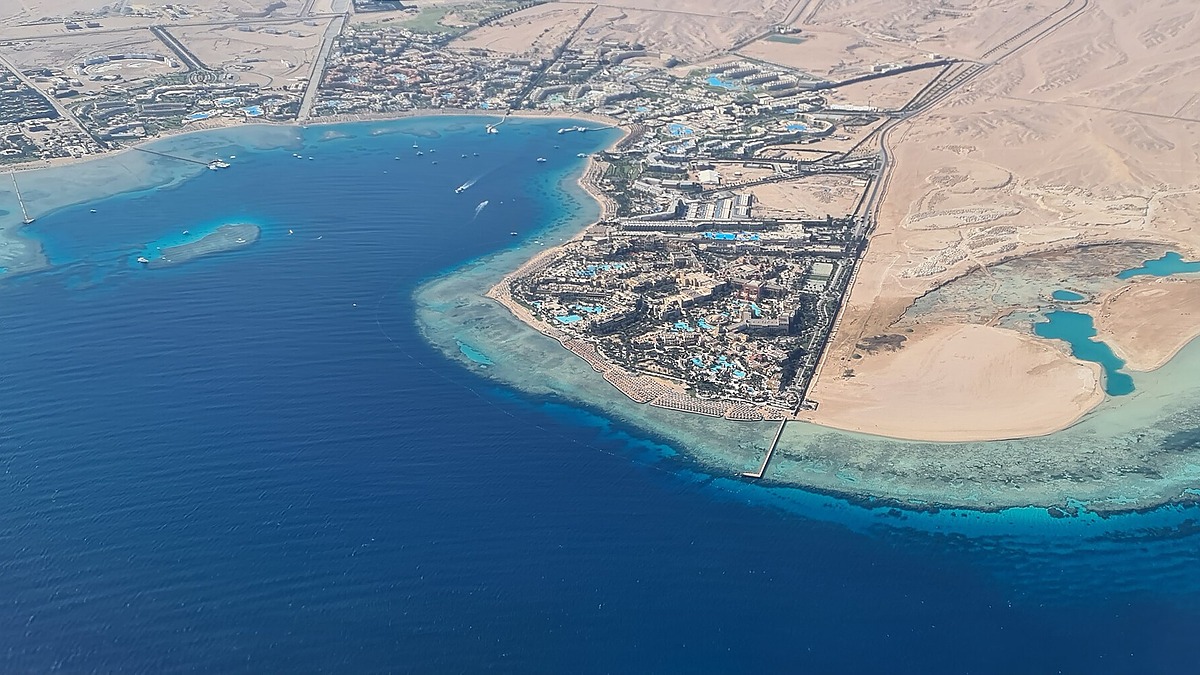
South of Hurghada, Makadi Bay is a stretch of Red Sea coast lined with resort hotels. From February 2027 it is in the Jet2holidays brochure, alongside Hurghada, Sahl Hasheesh, Soma Bay and the Sharm El Sheikh resorts. Jet2's December 2025 announcement put year-round flights to Hurghada and Sharm on sale from 11 February 2027, and its Gatwick winter programme lists both resorts from London Gatwick too.
Hurghada flights start from 11 to 14 February, from London Stansted, Manchester, Birmingham, East Midlands, Glasgow and Leeds Bradford. Before February, TUI flies to Hurghada, and for winter 2026-27 it has added a route from Cardiff. TUI puts the direct flight from the UK at five to six hours.
In January the water can feel warmer than the air. The sea off Makadi averages 23 to 24°C, after about 25°C in December 2025, and was 22.5°C by March 2026. On land, Hurghada's January high is 22.2°C with almost no rain, according to the Egyptian Meteorological Authority's 1991 to 2020 averages.
The FCDO's Egypt advice, last updated on 27 October 2026, does not include Hurghada or the Red Sea resorts among the areas it advises against visiting. Read the current version before you book. Checked November 2026.
Nights are the drawback. Hurghada's average January low is 11.6°C, so a February week means a jumper at dinner. Nights warm enough for a T-shirt mean crossing the Atlantic.
Seven Mile Beach, Negril: Jamaica's sunset beach, a year after Hurricane Melissa
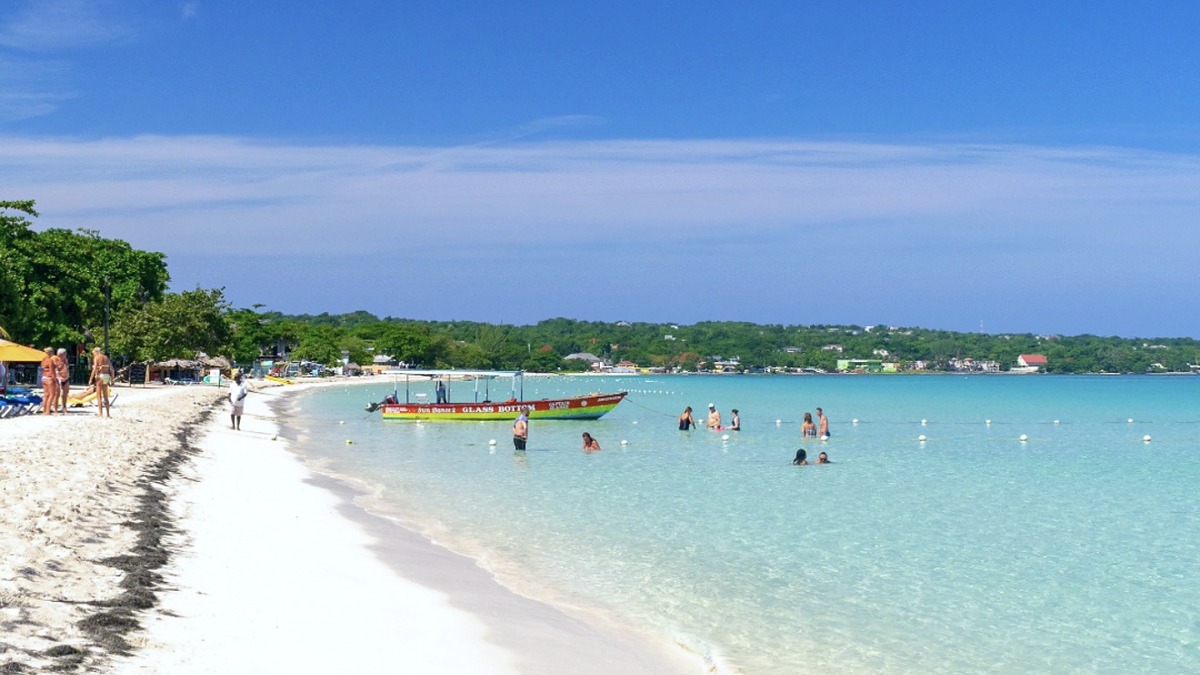
Seven Mile Beach runs north from Negril on the western tip of Jamaica, a long, flat strand of white sand facing the sunset. (The Grand Cayman beach of the same name has its own review.) Negril's nearest international airport is Sangster International in Montego Bay, a road transfer away.
The heat holds right through January. Sangster's average January high is 29.8°C, according to Jamaica's Meteorological Service (1991 to 2020), and the sea off Negril averages about 28°C. Atlantic hurricane season ends on 30 November, so the whole of this window falls outside it.
The storm that matters now is the last one. Hurricane Melissa made landfall in October 2025, and the FCDO's Jamaica advice says all the western parishes suffered significant damage, with some communities still without electricity and piped water. Hotels are reopening in phases, and Royalton Negril returned on 25 August 2026. Confirm your hotel is open, and check the latest advice, before you pay a deposit. Checked November 2026.
Virgin Atlantic flies from Heathrow to Montego Bay four times a week until 27 March 2027, a flight of 9 to 10 hours. From Gatwick, TUI's winter 2026/27 programme adds an extra weekly flight. Mexico's Caribbean coast is an hour further on.
Tulum Beach in the low sargassum months
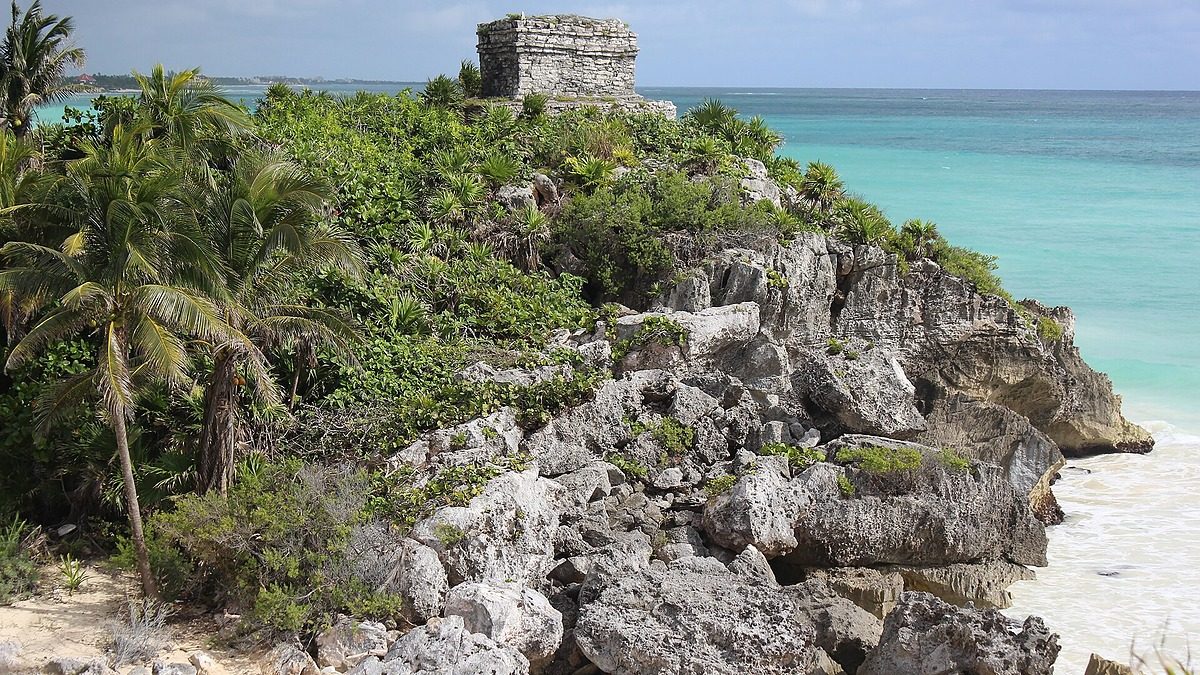
Tulum's beach runs below a clifftop Maya site, with the ruins above the sand at its northern end and beach clubs to the south. Our Tulum Beach review covers it in full: November to April is the driest time and has the least sargassum, the brown seaweed that piles up on this coast in summer.
Winter is the quiet end of the sargassum cycle. Each year, NOAA's CoastWatch says, the seaweed gathers into a belt north of the equator from January or February, drifts north through spring and pours into the Caribbean in summer. Patches still arrive in winter, but less often.
The warmth is close to Jamaica's. Cancun's average January high is 28.7°C, according to Mexico's weather service, and the sea off Tulum averages about 27°C.
Virgin Atlantic flies Heathrow to Cancun on Wednesdays, Fridays and Sundays from 18 October 2026 to 11 April 2027, a flight of 10 to 11 hours. From Cancun airport, Tulum is about 120km down Highway 307, 1.5 to 2 hours by car.
Expect company: December to February is also peak season. Arrive early, or take the quieter coast north of town covered in our Playa Xpu-Ha review. The Cancun beaches guide and Mexico beaches guide cover the rest of the coast.
Kata Beach, Phuket, in the Andaman dry season
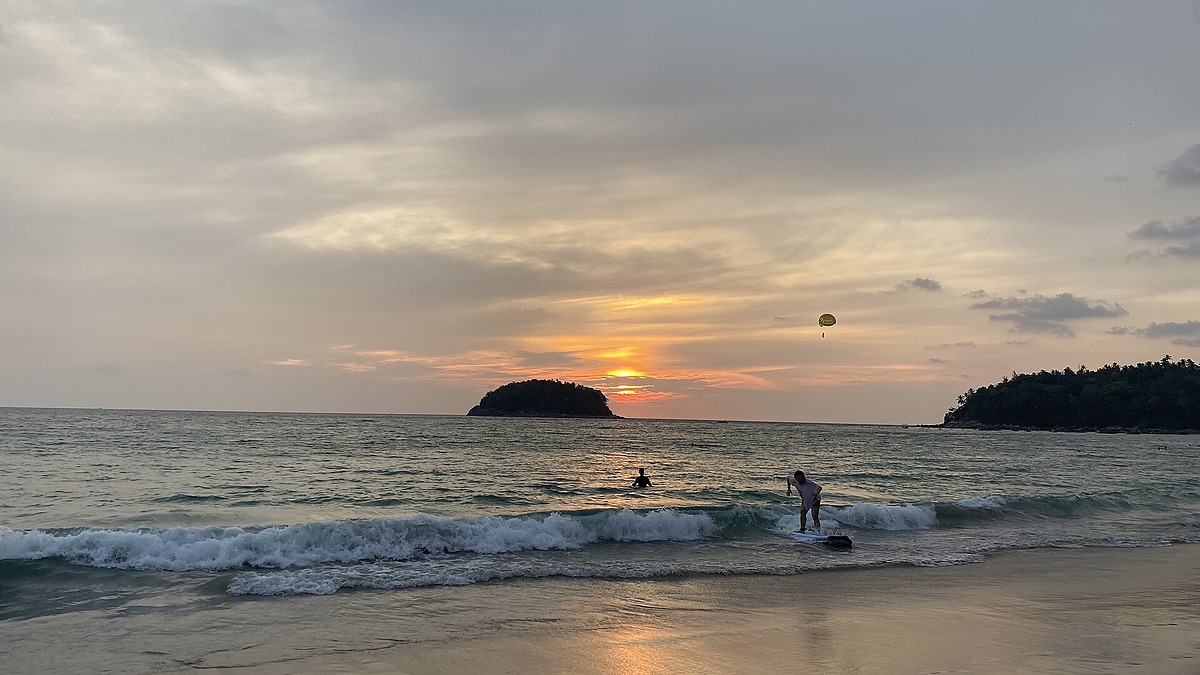
In winter the warmest sea on this list is off Kata, a curved bay on Phuket's west coast, south of Karon. It averages about 29°C in January, and the average January high at Phuket airport is 32.1°C, according to Thailand's weather service.
The same 1991 to 2020 averages show why January works. About 66mm of rain falls over five days, against 399mm over 19 days in September. That gap is the Andaman dry season, which runs from November to April and brings calmer seas to Phuket's west coast.
TUI's winter 2026/27 programme grows its Phuket flying, with holidays departing from Gatwick. It is still the longest trip from the UK on this list.
Two famous Andaman beaches need a warning: Freedom Beach, south of Patong, has been closed since 11 August 2026, and Maya Bay on Phi Phi reopened on 1 October 2026 with swimming banned. Checked November 2026.
Our Thailand beaches guide compares the Andaman and Gulf coasts month by month. The last three picks are for North American readers, starting with Aruba, four hours from New York.
Eagle Beach, Aruba: the driest Caribbean pick, best from February
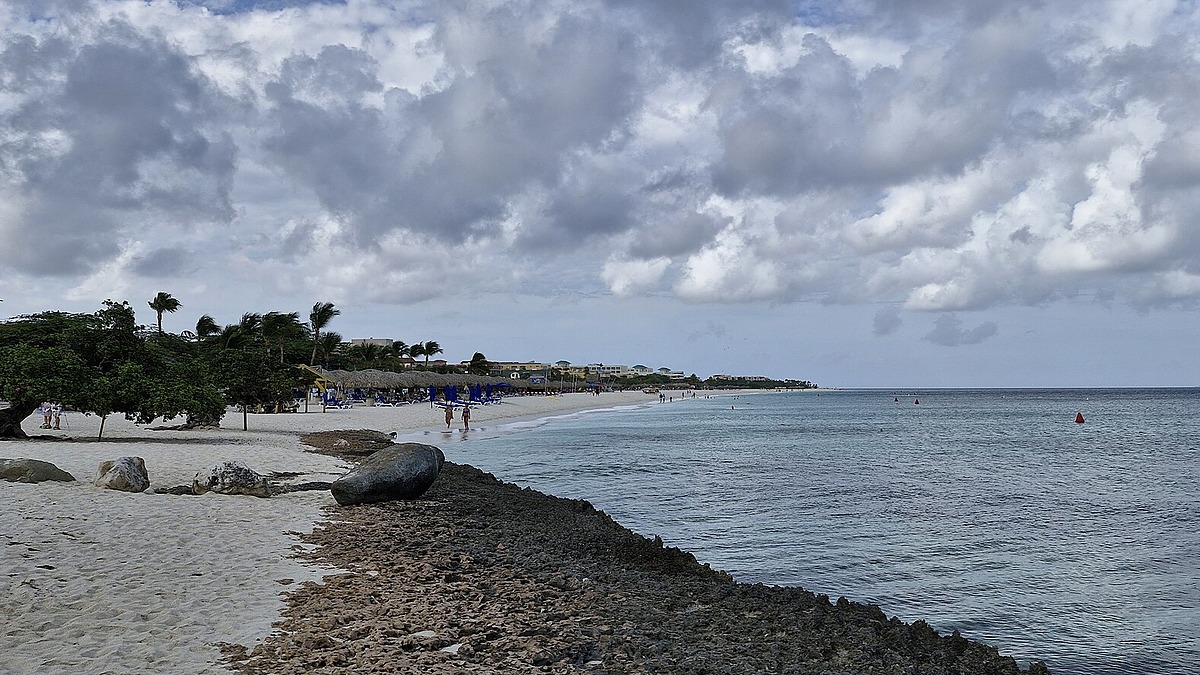
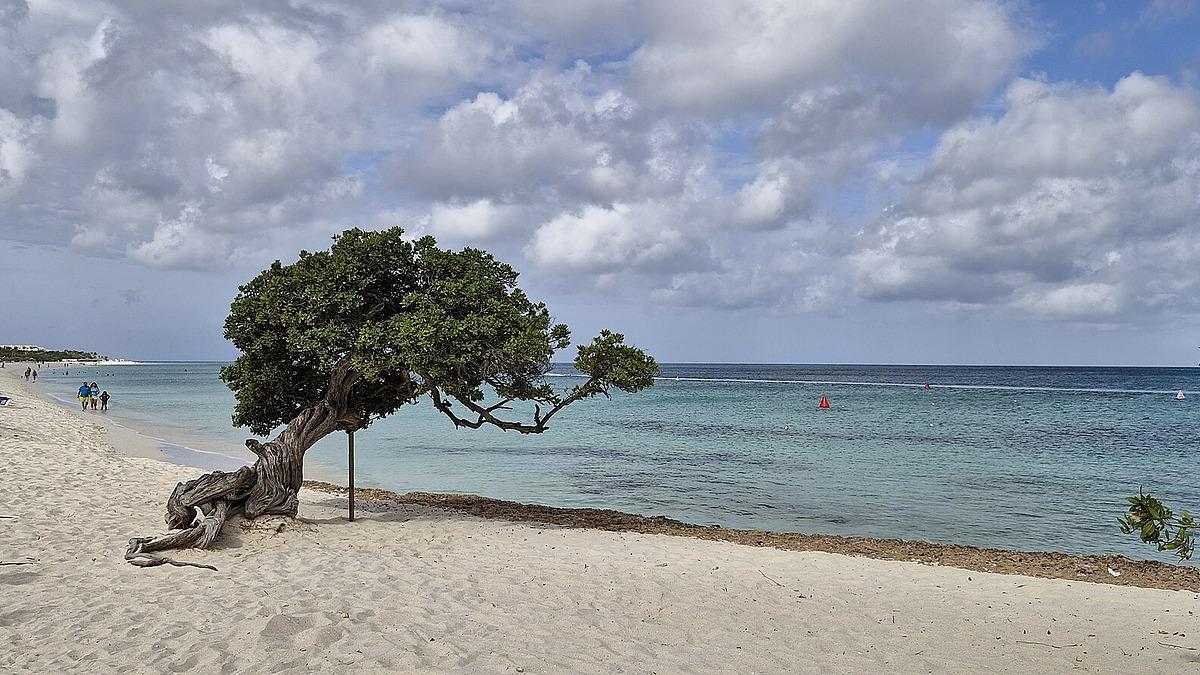
Two much-photographed fofoti trees lean towards the sea on Eagle Beach, a broad strip of white sand on Aruba's west coast. The island's tourism board calls it Aruba's widest beach and says most of the island's turtle nests are found here. There is plenty of parking, along with some shade huts and water sports.
Of the three Caribbean picks, Aruba is the driest: about 450mm of rain a year, against roughly 1,100mm at Montego Bay and Tulum in the 1991 to 2020 records of Jamaica's and Mexico's weather services. It lies on the southern fringe of the hurricane belt and has taken serious tropical cyclone damage about once a century, according to the island's Departamento Meteorologico.
January is the last month of Aruba's rainy season, with 44mm falling over about 11 days and an average high of 30.3°C. February has fewer than half as many rainy days and the lowest cloud cover of the year.
Offshore the sea averages about 27°C. The trade wind blows constantly, averaging about 26km/h in January, which keeps the heat comfortable and the sand moving.
The tourism board puts Aruba four hours from New York and two and a half from Miami, with more than 100 direct flights a week from 14 North American gateways. Its European flights come from the Netherlands, so from the UK expect to connect. On the Pacific side of North America, Hawaii offers similar warmth.
Waikiki in winter: a calm south shore while the North Shore takes the surf
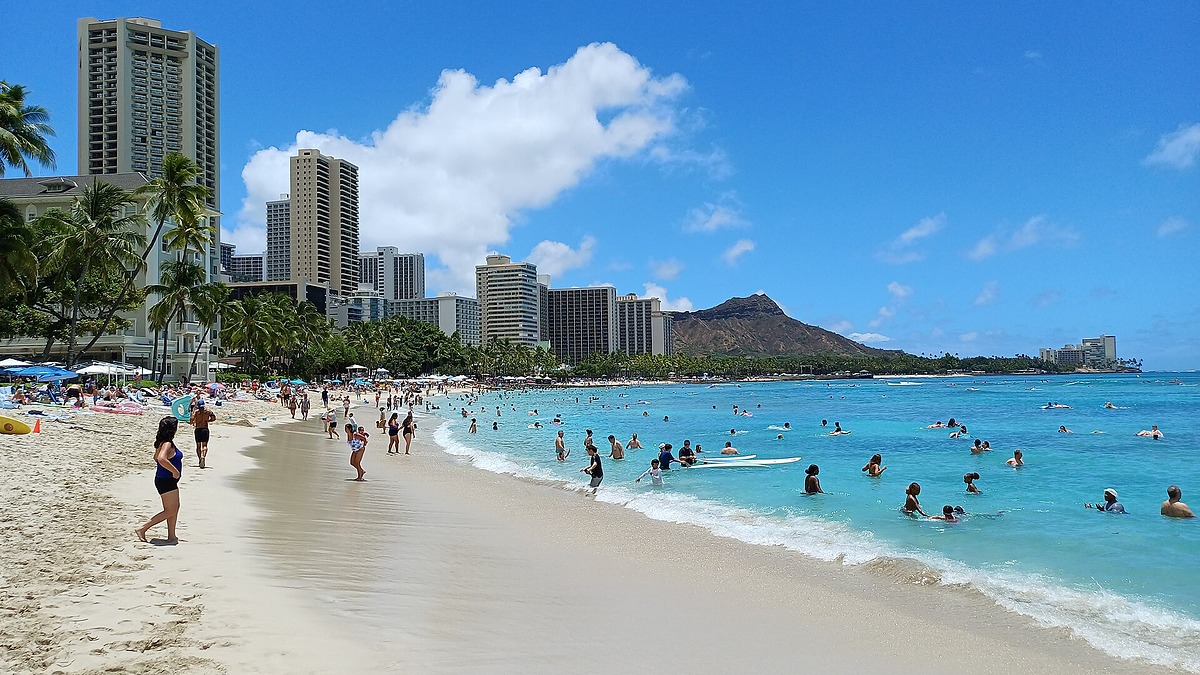
In front of Honolulu's hotel towers, Waikiki is a city beach with gentle reef-broken waves and surf schools along the sand. Our Waikiki Beach review covers lessons, parking and the airport bus.
Winter is the south shore's calm season. North Pacific storms send frequent large surf to the north and west shores in winter, while summer brings the south shore's surf, according to the National Weather Service in Honolulu. The Oahu beaches guide explains which shore to choose in which months.
NOAA's 1991 to 2020 normals put Honolulu's January high at 80.5°F (27°C), with the water at 77°F (25°C). Its forecasters call winter Honolulu's rainy season, but that does not mean rain all the time: normal trade wind weather holds about half the time.
Hawaii's tourism board puts Waikiki about 30 minutes by car from Honolulu's airport, longer in traffic. The last pick, in Florida, has milder air and a much colder sea.
Clearwater in January: warm enough to walk, too cold for most swimmers
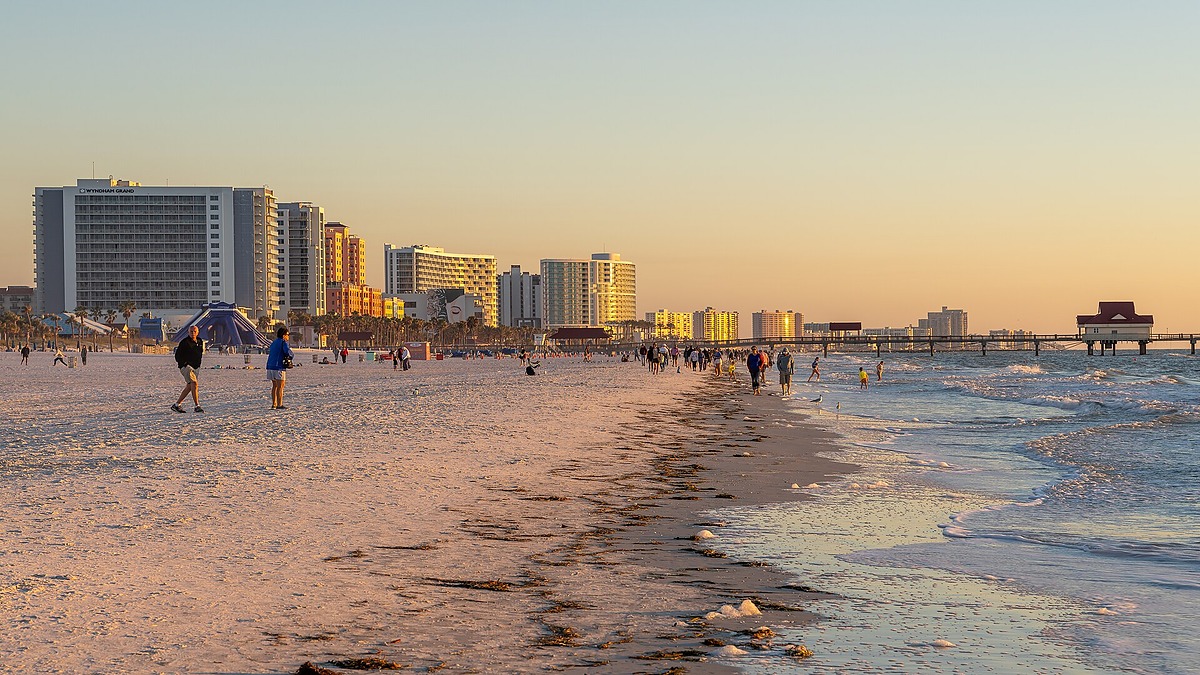
Clearwater is Florida's answer to "warm beaches in winter", and its January water deserves a plain warning. It is a wide white-sand barrier beach on the Gulf Coast, 30 to 40 minutes' drive west of Tampa, and our Clearwater Beach review covers the parking, the causeway traffic and the sunset at Pier 60.
The air is pleasant: the 1991 to 2020 normals for St Petersburg-Clearwater airport give a January high of 70.6°F (21°C) and a low of 52.5°F (11°C). The water is not. NOAA's coastal station guide gives Clearwater Beach a January water temperature of 61.5°F (16°C), and in NOAA's daily satellite record the sea just offshore dipped to about 12°C at its coldest, in January 2025.
Come for long walks, sunsets and seafood rather than swimming, or wait for March, when the station guide's water figure reaches 69.2°F (21°C), the same as the Canaries in December. Our Florida beaches guide covers the rest of the state, including Key West, where the January water figure is 72.5°F (22.5°C).
Where is hot in December, January, February and March?
The sea follows the calendar more slowly than the air, so the best pick shifts from month to month:
- December: The Red Sea and Cape Verde are still at their warmest of the winter, with the sea near 25°C off Makadi Bay and Sal in December 2025. Gran Canaria holds about 21°C.
- January: The coolest month in the air in the Canaries and Egypt. For a sea of 25°C or more, go to Negril, Aruba, Tulum, Waikiki or Kata.
- February: Aruba's driest stretch begins, and Jet2's Egypt flights start on 11 February. Off the Canaries, Sal and Egypt the sea is at or near its coolest.
- March: Clearwater's water reaches about 21°C, while Gran Canaria's sea is at its winter low of about 19°C.
Visas and entry fees for Egypt, Cape Verde and Aruba
Sort these before you fly. Checked November 2026.
- Egypt: UK visitors need a visa, either an e-visa bought online or a visa on arrival for US$30 in cash. If you fly into Sharm El Sheikh and stay less than 15 days in the resorts of Sharm, Dahab, Nuweiba or Taba, a free entry stamp replaces the visa. It does not cover Hurghada or Makadi Bay.
- Cape Verde: no visa is needed for stays of up to 30 days, but you must pre-register on the government's EASE website at least five days before arrival and pay the airport security fee of 3,400 escudos (about €31) there. Since 1 July 2026, anyone who arrives without it pays double at the border.
- Aruba: every visitor fills in the online ED card in the seven days before arrival, and it collects Aruba's US$20 sustainability fee.
What to book now for winter 2026-27
Most of the new flying for winter 2026-27 is already on sale. If you are tied to school holidays, book Christmas and February half-term first.
- Egypt: Jet2 flights to Hurghada and Sharm El Sheikh from 11 February 2027, from airports including Gatwick, Stansted, Manchester and Birmingham.
- Jet2 from Gatwick: Jet2's first winter at Gatwick includes up to three flights a week to Gran Canaria, plus new routes to Agadir and Madeira from October 2026.
- Jamaica and Thailand: TUI has added an extra weekly Gatwick flight to Montego Bay and more capacity to Phuket for winter 2026/27.
- Mexico: Virgin Atlantic flies Heathrow to Cancun three times a week until 11 April 2027.
If you want a sea you can swim in for an hour without thinking about it, the line falls between the Canaries and everywhere further south. Gran Canaria is the best short-flight bet for sunshine, and Sal or Makadi Bay add three degrees to the water. For the full Caribbean warmth in winter 2026-27, Aruba is the driest and Negril has the sunsets, as long as your hotel has reopened.