Tenerife is the biggest of the Canary Islands and the one that gets the most visitors, somewhere around six million a year. The appeal is simple: reliable sunshine, warm water, cheap flights from half of Europe, and beaches that range from manicured resort strips to wild volcanic coves where the Atlantic crashes in with serious force. It's also one of the best winter sun destinations anywhere, which is why you'll hear more British and German accents than Spanish ones between November and March.
The beaches here split into two very different categories. In the south, you get golden sand (mostly imported from the Sahara), calm water, and resort infrastructure. In the north, you get volcanic black sand, bigger waves, dramatic green cliffs, and far fewer tourists. Both sides of the island are worth your time, but they offer completely different experiences.
South vs North: Two Different Islands
This is the most important thing to understand about Tenerife beaches. The island has a massive volcano, Mount Teide, sitting right in the middle at 3,718 metres. It acts as a weather barrier. The south side gets consistent sunshine, blue skies, and barely any rain. The north side catches moisture-laden trade winds, making it greener, cloudier, and occasionally wet.
For beach days with guaranteed sun, the south wins. For dramatic landscapes and fewer crowds, the north is better. Most holiday resorts are in the south, clustered around Los Cristianos, Playa de las Americas, and Costa Adeje. The north has smaller towns, more local character, and beaches that feel properly Atlantic rather than Mediterranean.
If you're weighing Tenerife against the other Canary Islands, the neighbouring island of Fuerteventura has arguably better natural sand beaches. Check our reviews of Playa de Cofete and Playa de Sotavento for two of the best.
Playa de las Teresitas
Las Teresitas is Tenerife's most famous beach, and it has an unusual backstory. In the 1970s, the local government shipped in thousands of tonnes of golden sand from the Sahara Desert and dumped it on what was previously a rocky shoreline. The result is a 1.3-kilometre stretch of golden sand backed by palm trees, sitting just north of the capital Santa Cruz.
The imported sand gives it a completely different feel from every other beach on the island. The water is calm thanks to a breakwater, the entry is gentle, and the setting with the Anaga mountains rising behind does the work for you. On weekdays outside of holiday periods, it's surprisingly quiet. Weekends bring local families in numbers, and finding parking becomes a challenge.
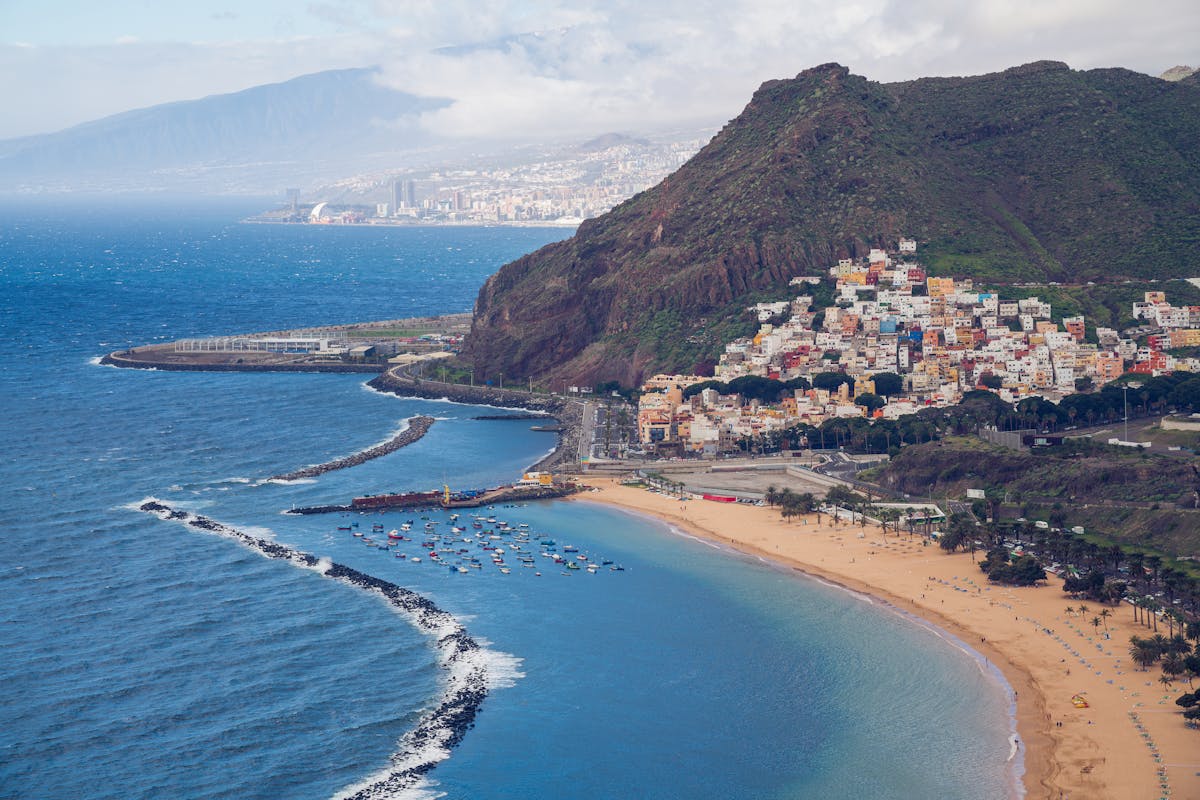
There are a few chiringuitos (beach bars) selling drinks and basic food, but the facilities are modest compared to the resort beaches in the south. It's about a 15-minute drive from Santa Cruz, and the winding coast road offers some excellent views on the way. Bus number 910 runs from the city if you don't have a car.
Playa del Duque, Costa Adeje
Playa del Duque is the upmarket end of the southern resort strip. The sand is golden (imported, like most southern beaches), the water is calm and warm, and the surrounding development is noticeably more polished than the budget resorts further east. Five-star hotels line the promenade, and the beach bars serve cocktails that cost 8 to 12 euros.
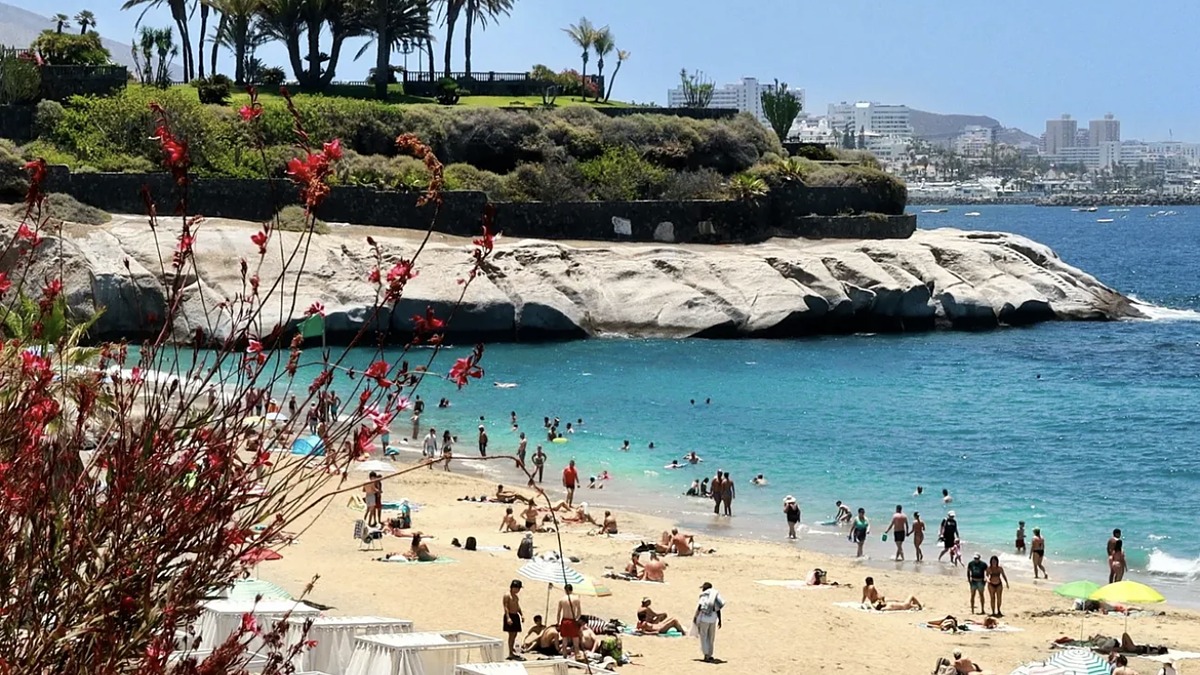
The beach itself is about 300 metres long and well maintained. Sunbed hire runs around 8 to 10 euros for a pair, and there are showers and changing facilities. The water is shallow near the shore, which makes it good for families with young children. Lifeguards are present during summer months.
This is the beach for people who want comfort, clean facilities, and a resort atmosphere without any rough edges. It's not wild or dramatic, but it delivers exactly what it promises. If the southern resort vibe isn't your thing, you'll find it bland. If you just want to lie on a sunbed with a cold drink and swim in warm, clear water, it does that job well.
Playa de Benijo, Anaga (North)
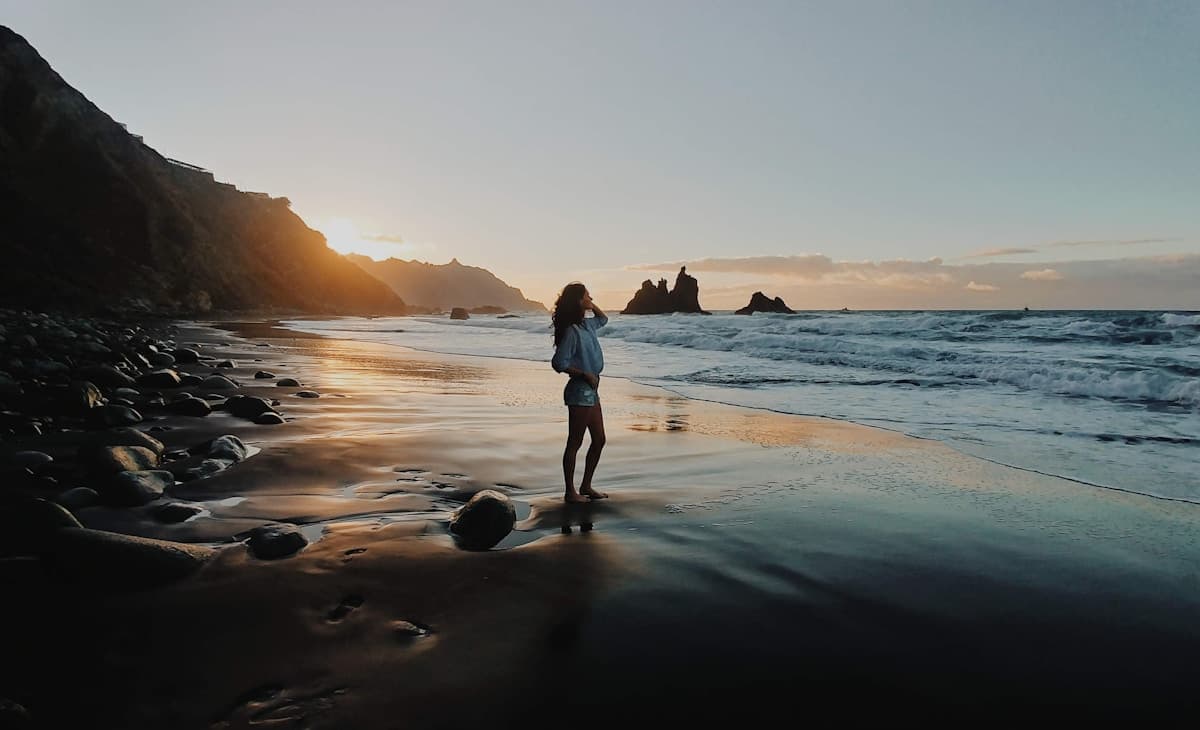
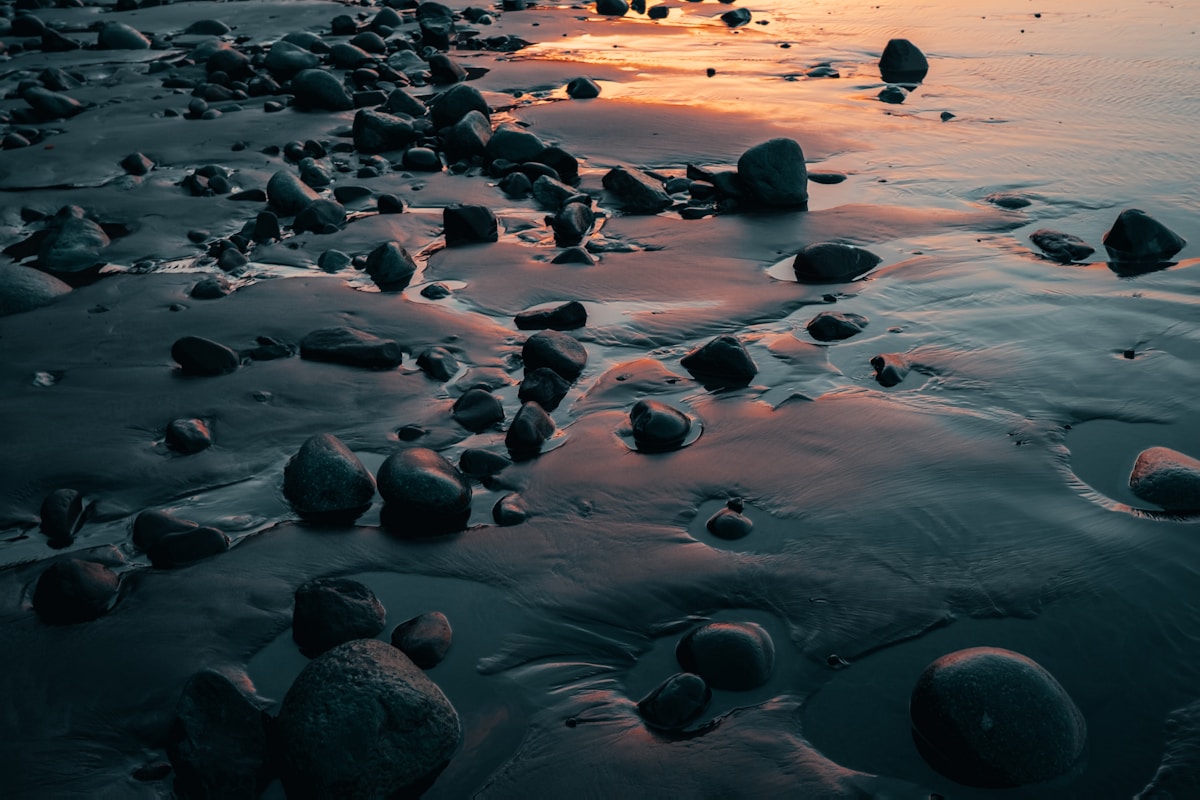
Benijo is the opposite of everything in the south. This is a wild black sand beach on the northern tip of the island, sitting below the Anaga Rural Park. The sand is dark volcanic basalt, the waves are powerful, and the Roques de Anaga (two massive rock formations) rise from the sea just offshore. It's one of the most photogenic spots in Tenerife.
Getting there means driving through the Anaga mountains on narrow, winding roads. The drive itself is spectacular, through dense laurel forest that feels more like a rainforest than a Spanish island. Parking is limited to a small dirt area above the beach, and from there you walk down a steep path for about 10 minutes.
Swimming here requires caution. The currents can be strong, and there are no lifeguards. On calm days the water is manageable for confident swimmers, but when the swell picks up it's a watching-only beach. Sunset is the best time to visit. The light hits the black sand and those offshore rocks in a way that makes everything glow.
There's a single restaurant at the top of the cliff, El Mirador, that serves decent local food with a view straight down to the beach. Try the grilled fish. It's simple, fresh, and costs about 10 to 14 euros for a main course.
Los Gigantes
Los Gigantes is known for the massive cliffs that tower 600 metres above the ocean on the western coast. The beach itself is small, a compact strip of black volcanic sand and pebbles sitting at the base of the cliffs. Space is limited and it fills up quickly, but the setting is extraordinary. Those sheer walls of rock dropping straight into deep blue water are the kind of thing that photos don't quite capture.
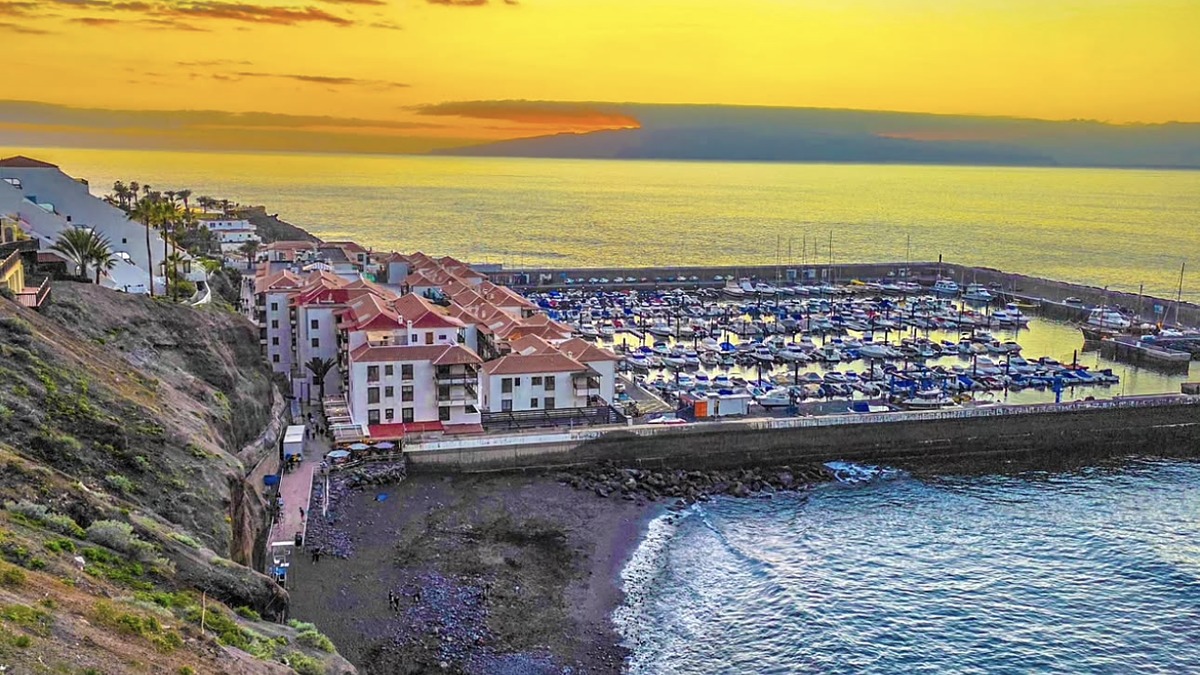
The water here is deep and clear close to shore, which makes it popular for snorkelling. You can also book boat trips from the marina to see the cliffs from the water, and whale watching tours depart from here regularly. Pilot whales and bottlenose dolphins are common in the strait between Tenerife and La Gomera.
The town of Los Gigantes is small and quiet compared to the southern resorts. Restaurants are local-feeling rather than touristy, and prices are reasonable. Accommodation is mostly apartments and smaller hotels. It's a good base if you want the western coast beaches without the resort sprawl of the south.
Playa de la Arena
About 10 minutes south of Los Gigantes, Playa de la Arena is a well-kept black sand beach that consistently wins Blue Flag awards. The volcanic sand is fine and soft, darker than most black sand beaches, and the whole setup is orderly. Clean facilities, lifeguards, good accessibility, and a promenade with restaurants behind the beach.
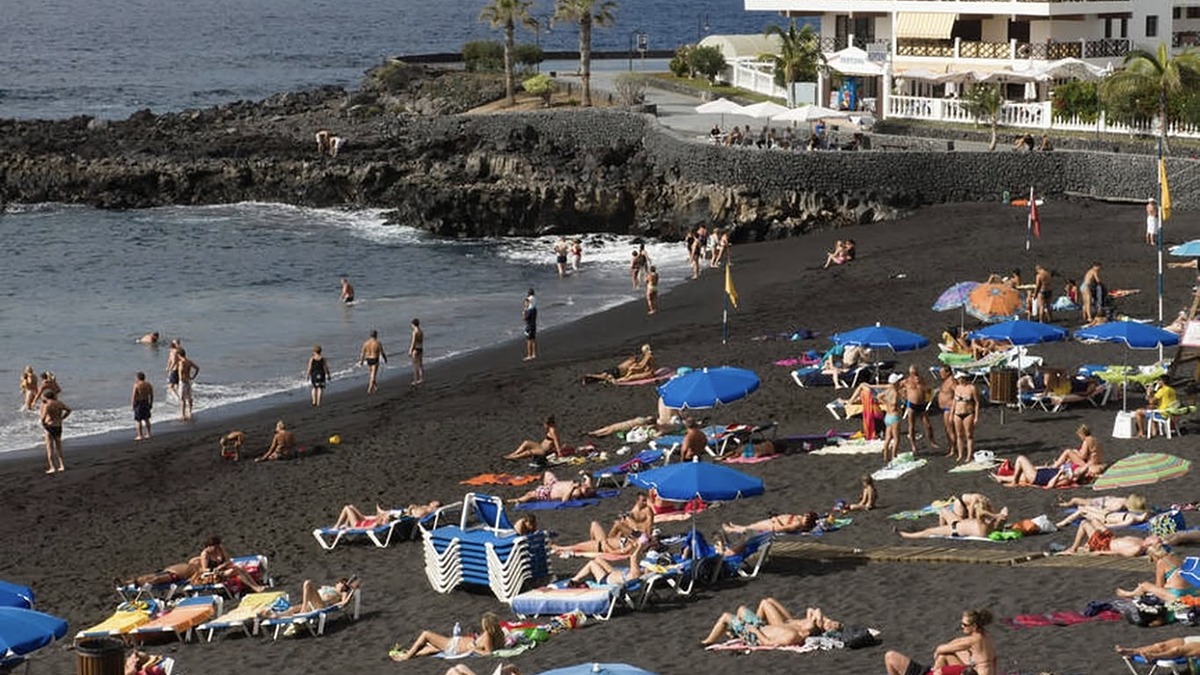
This is one of the best swimming beaches on the west coast. The bay is somewhat sheltered, so waves are smaller than the exposed northern beaches, and the water is clean. Sunbeds cost around 6 to 8 euros, and there are free showers at several points along the beach.
The black sand gets hot in direct sun, especially in summer afternoons. Sandals are worth keeping nearby. Morning visits are best for both temperature and space, as the beach fills up from about 11am in peak season. If you're based in the south and want to experience proper volcanic sand without driving all the way to the north coast, this is the most accessible option.
El Medano
El Medano is Tenerife's wind capital. This long sandy beach on the southeastern coast catches consistent trade winds that make it one of the best windsurfing and kitesurfing spots in Europe. If you're into board sports, you already know about this place. If you're not, bring something to anchor your towel or it'll end up in the Atlantic.
The main beach, Playa de El Medano, stretches for about a kilometre of golden sand. Further south, Playa de la Tejita is a longer, wilder strip backed by the volcanic cone of Montana Roja. La Tejita has a section that's popular with naturists and a rougher, less developed feel. Both beaches offer good swimming when the wind is manageable, though on strong wind days the sand gets whipped around and the experience is less relaxing.
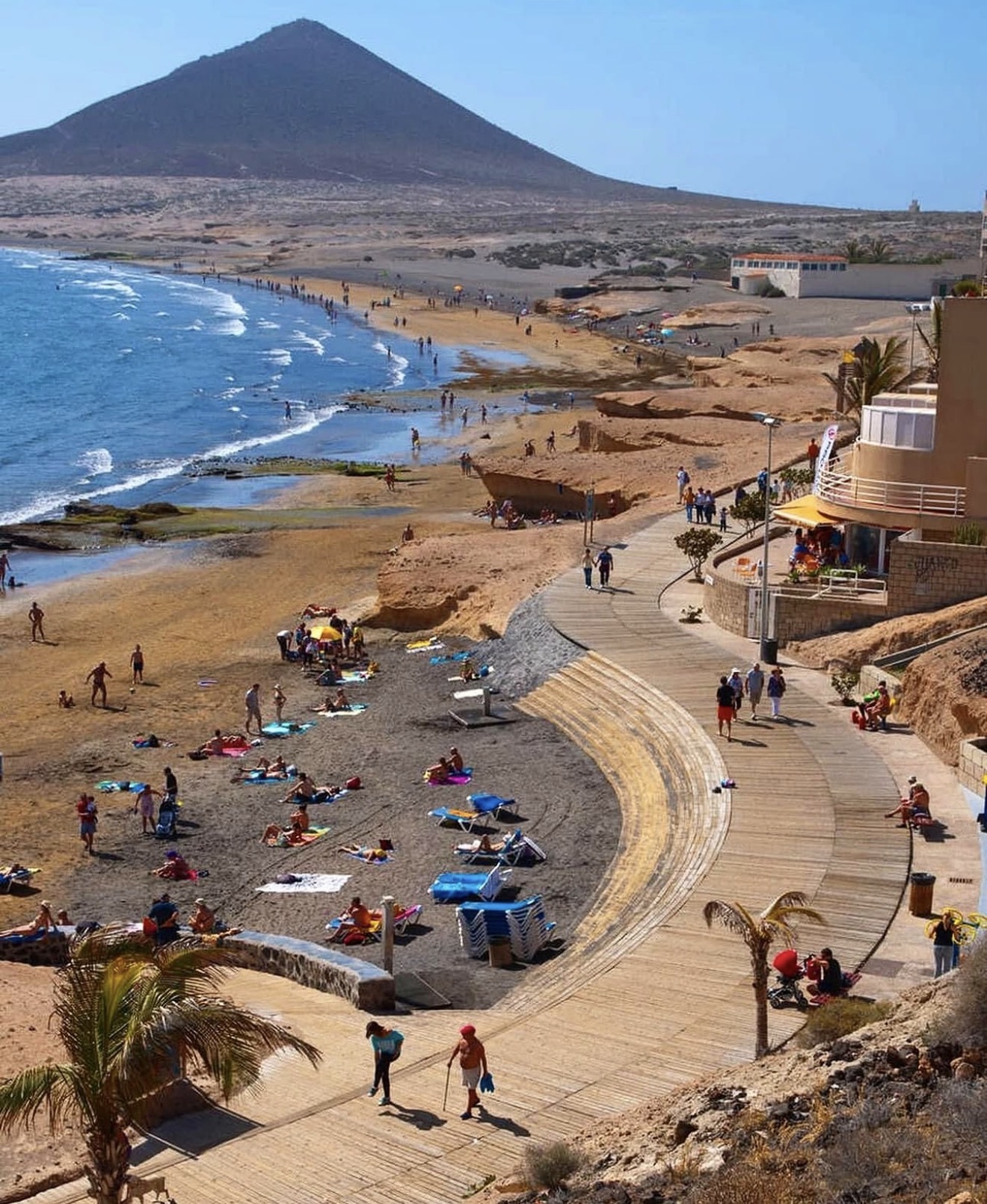
The town itself has more character than the resort areas. Surf shops, tapas bars, and a small harbour where fishing boats sit alongside rental catamarans. Accommodation is cheaper than Costa Adeje, and the crowd skews younger and more active. It's the best part of Tenerife if you want something that doesn't feel packaged.
Playa de las Americas
This is the most divisive beach on the island. Playa de las Americas is the epicentre of Tenerife mass tourism, a long stretch of dark sand lined with high-rise hotels, British pubs, fast food joints, and souvenir shops selling inflatable flamingos. If your idea of a beach holiday involves karaoke bars and all-inclusive buffets, you'll feel right at home. If you're after something more authentic, you'll want to keep driving.
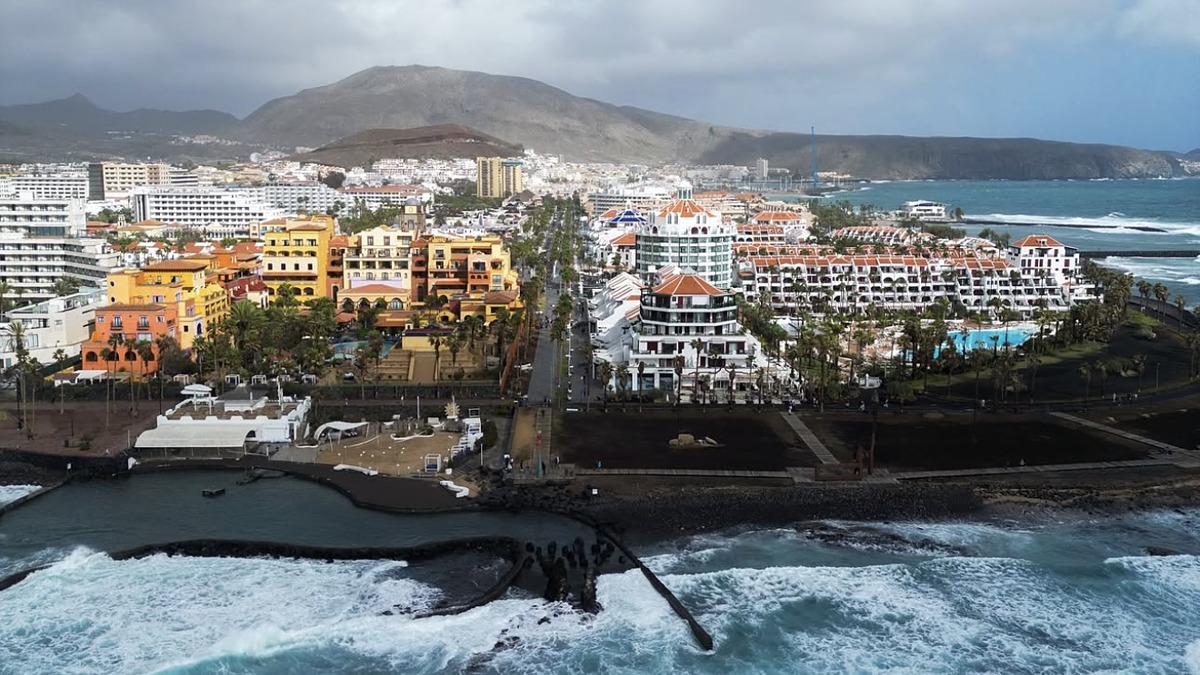
The beach itself is fine for swimming. The water is warm, there are lifeguards, and the facilities are extensive. Sunbed rentals, parasols, showers, restaurants every 50 metres. It's perfectly functional. What it lacks is any kind of charm or character. The whole area was purpose-built for tourism in the 1980s and it shows.
That said, Playa de las Americas has its place. It's cheap, convenient, and has the most reliable sunshine on the island. For a week of doing very little except swimming, eating, and drinking in the sun, it works. Just don't expect to feel like you've discovered something special.
Water Temperatures and the Winter Sun Factor
One of Tenerife's biggest selling points is the water temperature. Thanks to the warm Canary Current, sea temperatures hover between 19 and 21 degrees in winter and climb to 22 to 24 degrees in summer. That winter figure is warmer than the Mediterranean gets in June, which is why northern Europeans flock here from November through March.
Air temperatures in the south sit between 20 and 25 degrees in winter, making it one of the warmest spots in Europe during those months. The north is a few degrees cooler and gets more cloud, but even there you're looking at pleasant conditions compared to a British or German winter. Pack a light jumper for evenings, but you'll live in shorts and t-shirts during the day.
For anyone coming from the UK specifically, the flight is about 4 to 4.5 hours, and budget airlines keep prices competitive, often under 100 pounds return if you book ahead. It's one of the reasons Tenerife consistently ranks among the most popular destinations for British holidaymakers year-round.
Getting Around the Beaches
Renting a car is the best way to see more than one or two beaches. Expect to pay 20 to 35 euros per day from the airport agencies, though booking online in advance is cheaper. The motorway system is good, and the drive from the south coast to the north takes about an hour.
TITSA buses connect the main resort towns in the south reliably, but reaching the northern beaches by bus requires planning and patience. Benijo and the Anaga coast buses run infrequently, and the mountain roads mean journeys take longer than you'd expect from the distance. If the northern beaches are on your list, a car is practically essential.
If you're weighing up Tenerife against other options for a beach holiday in October, it's one of the safest bets for reliable warmth and swimming conditions. And if you're planning a broader trip around the Canary Islands, combining Tenerife with Fuerteventura gives you the best of both worlds: volcanic drama on one island, endless natural sand on the other. Check our piece on what to bring to the beach before you pack, especially if you're heading to the windy southeast coast.