Oahu is essentially four different beach holidays glued onto one island. The windward side is calm and turquoise. The North Shore is a winter surf theatre and a summer swimming hole. The south shore is Honolulu, Waikiki, and the steady tourist engine. The southeast corner is where you snorkel. Pick the wrong shore for the wrong month and you will spend your trip looking at red flags and closed beach signs.
This guide is organised by shore, with notes on which season each one actually works in. Lanikai's parking situation has changed for 2026, Hanauma Bay's reservation system is now strictly enforced, and Waimea Bay closes for swimming the moment winter swell shows up. The boring logistics matter on this island more than any other in the chain, so we have built them into each section rather than buried them at the end.
Lanikai Beach: The Postcard, With a Catch
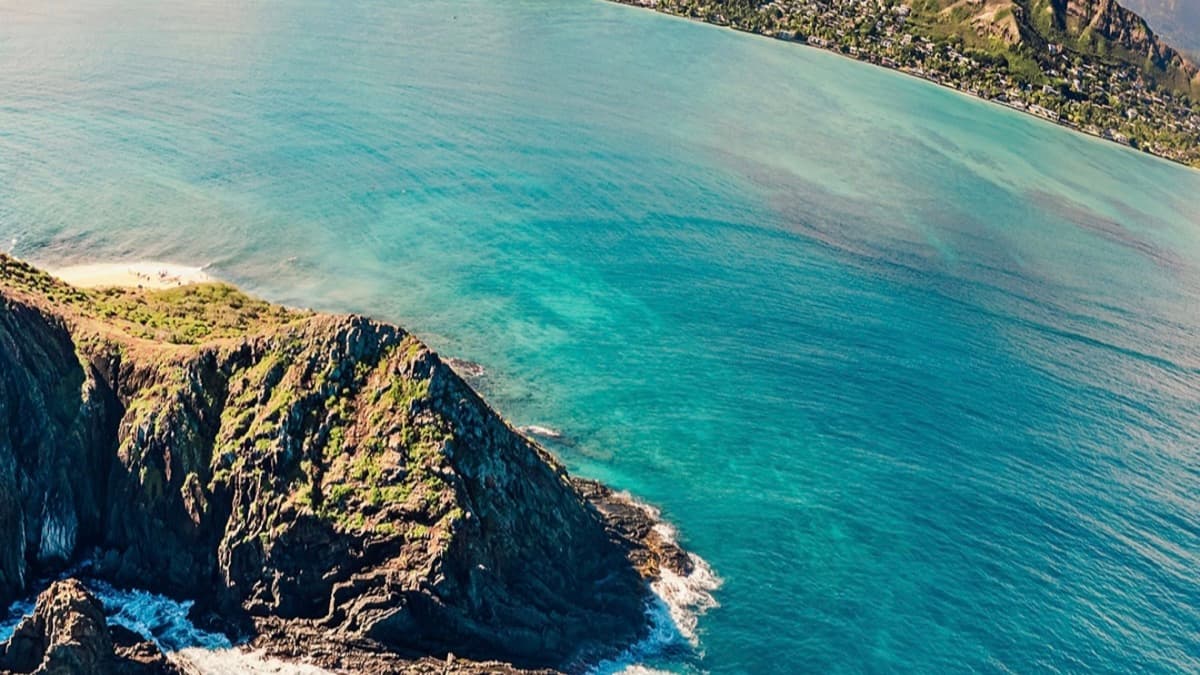
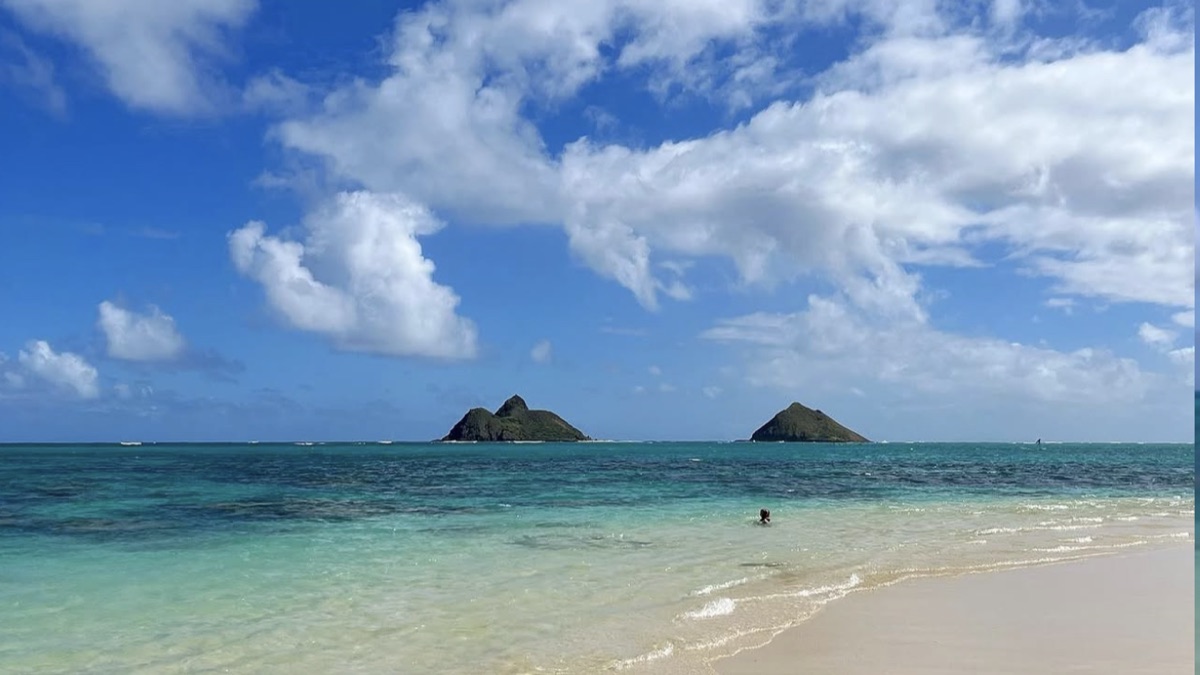
If you have seen one Oahu photo in your life, it was probably Lanikai. Powder-soft white sand, water somewhere between turquoise and aquamarine, and the two small Mokulua islands sitting just offshore as if a stylist placed them. The beach itself is everything the marketing says it is.
The catch is access. Lanikai is a residential neighbourhood, not a beach park, with no public car park, no public toilets on the sand, and a community that has spent years lobbying the city for relief from holiday traffic. In 2026 the City and County of Honolulu finalised a transportation management plan that permanently bans parking on the Lanikai loop roads, with the full ban being phased in through July. Mokulua Drive and Aalapapa Drive already have no-parking zones year-round.
What this means for you: do not drive directly to Lanikai expecting to park. Instead, park at Kailua Beach Park (which has proper facilities and a public lot) and walk or bike the 10 to 20 minutes to Lanikai. Bike rentals in Kailua town make this easier than it sounds. TheBus Route 671 runs from Kailua town into Lanikai if you would rather not walk. Tickets for street parking violations in Lanikai are aggressive and routine, so this is not a corner to cut.
Once you arrive, the swimming is calm and warm, the snorkeling around the Mokes is decent on flat days, and weekday mornings are quieter than the photos suggest. Avoid weekends and public holidays unless you genuinely enjoy crowds.
Kailua Beach Park: Lanikai's Bigger, Easier Sister
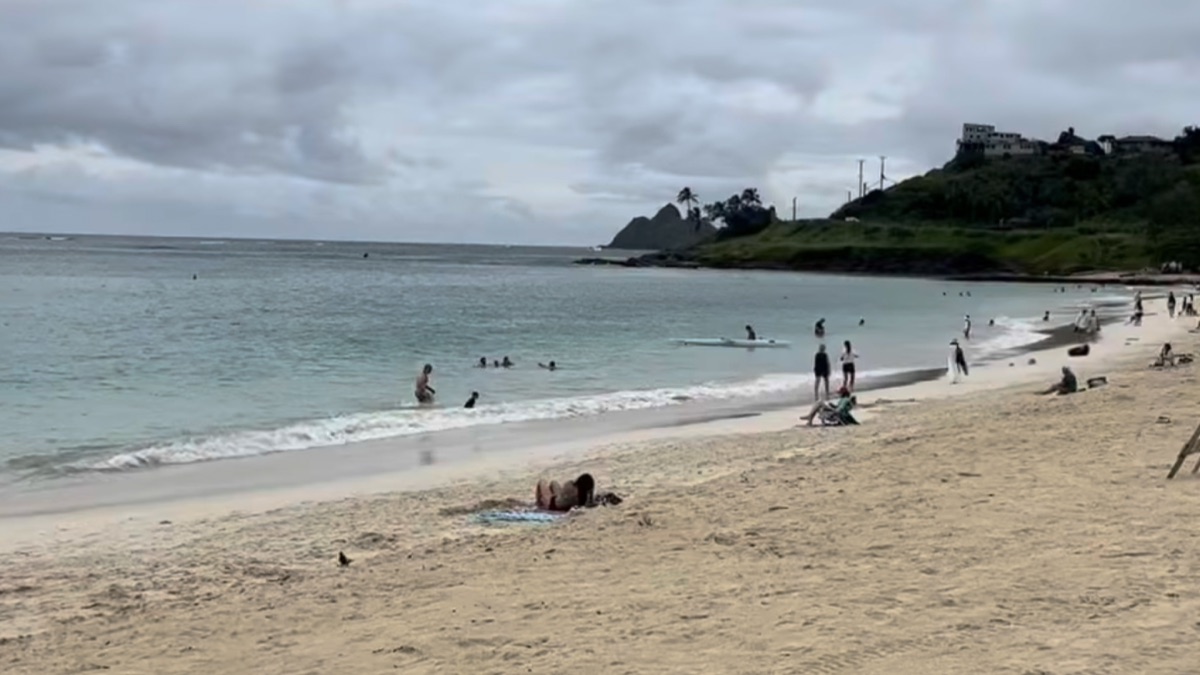
Five minutes around the headland from Lanikai sits Kailua Beach Park, and the cost-benefit ratio here is much better. Same fine white sand. Same turquoise water. Public car park, lifeguards, picnic tables, restrooms, kayak and paddleboard rentals, and far less of the access drama.
Kailua catches the trade winds more directly than Lanikai, which means the water is slightly choppier on most days but also why this is the windsurfing and kitesurfing capital of the island. If your idea of a good beach day involves doing something on the water rather than just lying next to it, Kailua is the better pick.
The bay is wide enough to absorb a busy weekend without feeling oppressive, and the grass and ironwood trees behind the beach mean shade is actually possible without renting an umbrella. Locals from Kailua town do their morning swim here. Visitors who arrive without a Lanikai parking plan end up here too, and most of them are happier for it.
Waimanalo Beach: Three Miles of Almost Nothing
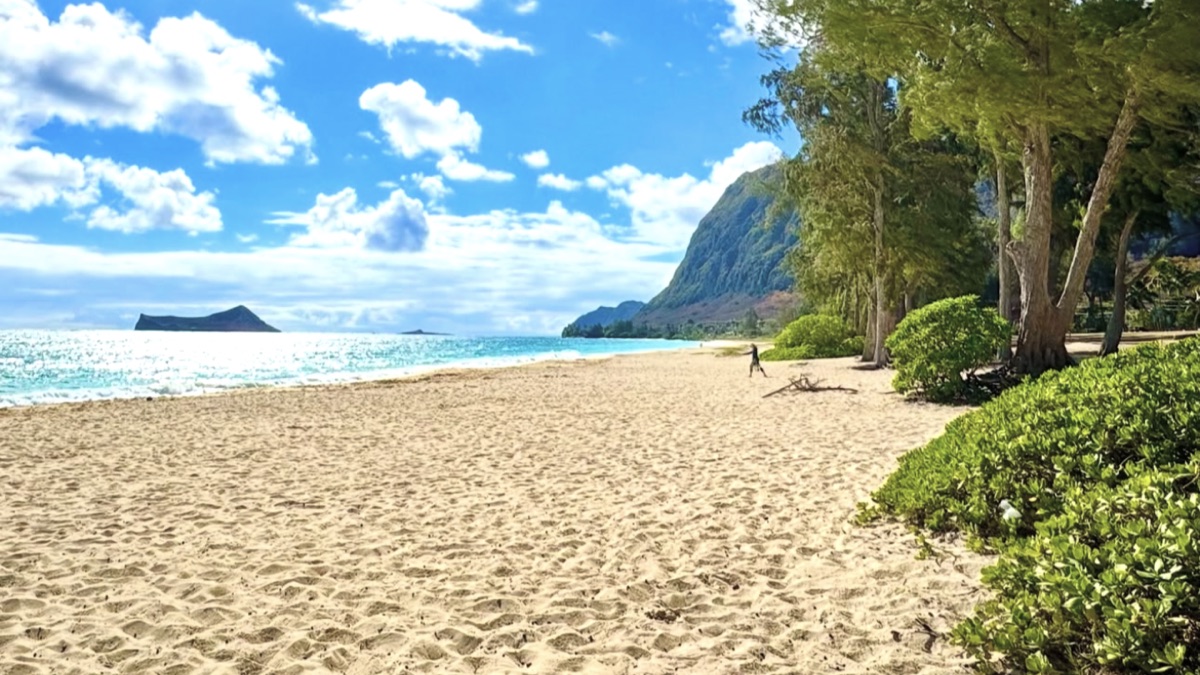
Drive 15 minutes south from Kailua and the coast opens into Waimanalo, a three-mile stretch of beach that consistently shows up on best-of lists despite never feeling like it is on one. The water is calm enough for kids, the sand is soft, and the Ko'olau mountains rise behind you in a wall of green that reads as exaggerated until you see it.
This is the beach to come to if you want a windward-side day without the Kailua traffic. There are usually local families with picnic setups, a few people boogie-boarding the gentle shore break, and long stretches of sand with nobody on them at all. The town behind the beach is small, the food is plate-lunch territory, and nothing feels packaged.
A note on conditions: the shore break can stand up after a swell, and the beach is long enough that lifeguard coverage is patchy. Stay near other people, watch a few sets before going in, and you will be fine.
Hanauma Bay: Snorkel Country, On Their Schedule
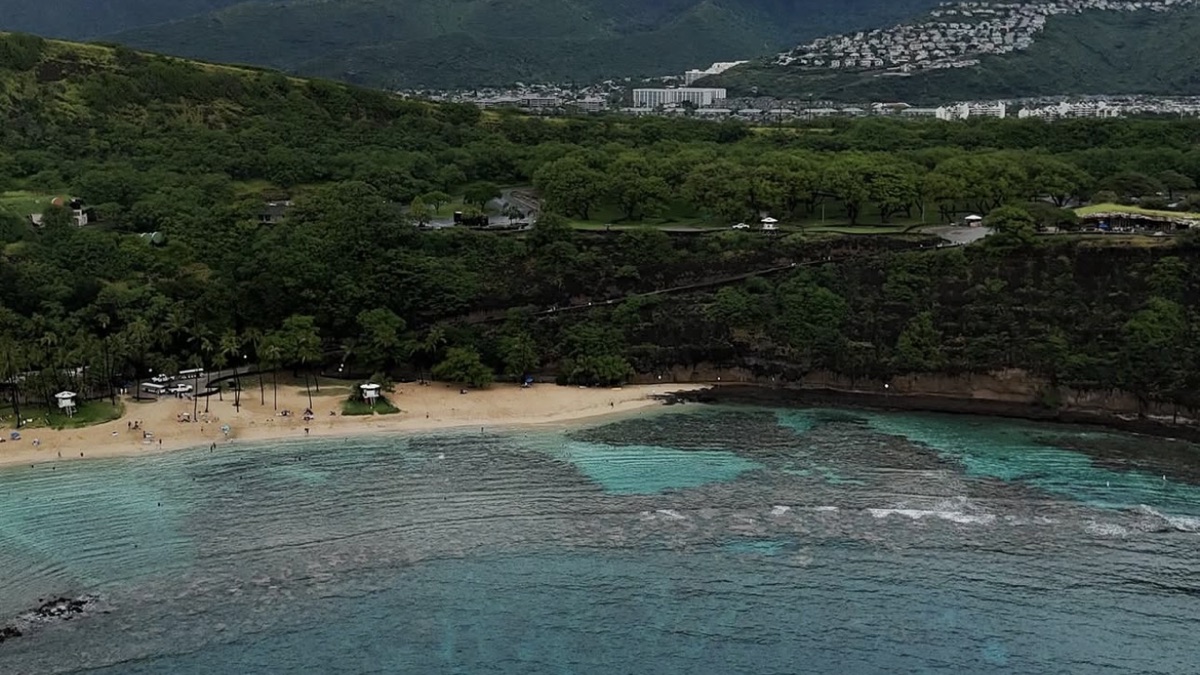
Hanauma Bay is a flooded volcanic crater that opens to the sea, and the result is one of the most reliable snorkeling spots in the state. Hundreds of reef fish species, decent visibility most of the year, and a curve of beach inside the crater wall that is genuinely lovely to look down on from the rim.
You cannot show up and walk in. For 2026, the rules are firm: non-resident reservations open online two days before your visit at 7am Hawaii time, $25 per person aged 13 and up, plus $3 for parking, plus a small online service fee. Slots sell out in minutes. The bay is closed Mondays and Tuesdays so the reef gets two days of rest. Operating hours are 6:45am to 4pm with no entry after 1:30pm. Hawaii residents enter free with photo ID and no reservation.
The reservation pain is the price of admission for a place that was being loved to death. Numbers have dropped, the reef has come back, and on a calm summer morning you can float over coral heads with eagle rays gliding underneath. Bring reef-safe sunscreen, since anything else is confiscated at the entrance. Skip Hanauma if there is heavy north or east swell running, because the inner reef gets stirred up and visibility tanks.
The official source for booking is the City and County of Honolulu Hanauma Bay page.
Waikiki Beach: The Tourist Engine That Still Works
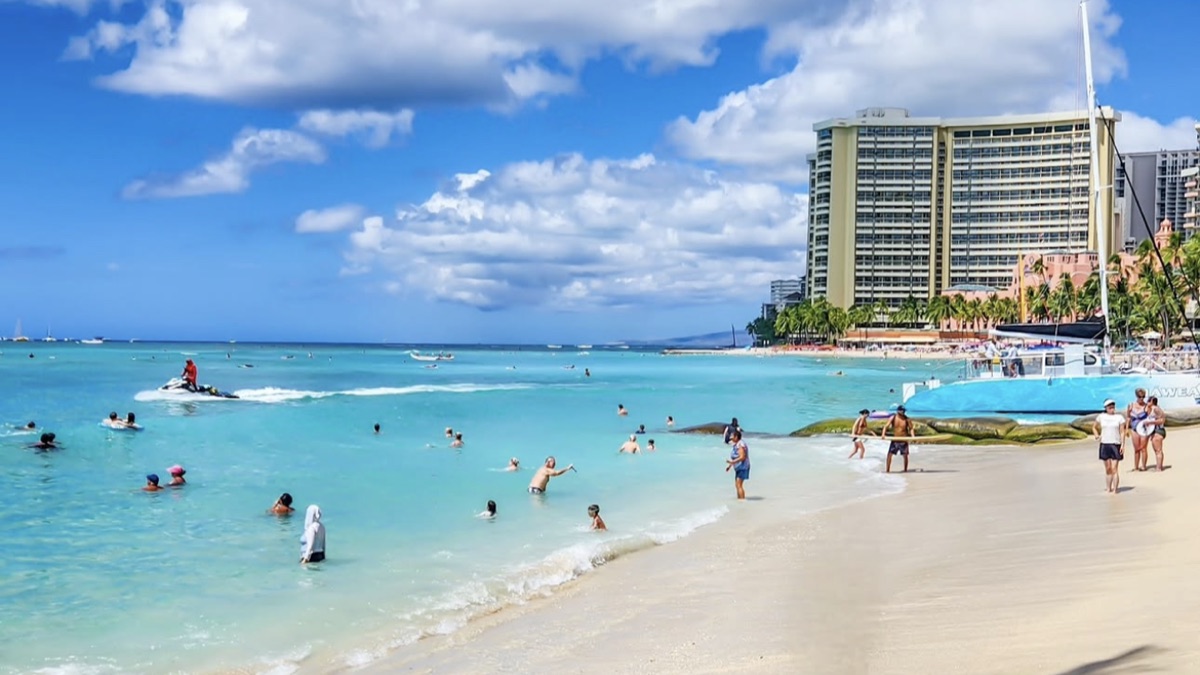
Whether or not Waikiki belongs on a "best of" list depends on what you want from a beach. Calm swimming with Diamond Head behind you, a beginner-friendly surf break, and a city of high-rises, hotels, and shave-ice spots a single block from the sand. It is one of the most photographed beaches on the planet for a reason.
It is also crowded, commercial, and a bit relentless. The beach itself is split into named sections (Kuhio, Royal Hawaiian, Fort DeRussy) that vary in width and crowd level depending on the time and tide. Sand replenishment projects keep the strip from disappearing entirely. The water is calm because the offshore reef breaks up the swell, and the same reef is what makes Waikiki such a forgiving spot to take a first surf lesson.
Treat Waikiki as a single afternoon, not a base camp. See it once, take the Diamond Head photo, eat the shave ice, and move on to the parts of Oahu that do not have a Cheesecake Factory. We have a fuller breakdown in our Waikiki Beach review if you want the section-by-section detail.
Ala Moana Beach Park: Where Honolulu Actually Swims
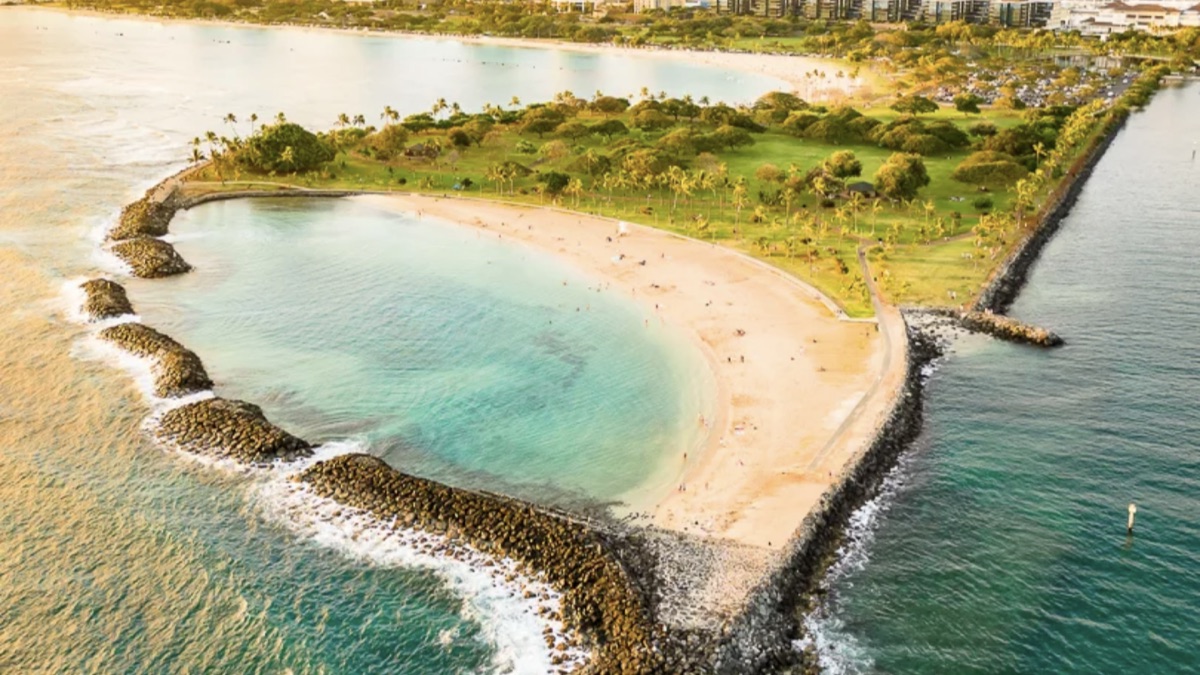
Five minutes west of Waikiki, hidden behind the Ala Moana shopping centre, is the beach that locals use when they actually want to swim. Ala Moana Beach Park is a half-mile of sand fronted by a wide protected lagoon, with a grassy park behind it that runs almost to the road. There are no resort towers on the sand, no surf schools, and very few visitors, because the guidebooks tend to skip past it on the way to Hanauma.
The reef offshore breaks up nearly all the swell, which makes Ala Moana one of the calmest swims on the island and an excellent place to do laps. People come here at dawn for a swim before work, eat lunch under the trees, and come back at sunset. There are showers, lifeguards, and proper toilets. The bottom is sand and gentle, and the water is clean.
If you have already done Waikiki and want to see how Honolulu actually uses the coast, this is where to go. It is also walkable from most Waikiki hotels.
Waimea Bay: Two Different Beaches, Same Address
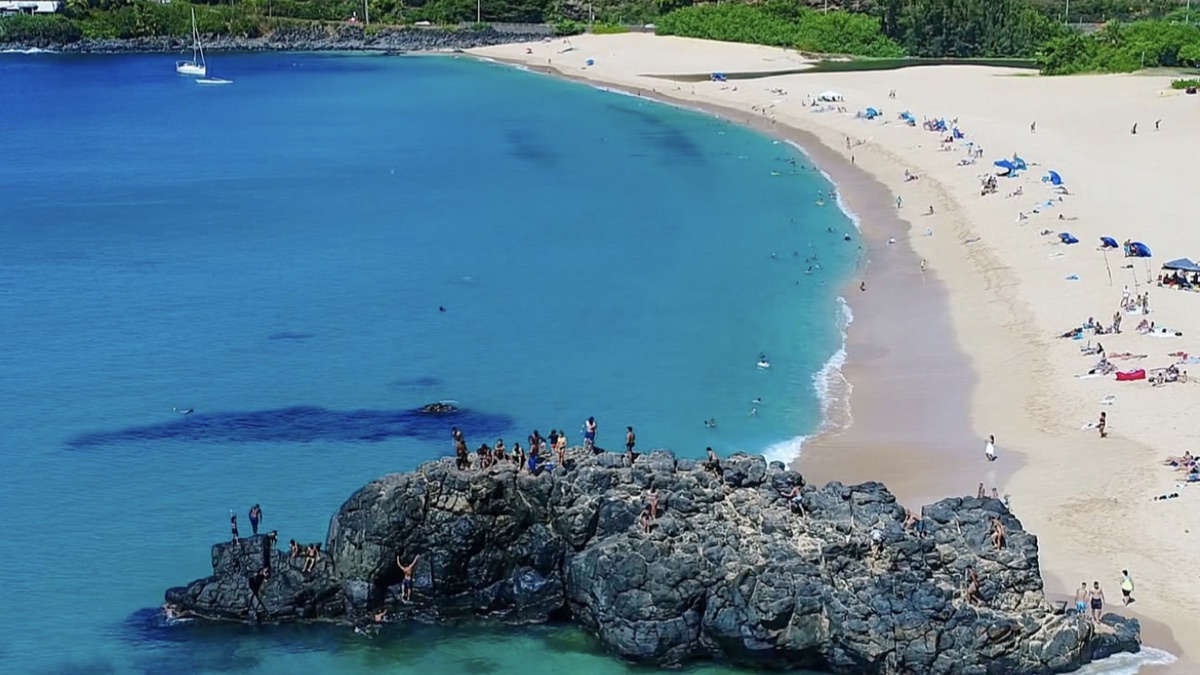
Waimea Bay is the most dramatic example on the island of why "when" matters more than "where" on Oahu. From May through September the bay is glass. The water is so flat you can swim out, free-dive on the reef, and watch sea turtles cruise through. There is a popular jumping rock on the north side. The sand is wide, the parking is easy, and it is one of the best summer swimming beaches on the North Shore.
From November through February the same bay is a world-famous big-wave surf site, with sets reaching 30 to 40 feet on the biggest days, and a shore break that has killed strong swimmers. Lifeguards close the bay to swimming whenever surf exceeds four feet, which is most of the winter. You can still come and watch from the sand, and on a maxing day it is one of the most extraordinary surf scenes anywhere on earth, but you are not getting in the water.
The transition months (May and October) can flip day to day. Check the surf report before driving up. One additional note: avoid swimming for 72 hours after heavy rain, because the river mouth at the north end of the bay flushes bacteria into the water and counts spike.
Sunset Beach: The North Shore in Two Miles
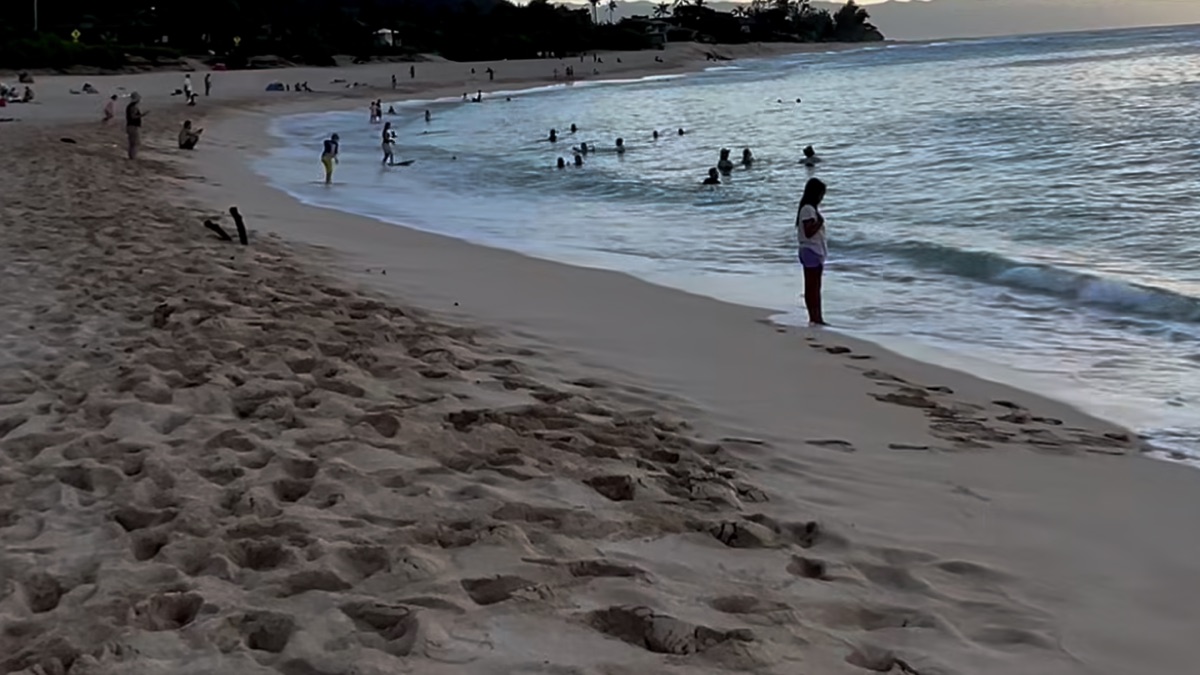
Five minutes further up the road from Waimea, Sunset Beach is exactly what the name suggests, and arguably the best place on Oahu to watch the sun drop behind the horizon in winter. The beach itself is two miles of soft sand running parallel to one of the most famous surf lineups on earth.
In summer (May to September) the water is calm, the sand is wide, and you can swim, paddle, and snorkel without much drama. In winter (November to March) Sunset becomes a working surf venue. The Vans Triple Crown of Surfing runs here in late November and early December, and on a big swell day the lineup is full of the best surfers in the world taking turns on barrels.
This is also the section of the North Shore where the road runs close to the sand, and the beach loses width fast in winter as storm swells eat the dunes. Watch where you walk and read the warning signs. If you want a more raw, less manicured stretch nearby, our Ke Iki Beach review covers the next bay over, where the shore break is famously punishing and the photography is famously good.
When to Visit Each Shore: The Oahu Season Map
The single most useful thing to know about Oahu is that the shores swap roles with the seasons.
Summer (May to September): North Shore is calm and excellent for swimming, snorkeling, and family beach days. Windward side is reliably calm. South shore Waikiki gets its biggest swells (small to medium), making it the surf-lesson season.
Winter (November to March): North Shore is closed to swimming on most days but spectacular for watching big-wave surf. Windward side stays mostly calm. Hanauma Bay snorkeling can be hit-or-miss depending on swell direction.
Shoulder months (April, October): Either pattern can show up. Always check the marine forecast before driving across the island.
If you are flying in for a week and want to maximise water time, summer is simpler. If you want to see Hawaii's surf culture at full volume, winter is the trip. Either way, build your day around the shore that matches the swell, not the shore that matches your hotel.
Single-Beach Reviews We've Published
Our single-beach reviews go into conditions, parking, and the right time to visit for each of these: