Thailand has so much coastline across two separate seas that choosing where to go can feel like a project in itself. The Andaman coast faces west, the Gulf coast faces east, and they have completely different weather patterns. Pick the wrong coast at the wrong time and you'll spend your holiday watching rain lash the beach from a restaurant with no other customers. Pick right and you'll wonder why you ever bothered with the Mediterranean.
Here's a straight look at the best Thai beaches for 2026, including when to go, what the crowds are actually like, and a few spots that most first-time visitors miss entirely.
Railay Beach, Krabi: The Postcard That Delivers
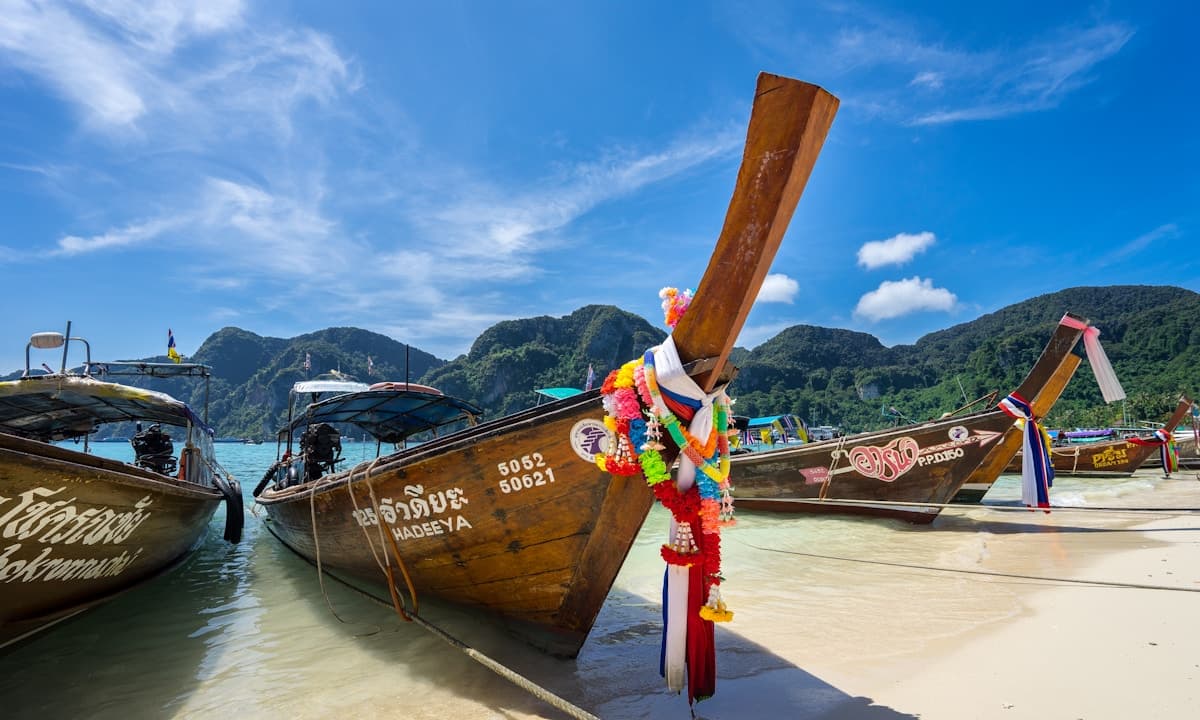
Railay is the beach that sells people on Thailand. Towering limestone karsts rise straight out of turquoise water, longtail boats bob in the shallows, and the whole setting feels almost impossibly dramatic. It's on the mainland but only reachable by boat because sheer cliffs cut it off from the road network, which gives it an island atmosphere without the ferry hassle.
There are four beaches on the Railay peninsula. Railay West is the main event, with soft sand and the best swimming. Railay East is more of a mangrove shoreline with restaurants and accommodation. Phra Nang Beach, a short walk south from Railay West, might actually be the best of the lot, with a cave shrine at one end and some of the clearest water in the area.
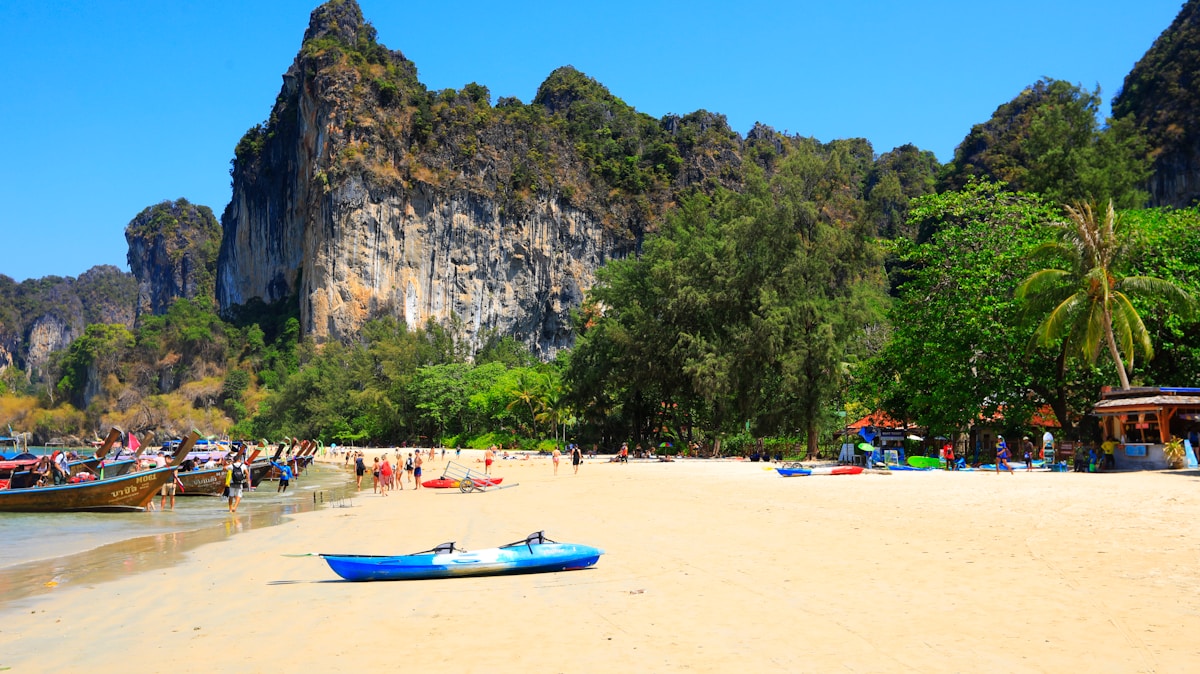
Accommodation ranges from basic bungalows to boutique resorts, and prices are reasonable by tourist standards. A longtail boat from Ao Nang takes about 15 minutes and costs around 100 to 200 baht per person each way. The best time to visit is November through March when the Andaman coast is dry and calm. April is still manageable, but from May through October, the monsoon brings rain and the seas get rough enough that boat access can be disrupted.
For couples looking for the best Thai beaches, Railay consistently tops the list because it combines dramatic scenery with a relaxed pace and good food. The rock climbing here is world-class too, if you want to do more than lie on sand.
Maya Bay, Phi Phi: The Comeback
Maya Bay on Koh Phi Phi Leh got famous from the Leonardo DiCaprio film, and that fame nearly destroyed it. Years of overtourism damaged the coral and turned the bay into a boat traffic jam. The Thai government closed it in 2018 for rehabilitation, and the recovery has been remarkable.
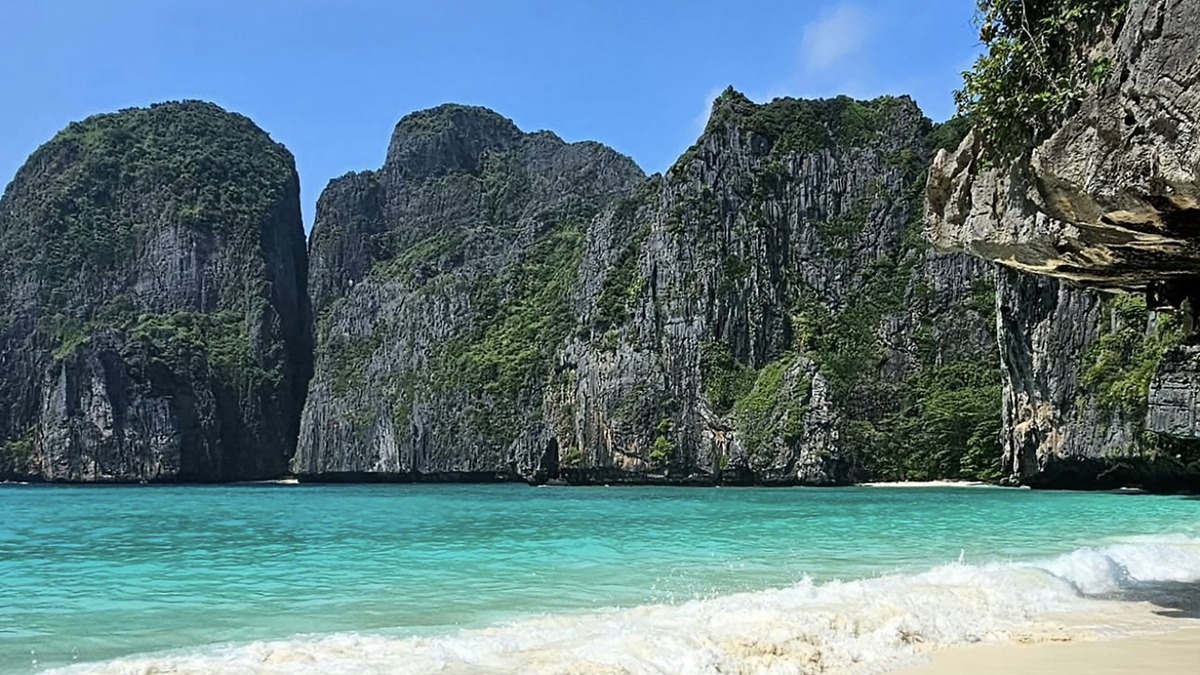
It reopened with strict new rules. Daily visitor numbers are capped, swimming in the bay is banned to protect the recovering reef, and boats can no longer enter the bay directly. You arrive at a pier on the back of the island and walk through to the bay itself. Visits are time-limited, typically around an hour.
Is it worth the effort? Honestly, yes. The bay genuinely earns the hype, the cliffs tower above you on three sides, and without boats idling in the water, it actually feels like the paradise it was always marketed as. Just manage your expectations about the time limit and the no-swimming rule. Book through an official operator from Phi Phi Don or Phuket.
Koh Lipe: The Quiet South
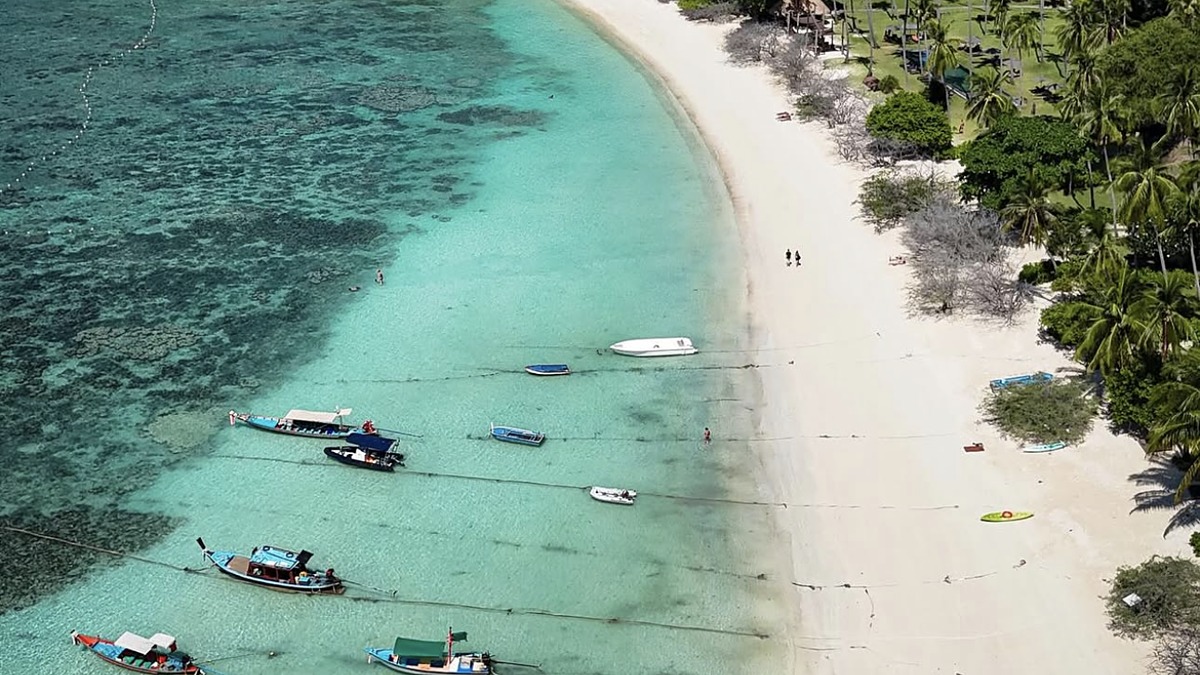
If you want clear water and a proper island feel without the crowds of Phuket or Phi Phi, Koh Lipe is the answer. It sits in the far south of Thailand near the Malaysian border, in the Tarutao National Marine Park. Getting there takes more effort, either a speedboat from Pak Bara on the mainland or a longer transfer from Langkawi in Malaysia, but the extra travel filters out casual day trippers.
Sunrise Beach on the east side has the best sand and water, with soft white sand sloping into turquoise shallows. Pattaya Beach on the south side is where most of the restaurants and bars cluster. The island is small enough to walk across in about 20 minutes, and there's good snorkelling right off the beach without needing to book a boat trip.
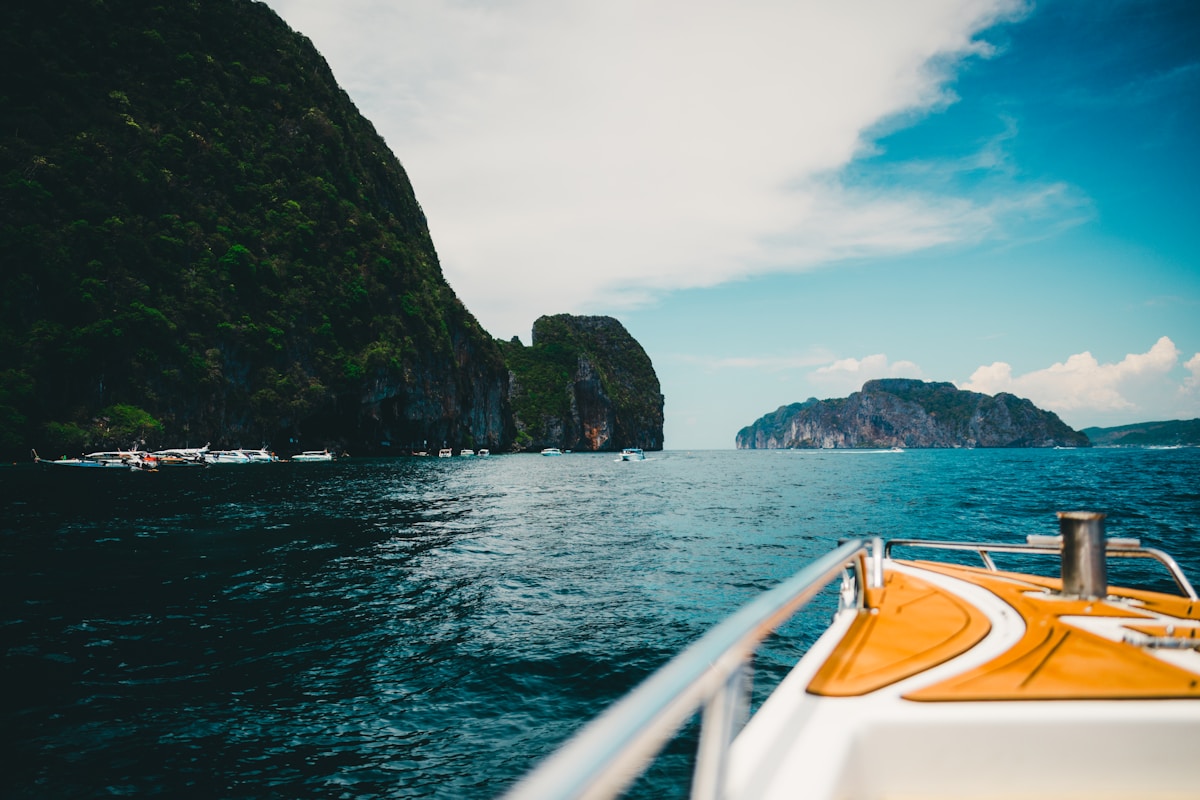
Koh Lipe has grown over the past few years and it's not the deserted secret it once was. But compared to the northern Andaman islands, it still feels personal. The best months are November to April. The island essentially shuts down during the monsoon season from May to October, with most resorts and restaurants closing, and speedboat services reducing or stopping entirely.
Koh Tao: The Dive Island with Decent Beaches
Koh Tao is primarily known as the cheapest place in the world to get your PADI diving certification, and that reputation is earned. But the island also has genuinely nice beaches that often get overlooked because everyone's underwater.
Sairee Beach on the west coast is the longest and most popular, with a strip of bars, dive shops, and restaurants behind it. The sand is fine and the sunsets are excellent. Tanote Bay on the east side is smaller and quieter, with boulders at each end that create a sheltered cove. Shark Bay in the south is where you can snorkel with blacktip reef sharks right from shore, which sounds alarming but they're completely harmless and rarely longer than your arm.
The Gulf coast, where Koh Tao sits, has different weather to the Andaman side. The best months here are March through September, which conveniently fills the gap when the Andaman coast is in monsoon season. October and November are the wettest months on the Gulf, and seas can be rough enough to disrupt ferry services. If you're also exploring beaches in Southeast Asia beyond Thailand, our Kuta Beach review covers what to expect in Bali, and Entalula Beach in the Philippines is another option worth considering.
Haad Rin, Koh Phangan: Two Beaches, Two Reputations
Haad Rin is famous for one thing: the Full Moon Party. Once a month, the beach transforms into an all-night dance party with fire shows, fluorescent paint, and bucket drinks. If that's what you're after, it delivers exactly what it promises. It's loud, chaotic, crowded, and a rite of passage for many backpackers.
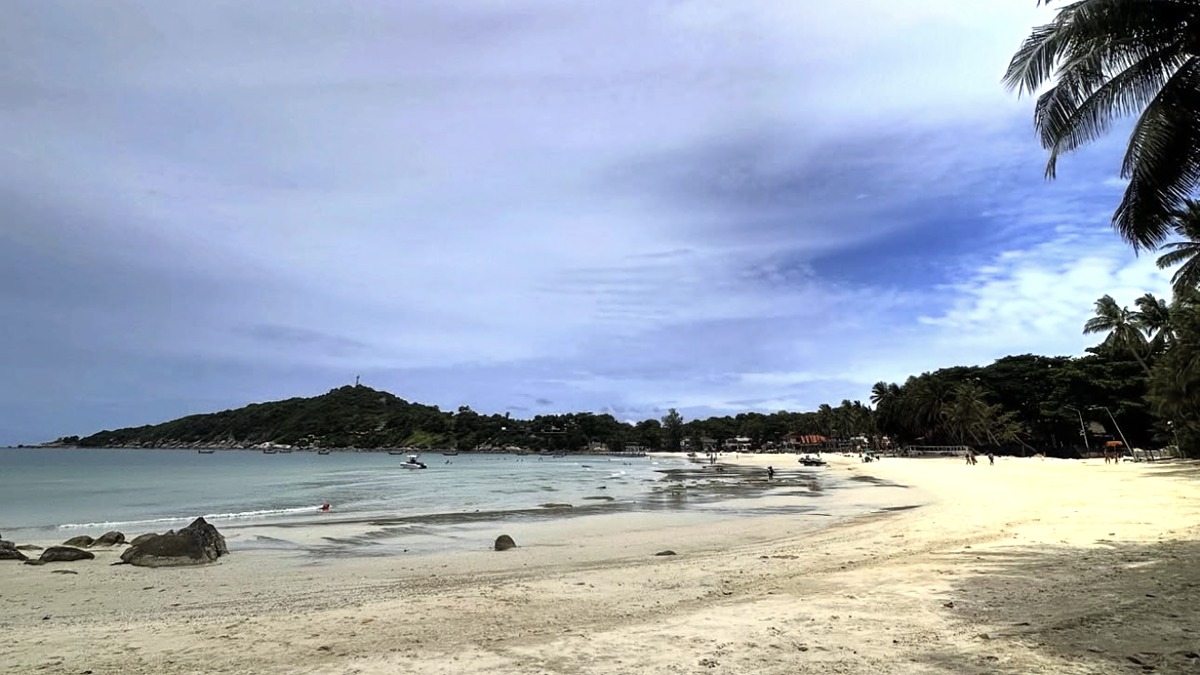
What people don't always realise is that Haad Rin actually has two beaches separated by a narrow headland. Haad Rin Nok (Sunrise Beach) is where the party happens. Haad Rin Nai (Sunset Beach) on the other side is calmer and more relaxed. Outside of Full Moon Party dates, even Sunrise Beach is a perfectly pleasant place to swim and sunbathe. The sand is decent, the water is warm, and prices are reasonable.
If you're visiting Koh Phangan for beaches rather than parties, head to the north coast. Thong Nai Pan is beautiful, split into two bays with good swimming and a handful of low-key resorts. Bottle Beach is harder to reach, accessible mainly by boat or a jungle trail, and stays quiet because of it. Koh Phangan has more to offer than its party reputation suggests.
Koh Lanta: The Family-Friendly Pick
Koh Lanta sits south of Krabi and draws a noticeably different crowd than Phi Phi or Phuket. It's quieter, more relaxed, and particularly popular with families and couples who want a beach holiday without the nightlife scene.
Long Beach (Phra Ae) on the west coast is the main stretch, with wide sand, gentle waves, and enough restaurants and shops to keep you comfortable without feeling commercial. Further south, the beaches get progressively quieter. Klong Dao is popular with families because the water stays shallow far out. Bamboo Bay at the southern tip feels genuinely remote and is worth the drive on the island's single main road.
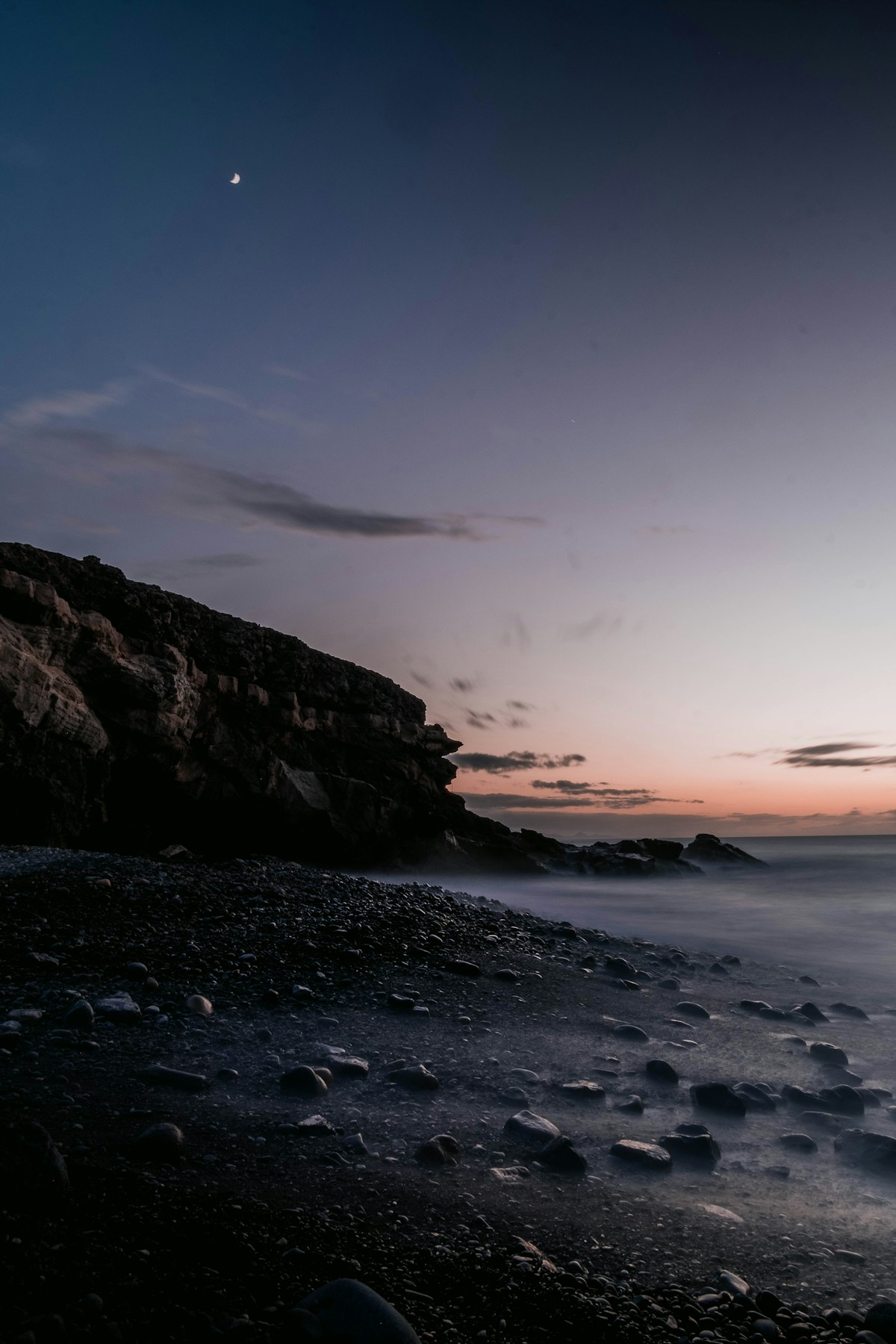
The old town on the east coast has stilted houses over the water and a completely different atmosphere from the beach side. It's a good place for dinner and a reminder that the island has a life beyond tourism. Koh Lanta is reachable by ferry from Krabi, about two hours, or by a combination of minivan and short car ferry from the mainland. The Andaman season rules apply: November to April for dry weather.
Ao Nang, Krabi: The Convenient Base
Ao Nang isn't the prettiest beach in Thailand. The sand is average, the water gets murky, and the beachfront strip of tour agencies and souvenir shops has a commercialised feel. But there's a reason it stays popular: it's incredibly convenient.
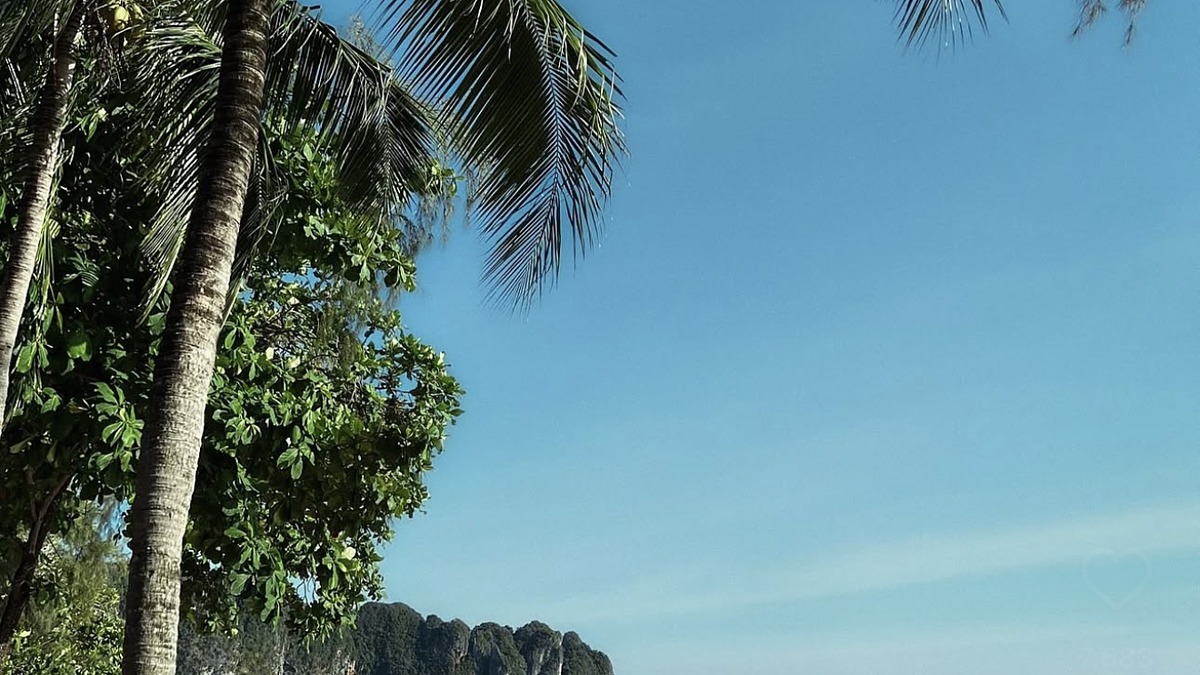
From Ao Nang's beach, longtail boats run to Railay in 15 minutes, to the four islands in half a day, and to Phi Phi in about two hours. It's the launch point for most Andaman coast adventures, and the range of accommodation covers everything from 500-baht guesthouses to proper resorts with pools. The restaurant scene is genuinely good too, with Thai food at local prices alongside international options.
Use Ao Nang as a base rather than a destination. Stay a few nights, do day trips to the beaches that actually justify the hype, and enjoy the convenience of a town that has ATMs, pharmacies, and 7-Elevens on every corner. Sometimes practical matters more than picturesque.
Which Coast, Which Season?
This is the single most important decision for a Thai beach trip, and getting it wrong can genuinely ruin your holiday.
Andaman coast (Krabi, Phuket, Phi Phi, Koh Lipe, Koh Lanta): Best from November to April. The monsoon runs from May to October, bringing heavy rain, rough seas, and closed resorts on smaller islands.
Gulf coast (Koh Tao, Koh Phangan, Koh Samui): Best from March to September. The wet season here peaks in October and November, which is different from the Andaman side.
The overlap months of March and April give you the most flexibility because both coasts are generally dry. If you're visiting between May and October, stick to the Gulf coast. If you're coming between November and February, the Andaman side is your best bet.
One more thing worth knowing: Thai beaches in general are more affordable than you might expect for the quality. Accommodation on smaller islands costs more than the mainland, but even a nice beachfront bungalow on Koh Lanta or Koh Lipe rarely breaks the bank compared to European coastal resorts. The food is excellent everywhere, transport between islands is straightforward if you book through your hotel, and the combination of warm water, dramatic scenery, and genuine Thai hospitality is hard to beat anywhere in the world.
If you're thinking about a trip later in the year, our beach holidays in October guide breaks down what works where during that shoulder season window.
Single-Beach Reviews We've Published
Our single-beach review covers the most-changed beach on this list, including booking rules, swimming policy, and what's open in 2026: