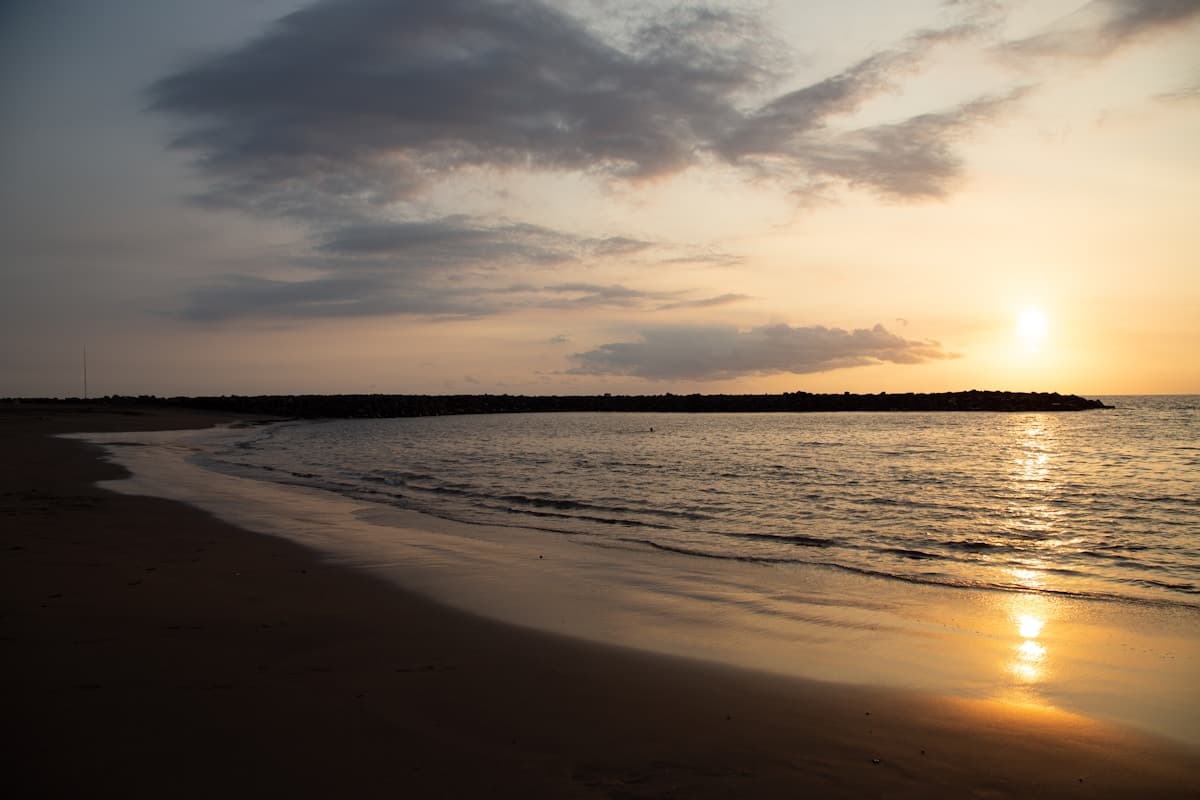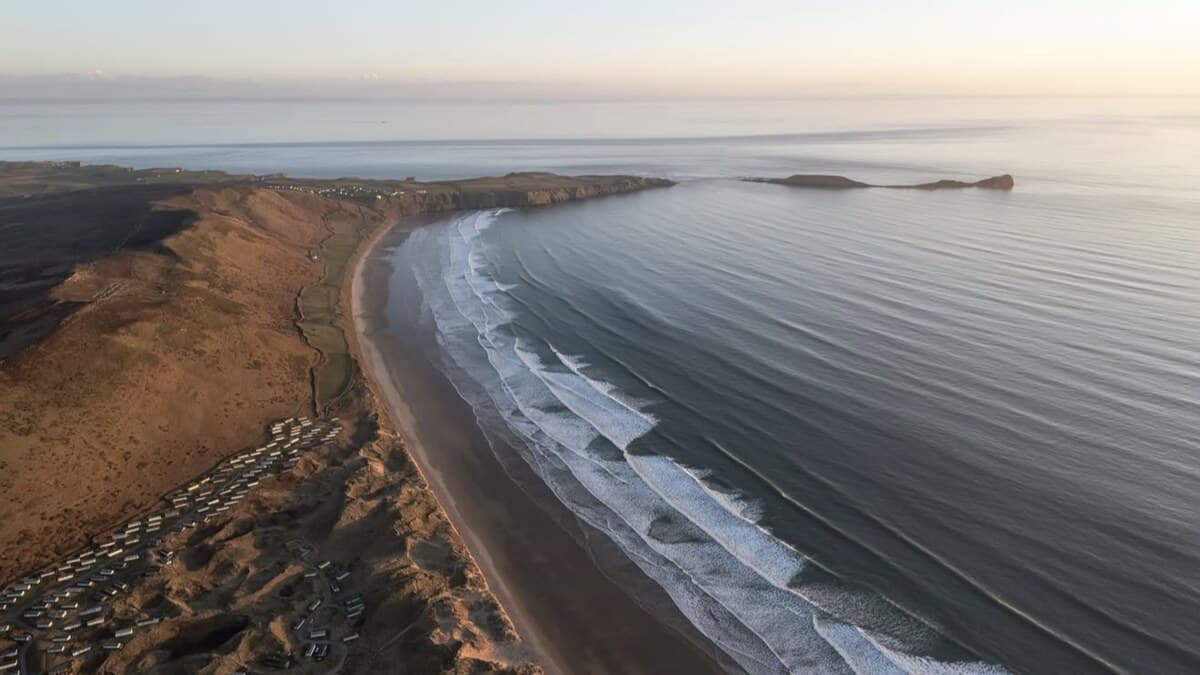
The Mediterranean's best-kept open secret is a physics fact: the sea does not follow the sun, it lags it by four to six weeks. Air temperatures peak in July and August, but the water keeps absorbing heat and, according to Copernicus satellite data, the sea's own peak arrives in mid-August, then fades slowly. The result reads like a misprint but is not: across the eastern Mediterranean, the sea in September is warmer than it was in July.
Meanwhile, on 1 September 2026 the UK and French school terms restart and beach demand collapses. Croatia's official statistics make the scale plain: 4.96 million arrivals in August 2025 against 2.4 million in September. Half the people, warmer water than July, and most of the summer infrastructure still open into October. September is not a compromise month; for swimmers it is the smart one.
It is not uniformly true, and this guide will not pretend otherwise. Here is where the September sea genuinely beats July, where it does not, and eight beaches that hit their sweet spot after the schools go back.
The honest map: September versus July, by the numbers
Recent-decade satellite averages (they run slightly warmer than long-term normals, so read them as a guide, not a decimal-point promise):
| Place | July sea | September sea | September verdict |
|---|---|---|---|
| Kaş, Turkey | ~27.4°C | ~27.8°C | Warmer than July |
| Rhodes | ~26.7°C | ~27.1°C | Warmer than July |
| Cyprus (Limassol) | ~26.6°C | ~27.2°C | Warmer than July |
| Malta | ~26.1°C | ~26.4°C | Warmer than July |
| Kefalonia | ~25.2°C | ~25.4°C | Level with July |
| Sardinia east coast | ~25.4°C | ~25.1°C | Just behind July |
| Mallorca | ~26.1°C | ~25.8°C | Just behind July |
| Split, Croatia | ~24.8°C | ~23.3°C | Cooler, go early Sept |
| Rovinj, Istria | ~25.7°C | ~23.5°C | Cools fastest of all |
The pattern is a west-to-east gradient. The Adriatic and the western Med shed their heat quickly; the Aegean, the Levant and the North African side hold it. Cyprus in October, at around 25 degrees, is warmer than Croatia in August. Rain follows the same map: September stays effectively dry on Rhodes, Cyprus and the Turkish coast, while Dubrovnik's September rainfall roughly doubles August's and the Balearics open their storm season.
The 8 beaches worth the wait
Kaputaş, Turkey
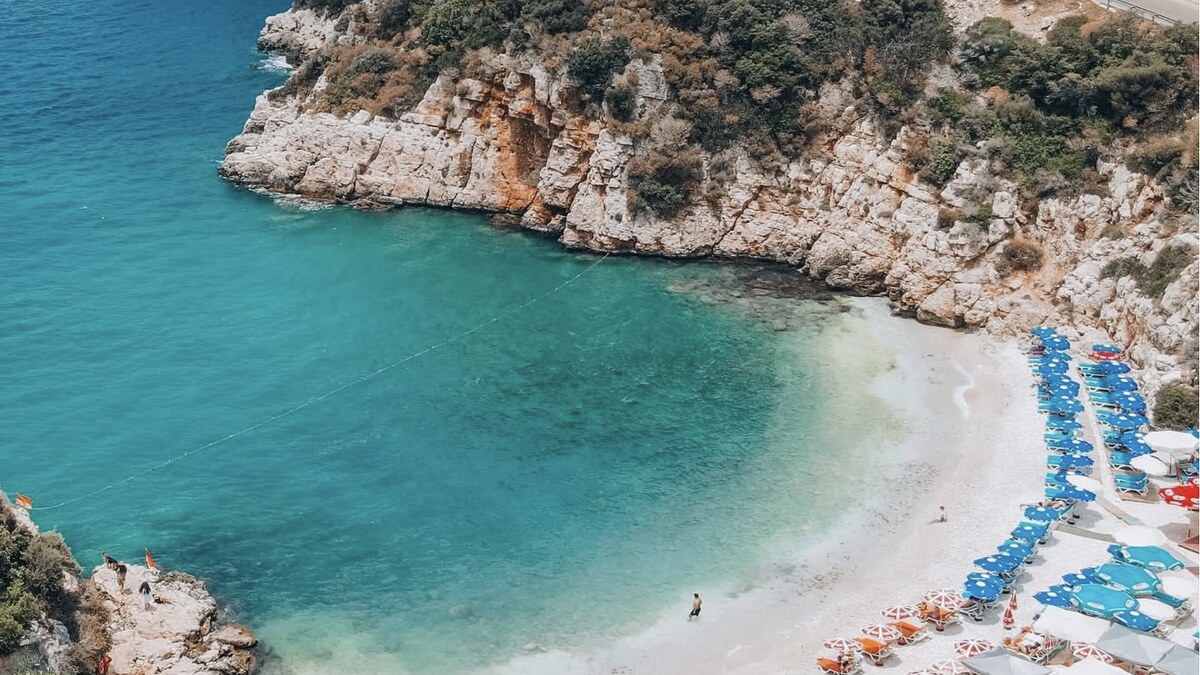
The single best September number in the Mediterranean. The pocket cove between Kaş and Kalkan, reached down its famous staircase from the coast road, sits in water of about 28 degrees in September, warmer than July, under skies that give rain roughly one day in fifty. The Lycian coast holds its heat longer than anywhere in Europe. The honesty: the cove is small, facilities are minimal, and coach traffic on the corniche persists into September, so go early or late in the day.
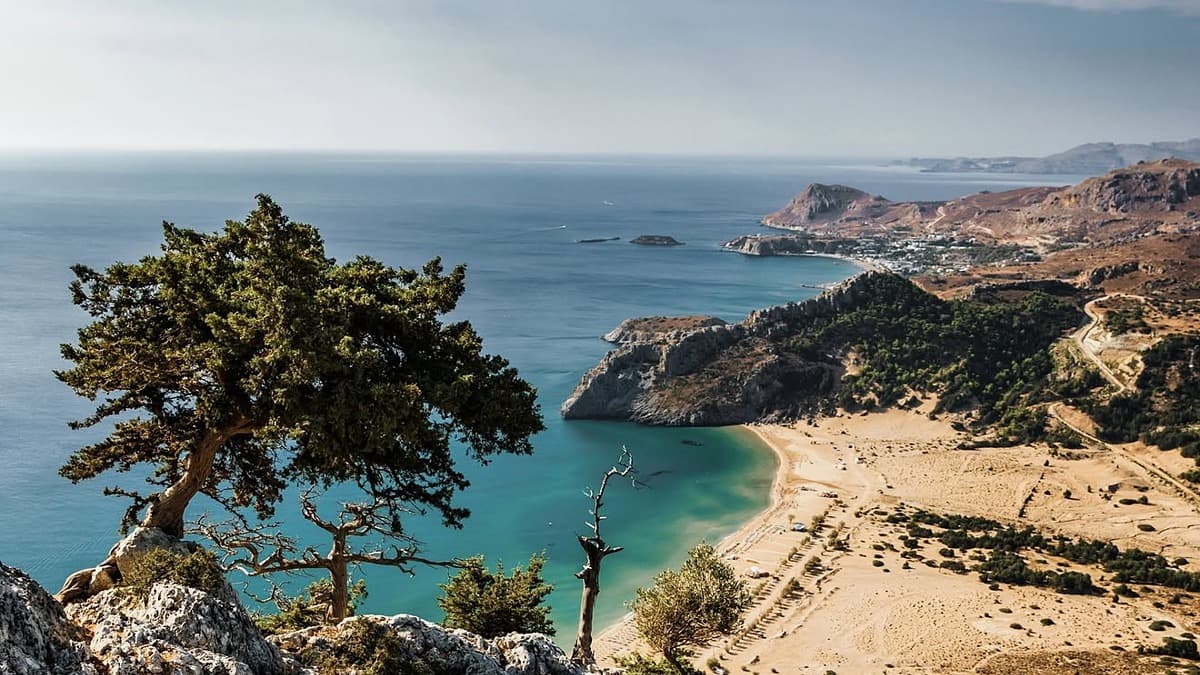
Tsampika, Rhodes
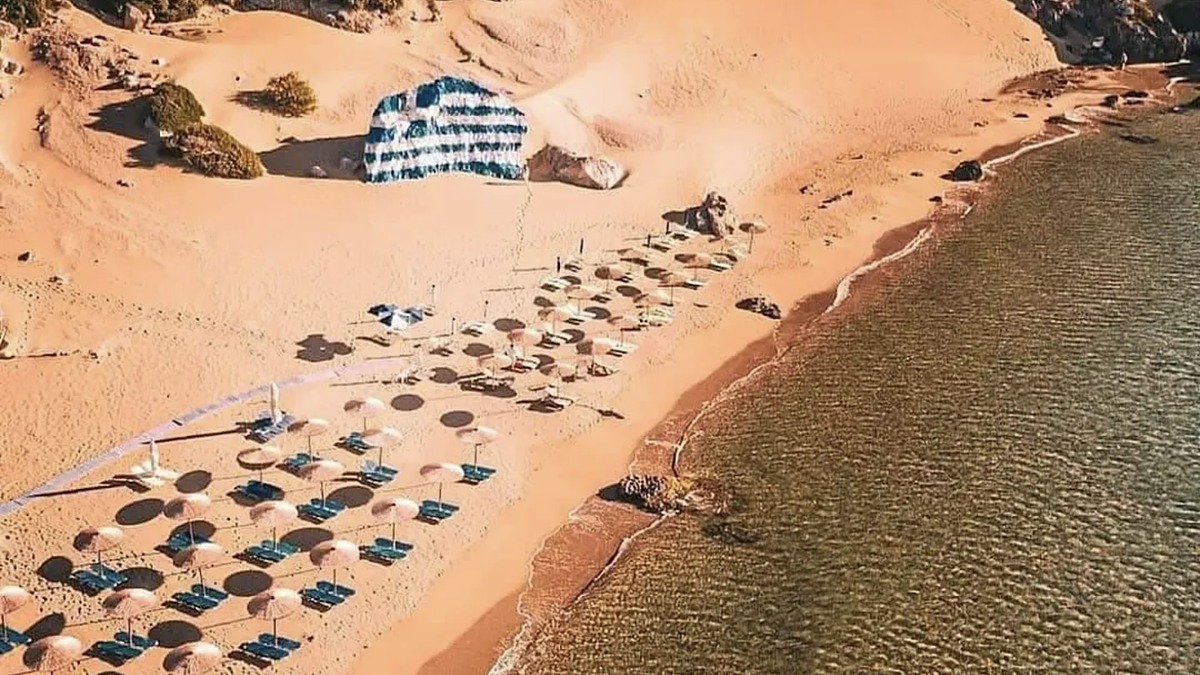
Rhodes in September is the full package: sea around 27 degrees, a shade warmer than July, essentially zero rainfall, and the meltemi wind past its July and August peak. Tsampika is the beach to use it on, a long sweep of genuine golden sand below the monastery hill with shallow, child-friendly water, and the island's sunbed-and-taverna season runs deep into October. Our best beaches in Rhodes guide covers the rest of that east coast.
Pissouri Bay, Cyprus
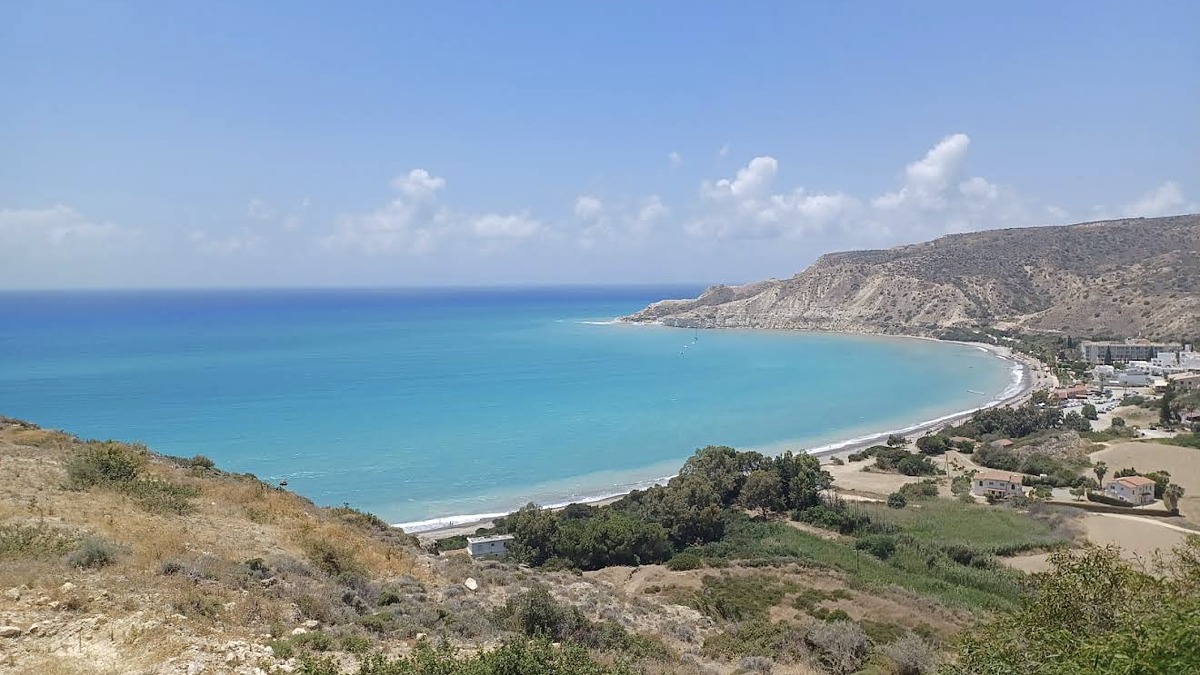
Cyprus is the endurance champion: the warmest September sea after Turkey at around 27 degrees, air still at 31, and June-to-September rainfall close to zero. Pissouri Bay, the amphitheatre bay between Limassol and Paphos, is the pick for a September base, and the island's long tail means even October swims at around 25 degrees. The caveat is the flip side of the virtue: early September on Cyprus is still genuinely hot, so this is not the choice if you are done with 30-degree afternoons.
Fteri, Kefalonia
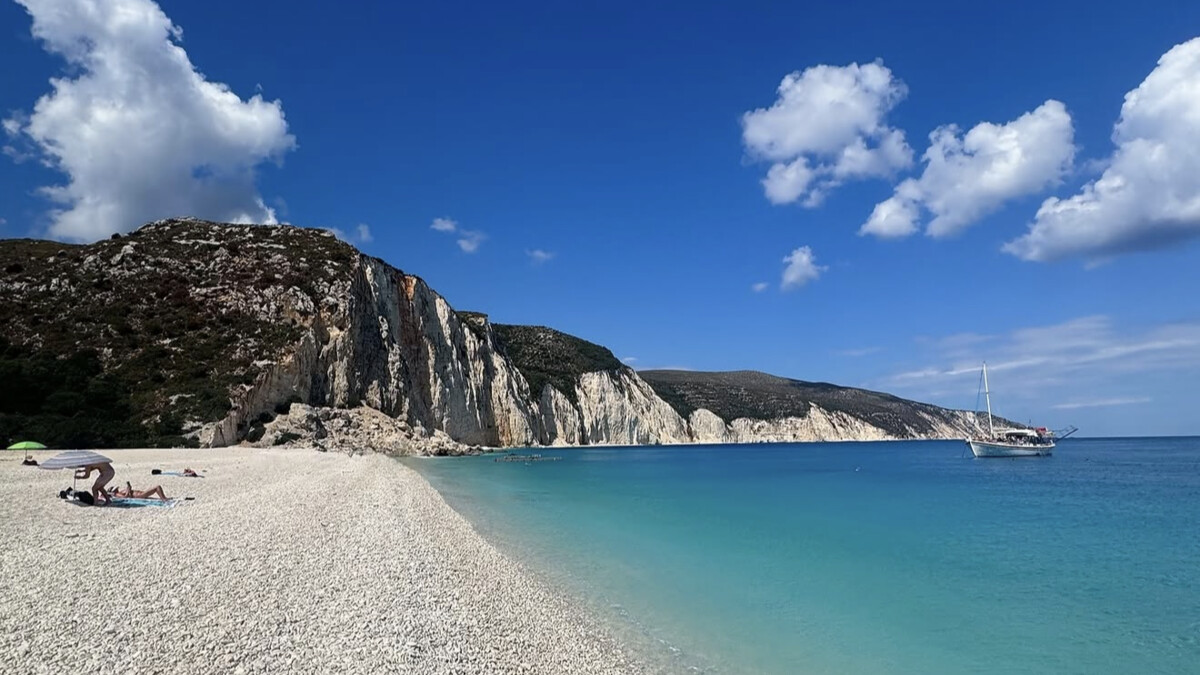
The world's second-best beach for 2026 comes with a September deadline that works in your favour: the Zola water taxi, the easy way in to Fteri, runs until 30 September, so the last month of its season is also its quietest. Ionian water sits level with July at around 25 degrees, and the half-hourly summer boat crowds thin dramatically. The honesty: September re-opens the Ionian rain account, Kefalonia averages four wet days, and the taxi cancels in wind, so build in a flexible day. Our best beaches in Kefalonia guide has the backup swims.
Ksamil, Albania
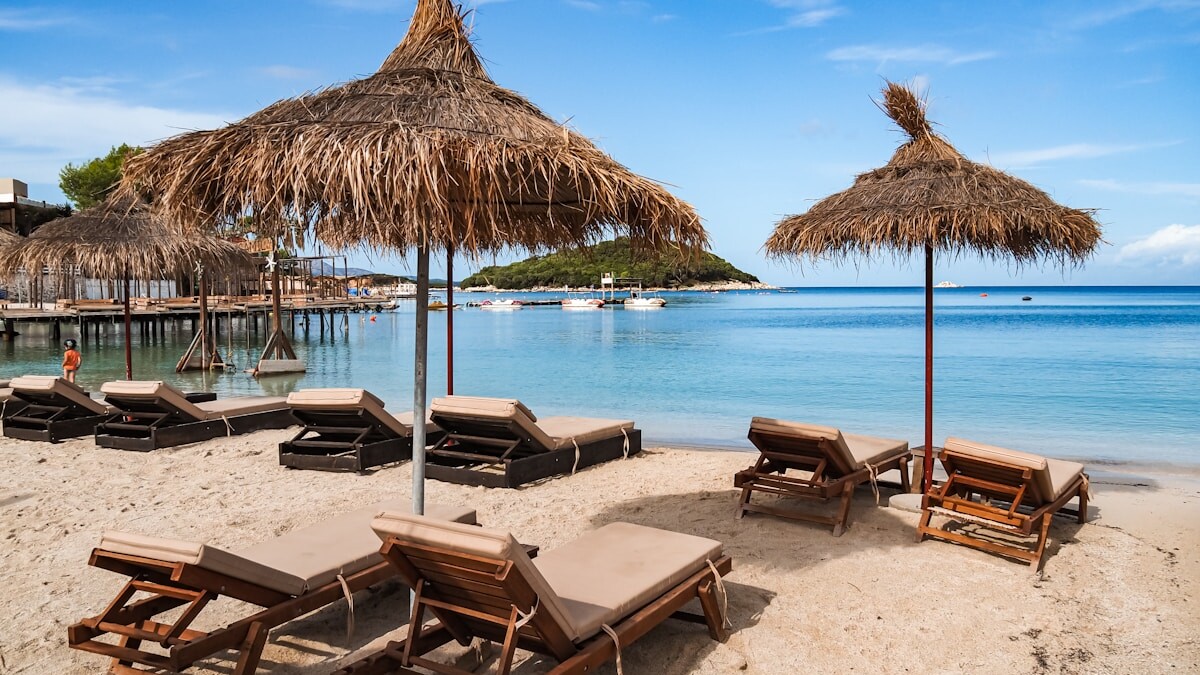
Ksamil's September story is not the water, which at around 25 degrees dips just below August; it is the crowd collapse. Albania's own holiday season ends in late August, the European coach tours follow once terms restart, and the little bays opposite the islets, packed towel-to-towel in high summer, breathe again. Prices drop with the demand. Go in the first half of the month: by late September some beach bars start shortening their hours. Our Albanian Riviera guide maps the quieter coves when even September Ksamil feels busy.
Cala Goloritzé, Sardinia
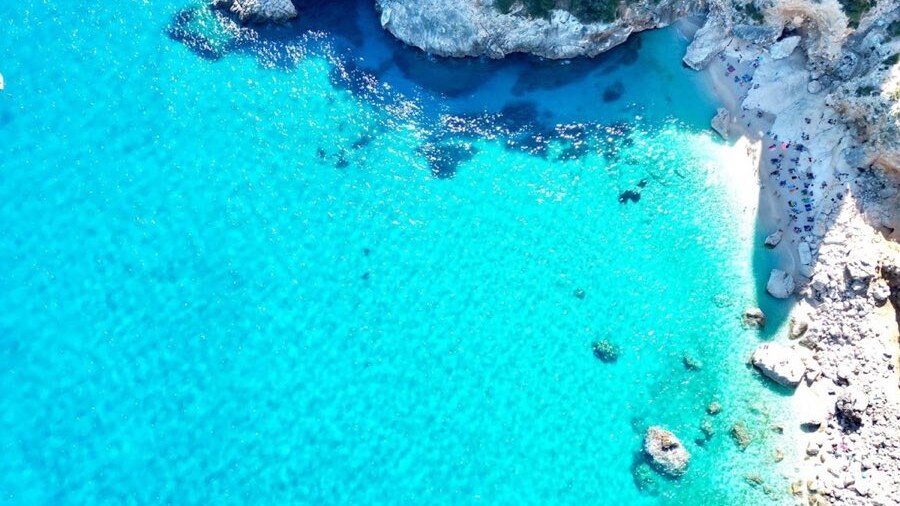
Sardinia's east coast holds its warmth better than the rest of the island, about 25 degrees in September, barely behind July, and September solves Cala Goloritzé's real problem: the 250-a-day cap. The €7 booking through the official app that vanishes within minutes in August becomes a midweek formality in September, and the hour-long walk down is far kinder out of the August heat. Note the geography honestly: it is the east that lasts, at La Pelosa in the northwest, capped at 1,500 a day with booking running to 15 October, the water drops to around 24. All the island's caps live in our Europe beach rules guide.
Zlatni Rat, Croatia
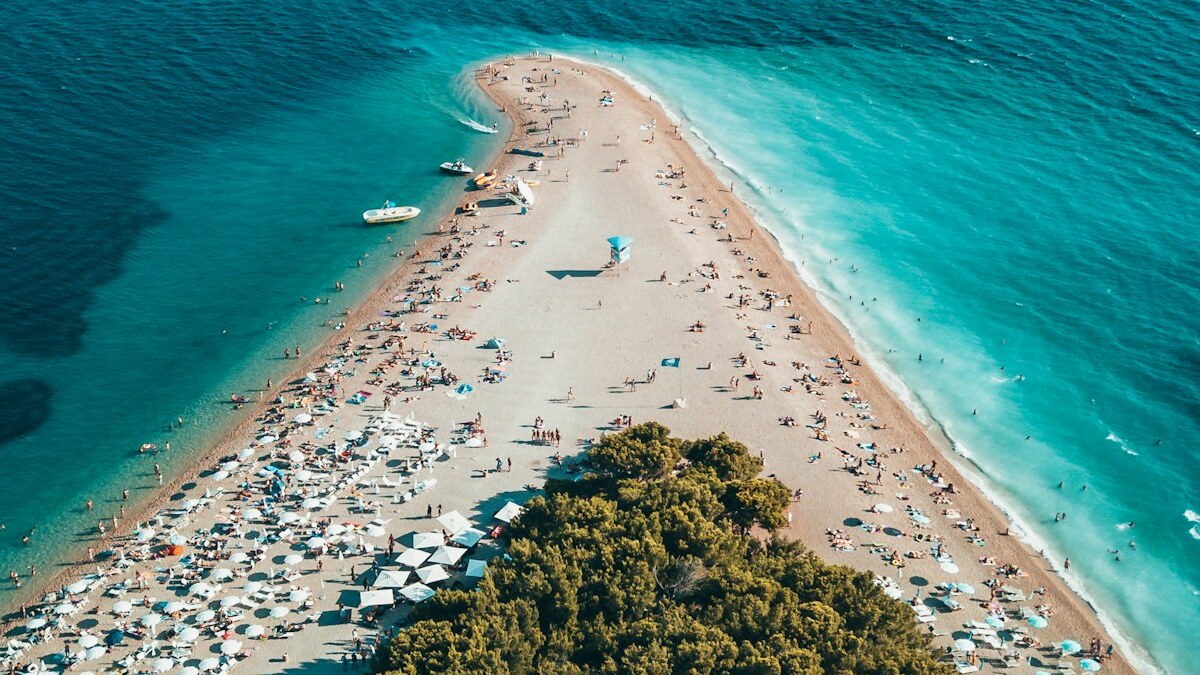
Croatia is this list's honesty test, because the Adriatic cools fast: Bol's sea drops from about 25 in August to about 23 across September, and the rain doubles. So the advice is precise rather than vague: go the first two weeks. Early September water is still close to its summer level, and the crowd change is the biggest on this list, less than half of August's 4.96 million arrivals spread across the same coast. Zlatni Rat's famous shifting spit, mobbed in peak season, is the beach that benefits most. Our Croatian islands ranking tells you what to pair Brač with.
Porto Timoni, Corfu
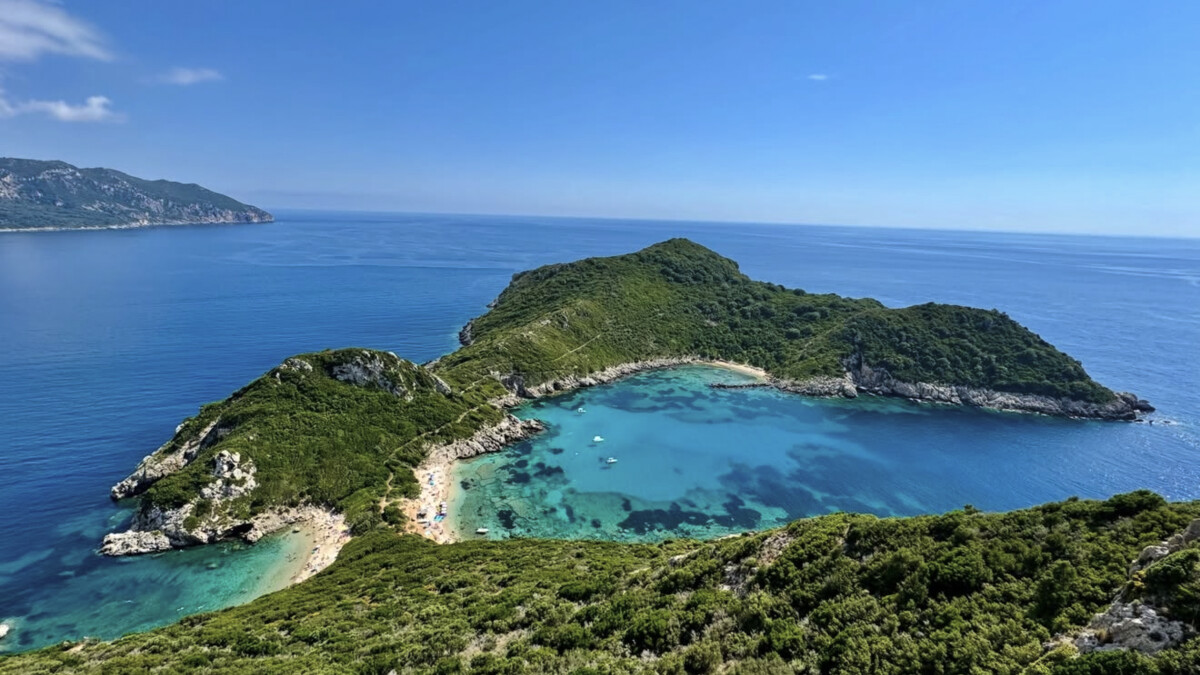
The hike-in double beach that made the World's 50 Best list is a different experience in September: the mid-morning boat-and-trail crowds of August thin out, the water holds around 24 to 25 degrees, and the walk down from Afionas loses its brutal midday edge. One honest warning keeps it last on this list: Corfu is the wettest Greek option in September, averaging five rain days, so treat Porto Timoni as the reward for a flexible itinerary rather than a fixed-date pilgrimage. Our best beaches in Corfu guide lists the wet-day alternatives.
How to play it
Book the east if you want certainty, Rhodes, Cyprus, southern Turkey, where September is drier than a British June and the sea outdoes July. Use the first two weeks of the month for the Adriatic and the Ionian, where the water is still summer-warm but the weather account has reopened. And check the closing dates that matter to your plan: the Fteri taxi's 30 September cutoff, Sardinia's mid-October booking seasons, Albania's shortening bar hours. The crowds are gone either way. The sea, across most of this map, is better than it was in July, and you will have earned it by waiting.