On 6 November 2026 the Copernicus Climate Change Service reported that the sea in the Niño 3.4 region, the stretch of equatorial Pacific used to measure El Niño, averaged a record 29.94°C in October. For beach holidays between now and April, most trips stand, but the official forecasts point to real changes on California's coast, in Hawaii's rainfall, in the Caribbean's dry season and on coral reefs.
That October reading beat the peaks of the great El Niño years of 1982-83, 1997-98 and 2015-16.
Citing the World Meteorological Organization, Copernicus says the event is expected to peak in December and is now almost certain to last through February 2027. What follows sticks to what the forecasting agencies have published, not what El Niño "usually" does.
How strong is El Niño, and when does it peak?
October set records on two counts. According to Copernicus, the Niño 3.4 sea ran 3.21°C above its 1991 to 2020 average, and the world's oceans also had their warmest October on record.
Forecasters agree on the shape of the next few months. In its 8 October discussion, NOAA's Climate Prediction Center gave a strong to very strong El Niño a greater than 83% chance of lasting through January to March 2027. CPC publishes its next discussion on 12 November.
On 9 November the World Meteorological Organization said it expects the event to be the strongest on record by December and to continue into early 2027.
Not every yardstick shows a record yet. Australia's Bureau of Meteorology measures El Niño against the wider tropical ocean, and on 10 November it said October's monthly value stayed below its record, while forecasting values above anything seen since 1950.
CPC forecasters add a warning that matters for trip planning: a big event makes El Niño-style weather more likely, "though not guaranteed". That caveat applies to everything below, starting with the coast where the stakes are highest.
Will El Niño affect California beaches in winter 2026-27?
California is bracing for trouble. NOAA's winter outlook, issued on 15 October, favours wetter than average weather from December 2026 to February 2027 across the southern US "from California to Florida". Ken Graham, director of the National Weather Service, said a very strong El Niño will likely push the jet stream south and east, tilting the odds towards stormier weather across the South.
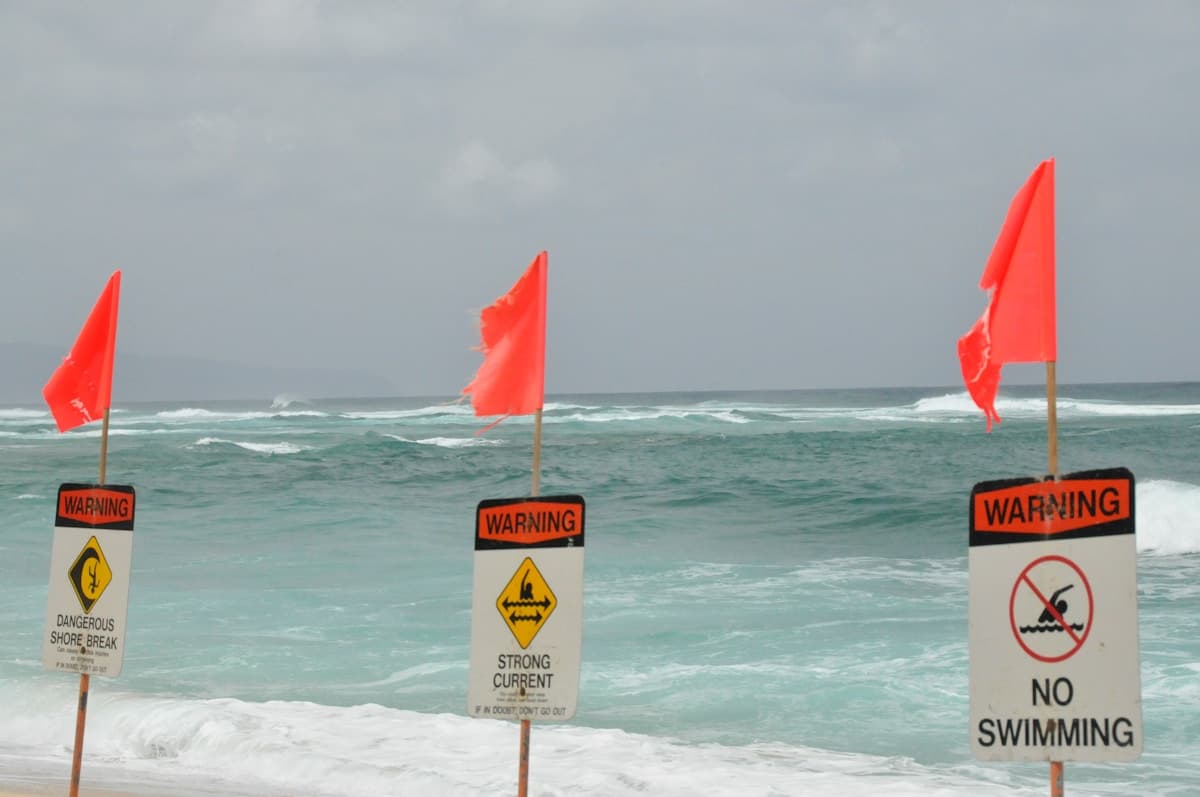
California declared a statewide emergency on 21 September. The governor's office warned that El Niño winters can bring large waves and coastal flooding, especially when storms hit during very high tides, along with erosion and landslides. There has already been a preview: the state says Kelvin waves raised sea levels this year, and summer swells and high tides stripped sand from Carlsbad State Beach and damaged its car park.
For a beach trip, that means planning around the weather rather than cancelling. Skip storm days and the days just after them, and watch the National Weather Service's coastal flood and high surf alerts on weather.gov. A beach walk below crumbling bluffs is a worse bet in a stormy winter than a city beach with a promenade.
What does El Niño mean for Hawaii in winter 2026-27?
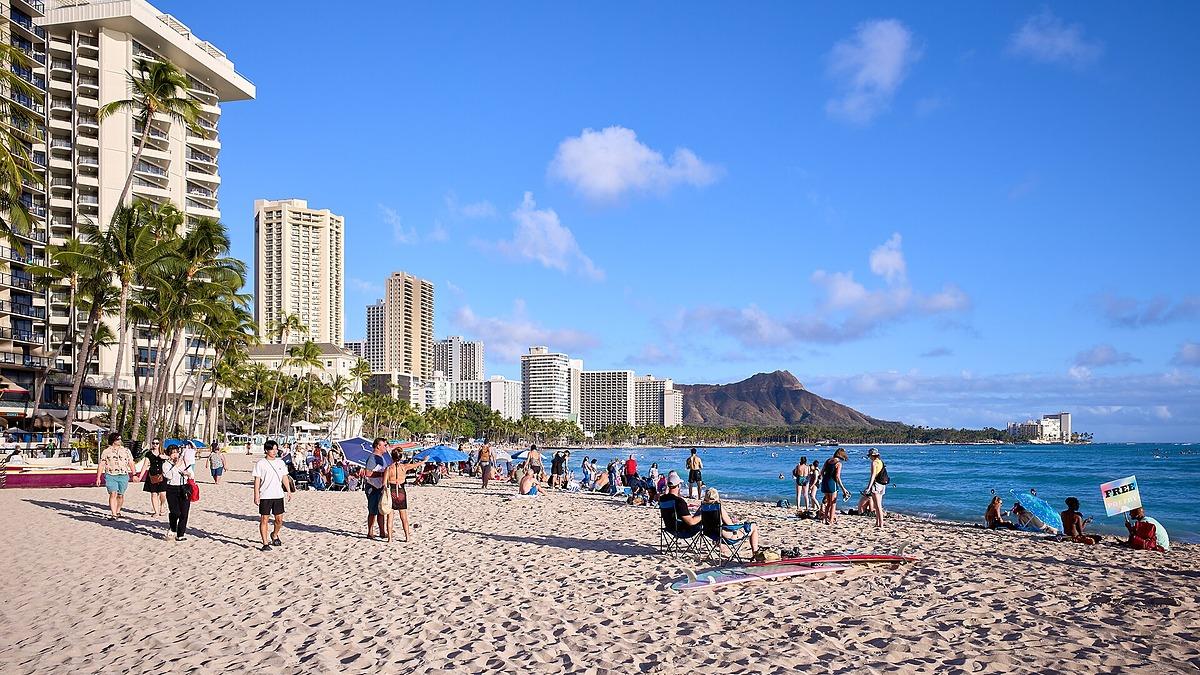
A drier one than usual. On 22 October the National Weather Service in Honolulu said climate models favour unusually high chances of below normal rainfall across the state through early spring 2027. In recent decades, its forecasters note, stronger El Niño events have generally brought below normal winter rain, with the highest chances in the second half of winter and into spring.
For visitors, that tilts the odds towards more dry beach days in what is normally Hawaii's October to April wet season. Its forecasters also favour above normal temperatures through early winter, and say El Niño winters tend to bring weaker than normal trade winds, the steady breeze that usually cools the islands. On land that is less welcome: if the rainfall forecast holds, the office expects drought to develop in many areas in the second half of winter, with a higher chance of out-of-season wildfires.
A dry forecast is not a promise. Honolulu forecasters still warn of isolated heavy rain and flash floods, and on Oahu's windward side our Kailua Beach review explains why you stay out of the water when stormwater turns the bay brown. Our Oahu beaches guide covers which shore to pick in winter, when the North Shore takes the big surf.
Caribbean: a dry winter, then early heat
Around November the Caribbean enters its dry season, and many islands were already unusually dry by late summer. In August the Caribbean Institute for Meteorology and Hydrology (CIMH), the regional forecasting centre, said those conditions are expected to extend into early 2027 and spread across the region, with water deficits and wildfires a growing concern in the first months of the year.
Its bigger warning is about heat. CIMH said potentially record-breaking heat could arrive from March, April or May 2027, and flagged the strain on tourism, where demand for cooling and fresh water is high.
Its regional outlook for November to January, issued in October, expects days and nights to run unusually warm for the cool season, with infrequent episodes of excessive humid heat on the islands after November. From February it expects unseasonably high temperatures as the cool season gives way to a potentially record-breaking heat season. For a winter beach trip, that makes December and January the more comfortable window, and NOAA's outlook also favours a warmer than average winter for Puerto Rico and the US Virgin Islands.
Sargassum is a separate story, and our sargassum guide for Mexico and the Caribbean covers the latest outlook and the months to book.
Coral bleaching: check the reef before you book a snorkelling trip
Warmer water can make coral bleach: stressed corals expel the algae living in their tissues and turn white, NOAA explains. From early 2023 to mid-2025, the last global bleaching event put bleaching-level heat stress on 84% of the world's reef area, and in June 2026 NOAA warned that El Niño's warmth "could bring a return to widespread coral bleaching".
Caribbean reefs are under that stress now. CIMH's October Caribbean Coral Reef Watch bulletin, built on NOAA Coral Reef Watch data, reported significant heat stress on 15 October in the central and southern Bahamas, Turks and Caicos, the eastern Greater Antilles, the Leeward Islands, Trinidad and Tobago and most of the Central American coast. It gave a better than 90% chance that most of the southern and eastern Caribbean basin would stay at Alert Level 1 or 2 through late November and possibly early December.
A month on, much of the eastern Caribbean is still under heavy heat stress. On 10 November NOAA Coral Reef Watch put Puerto Rico, the Virgin Islands, Hispaniola, the Leeward Islands and Trinidad and Tobago at Alert Level 3, while Turks and Caicos and the central Bahamas had eased to Bleaching Watch, the lowest stress level above none.
Relief is forecast for the new year. NOAA's four-month outlook of 10 November shows alert-level stress lingering in pockets of the eastern Caribbean through December, then little or no bleaching heat stress around most of the Caribbean islands from late January until late March 2027, where the outlook ends. The outlook is experimental and updated weekly.
None of these sources reports on individual reefs such as Smith's Reef, the shore snorkel at the western end of Grace Bay in our Grace Bay Beach review. Bleached coral is not dead, NOAA notes, and it can recover if the stress is not severe.
In Australia, the Bureau of Meteorology expects the Coral Sea to warm over the coming months. That matters for Whitsunday day trips, which often add snorkelling stops on fringing reefs, as our Whitehaven Beach review describes.
Before booking a reef trip, look up the nearest of NOAA Coral Reef Watch's regional Virtual Stations, which chart current heat stress for named reef areas, alongside the four-month bleaching outlook for your travel month. If your reef shows a high alert for your dates, ask the dive or snorkel operator what they are seeing, or move a Caribbean reef trip to between late January and March. Above the water, Australia's forecast is less clear-cut.
Does El Niño affect beach holidays in Australia?
A strong El Niño signal in the Pacific "does not necessarily mean strong impacts" on Australian rainfall and temperature, the Bureau of Meteorology said on 10 November. It points to its long-range forecast as the best guide to rain and temperature in the coming months.
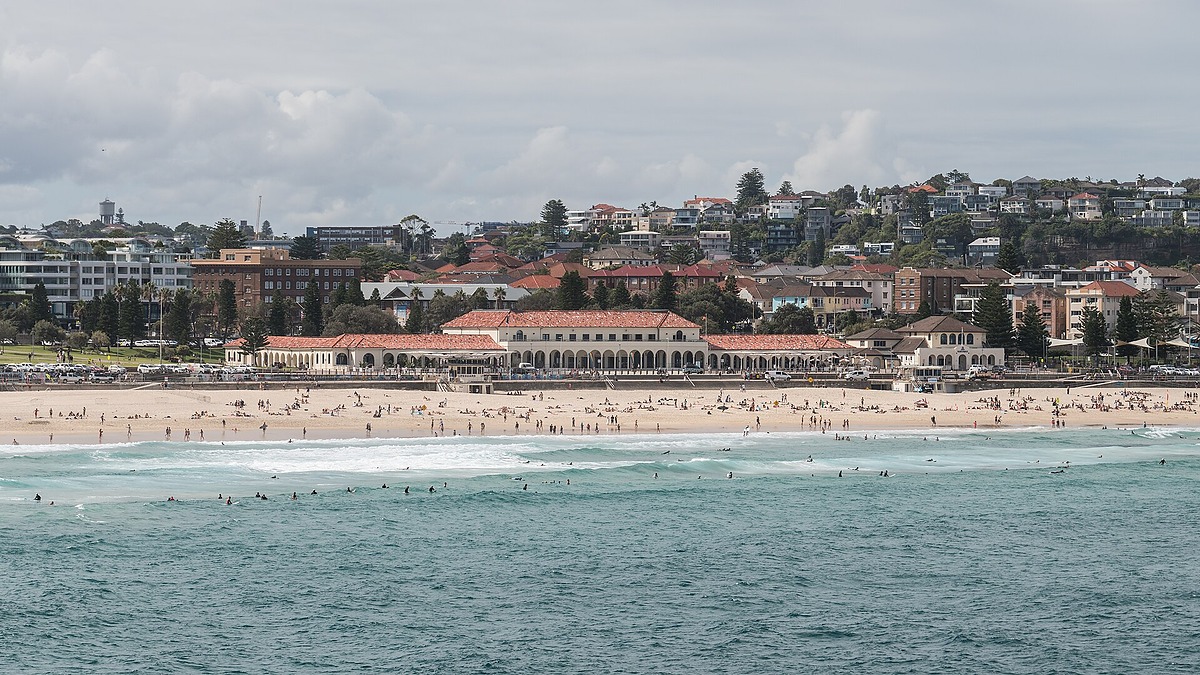
What it does report is warm water. In the week to 8 November, seas were up to 2°C above average around much of the south and north-east, and up to 3°C above average in the south-east, the stretch that includes Sydney's Bondi Beach. Most Australian waters should keep warming, the bureau expects, especially in the north and the Coral Sea, and it notes that warmer seas can feed storms and high-intensity rain.
For a trip to tropical Queensland between November and May, the usual planning applies: it is stinger season, and our Queensland stinger season guide lists the netted beaches and lagoons.
El Niño in Thailand and winter sun: watch the seasons, not the Pacific
Thailand's coasts run on their own calendars. On 12 November the Thai Meteorological Department warned of heavy rain in the south and 2 to 3 metre waves in the lower Gulf for 12 to 13 November.
That is the Gulf side's normal wet season, which our Thailand beaches guide puts at October to December; the same guide puts the Andaman coast, including Maya Bay, at its best from November to April. We found no official Thai forecast linking this El Niño to beach conditions, so book Thailand by its seasons.
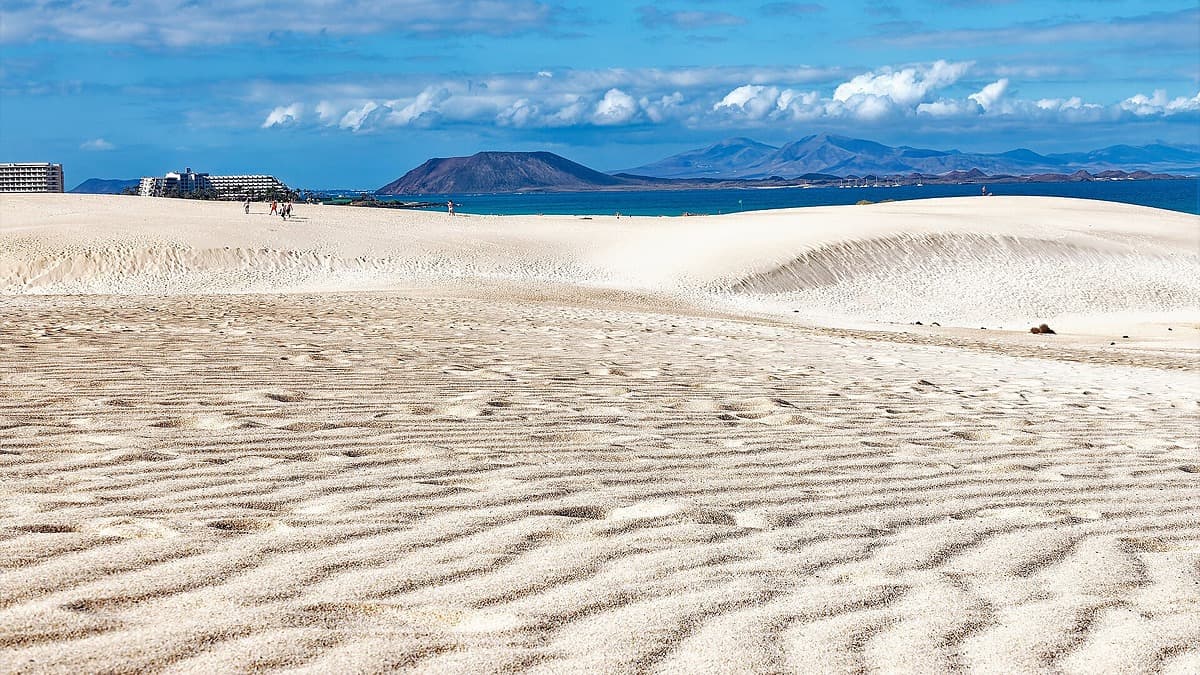
Europe's seas start the winter warm: Copernicus recorded record October sea temperatures along the Atlantic coast and in the central and western Mediterranean. No agency we checked has turned that into a forecast for January swims, so for the Canaries, Cape Verde and the Red Sea, our winter sun beaches guide lists the sea temperatures to expect.
Keep, move or check: an El Niño planner to April 2027
| Destination | Window | What the official forecast says | What to do |
|---|---|---|---|
| California coast | December to February | Wetter than average (NOAA); large waves and coastal flooding risk (State of California) | Keep the trip, keep beach days flexible, watch NWS coastal alerts |
| Hawaii | Now to early spring | Below normal rain; weaker trade winds typical of El Niño winters (NWS Honolulu) | Keep; stay out of brown water after rare heavy rain |
| Caribbean | December to January | Dry season, drought spreading into 2027, unusually warm but fewer bouts of excessive heat (CIMH) | Keep; this is the comfortable window |
| Caribbean | February to May | Unseasonable heat from February, possible record heat from March (CIMH) | Check heat and hotel cooling, or go earlier |
| Caribbean reefs | Now to December | Alert Level 3 at Puerto Rico, the Virgin Islands, Hispaniola, the Leeward Islands and Trinidad and Tobago on 10 November; easing through December (NOAA Coral Reef Watch) | Check the nearest Virtual Station before booking a reef trip |
| Caribbean reefs | Late January to March | Little or no bleaching heat stress forecast around most islands (NOAA Coral Reef Watch outlook, 10 November) | The better window for a snorkelling trip; recheck the outlook before you book |
| Eastern Australia | December to February | Strong El Niño does not necessarily mean strong impacts; warm seas (Bureau of Meteorology) | Keep; use the long-range forecast, plan for stingers in Queensland |
| Thailand | November to April | No El Niño-specific forecast found | Book by coast and season as usual |
Reef trips get the clearest call. If a holiday hangs on snorkelling in the Caribbean, check the reef's heat stress before you pay; NOAA's outlook points to late January to March as the calmer window. For everything else, the forecasts favour keeping your booking, choosing flexible fares, and reading the local forecast in the week you fly. NOAA updates its three-month outlook on 19 November. Checked November 2026.