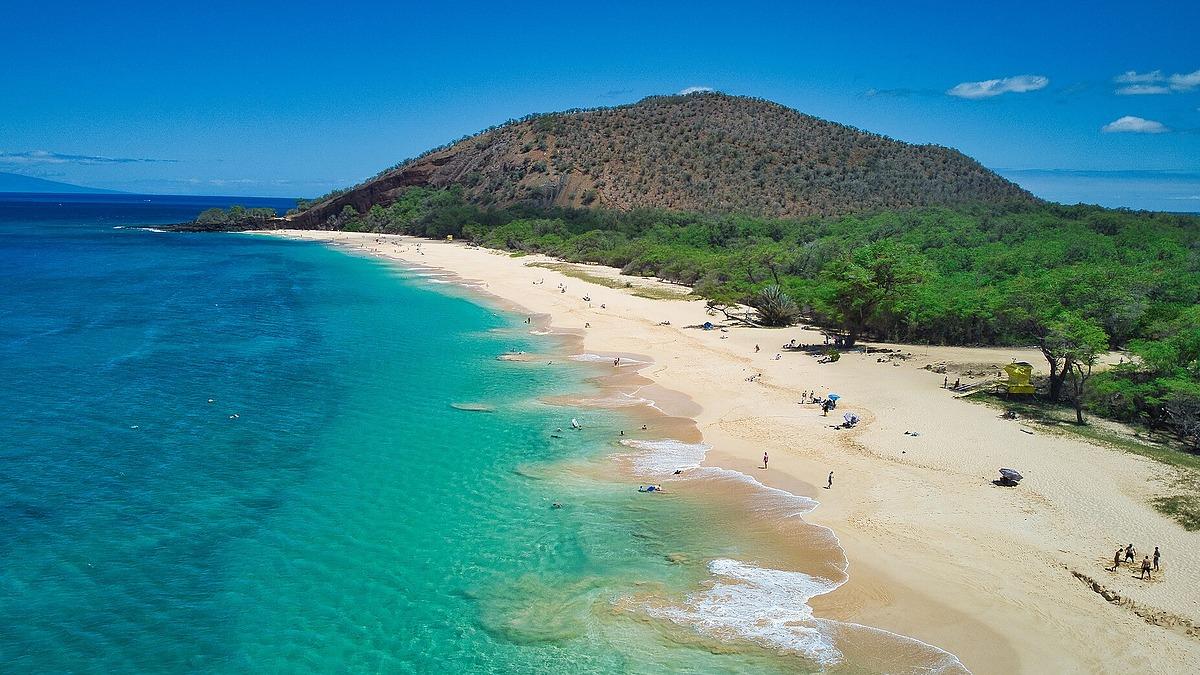
Hapuna Beach is a wide curve of pale sand between black lava points on the Kohala Coast, the kind of beach the Big Island has few of. For most visitors it is the best beach on the island: the easiest swim, the most space and, unusually for this island, lifeguards. The six others cover what Hapuna can't: Kua Bay is the smaller, prettier white-sand bay; Kohanaiki, Honokohau and Ho'okena are the Kona beaches locals use; Punalu'u and Papakolea are the black and green sand beaches people fly here to see.
Timing matters. Hawaii's Department of Health counts November to April as winter surf season, when north swells can wrap around onto west-facing shores, and five of these seven beaches lie on that coast. In the south, Hurricane Lala flooded the Ka'u District in August 2026; repairs are still under way, and the county park at Punalu'u has been closed since late August.
The seven run south down the west coast from Kohala, then to Ka'u at the island's southern end.
Best beaches on the Big Island at a glance
| Beach | Best for | Winter water (Nov to Apr) | Lifeguard | Entry |
|---|---|---|---|---|
| 1. Hapuna (Kohala) | Swimming, a long beach day | Shorebreak on big swell days | Daily, 9.30am to 4.45pm | Non-residents $5 a person, $10 a car |
| 2. Kua Bay (North Kona) | White sand, calm summer swims | Dangerous shorebreak at times | County tower; staffing varies | Non-residents $5 a person, $10 a car |
| 3. Kohanaiki (North Kona) | Surfing, tide pools, picnics | Prime surf season; park can close | County tower since June 2025 | Free |
| 4. Honokohau (Kona) | Turtles, history, quiet | Currents with north swell | None | Free (national park) |
| 5. Ho'okena (South Kona) | Snorkelling, spinner dolphins | Shorebreak after storms | None | Free |
| 6. Punalu'u (Ka'u) | Black sand, turtles | South shores usually calmer | Park closed since August 2026 | Shoreline only |
| 7. Papakolea (Ka'u) | Green sand, a long walk | Rough; not for swimming | None | Free; 2-plus miles each way on foot |
Lifeguard hours from the Department of Health, fees from Hawaii State Parks. Checked November 2026.
Kona, Kohala or Hilo: which coast has the best beaches
The west. The Kohala and Kona coasts get the sun, the white sand and almost all of the swimmable bays; five of the seven picks are within about an hour's drive of Kailua-Kona. Kohala, in the north-west, has the long sandy beaches backed by resorts. Kona, from the airport south, is mostly black lava with small pockets of sand, turtles on the rocks and the island's best snorkelling.
Ka'u, the south coast, is where the colours change. Punalu'u and Papakolea are 1.5 to 2 hours' drive from Kailua-Kona, so most people pair them with Hawaii Volcanoes National Park rather than a swim. The Hilo side is wetter and rockier, with no sandy beach on Hapuna's scale, though it has five lifeguarded county parks, among them Richardson Ocean Park, Carlsmith and Leleiwi.
1. Hapuna Beach: the best all-round beach on the Big Island
If you have one day for the sea, spend it at Hapuna. The sand runs wide from one lava point to the other, with room to spread out on busy days, and it is one of only two of the seven on the state's list of guarded beaches, with lifeguards posted daily from 9.30am to 4.45pm. The other, Punalu'u, has had its lifeguard stand shuttered since its park closed.
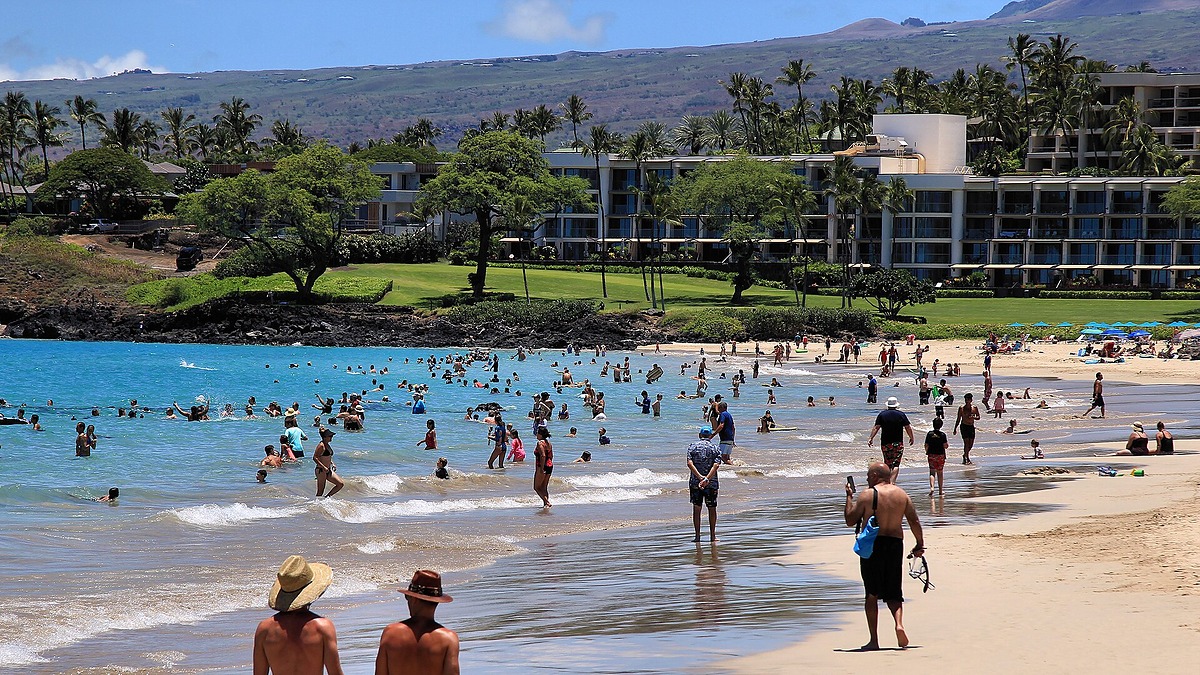
It is a state recreation area about 45 minutes' drive north of Kailua-Kona on Highway 19. Hawaii State Parks charges non-residents $5 a person and $10 a car, by card only; Hawaii residents with state ID go free. The park is open from 7am to 7.30pm, and the gates are locked at 8pm. There are restrooms and cold showers, but the food concession is temporarily closed, so bring lunch. Checked November 2026.
Hapuna faces west, straight into the winter swell. The state parks page warns of rip currents and pounding shorebreak in high surf and says waves over 3 feet are for experts only. It has three lifeguard towers, but the north one is among the county's least-staffed, a fire department official said in September 2026. Swim in front of a staffed tower, and on a big day stay on the sand.
Kauna'oa (Mauna Kea Beach), the next bay north, is a public beach reached through the Mauna Kea Beach Hotel's gate, with no lifeguard on the state's list. Kua Bay, further south down the same coast, is Hapuna in miniature.
2. Kua Bay (Manini'owali): white sand with a 2026 entry fee
Kua Bay is a small bay of white sand between two arms of black lava, and on calm days the water over the sand turns a bright, clear blue. The prettiest swimming beach in North Kona is also much smaller than Hapuna, so it fills early. Our Kua Bay review covers the access road and the summer swimming window.
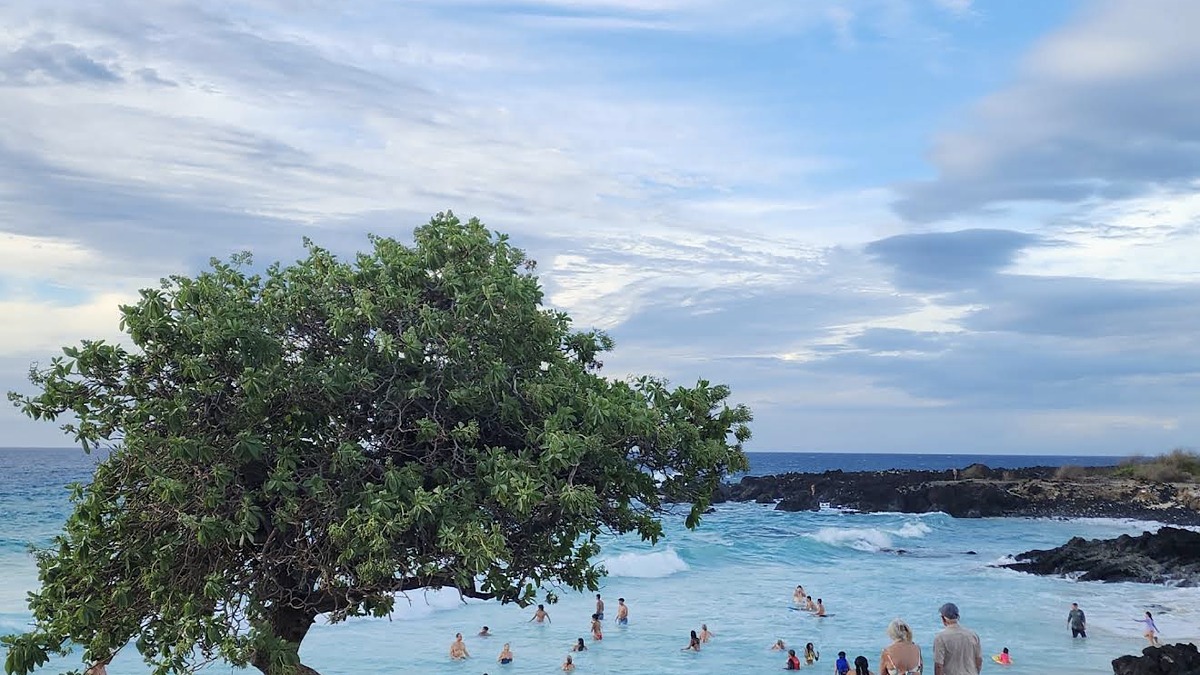
The bay is the Manini'owali section of Kekaha Kai State Park, about 25 minutes' drive north of Kailua-Kona. Since January 2026 the state has charged entry: non-residents pay $5 a person and $10 a car, by card only, while children aged 3 and under and Hawaii residents with ID go free. The park is open from 8am to 6.30pm, and the gates close at 7pm. Checked November 2026.
Winter is the problem: on swell days the waves stand up and break hard on the sand, and the state runs no lifeguard service here. Although a county tower has stood at the bay since 2019, the fire department moves guards between towers when it is short-staffed. From May to October Kua Bay is usually a calm morning swim; from November to April, check the surf first and expect some days to be for photographs only.
Walkers can carry on to Makalawena, a run of white-sand coves on the Ala Kahakai coastal trail between Kua Bay and the park's Mahai'ula section, 4.5 miles apart according to the state. The park is dry and hot, with no drinking water. Kohanaiki, further south towards Kailua-Kona, is the opposite: a beach park you drive straight into.
3. Kohanaiki Beach Park: Kona's local surf and tide-pool park
Kohanaiki is where Kona goes on a Saturday. Locals call it Pine Trees, and it is less a single beach than a strip of lava, sand pockets and surf breaks with grassy picnic areas behind. Surfers come for the winter waves, families for the tide pools that form among the rocks at low tide. Our Kohanaiki Beach Park review covers the surf breaks and camping.
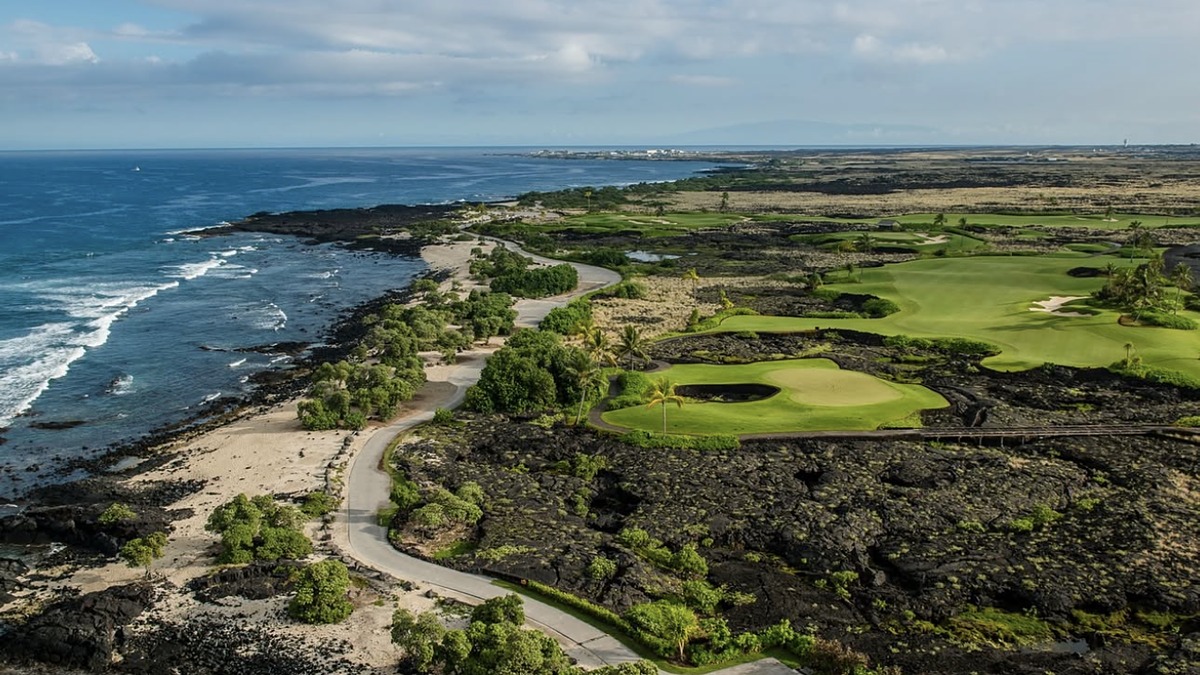
The county park is 15 to 20 minutes' drive north of Kailua-Kona, through the Kohanaiki resort community to a gate open from 5.30am to 9pm. Entry and parking are free, and the county lists restrooms, outdoor showers by the beach, drinking water and round-the-clock security guards.
The Hawaii Fire Department opened a lifeguard tower at Kohanaiki in June 2025, after a 15-year-old surfer died from injuries suffered here in 2022, and said it would be staffed daily. The bottom is still reef and lava, and winter swell can reach the campsites: the county closed the park in January 2026 to clear debris after high surf. Keep children in the tide pools, not the open sea. A short drive south, Honokohau has no facilities at all, and turtles on the sand.
4. Honokohau Beach: turtles inside a national park
Honokohau is a quiet strip of sand and pebbles inside Kaloko-Honokohau National Historical Park, just north of Kailua-Kona, and the most reliable of the seven for seeing green sea turtles resting on the beach. Behind it are ancient Hawaiian fishponds and the 'Ai'opio fishtrap, so a visit can be half beach, half history. Our Honokohau Beach review covers the fishponds and the walks between them.
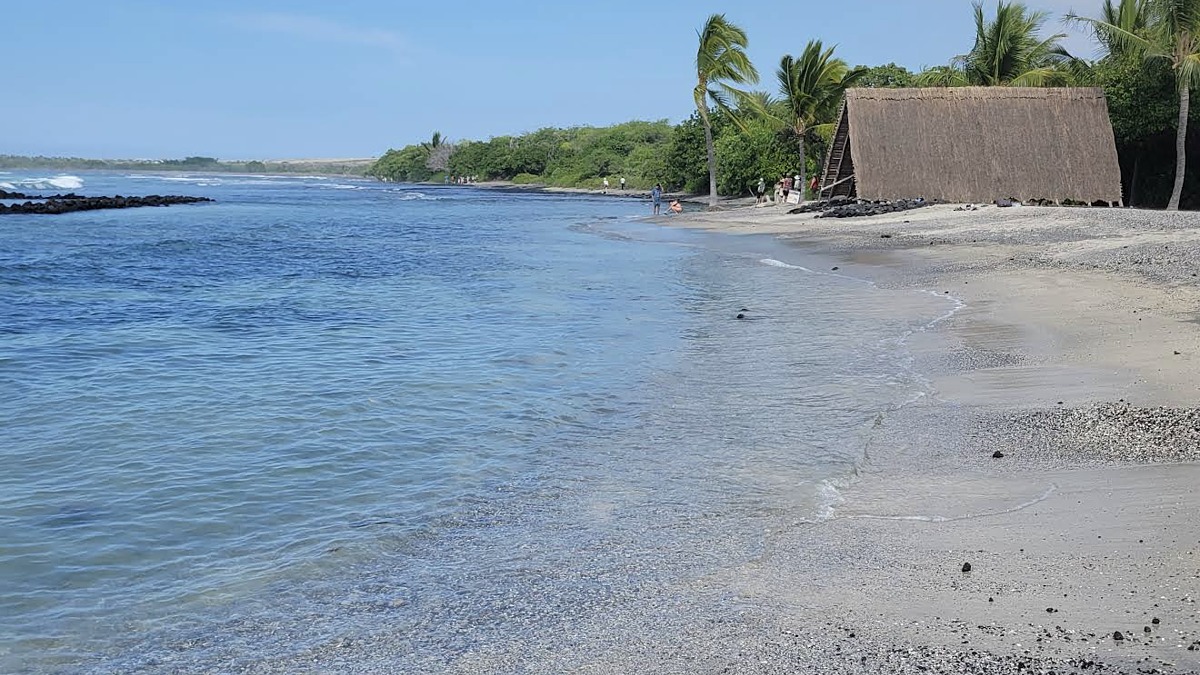
Entry is free. The National Park Service's directions start from Honokohau Harbor, about 10 minutes' drive from Kailua-Kona: take the first right inside the harbour, park in the gravel lot by the Kona Sailing Club and walk about 5 minutes to the fishtrap at the beach's south end. The visitor centre on Kaloko Road is open from 8.30am to 4pm, and cars must leave its car park by 4pm; the Kaloko Road gate is open from 8am to 5pm. Checked November 2026.
There is no lifeguard, shade or food, so bring water. NOAA asks visitors to stay at least 10 feet (3m) from turtles on land and in the water, and never to touch or feed them. For more to see underwater, keep driving south to Ho'okena.
5. Ho'okena Beach Park: South Kona snorkelling and spinner dolphins
Ho'okena is a small bay of grey-black sand at the bottom of a steep, narrow road in South Kona, with a fishing village behind it and reef along the lava at both ends. It is the best of the seven for snorkelling from the beach, and spinner dolphins often rest in the bay in the morning. Our Ho'okena Beach Park review covers the concession stand, rentals and camping.
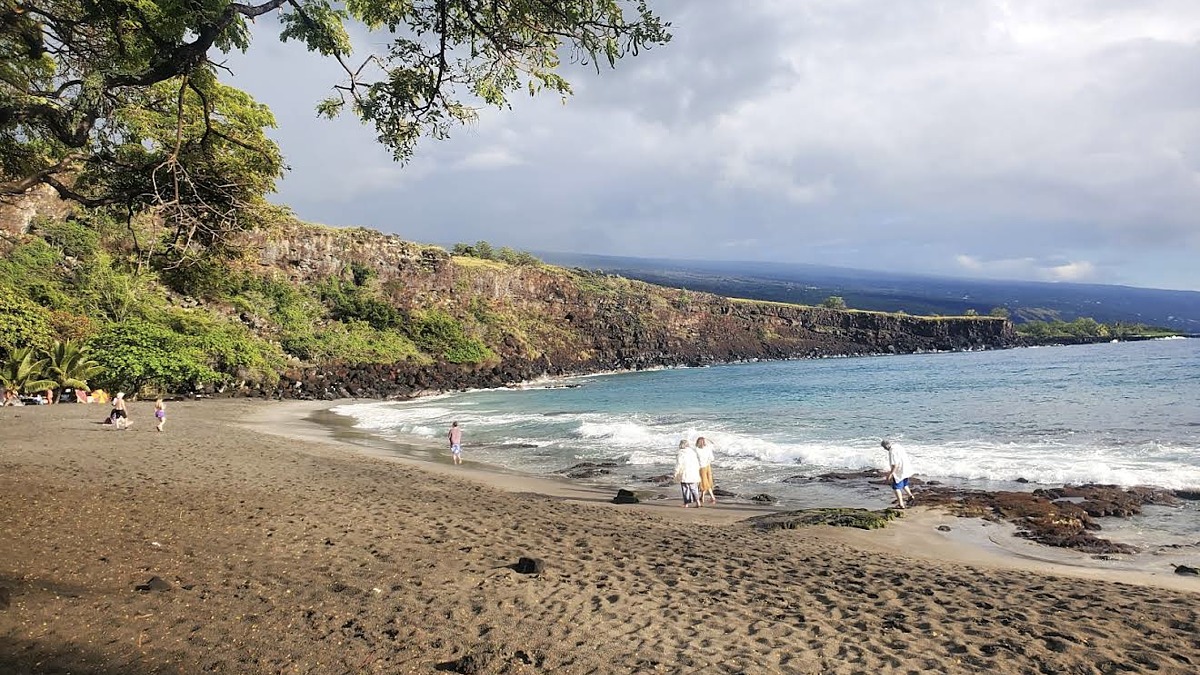
The county beach park is about 45 minutes' drive south of Kailua-Kona off Highway 11, with a small car park at the bottom. There is no lifeguard on the state's list, so snorkel on calm days, with a buddy, and stay inside the bay.
The dolphins come with a law attached. Spinners feed offshore at night and rest in bays like this by day; NOAA's 2021 proposal for daytime closures names this bay, Kauhako, as a resting site. Federal rules already prohibit swimming with, approaching or staying within 50 yards (about 45m) of spinner dolphins in Hawaii, so watch from the beach or let them pass. Ho'okena shares Kona's winter swell; the south coast, a little over an hour further round, is usually calmer in winter.
6. Punalu'u Black Sand Beach: turtles, and a park that closed in August 2026
Punalu'u is the Big Island's famous black sand beach: a bay of jet-black volcanic sand fringed by coconut palms on the Ka'u coast, where green sea turtles haul out to sleep. It is about 1 hour 45 minutes' drive from Kailua-Kona and closer to Hawaii Volcanoes National Park, so most visitors stop on a volcano day.
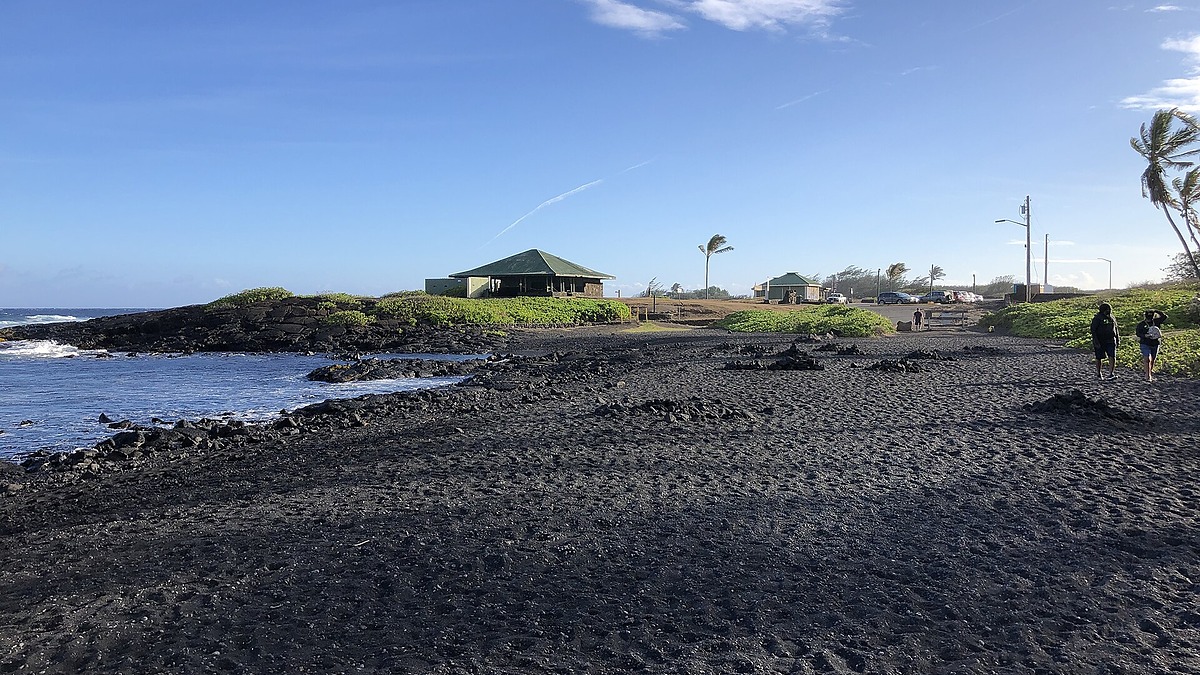
The beach is open; the park is not. Hawaii County's lease on Punalu'u Black Sand Beach Park ended on 29 August 2026 and the park closed. In October the county reached a tentative agreement to buy the 6.8-acre park for $1.46 million, a purchase the mayor said could take six months, and shoreline access stays open meanwhile. On 15 November 2026 West Hawaii Today reported that the park had no running water and its toilets did not work. Bring water and check the county's latest notice before driving down. Checked November 2026.
Punalu'u is still on the state's lifeguarded list, but on 8 September 2026 the Honolulu Star-Advertiser reported the lifeguard stand shuttered, the toilets locked and storm debris across the car park, so don't count on a guard. The turtle rules are the same as at Honokohau: at least 10 feet (3m), and the animals are protected under the Endangered Species Act and Hawaii law.
Allow extra time for the drive. Hurricane Lala skirted South Point on 15 August 2026 and washed out Highway 11 at Pāhala; the road was rebuilt by 24 August, but daytime single-lane closures for storm repairs continue between Pāhala and the national park, and Hurricane Nolo's rain briefly closed Ka'u roads again in late September. Checked November 2026.
7. Papakolea Green Sand Beach: a long, hot walk, and rides to refuse
Papakolea is a small cove carved out of an old volcanic cone near South Point, about 50 minutes' drive south-west of Punalu'u, and its sand has an olive-green tint from olivine crystals eroding out of the cliffs. It is a place to look rather than swim, and getting there is most of the visit.
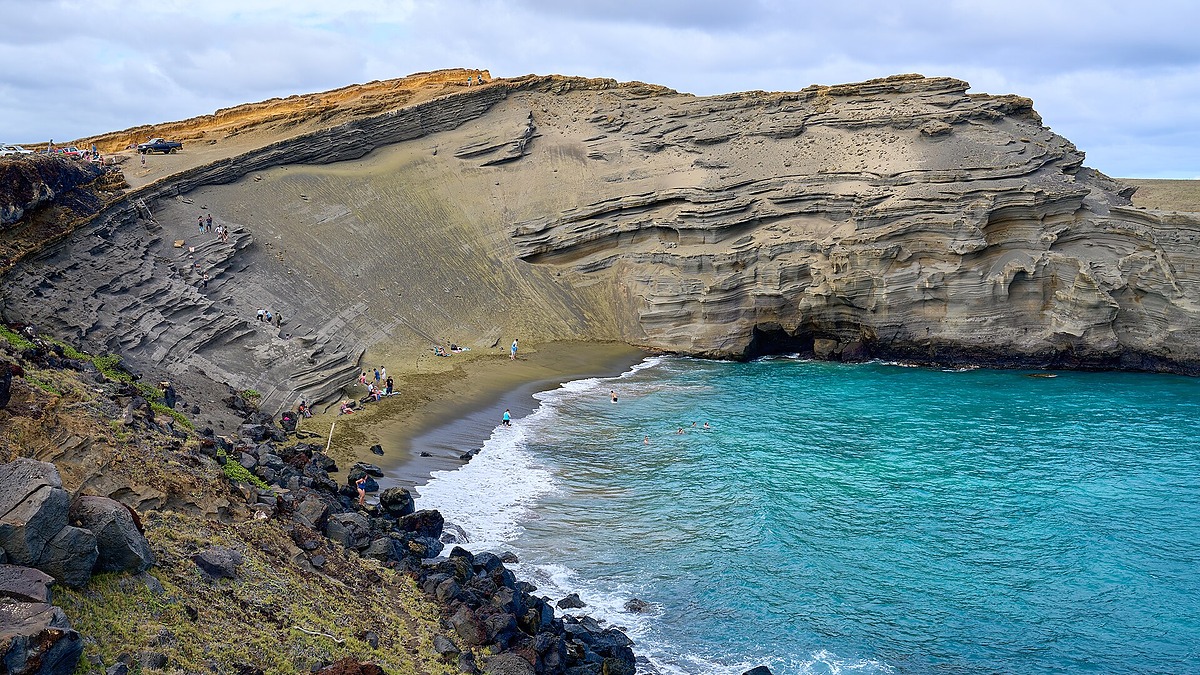
The beach is on land owned by the Department of Hawaiian Home Lands, 1.5 to 2 hours' drive from Kailua-Kona, the last stretch on the paved South Point Road. The department's management plan for South Point puts the hike from the road at more than 2 miles along an exposed, shadeless coast, and community members quoted in it describe driving hikers out with dehydration and injuries. Start early, take more water than you think you need and wear proper shoes.
You will be offered a lift. The same plan calls the pickup-truck rides illegal shuttle services and records miles of erosion scars, some more than eight feet deep, cut by unrestricted vehicle access. Walk. A swimmer drowned in the bay in July 2019, according to the fire department, so stay out of the water unless the sea is flat, and leave the sand where it is.
Check the road before you set off. Hurricane Lala cut off South Point Road in August 2026, and it was repaired and reopened by late September, but it can still close at short notice: on 16 November 2026 a downed utility pole shut a section with no detour. Fill water bottles in Kona, because since 29 September the county has asked homes in Nā'ālehu, Wai'ōhinu and along South Point Road to cut water use by at least a quarter while storm damage is repaired. Checked November 2026.
Where to swim in winter, with children and with a snorkel
From November to April, choose a beach by the way it faces: the Department of Health expects north swells to wrap onto west-facing shores, while south shores usually run flat to small. On a big-swell day on the Kona side, go to Kahalu'u or White Sands (La'aloa) near Kailua-Kona, both guarded daily from 9.30am to 4.45pm. Small surf still hurts people: with no continental shelf to slow the waves, the average wave height when a spinal cord injury occurs in Hawaii is just 3 feet, the department notes, so never go head first into a breaking wave.
From May the pattern flips, as north swells ease and the south shores pick up summer swell. Winter has its own bonus: humpback whales are in Hawaiian waters from November to May, peaking from January to March, according to NOAA's sanctuary, so a west-side beach day is often a whale-watching day too.
For families, the department advises a lifeguarded beach without heavy shorebreak: Kahalu'u, White Sands, or Hapuna on calm summer days. Ho'okena is the best snorkelling of the seven; Kahalu'u is the lifeguarded alternative for beginners, and at Kua Bay the fish are along the lava at the ends, on calm summer mornings only.
Fees, lifeguards and rules to check before you go
The rules most likely to catch visitors out, checked November 2026.
- Hapuna and Kua Bay: non-residents pay $5 a person and $10 a car at each, card only (two adults in a rental car pay $20). Hours are on the Hapuna and Kekaha Kai state park pages.
- Lifeguards: the Department of Health's list of guarded beaches does not yet include the county towers at Kua Bay and Kohanaiki.
- Honokohau: free; the National Park Service hours page has gate times.
- Punalu'u: park closed, shoreline open; West Hawaii Today's 15 November report has the latest.
- Roads to Ka'u: the Department of Transportation's weekly list has shown daytime single-lane closures on Highway 11 in South Kona (earthquake repairs) and near Pāhala (Hurricane Lala repairs) through November 2026, and South Point Road can close at short notice. Check the weekly Hawaii Island lane closures and Civil Defense alerts before you drive.
- Wildlife: the NOAA viewing guidelines ask for 10 feet (3m) from turtles and 50 feet (15m) from monk seals; federal law sets 50 yards for spinner dolphins and 100 yards (about 90m) for humpback whales, kayakers and drones included.
Big Island or Maui, Oahu and Kauai: which has better beaches
Maui is stronger for long, easy sandy beaches, with a calm south shore in winter; our best beaches in Maui guide explains which coast to choose, and our Oahu and Kauai guides cover those islands.
The Big Island's case is variety: white sand at Hapuna, sleeping turtles at Honokohau, spinner dolphins at Ho'okena and green sand at Papakolea, all in one trip. Between November and April, base in Kailua-Kona or on the Kohala Coast, swim at Hapuna on small-surf days, and keep Kahalu'u or White Sands in reserve for the days the swell comes in.