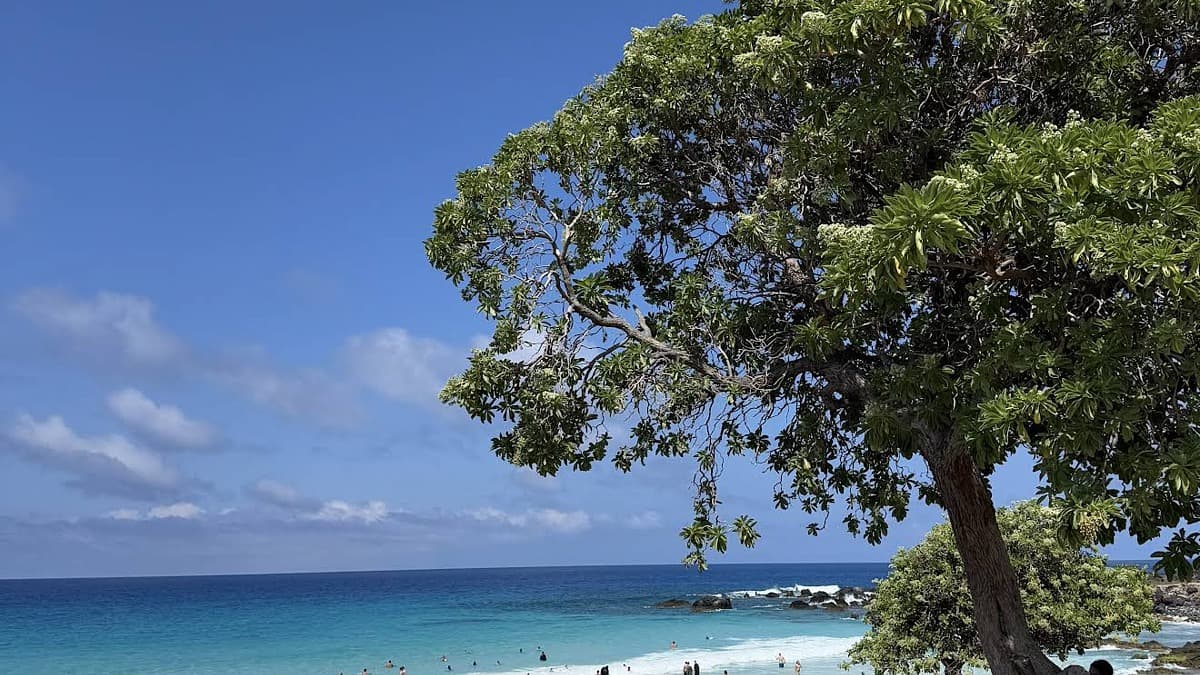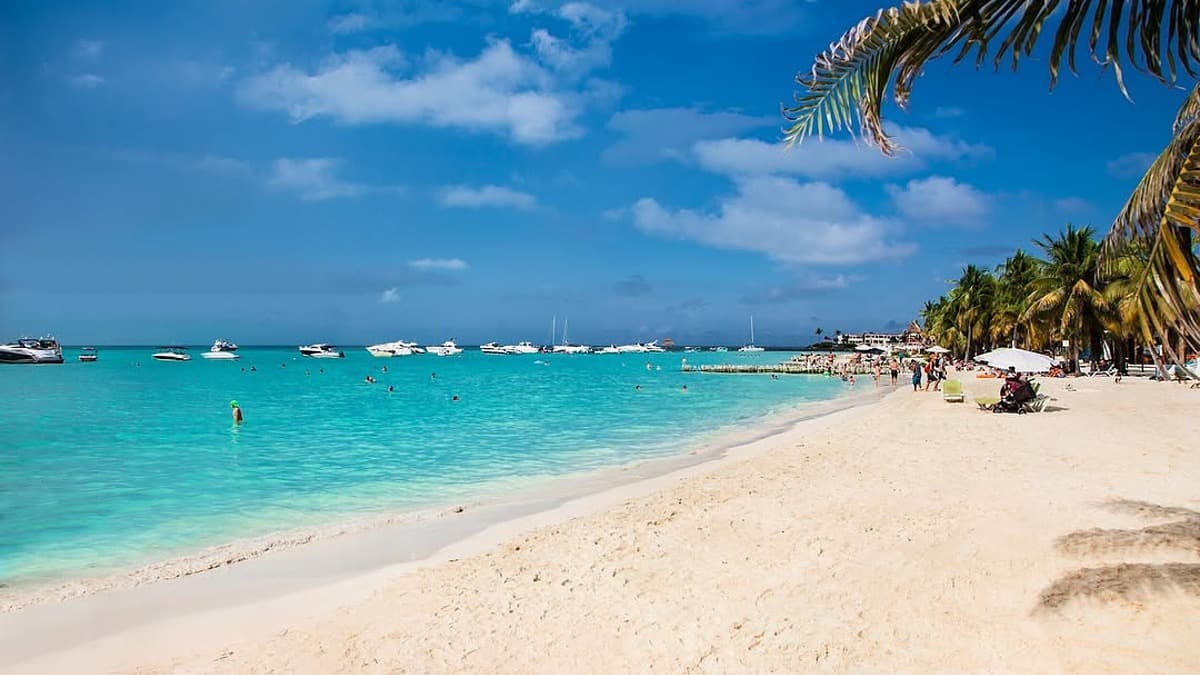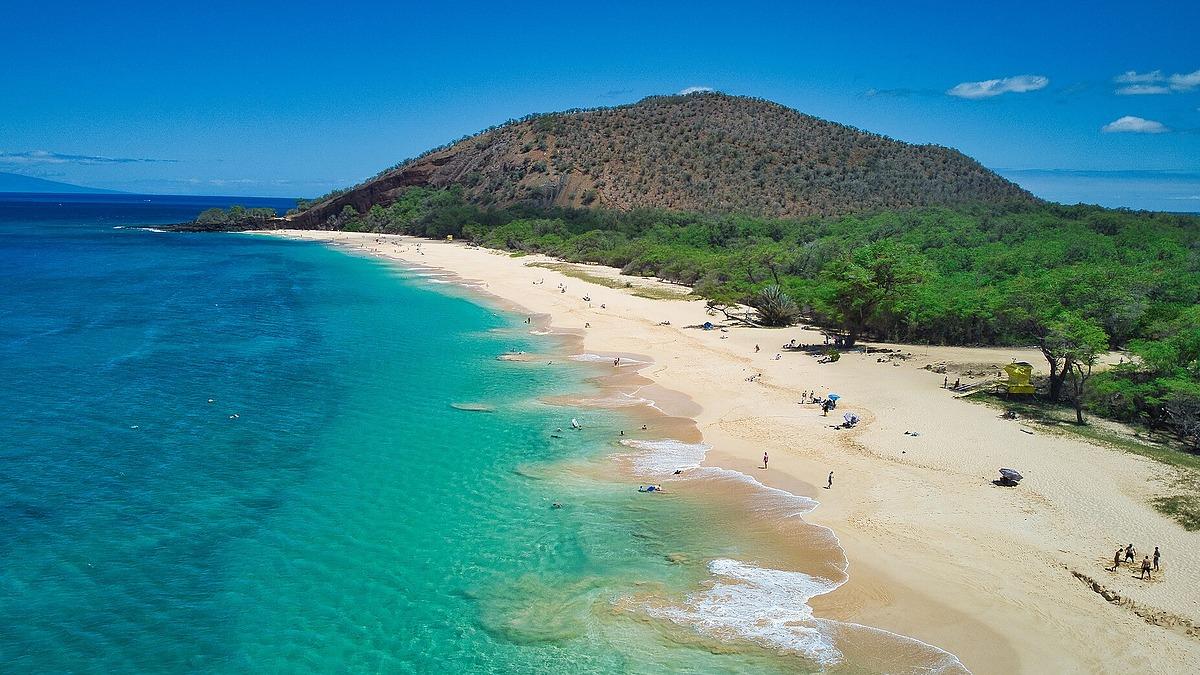
Kapalua Bay is a short crescent of pale sand between two arms of black lava at the top of West Maui, and on a still morning the water inside is calm enough to float face-down with a mask and watch the fish below. It is the best beach in Maui for most visitors, and Stephen Leatherman, the coastal scientist known as Dr Beach, ranked it America's best in 1991, his first No. 1, and again in 2018. The six others below cover what Kapalua can't: the free parking and turtle reef at Kahekili, the big reef at Olowalu and the open sweep of Big Beach. Wailea, fourth on Leatherman's 2026 list, gets a note under South Maui.
From November, Maui's beaches swap roles. Hawaii's Department of Health counts November to April as the winter surf season, when big north swells pound north-facing shores and can wrap around onto the west, while the south shore usually runs flat to small. For the months ahead, Wailea, Palauea and Makena are the calmer default.
The seven run north to south, West Maui first. Hamoa, Hookipa and the Hana coves come at the end.
Best beaches in Maui at a glance
| Beach | Best for | Winter water (Nov to Apr) | Lifeguard | Parking |
|---|---|---|---|---|
| 1. Kapalua Bay (west) | Calm swimming, a first snorkel | Calm most mornings; north swells can wrap in | None | Small public lot, daily fee for non-residents |
| 2. Napili Bay (west) | Turtles, staying on the sand | Rougher when swells arrive | None | Street parking only |
| 3. Kahekili (west) | An easy reef snorkel, turtles | North swells can wrap in | None | Free public lot |
| 4. Kaanapali (west) | Long walks, resort hotels | Exposed to wrapping north swells | South end only, at Hanakaoo | Resort garages and a few free stalls |
| 5. Olowalu (west) | Reef snorkelling at high tide | Faces south, usually calmer | None | Free roadside pull-offs |
| 6. Palauea (south) | A quiet morning swim | Usually flat to small | None | Roadside on Makena Road |
| 7. Makena Big Beach (south) | Space, strong swimmers | Shorebreak in any season | Daily, 8am to 4.45pm | State lot, $10 a car for non-residents |
Lifeguard cover comes from the Department of Health's list of lifeguarded beaches, which names ten on Maui; of these seven, only Big Beach is guarded along its length, and Kaanapali only at its Hanakaoo end. Checked November 2026.
West Maui: calm bays for swimming and snorkelling
West Maui's beaches run from Kapalua in the north, past Kaanapali and Lahaina, to the reef at Olowalu. In summer, when north swells ease, they are usually calm. From November the Department of Health warns that north swells can wrap around onto west-facing shores, so the routine here is a morning swim and a few minutes watching the sets first.
1. Kapalua Bay: the best all-round beach on Maui
Choose Kapalua if you want one easy, sandy swim with a toilet nearby. Lava points shelter both ends of the bay and the bottom is sand. The snorkelling is along the rocks on either side, where coral and reef fish start a few kicks from the beach.
Stay inside the bay: the Hawaii Vacation Guide, updated in March 2026, warns that the current and waves pick up once you leave it.
Parking is the hard part. The public lot off Lower Honoapiilani Road has about 30 spaces, restrooms and showers. Non-residents pay a daily fee by scanning a QR code on the signs, which post the current rate. Checked November 2026. The lot fills early, and the guide notes that the trade winds roughen the water in the afternoon, so a morning visit wins twice.
Honolua Bay, the marine reserve a few minutes north, may soon need a booking. Hawaii News Now reported in August 2026 that the Hawaii Tourism Authority plans a reservation system there, with visitors parking elsewhere and taking a shuttle to the bay. Officials gave no start date, only a hope of launching it in the next fiscal year.
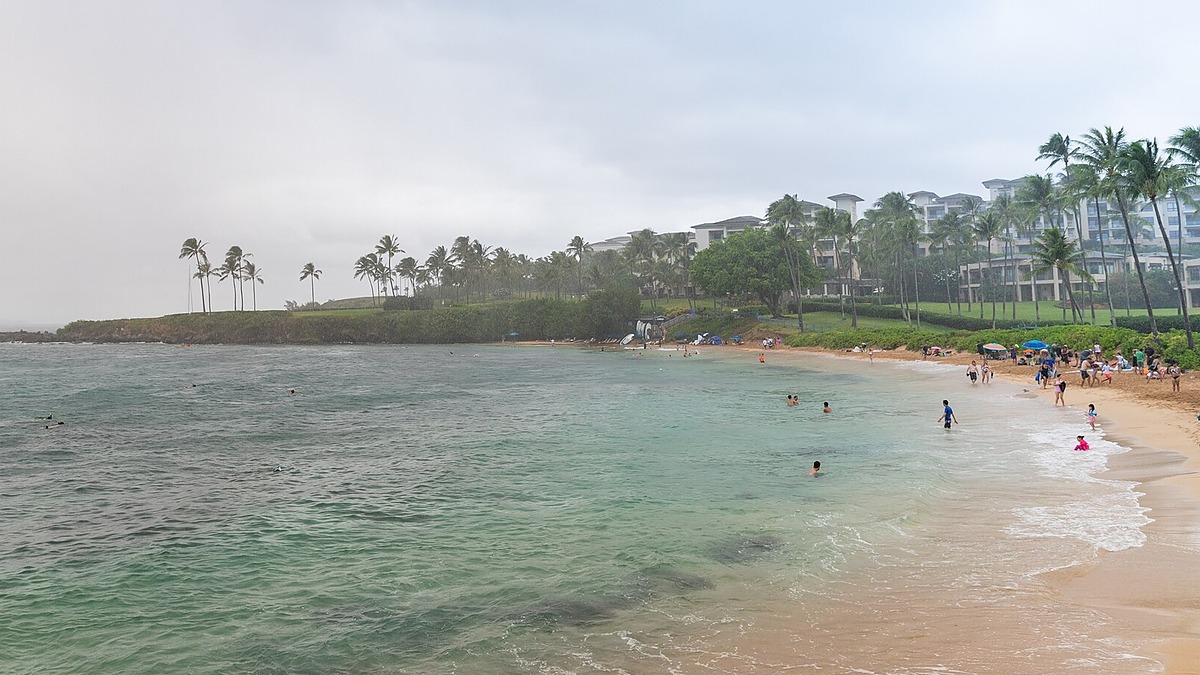
2. Napili Bay: turtles in front of the condos
The next bay south is a wider curve of sand with condos and small hotels right behind it, which makes Napili the beach to stay on rather than drive to. Green sea turtles feed on the rocks at both sides of the bay. NOAA asks you to keep at least 10 feet (3m) away, which rules out swimming over one for a photo.
Napili has no public car park. Two public paths reach the sand from Lower Honoapiilani Road, at Napili Place and Hui Drive, and the few street spaces nearby go early. The only restrooms are in the resorts, and winter brings wind, rain and rough surf, according to the Hawaii Vacation Guide. With no lifeguard, treat a big-swell day as a day for the sand.
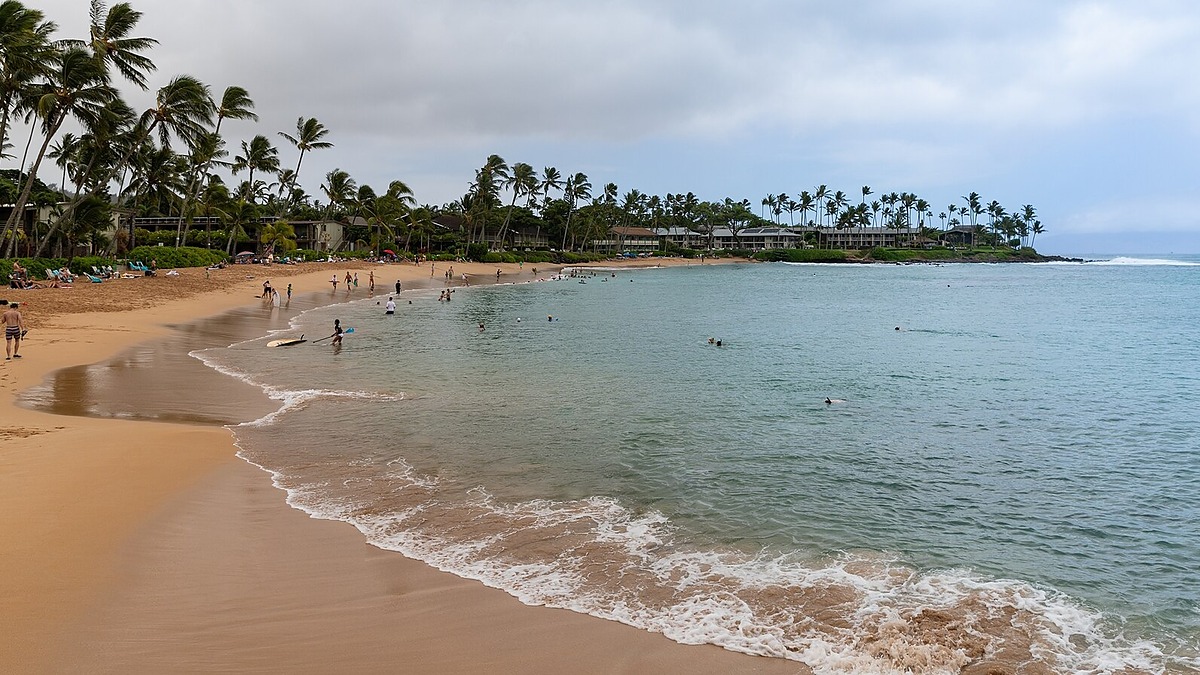
3. Kahekili Beach Park: free parking and a protected reef
At the north end of the Kaanapali strip, Kahekili has a free public lot, restrooms and showers behind the sand, and a reef that starts off the beach, where green sea turtles feed.
The state's Department of Land and Natural Resources (DLNR) protects it as a herbivore fisheries management area: no taking parrotfish, surgeonfish or sea urchins, and no feeding the fish. There is no lifeguard. Our Kahekili Beach review covers the snorkel. South, past Black Rock, the resort sand begins.
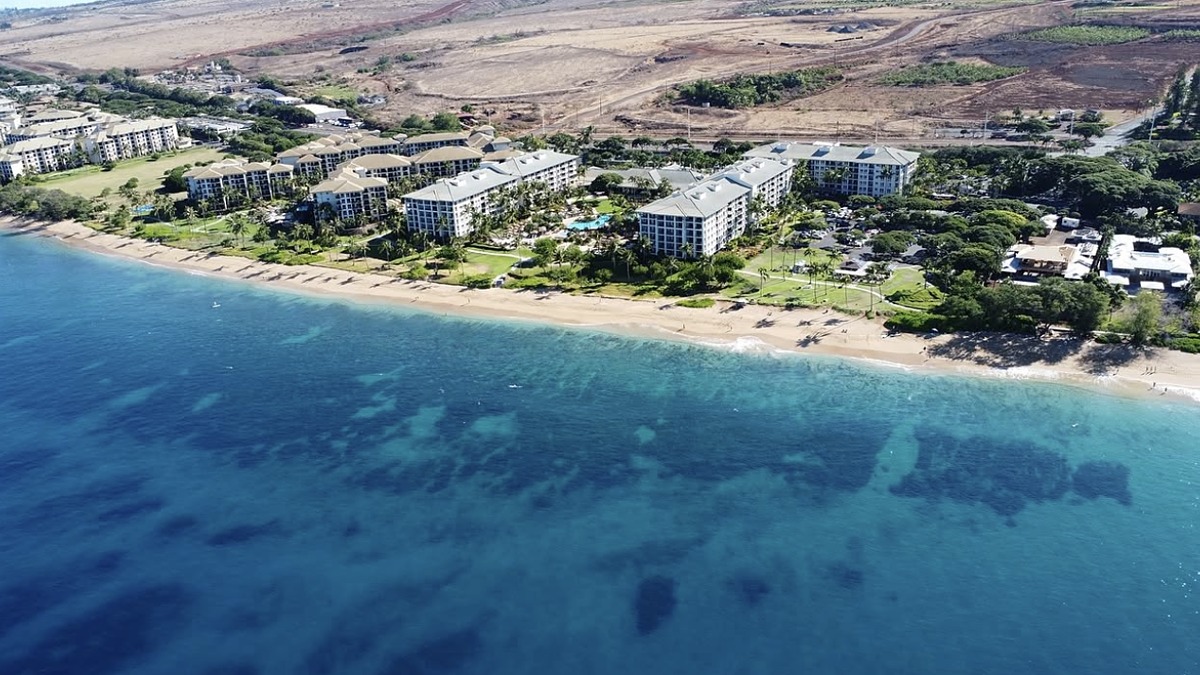
4. Kaanapali Beach: three miles of resort sand, and Black Rock
Kaanapali is the long one: 5km (3 miles) of white sand in front of the resort hotels, by the Hawaii Tourism Authority's count. At the north end stands Puu Kekaa, known as Black Rock, the beach's snorkel spot; on calm days you can swim along its lava face from the sand.
The same rock is where the danger concentrates. Department of Health figures count 24 drownings in the vicinity of Black Rock from 2009 to 2018, all of them non-residents and 18 of them snorkellers, The Maui News reported in May 2026.
The Hawaii Trauma Registry recorded 20 spinal injuries at Kaanapali Beach from 2009 to 2017, joint third in Hawaii. The beach's only lifeguard tower is at Hanakaoo Park, the south end, so if you are not a confident ocean swimmer, swim there.
Parking is mostly in resort garages and the Whalers Village car park, with a few free public stalls that fill early, which is why Kahekili's free lot is the easier stop.
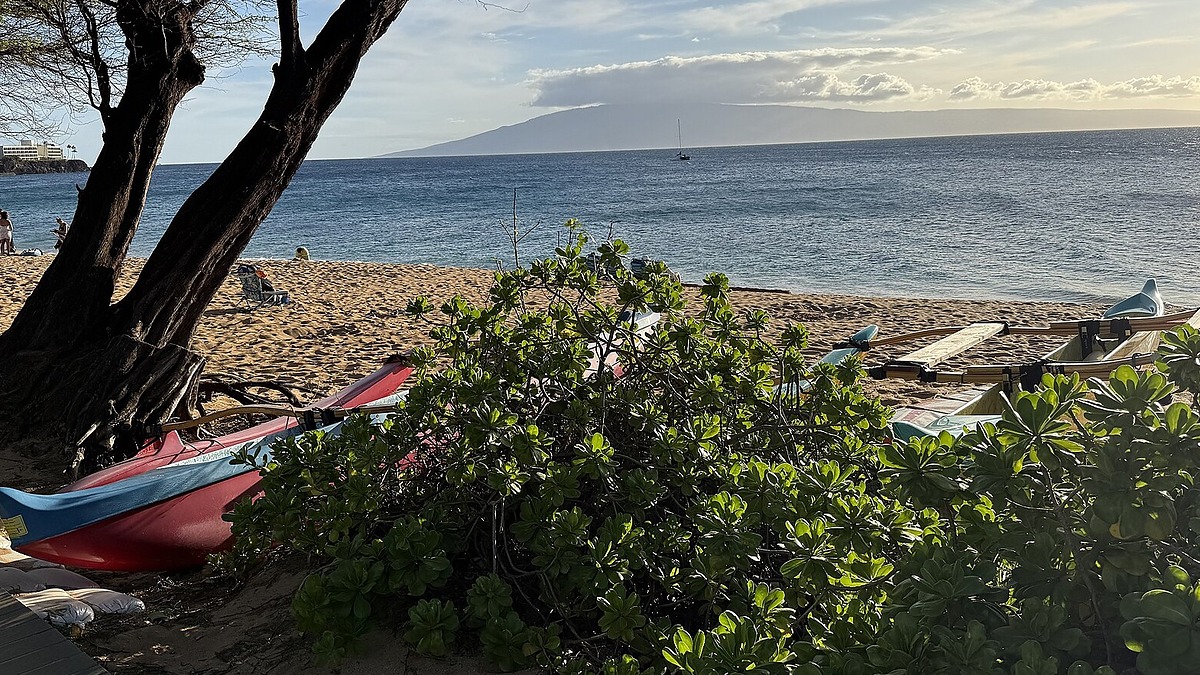
5. Olowalu: the big reef south of Lahaina
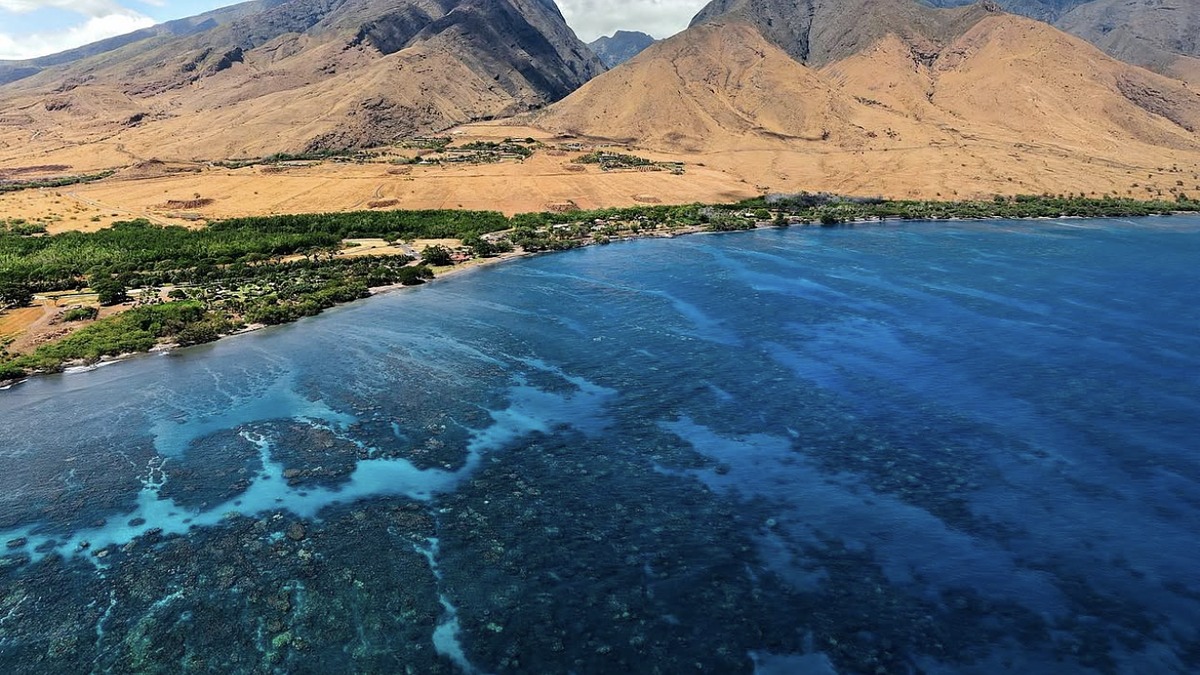
Olowalu is less a beach than a reef with a strip of sand in front of it. The Nature Conservancy describes a 939-acre fringing reef running from Olowalu to Papalaua, home to the largest known manta ray population in the United States and a source of coral larvae for the reefs of Lanai, Molokai and West Maui. In 2017 the ocean charity Mission Blue named it Hawaii's first Hope Spot.
You park on the ocean side of Honoapiilani Highway (Route 30) near Mile Marker 14 and walk straight onto the sand. There are no toilets, showers or lifeguard. The reef is shallow close in, and the Department of Health's snorkelling advice is to avoid shallow reef and never stand on coral, so go near high tide on a calm morning.
After heavy rain the reef can turn cloudy: the Conservancy notes that storms wash sediment from degraded and burned land above Olowalu onto the coral. On 26 September 2026 a brush fire of more than 100 acres forced a two-day evacuation of Olowalu village; Hawaii News Now reported no damaged buildings.
This stretch of coast faces south, the side the Department of Health expects to stay flat to small in winter, which makes Olowalu one of the better West Maui snorkels between November and April. Our Olowalu Beach review has the tide timing and what lives on the reef.
Is West Maui open? Lahaina in November 2026
The resort coast north of Lahaina reopened to visitors in phases after the August 2023 wildfire, from Kapalua to Kahana on 8 October 2023 and from Kahana to Kaanapali on 1 November 2023, according to the County of Maui. Every West Maui beach in this guide is open.
Lahaina itself is still rebuilding. Front Street reopened to vehicles on 1 August 2026, according to the county's Office of Recovery, and the harbour is partly open, with full recovery not expected until the end of 2027, Maui Now reported in June 2026. The banyan tree and the burned Old Lahaina Courthouse, across from the harbour, were still blocked off from the public then. Checked November 2026.
From November, the calmest water is on the south shore.
South Maui: Wailea, Palauea and Big Beach
Winter is South Maui's season. The Department of Health's surf guide expects south shores to run flat to small from November to April, and to take the big swells from May to October, when storms in the southern hemisphere send waves north.
Wailea Beach, wide and gently sloping in front of the Grand Wailea and the Four Seasons, came fourth on Leatherman's 2026 list of America's best beaches, and on a calm winter morning it is the easiest swim on this coast. The free public lot between the two resorts has restrooms and outdoor showers but fills quickly. There is no lifeguard, and Maui Now reported in June 2025 on recent drownings off the Wailea coast, so swim close to shore.
6. Palauea (White Rock): no car park, fewer people
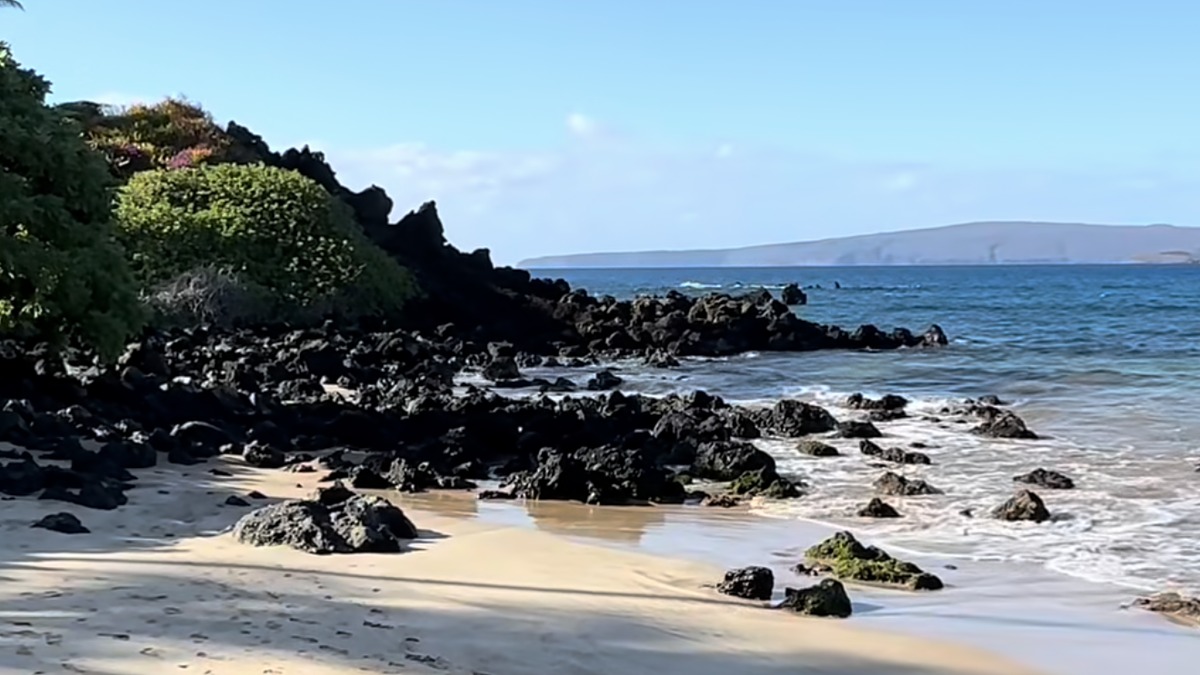
Palauea, which most locals call White Rock, is a curve of white sand just south of Polo Beach, hidden from the road by a screen of kiawe trees. The county calls it Palauea Beach Park. It stays quieter than Wailea and Polo to the north because there is no car park.
Park on the shoulder of Makena Road and follow a dirt path through the trees to the beach. Snorkel around the lava points at either end, with no lifeguard to watch you. Our Palauea Beach review covers the parking and when the water is glassy.
7. Makena Big Beach: the most space, and the heaviest shorebreak
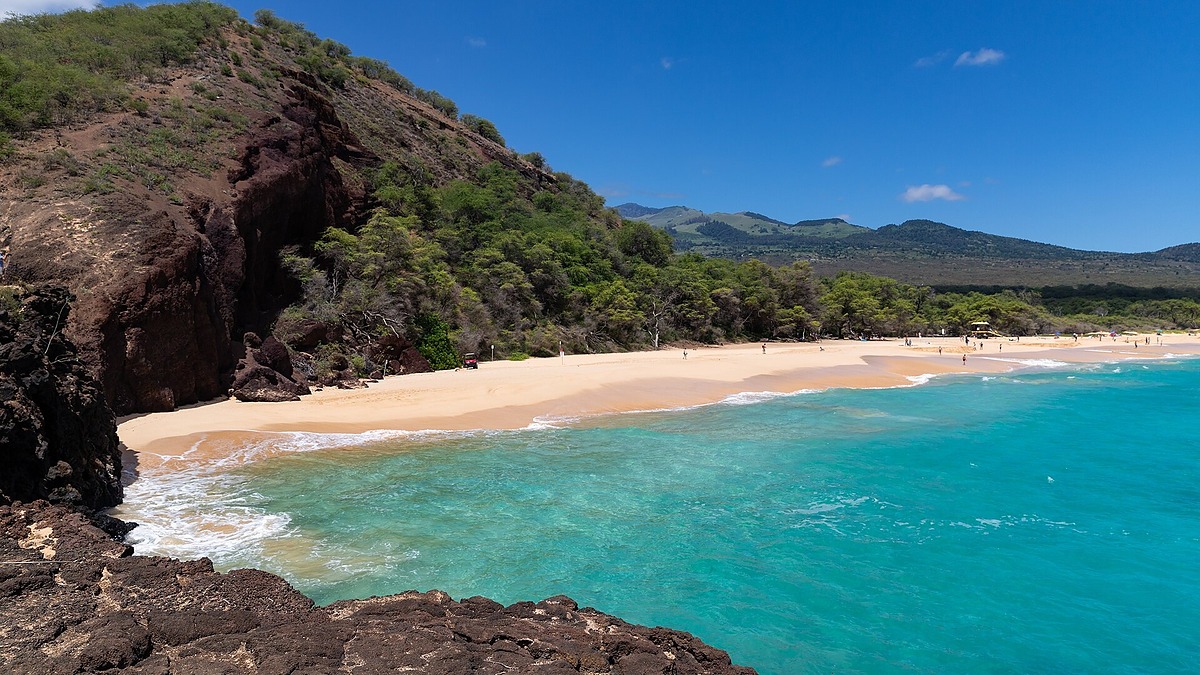
Inside Makena State Park, Oneloa, known as Big Beach, runs for about 1km (two-thirds of a mile) of wide sand. It is the most open beach here, and the one where you most need to read the water. The state parks division puts it plainly on its Makena page: "Shore break can be very dangerous!"
The numbers back that up. The Hawaii Trauma Registry counted 40 spinal injuries at Makena from 2009 to 2017, more than anywhere else in the state, and the Department of Health notes that the average wave height when a spinal cord injury occurs is just 3 feet. Never go into a shorebreak head first; duck under waves, and protect your head and neck if one catches you.
Big Beach is the only one of these seven guarded along its whole length (Kaanapali's tower covers just its south end), with lifeguards on duty daily from 8am to 4.45pm, so talk to the lifeguards before going in. The Makena State Park page has current fees and hours.
Where to go in winter, and where to go in summer
From November to April, start in South Maui. Wailea and Palauea are the calm-water picks, Big Beach is for strong swimmers on small days, and the West Maui bays work on settled mornings. Humpback whales are in Hawaiian waters from November to May, NOAA's sanctuary says, peaking from January to March.
From May to October, swap sides. The Department of Health expects north shores to drop to flat or small, so the West Maui bays are usually calm, and South Maui picks up the summer south swells that make Big Beach's shorebreak heavier.
After heavy rain, plan two or three days on the sand. The Department of Health's rule is "if the water is brown, turn around", and its advisories ask swimmers to stay out of murky water for 48 to 72 hours after heavy rain.
Storms can close beaches outright. On 8 September 2026, coastal flooding from Hurricane Lowell shut the Kamaole and Keawakapu beach parks in Kihei, according to the County of Maui, and the Department of Health issued a brown water advisory from Maalaea to Keawakapu. Kamaole I closed again afterwards while crews shored up the eroded shoreline, Maui Now reported in October 2026, so check the county's park closure notices before you go. Checked November 2026.
Which Maui beaches suit kids and families
The Department of Health's first piece of advice for families is to choose a lifeguarded beach, and on Maui the best of those for small children are the three Kamaole beach parks in Kihei. They are guarded daily from 8am to 4.45pm and sit on the calmer south shore through the winter.
Baldwin Beach Park in Paia is guarded too, and the Hawaii Tourism Authority describes its Baby Beach end as a protected swimming area with calm water. It is on the north shore, though, so check conditions with the lifeguards in winter. Kapalua Bay and Wailea are calm on most mornings but have no lifeguard, so keep small children within arm's reach. Big Beach is not for little ones, however small the waves look.
Parking, fees and rules to know before you go
The rules most likely to catch visitors out, checked November 2026.
- Makena State Park (Big Beach): non-residents pay $5 a person and $10 a car, at the kiosks or through ParkMobile; Hawaii residents enter and park free with a state driver's licence or ID. Big Beach is open from 5am to 7pm, until 7.45pm in May, June and July, according to the state parks division.
- Kamaole I and III: since 15 July 2026, the county's Park Maui scheme has charged non-residents $10 a day, $50 a week or $150 a month, by app or pay station. Before 10am on weekends and county holidays, the paved lots are for Hawaii residents only.
- Sunscreen: Maui County's Ordinance 5306 has banned the sale, distribution and use of non-mineral sunscreen without a prescription since 1 October 2022. Only zinc oxide and titanium dioxide are allowed as active ingredients, so check the label before you pack.
- Wildlife: NOAA asks you to stay at least 10 feet (3m) from sea turtles, 50 feet (15m) from Hawaiian monk seals and about 90m (100 yards) from humpback whales.
East and north shore beaches: Hamoa, Koki, Kaihalulu, Hookipa and Baldwin
Most Maui lists include Hamoa and Hookipa, and they are not in the seven above for one reason: the water. The Department of Health expects strong trade winds to raise large, rough waves on east-facing shores, and huge, dangerous swells on north shores through the winter.
Hamoa, near Hana at the end of the Road to Hana, is the one people swim at. It is good for bodysurfing on calm days but has no lifeguard. Next door, Koki is for photographs and picnics, not swimming; our Koki Beach review explains why. Our Kaihalulu Beach review covers the red-sand cove on the other side of Hana, and the eroding trail that leads to it.
On the north shore, Hookipa is a surf and windsurf beach with lifeguards, best for watching big winter waves from the shore, and Baldwin is the family beach covered above.
Maui or Kauai: which island has the better beaches
Leatherman's 2026 list put Kauai's Poipu Beach first. Kauai has the wilder coast, with the Na Pali cliffs and a north shore that shuts down in winter swell; our best beaches in Kauai guide covers it. Our best beaches in Oahu guide does the same for Lanikai, Hanauma Bay and Waimea. Maui's case is choice within a drive: when one coast is rough, the other is usually calm. Heading on to Hawaii Island? Our best beaches on the Big Island guide covers its white, black and green sand beaches.
West or South Maui: where to base yourself
Kahului Airport (OGG) is Maui's main airport, and the Hawaii Tourism Authority's Go Hawaii site suggests booking a rental car in advance; it puts the drive from the airport at 35 to 40 minutes to Wailea and about an hour to Kapalua. For a trip between November and April, base in Wailea or Kihei: calm south-shore water, lifeguarded Kamaole beaches for children and whale season, with Kapalua a morning's drive away on a settled day. From May, base in West Maui, near Kapalua Bay, the best all-round beach on the island.