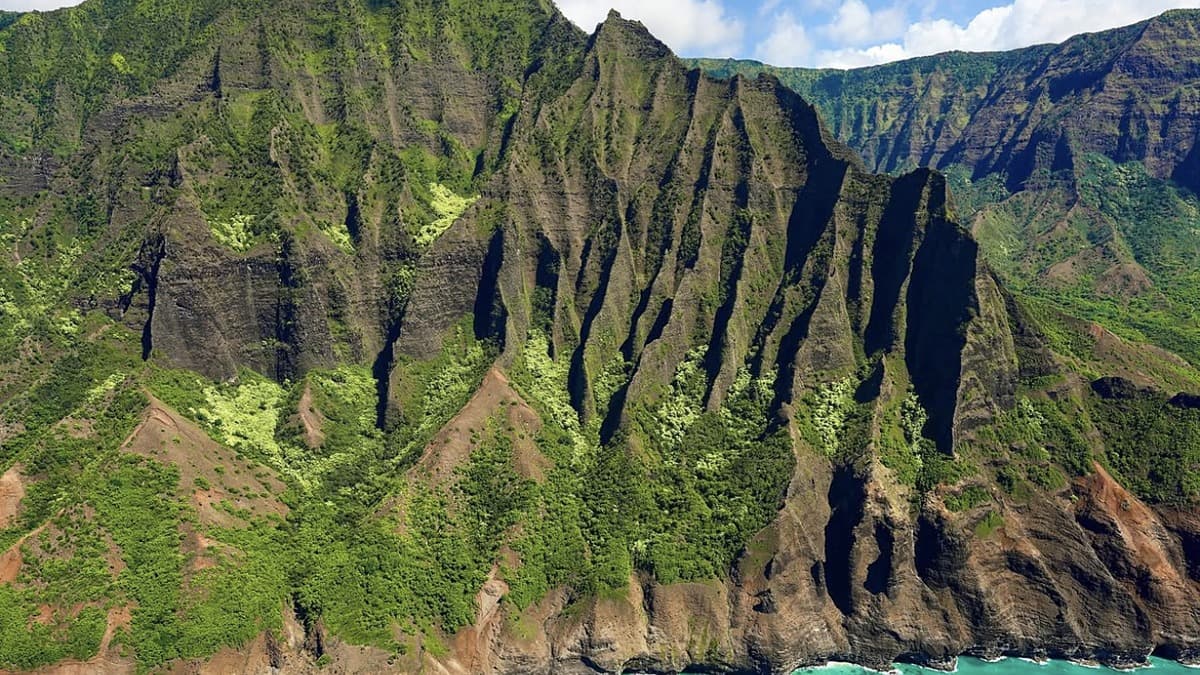
Kauai is the smallest of the main Hawaiian islands and the one with the most personality. The Garden Isle has a single highway that runs around three-quarters of its perimeter, gives up at Ke'e Beach in the north, and refuses to keep going. The Na Pali coast picks up where the road ends and continues for another 15 miles of cliff and bay that you can only reach by boat, helicopter, or a hard hike.
This makes Kauai's beaches feel different from Oahu's. The best ones are at the literal end of the road (Ke'e), at the end of a five-mile dirt track across old sugar-cane fields (Polihale), or strung along the half of the coast that catches every winter swell (the entire north shore). Knowing which beach is open on which day, and which one matches the weather, is most of the trip.
This guide picks eight beaches across all four sides of the island, with the practical rules baked in. Brown water advisories, north-shore closures, dirt-road realities, and which beach to switch to when the weather changes plans for you.
Hanalei Bay: The One the Postcards Are About
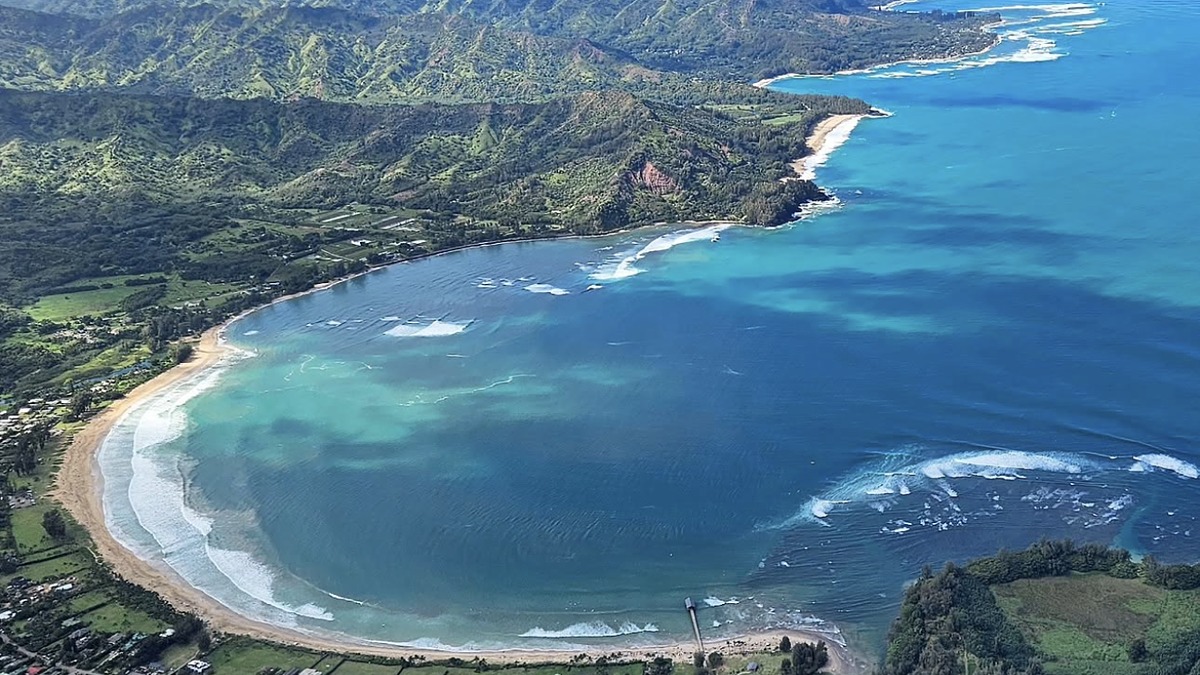
Hanalei Bay is the photo. Two miles of crescent-shaped sand backed by emerald mountains threaded with waterfalls, a wooden pier on the east end, and a town behind it that has somehow held onto its small-Hawaii feel despite a steady stream of visitors. In summer (roughly May to September) the bay is calm, swimmable, and exactly what the marketing promised.
In winter, the same bay is one of the most dangerous swim spots on Kauai. Pacific swells march in unbroken from thousands of miles north, and the surf can run six to ten feet for weeks at a time. Lifeguards close the bay regularly. Even in calm-looking conditions, the rip currents off Hanalei have killed strong swimmers. If a sign says no swimming, it means it.
The bay has three beach access points, each with a different mood. Black Pot Beach Park, near the pier, is the social end with families, paddleboarders, and most of the parking. The middle, near Wai'oli, is wider and quieter. The west end at Wai'koko stays calmest in mild swell because the reef breaks more of the energy. Pick by tide, swell, and how many other people you want to see.
Ke'e Beach: Where the Road Stops
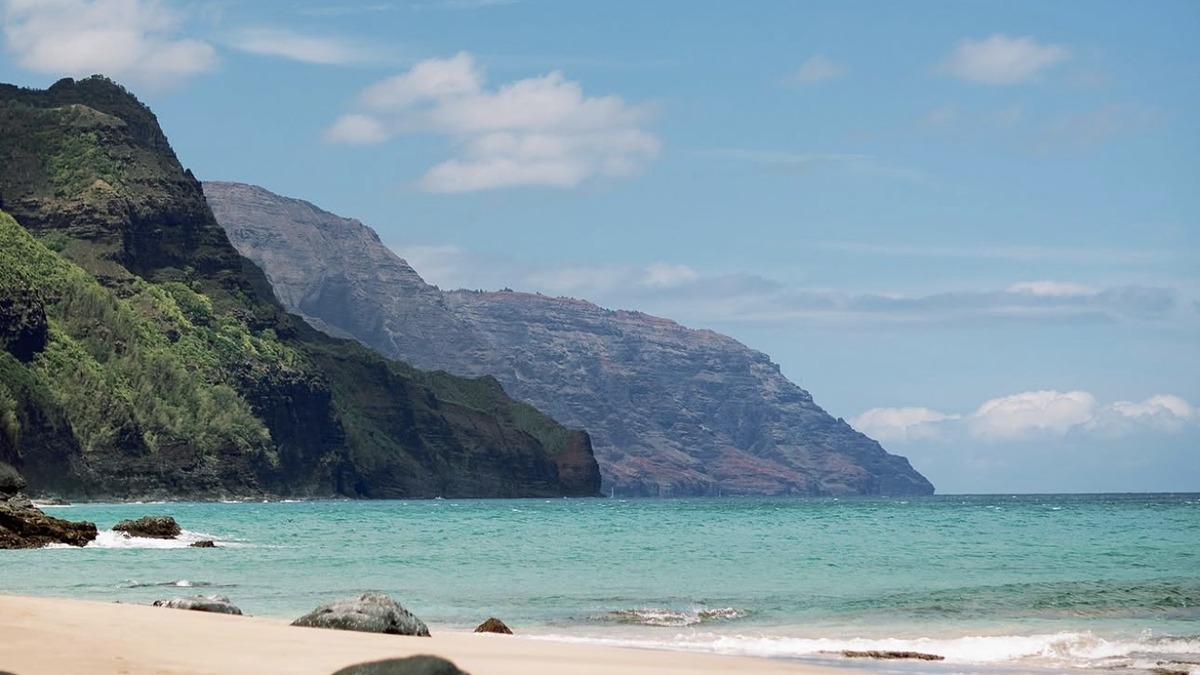
Drive west from Hanalei for 30 minutes and the highway runs out. Ke'e Beach sits at the end of it, a small reef-protected lagoon at the foot of the Na Pali cliffs, and the trailhead for the famous Kalalau Trail starts directly behind the sand. Stand here on a clear day and you can see why people have been writing songs about Kauai for a hundred years.
Access is now reservation-controlled. Ha'ena State Park, which contains Ke'e and the Kalalau trailhead, requires advance bookings for both parking and shuttle entry. The system was put in place to keep the road from collapsing under the weight of visitors and is now permanent. Reservations open online and book up days in advance during peak season. Hawaii residents get free entry but should still reserve parking.
The swimming is gentle in summer when the reef does its job and the water inside the lagoon stays calm. In winter, Ke'e is closed for swimming for months at a time. The currents that funnel along the cliff base are not survivable. Visit Ke'e for the view in winter, and for the swim only when the lifeguards say so.
Tunnels Beach (Makua): Snorkel Country, Summer Only
A few minutes back east from Ke'e is Tunnels Beach, called Makua by locals, and it is the best snorkeling beach on the island when conditions are right. A horseshoe-shaped reef sits offshore in 10 to 30 feet of water, full of caves and lava tubes that the beach is named after, and the marine life is dense: green sea turtles routinely, monk seals occasionally, reef fish in numbers that make you forget where you are.
The catch is that Tunnels is summer-only for swimming, like the rest of the North Shore, and even within summer the conditions need to be calm for the snorkeling to be worth the effort. Currents along the outer reef are strong enough to push intermediate swimmers out, and the beach has no lifeguard stand of its own (the closest is at Ha'ena Beach Park next door).
Parking is the other constraint. The two small public lots fill before mid-morning, and roadside parking is heavily restricted. Most visitors park at Ha'ena Beach Park and walk five to ten minutes back to Tunnels along the sand. Our Tunnels Beach review goes into the conditions, currents, and reef navigation in more detail if you are planning a serious snorkel day.
Anini Beach: The North Shore's Quiet Family Pick
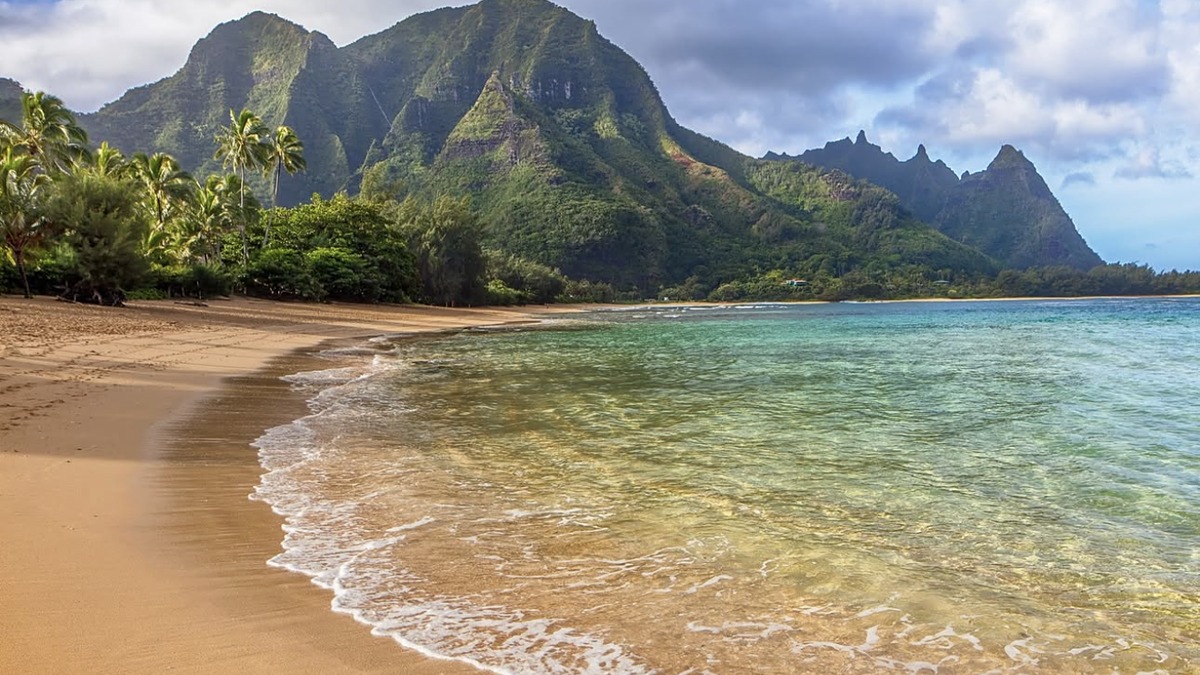
Halfway between Hanalei and Princeville, Anini Beach is what people who have lived on Kauai for decades quietly recommend. A two-mile reef sits offshore at a uniform distance, breaking nearly all the swell, and the result is a long, calm shallow lagoon that is more swimming pool than ocean on most days. The water is clear, the bottom is sandy, the snorkeling is good, and almost no tour buses come here.
Anini works for kids in a way most North Shore beaches do not. The reef is far enough out that the inner water stays gentle even when the rest of the coast is roaring, and the sandy bottom slopes gradually rather than dropping into reef. The beach park has restrooms, picnic tables, and a campground (reservation only) but no lifeguard. Bring your own shade, since the ironwood trees are scattered and the sun is direct from late morning.
The trade-off is that Anini does eventually go off in winter when swells are big enough to overtop the reef, and brown water advisories from the nearby river mouth can affect it for days after rain. Check the conditions before driving out.
Poipu Beach: The Year-Round South Shore Anchor
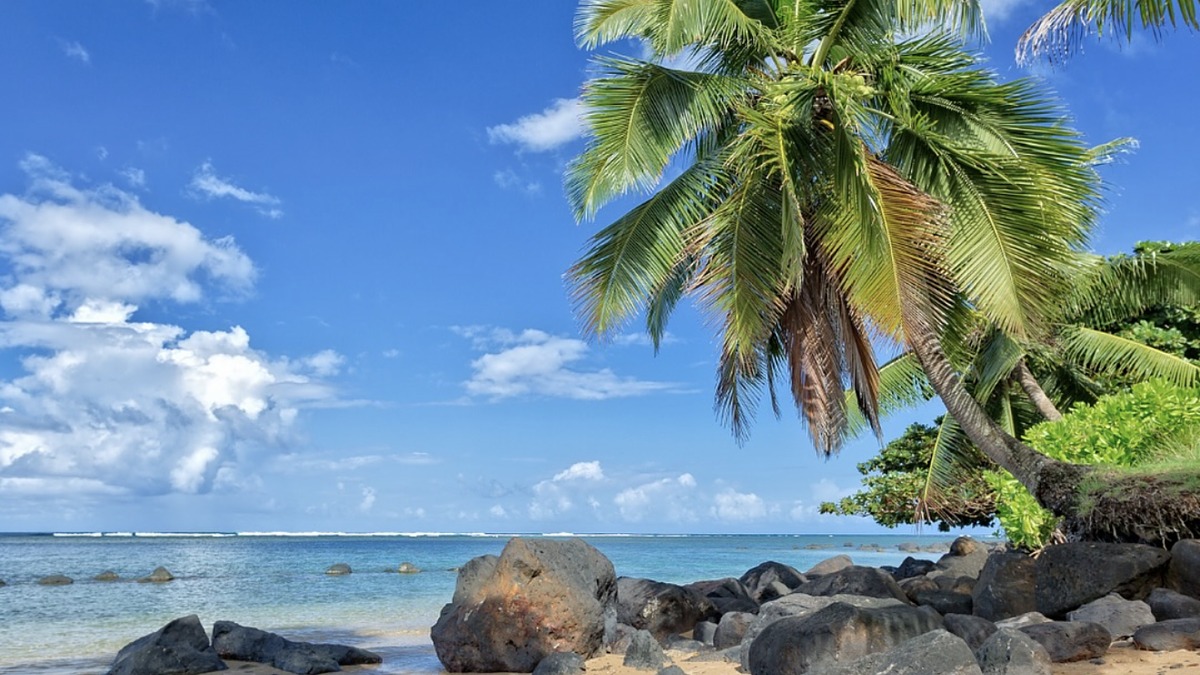
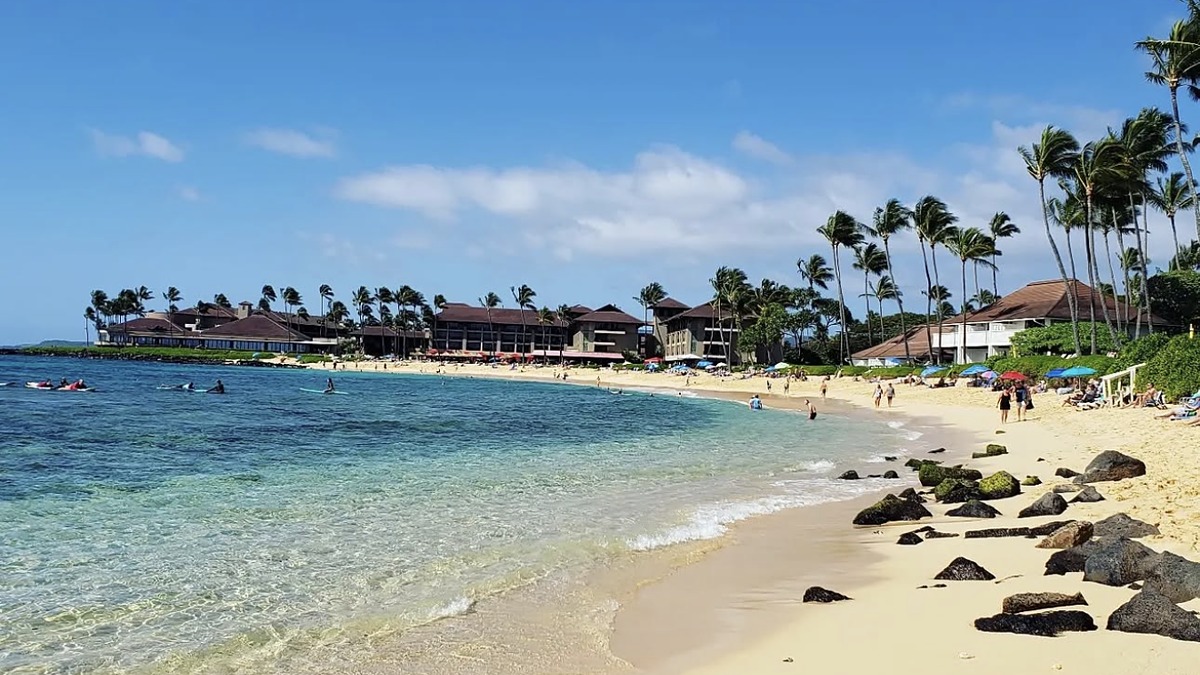
If you are visiting Kauai in winter and want a single reliable beach, Poipu is it. The south shore is the dry side of the island, gets the least rain, and is sheltered from the Pacific swells that hammer the north. Poipu Beach is calm, family-friendly, and has the rare distinction of being readable as "Hawaii holiday postcard" while also being practical year-round.
The beach has an unusual layout. A natural sand tombolo extends out into the water and divides the swimming area into two distinct beaches: a calmer protected pocket on the east side (where small kids and snorkelers congregate) and a more open beach on the west side (where people boogie-board the gentle shore break). Hawaiian green sea turtles haul out on the sand here regularly, and the area is one of the most reliable monk seal sighting spots on the island. Stay 50 feet back if you see one. They are protected and the rangers enforce it.
Poipu has a full park behind it with grass, restrooms, showers, and lifeguards on duty most days. Snorkeling is decent on the east side. Surfing lessons run on the west side. The town behind has restaurants, shave ice, and beach gear rentals if you forgot anything.
Maha'ulepu Beach: The Wild South Coast
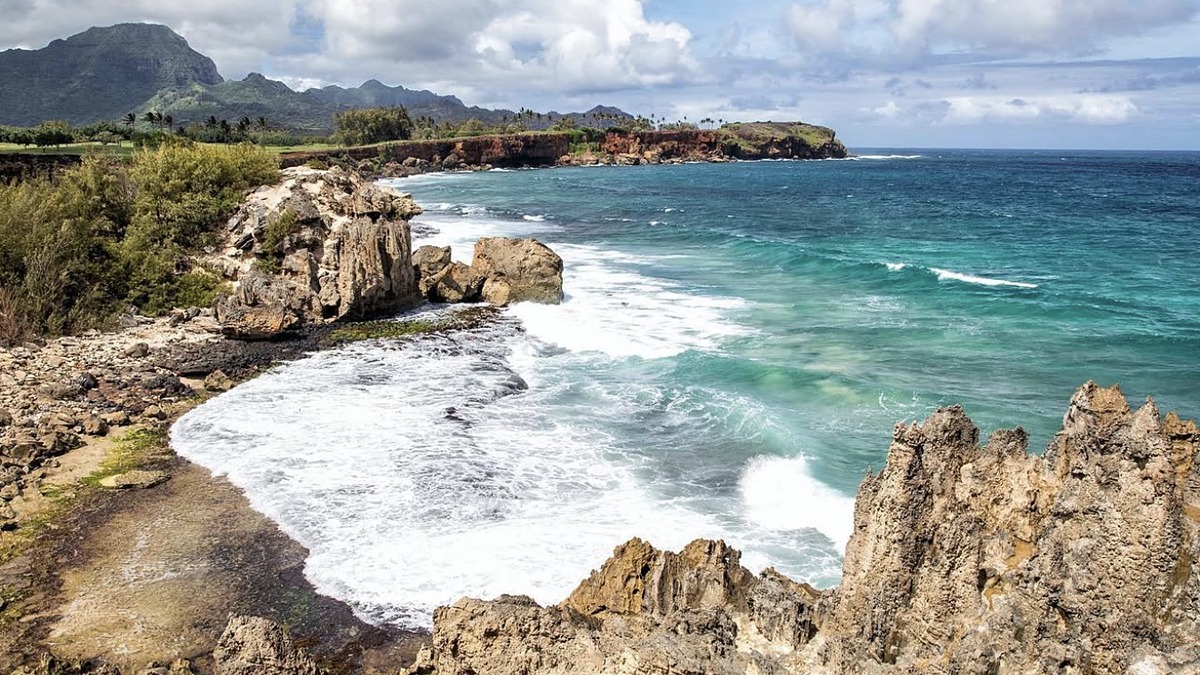
Three miles east of Poipu, the road turns to dirt and Maha'ulepu Beach (also called Shipwreck Beach where it begins, near the Grand Hyatt) opens into one of the few stretches of undeveloped coast on the south shore. Red-orange cliffs at the east end, a long beach that you can walk for an hour without meeting anyone, and a hiking trail along the bluff that connects back to Poipu through old sugar fields.
This is not a swimming-first beach. The shore break can stand up sharply, the bottom drops fast, and there is no lifeguard. People come here for the walk, the photographs, and the sense that part of Kauai has not been polished. Boogie-boarding the wave at Shipwreck end is something local surfers do; it is not a beginner spot.
Access requires either parking at the Grand Hyatt and walking the public-access path (which they do legally permit, despite the resort's appearance) or driving the dirt road further east. The dirt road is rough but generally passable in dry conditions.
Lydgate Beach Park: The Safest Swim on the Island
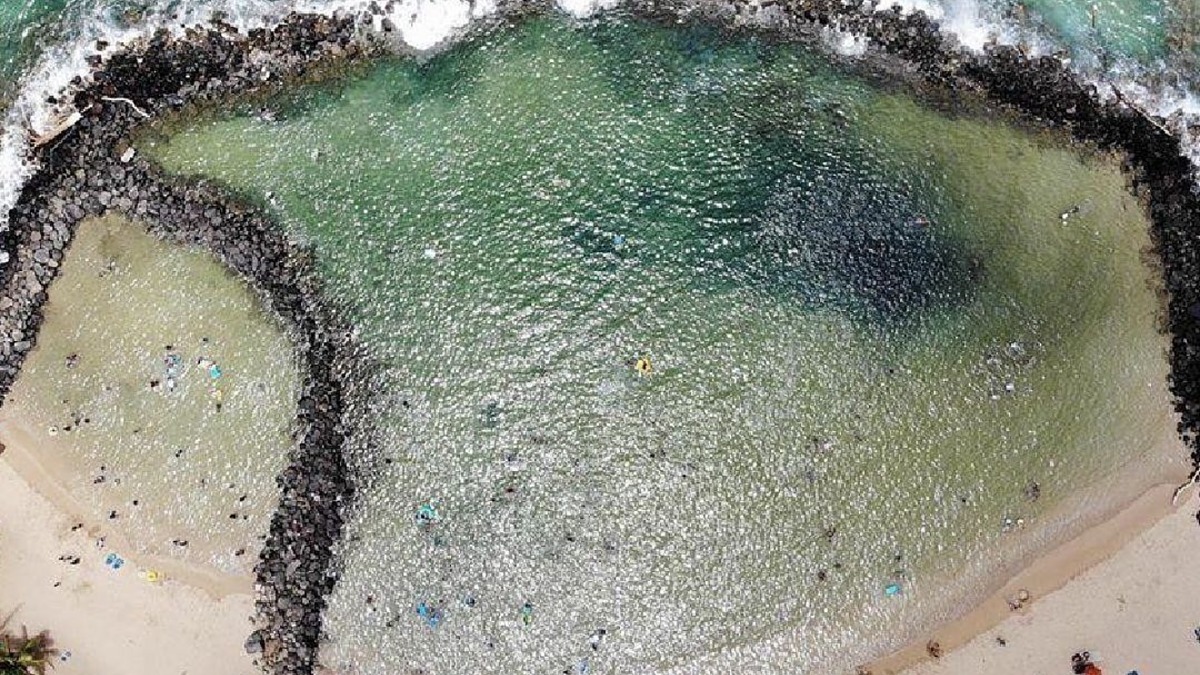
If you have small kids on Kauai, Lydgate Beach Park on the east shore is the answer. Two large boulder-walled lagoons block almost all the surf, creating two pools of calm shallow water with sandy bottoms, lifeguards on duty year-round, a giant playground next to the sand, full restrooms, showers, picnic shelters, and easy parking. It is the only beach on the island where you do not need to check a swell forecast before deciding whether to swim.
The lagoons fill with reef fish through gaps in the rocks, and the smaller pool stays nearly bath-warm and barely waist-deep, which makes it usable for toddlers. The bigger pool has more space and slightly more current movement. Outside the lagoons, the open beach is wide and walkable but more exposed and not where you would put a five-year-old.
Lydgate is on the east side, which is the wettest shore after the north, so brown water advisories can affect it after big rain events. Check the advisory list before going. On a normal Kauai day, this is the most stress-free beach in the state.
Polihale Beach: The 17-Mile West Coast
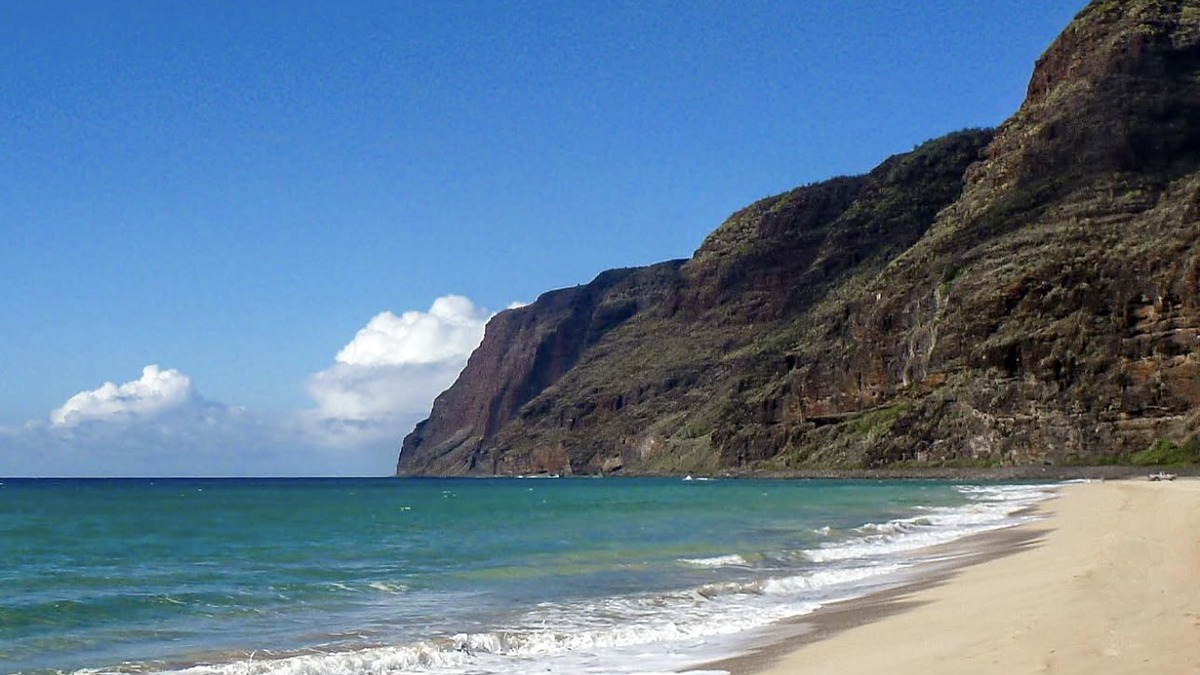
At the opposite end of the island from Ke'e, Polihale State Park is the other place the road runs out. Drive west until the highway ends, then turn off onto the unmarked dirt road through old sugar-cane fields. Five miles of potholes and washouts later, you are at the bottom of the Na Pali cliffs, looking at a beach that runs 17 miles south toward Mana, with nobody on it.
Polihale is what beaches looked like before they were beaches. The sand is wide enough to land a small plane on. The surf is huge and unswimmable nearly always. Sunset here, with the cliffs catching the last light, is one of the things you remember from a Kauai trip for years.
The realities: the road is brutal on a regular rental car, and most rental companies prohibit it in their contracts. A 4WD or high-clearance SUV is the practical minimum, and the road becomes impassable after rain. Bring water, food, and shade because there are no facilities to speak of, and cell service is patchy. Do not get in the water; the rip currents and shore break are lethal. Come for the view, the walk, and the photographs.
How to Read Kauai Conditions Before You Drive
Three rules will save your trip on this island.
Brown water advisories are common. Kauai is the wettest of the main Hawaiian islands. After any heavy rain, runoff from streams and rivers pumps bacteria, leptospirosis risk, debris, and silt into the ocean. The Hawaii Department of Health issues brown water advisories that often cover the entire island. Skip the swim for 48 to 72 hours even when the surface looks fine.
The North Shore closes in winter. From November to March, the entire north coast (Hanalei, Tunnels, Ke'e, Anini) is unsafe for swimming on most days. Plan your winter trip around the south shore (Poipu, Maha'ulepu) and east side (Lydgate). Save Hanalei for sunset photographs in winter, not for swimming.
Some beaches are reservation-only now. Ha'ena State Park (Ke'e and the Kalalau trailhead) requires advance booking for both parking and entry. Slots fill days in advance during peak season. Book before you fly if Ke'e is on your list.
The single best Kauai beach day is one where you have already checked the marine forecast, the brown water advisory list, and the reservation system. The island rewards the planners.
Single-Beach Reviews We've Published
We've also published in-depth single-beach reviews for the rest of the island, scored the same way as every other beach on this site:
- Anahola Beach Park, Kauai's east-shore locals' pick
- Kalihiwai Beach on Kauai's north shore
- Ke'e Beach at the end of Kauai's north-shore road
- Moloa'a Beach, the Gilligan's Island bay on Kauai
- Pu'u Poa Beach below Princeville on Kauai
- Salt Pond Beach on Kauai's southwest coast
- Shipwreck Beach on Kauai's south shore
- Waimea Beach where Captain Cook landed