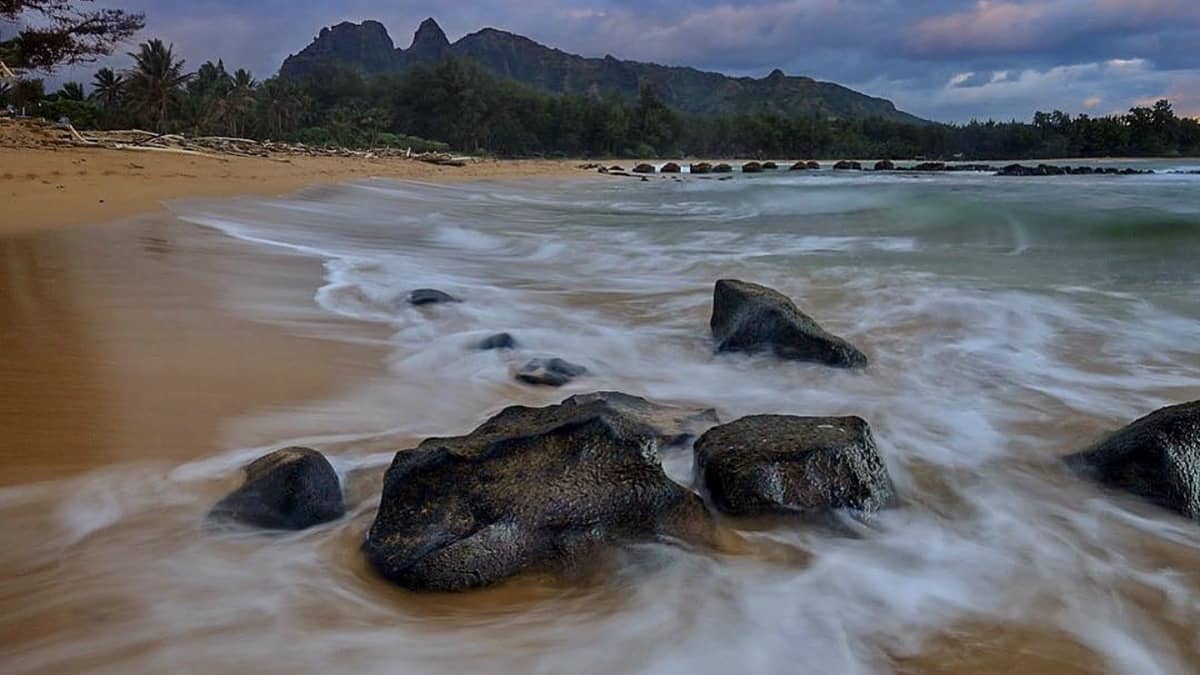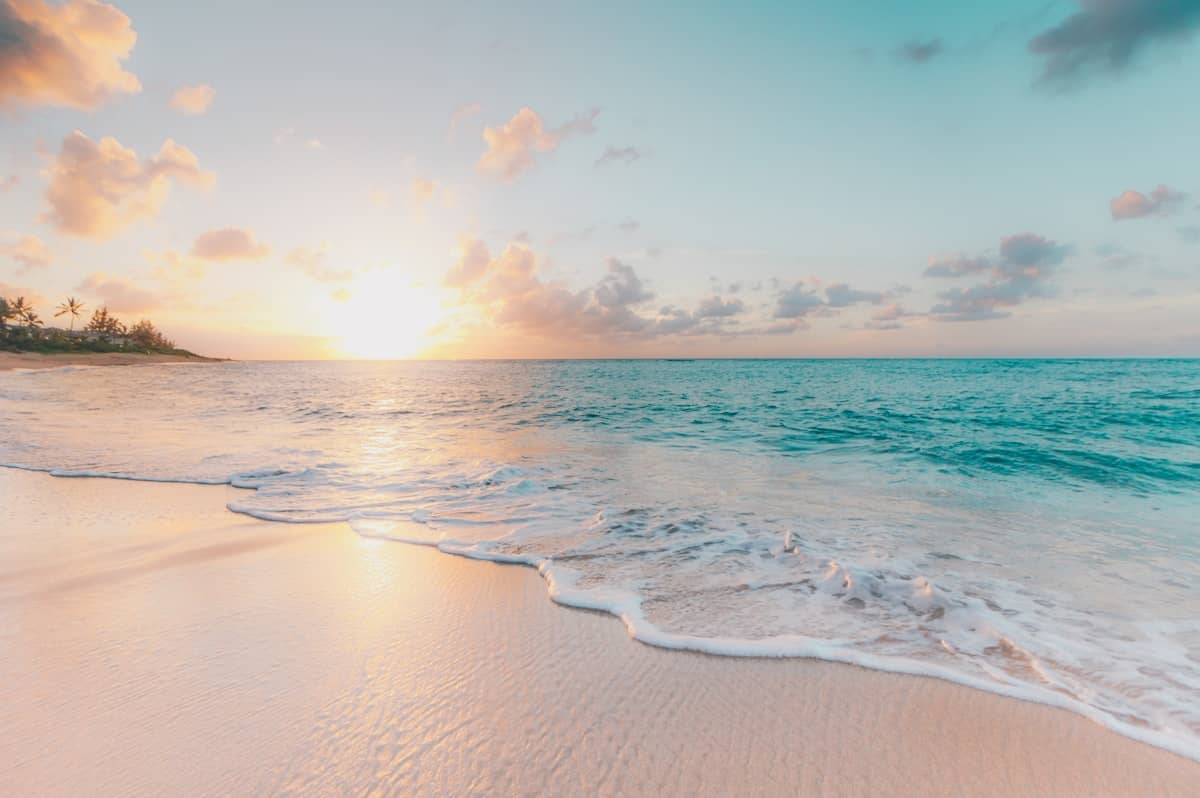
Most travel articles route Big Island visitors past Honokohau Beach without mentioning it. The beach sits inside a national park, requires a 10-minute walk from the harbor parking area, and shares the coast with two of the most sophisticated pre-contact Hawaiian fishponds in the Pacific. The trade-off is that almost every Kona beach you can drive directly to gets the crowds, while Honokohau gets a steady drift of sea turtles hauling out to rest on the sand and a quieter visit from people willing to read the National Park Service map.
This is what Big Island beaches looked like before the resorts arrived.
What Kaloko-Honokohau National Park Is
Honokohau Beach is part of Kaloko-Honokohau National Historical Park, a 1,160-acre federally-protected park managed by the U.S. National Park Service. The park preserves ancient Hawaiian settlement sites: more than 200 documented archaeological features including two engineered fishponds (Aimakapa and Kaloko), heiau (temples), petroglyphs, traditional house platforms, and the lava-rock landscape that supported the community for centuries.
The park is free to enter. The visitor center off Kaloko Road has restrooms, water, and basic interpretive displays. Park rangers run occasional guided walks; check the schedule on the National Park Service website.
The beach is one of several access points within the park boundaries, and visiting it should be paired with a walk to one or both fishponds, both of which are short walks from the beach.
How to Reach the Beach
Two ways in.
From Honokohau Harbor (the easier and more common route). Park at the small boat harbor signed off Highway 19, around 10 minutes north of Kailua-Kona. Walk 10 minutes north along the coastal trail across lava rock to the beach. The trail is uneven; sturdy shoes are essential. This route is the easiest physically but the walk surface is rough.
From the Park Visitor Center (via Kaloko Road). Drive into the park, park at the visitor center, and walk south through the lava landscape to the beach. The gate is open 8am-5pm; do not get locked in after hours. This route involves more walking but lets you see the fishponds on the way.
Both routes are free. The harbor route is the standard.
The Sea Turtle Haul-Out
Honokohau Beach is one of the most reliable sea turtle haul-out sites on the Big Island. Hawaiian green sea turtles (honu in Hawaiian) regularly come ashore to rest on the sand, often in groups of 5-15 individuals. They lie still for hours at a time, sometimes overnight, sometimes through the heat of midday.
The rules are firm. Federal regulations require visitors to stay at least 10 feet back from any turtle on the beach. Do not touch them, do not feed them, do not attempt to photograph closely with flash. Park rangers occasionally set up rope barriers when turtles are present. Penalties for harassment can be significant.
The good news is that turtles do not seem bothered by quiet, respectful observation from the proper distance. A morning visit (8-10am) is the most reliable window for turtle sightings.
The Two Fishponds
Aimakapa and Kaloko are coastal fishponds engineered by Native Hawaiians around 600 years ago, and they are some of the most sophisticated examples of pre-contact Pacific island engineering. Each pond uses a network of rock walls, sluice gates (makaha), and freshwater springs that mix with ocean water to create a controlled brackish environment for raising fish.
The system worked. Fishponds like these supported large coastal communities, with each ahupua'a (land division) managing its own pond and the fish stocks regenerating from year to year. The Park Service has been restoring Aimakapa and Kaloko in partnership with cultural practitioners; the engineering is being studied as a model for sustainable coastal aquaculture.
Both ponds are visible from the trails. Walking to them adds 30-60 minutes to a beach visit and is the part of the park most visitors should not skip.
What the Beach Itself Delivers
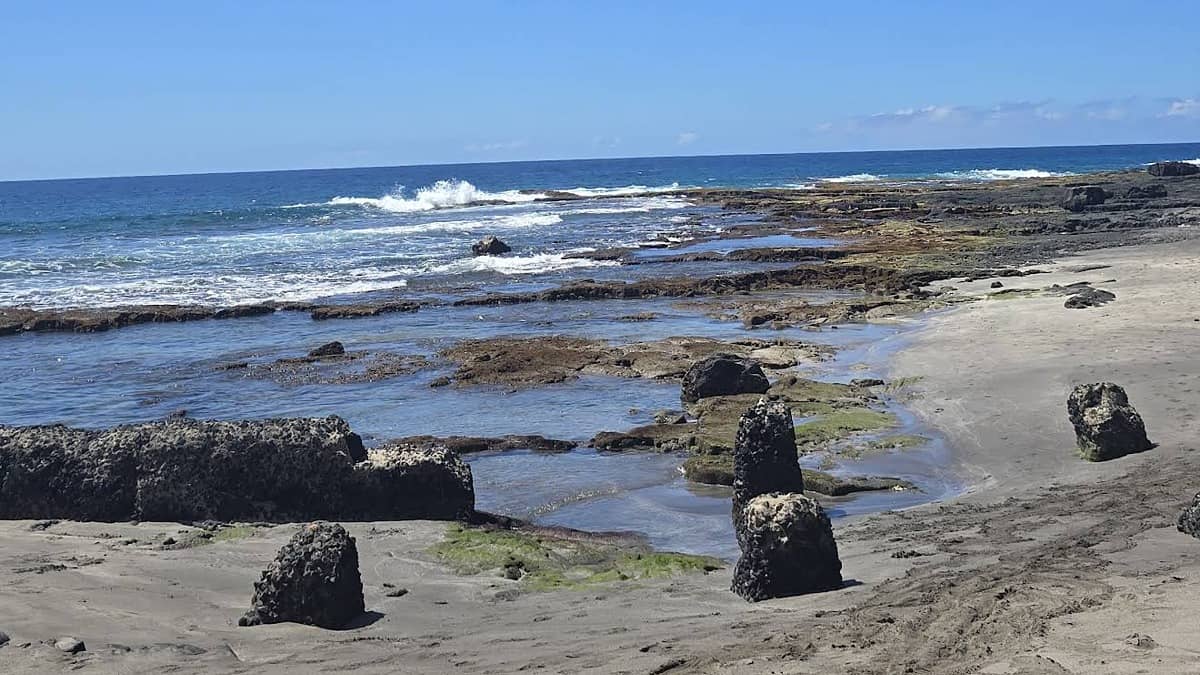
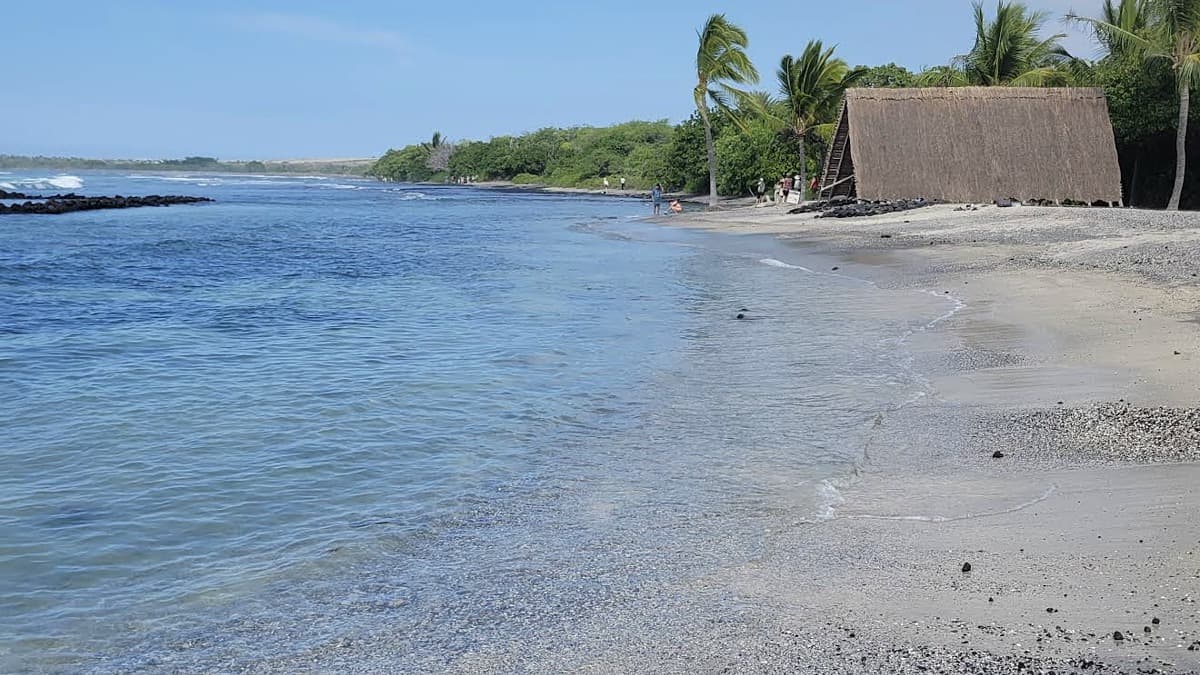
The beach is a strip of sand and small pebbles, around 200 metres long, with rocky reef at both ends and the lava landscape behind. The water is generally calm in summer with a sandy bottom in the centre and the snorkel terrain at the rocky points.
Visibility is decent on calm mornings. Reef fish work the rocks; sea turtles cycle through the bay several times an hour during daylight. The beach is part of a continuous coastal system within the park, so walking the shoreline reveals tide pools, additional turtle haul-out zones, and views of the fishponds.
No lifeguard. No food vendors. No shade once you arrive. Bring water, snacks, sun protection, and sturdy shoes.
What's Around the Park
The park is large enough to fill a half-day visit. A reasonable plan:
- Park at the harbor at 8-9am
- Walk to Honokohau Beach (10 min each way)
- Watch for turtles on the sand and snorkel the south end
- Walk to Aimakapa Pond via the coastal trail (15-20 min)
- Continue to Kaloko Pond if time allows
- Return to harbor via the visitor center for restrooms and water
The harbor itself has a small commercial area with boat tour operators (whale watching in winter, manta ray night dives, and snorkel charters), several restaurants, and fuel for vehicles. Combining a morning beach visit with an afternoon boat trip works well.
When to Visit
Year-round, with mornings best for light and turtle sightings. May through September is calmest for swimming. December through March adds humpback whales offshore; the harbor whale tours leave from here. The hottest part of the day (11am-2pm) is uncomfortable on the lava rock because there is no shade; plan to be on the trail or at the beach in the cooler hours and back near facilities by midday.
Should You Visit?
Yes, especially if you have a half-day in Kona and want a Big Island experience that is genuinely cultural rather than resort-style. Honokohau Beach is one of the few Big Island beaches where you can read 600-year-old pre-contact engineering, watch protected sea turtles resting on the sand, and snorkel decent reef in one visit. The 10-minute walk filters out casual day-trippers.
For wider Big Island context, our Kohanaiki Beach Park review covers the local surf beach 10 minutes south, our Kua Bay Beach review covers the white-sand state park beach to the north, and our Ho'okena Beach Park review covers the south-coast Hawaiian fishing village option.