The best beaches in the UK are Porthcurno and Kynance Cove in Cornwall, Woolacombe in Devon, Bamburgh in Northumberland, Barafundle and Rhossili in Wales, Luskentyre on Harris and Benone Strand in Northern Ireland. They lead on sand, water quality and setting. For a sandy day out from London, West Wittering and Camber Sands are the south-east's strongest picks.
Every Blue Flag below comes from the 2026 lists published by Keep Britain Tidy, Keep Wales Tidy and Causeway Coast and Glens Council. Water ratings for England are the Environment Agency's 2025 bathing water classifications, the latest published. Parking prices, dog rules and lifeguard dates were checked November 2026.
UK beaches compared
| Beach | Region | Best for | Sand | Access and facilities |
|---|---|---|---|---|
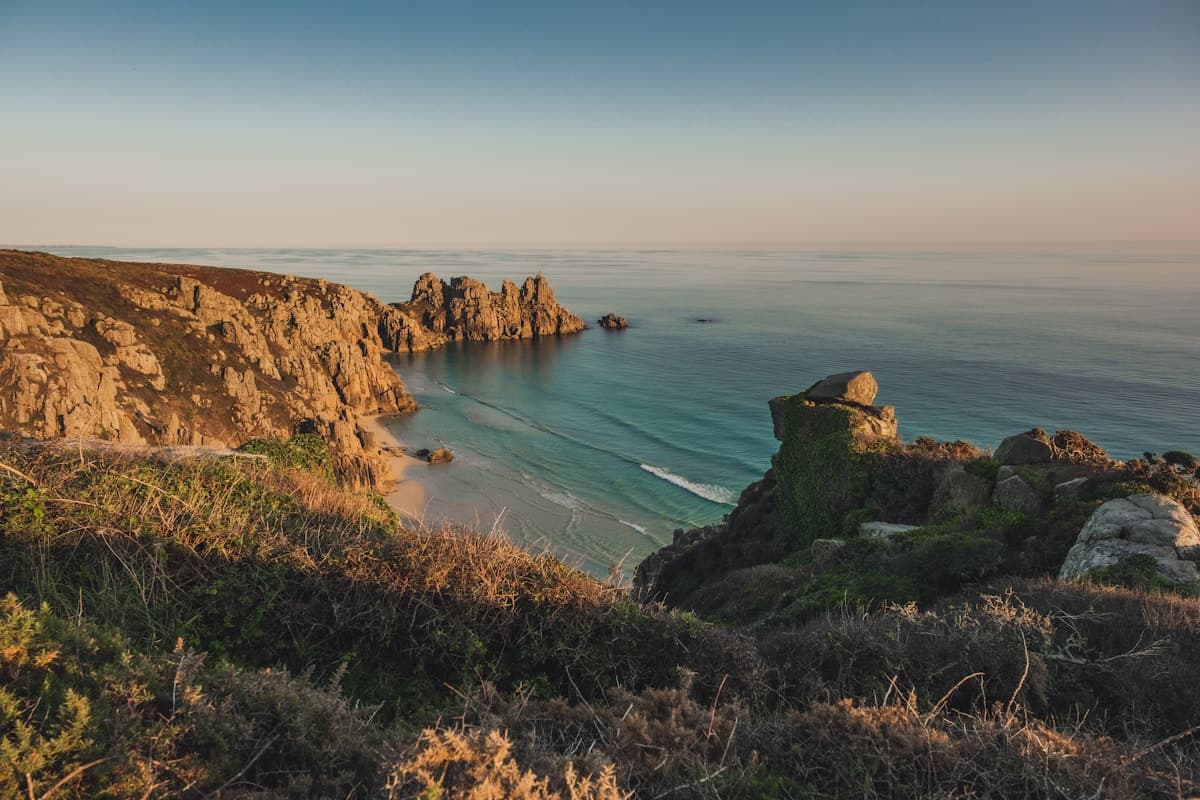
| Porthcurno | Cornwall | Swimming in a granite cove | White shell sand | PK Porthcurno pay car parks, steep path, RNLI in summer |
| Kynance Cove | Cornwall | Rock stacks and caves at low tide | Sand, mostly covered at high tide | National Trust car park, £10 over 4 hours, steep walk |
| Woolacombe | Devon | Families and beginner surfers | Three miles of sand backed by dunes | Large car parks, RNLI daily May to September |
| Durdle Door | Dorset | The limestone arch | Fine shingle | £15 for up to 6 hours, steep path, nothing on the beach |
| Sandbanks | Dorset | A Blue Flag town beach | Soft sand | Seafront cafes and toilets, Blue Flag |
| West Wittering | West Sussex | A flat sandy family day | Wide flat sand | Pre-bookable parking, Blue Flag |
| Camber Sands | East Sussex | Dunes near London | Sand and dunes | Rye station plus bus 102, lifeguards in summer |
| Botany Bay | Kent | Chalk stacks | Sand below chalk cliffs | Steps from the clifftop, 85 minutes by train to Broadstairs |
| Holkham | Norfolk | Long walks and space | Firm sand flats | £14 all day, 10-minute walk through pines |
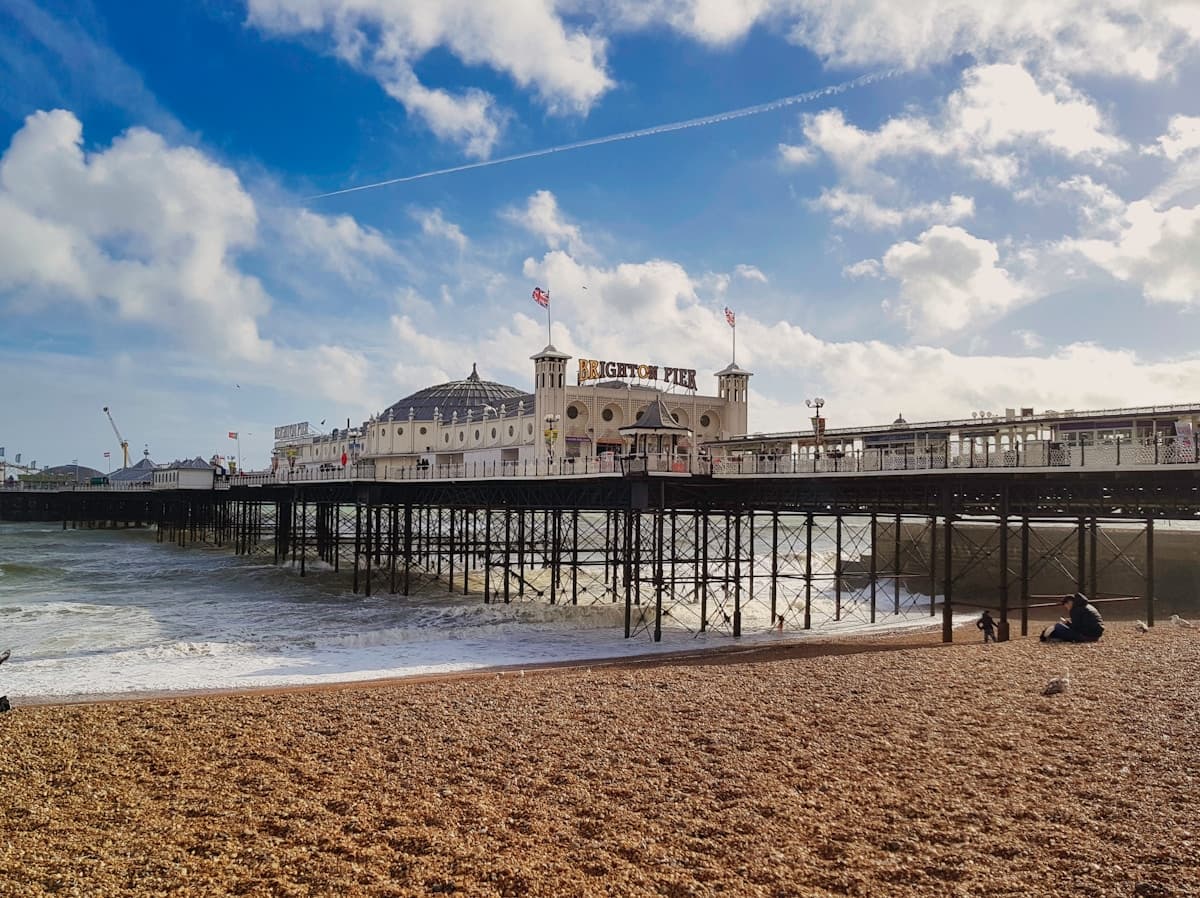
| Southwold | Suffolk | Pier and beach huts | Sand and shingle | Town facilities, Blue Flag |
| Bamburgh | Northumberland | A castle on the skyline | Wide sand and dunes | Village facilities, Excellent water |
| Rhossili Bay | Gower, Wales | Scale and surf | Long sand bay | National Trust car park, £8 over 2 hours |
| Barafundle Bay | Pembrokeshire | A sheltered cove | Sand backed by dunes and pines | Half-mile walk, no facilities |
| Harlech | Gwynedd | Empty space | Four miles of sand and dunes | Cambrian Coast railway, no lifeguards |
| Luskentyre | Isle of Harris | White sand and tidal flats | White shell sand | Ferry plus single-track road, few facilities |
| Benone Strand | Co Londonderry | A seven-mile Blue Flag strand | Sand | Free parking, RNLI in July and August |
Best beaches in England, region by region
England has 61 of the UK's Blue Flag beaches in 2026, 24 of them in the South West and most of the rest along Kent, Sussex and the East Anglian coast. The regions below run clockwise from Cornwall. From the Midlands, our nearest beach to Birmingham guide covers the shortest drives.
South West England: Cornwall, Devon and the Bristol Channel

Porthcurno is the best all-round beach in England. White shell sand runs down to clear water below granite cliffs near Land's End, with the Minack Theatre cut into the rock above. The water rated Excellent in 2025, and the RNLI lifeguarded it daily from 16 May to 27 September 2026, 10am to 6pm. Parking is in the two PK Porthcurno pay car parks in the valley behind the beach, and the lanes in are narrow, so in August arrive before 9am. Dogs are banned 10am to 6pm from 1 July to 31 August under Cornwall Council's beach rules.
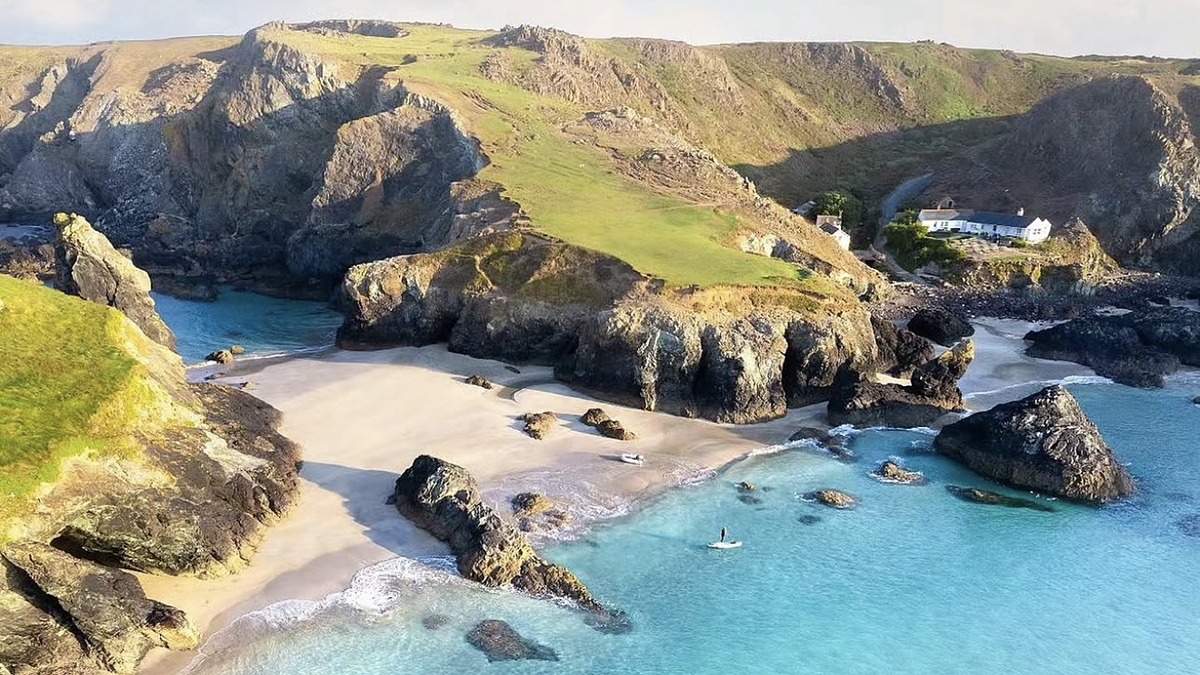
Kynance Cove on the Lizard is serpentine rock stacks, caves and white sand, and at high tide most of that sand disappears. Time your visit for a falling tide. The National Trust car park charges non-members £2 for an hour, £5 for up to four and £10 beyond that, and the path down is steep on the way back. The council's 10am to 6pm July and August dog ban applies, and the National Trust lists the beach as open to dogs from September to June.
Fistral in Newquay is England's best-known surf beach: wide, exposed and backed by surf schools. Both halves of the beach rated Excellent in 2025, and the RNLI patrol season there ran from 3 April to 1 November in 2026, one of the longest in the county. A few miles west, Hayle Towans begins a three-mile run of sand and dunes around St Ives Bay to Godrevy, with Excellent water at both Hayle and Gwithian; our Hayle Beach review explains which section to pick and where to park. For all 16 of our Cornish picks, see the best beaches in Cornwall guide.
Woolacombe in north Devon is the most dependable big sandy beach in England for a family week. It has three miles of sand backed by dunes and Excellent water, and in 2026 the RNLI lifeguarded it daily from 2 May to 27 September, plus Easter, weekends in October and the October half-term. The main car parks fill by late morning in school holidays; walk south towards Putsborough and the crowd thins. Croyde, round the headland, has punchier surf, a smaller beach and a 2026 Blue Flag.

On Devon's south coast, Blackpool Sands near Dartmouth is a sheltered, privately run cove of fine shingle with a 2026 Blue Flag and Excellent water. It suits swimmers more than sandcastle builders. Up the Bristol Channel, Portishead Beach is a pebble shore 20 minutes from Bristol with an open-air pool behind it, a local swim rather than a destination.
South and South East England: Dorset to Kent
The south coast is where England's beach days are easiest to reach by train, and where the car parks are most expensive. Our beaches near London guide lists the quickest day trips.
Durdle Door on Dorset's Jurassic Coast is the limestone arch from the geography textbooks. The beach below is fine shingle, reached by a steep path from the clifftop, and there is nothing to buy once you are down. The Lulworth Estate charges £15 for up to six hours at the Durdle Door car park and £25 for up to nine. Lulworth Cove, a short cliff walk east, is the sheltered round bay for a swim on a calm day, with parking from £9 for up to three hours. Both bathing waters rated Excellent in 2025, but Durdle Door has no lifeguards, and in April 2023 HM Coastguard rescued four swimmers pushed onto rocks there by the tide, so swim only on calm days and stay within your depth.

Sandbanks Beach in Poole is the best soft-sand town beach on the south coast, and in May 2026 it kept its Blue Flag for the 39th consecutive year, Greatest Hits Radio reported. Bournemouth's promenade beaches start just east: Durley Chine and Fisherman's Walk hold Blue Flags, while Bournemouth Pier has a Seaside Award, and all three rated Excellent.
West Wittering in West Sussex is the best sandy beach in south-east England for a family day. The sand is wide and flat, the water rated Excellent and the beach holds a 2026 Blue Flag. Parking is run by the estate, and pre-booking online closes at 11pm the night before; on a hot weekend the single road in from Chichester is the real queue. Further east, Aldwick Beach near Bognor Regis is a quiet pebble shore for dog walks, but its bathing water (listed as Bognor Regis (Aldwick)) was rated Poor in 2025, so walk it rather than swim.
Camber Sands in East Sussex is the south-east's dune beach, enormous at low tide, and the tide comes back fast across the flats. Rother District Council puts lifeguards on Camber Central daily in summer, 10am to 6pm, and bans dogs from zoned areas between 1 May and 30 September. Without a car, take the train to Rye and Stagecoach bus 102. The water rated Good in 2025, a grade below Excellent, and the beach holds a Seaside Award rather than a Blue Flag.

Botany Bay in Kent is a small sandy bay pinned between chalk cliffs and stacks, best at low tide when the full beach shows. It holds a 2026 Blue Flag and rated Excellent. Southeastern's high-speed trains from St Pancras reach Broadstairs in about 85 minutes and Margate in about 90, according to Visit Thanet. Margate Beach, the broad Main Sands in front of Turner Contemporary, is the easiest car-free beach day from London and holds a Seaside Award.
East England: Norfolk and Suffolk

Holkham in north Norfolk is a beach measured in walking time. From the top of Lady Anne's Drive it is about 10 minutes through pinewoods to the sand, then up to 30 minutes more to reach the water at low tide, according to the Holkham Estate. All-day parking is £14. Dogs are welcome all year, on leads in the roped bird areas from 1 April to 31 August. The estate warns of strong tidal currents and places its lifeguards next door at Wells-next-the-Sea, early July to early September, so swim there.
Southwold in Suffolk pairs a sand-and-shingle beach with a pier, rows of painted beach huts and the Adnams brewery in town. East Suffolk Council flies both a Blue Flag and a Seaside Award there in 2026, and the water rated Excellent. It is busy with London day trippers on summer weekends but rarely packed.
North England: Yorkshire, Northumberland and Merseyside

Bamburgh is the best beach in northern England: a wide sweep of sand and dunes below Bamburgh Castle, with the Farne Islands offshore and Excellent-rated water. On a weekday outside school holidays you can walk a long way without company. The North Sea is cold here even in August, so swims are short.
Robin Hood's Bay in North Yorkshire is a rocky beach below a steep village of stone cottages, better for rock pools and fossils than for a towel and a swim; its water rated Sufficient in 2025. Park at the top and walk down. Further up the coast, Whitby holds a 2026 Blue Flag, and Kettleness Beach is a remote fossil shore under shale cliffs, reached by a steep scramble and only safe on a falling tide. Whitby's pebbly stretches and Seaham further north lead our best sea glass beaches in the UK.
On the north-west coast, Southport Beach is famous for how far the sea retreats at low tide; read the review before you plan a swim there.
Best beaches in Wales

Wales matches Cornwall's coastline with smaller crowds. Rhossili Bay on the Gower is a long sweep of sand below Rhossili Down, with Worm's Head tidal island at the south end. The surf is good, the walk down from the village is steep, and the National Trust car park charges non-members £4 for up to two hours and £8 beyond.
Barafundle Bay in Pembrokeshire has no road. You park at Stackpole Quay and walk about half a mile over the cliff (the National Trust notes steps at both ends) to a sheltered arc of sand backed by dunes and pines. There are no facilities on the beach, so carry in what you need. Whitesands near St Davids and Tenby South are the easier family alternatives, both with 2026 Blue Flags; the full list is in our Blue Flag beaches in Wales guide.
In the north, Harlech Beach gives you four miles of sand and dunes under a UNESCO-listed castle, mostly empty even in August, with no lifeguards. Harlech has a station on the Cambrian Coast line. On the Dee estuary, Talacre Beach is a wide, windy sand beach with the Point of Ayr lighthouse standing on it. Our best beaches in Wales guide ranks 11 Welsh beaches in full.
Best beaches in Scotland
Scotland has the UK's whitest sand and its coldest water. Luskentyre on the Isle of Harris is white shell sand and tidal flats that turn every shade of blue in sunshine, below the Harris hills. Getting there is the filter: the CalMac ferry from Uig on Skye to Tarbert takes 1 hour 40 minutes with one or two sailings a day, then a single-track road. Facilities are minimal and there are no lifeguards.

Achmelvich, a small white-sand cove near Lochinver on the North Coast 500, has sheltered, shallow water that suits families better than most of the Highland coast. Camusdarach Beach near Morar is the Local Hero beach, a short dune walk from a small car park where Highland Council approved parking charges in May 2026. The tariff in the council's committee paper gives every driver a free ticket for up to an hour, then £3 for up to three hours and £5 for up to 12, with no overnight parking from 10pm to 8am; check the machine on arrival. Checked November 2026. On the east coast, West Sands at St Andrews is the easy city beach. All ten Scottish picks are in our best beaches in Scotland guide.
Best beaches in Northern Ireland
The Causeway Coast holds most of Northern Ireland's best sand. Benone Strand in County Londonderry runs for seven miles, with free parking at the entrance, parking on the beach itself, RNLI lifeguards daily in July and August from 10am to 6pm, and a 2026 Blue Flag. Dog restrictions apply from 1 June to 15 September.
Portstewart Strand is two miles of sand backed by 6,000-year-old dunes, and you can drive onto the beach and park on it. The National Trust charges £8.50 per car for non-members, card only, and all cars must leave by the time posted at the entrance; the beach car park closes on some winter days, so check the calendar. Near Portrush, Whiterocks sits under white limestone cliffs and, with Portrush's East and West Strands, holds a 2026 Blue Flag.
When to go and how cold the sea is
September is the best month for UK beaches: the sea is a few weeks past its annual peak, which the Met Office puts in August, school holidays are over and car parks empty. July and August bring the most sunshine and the biggest crowds; our UK beaches in August guide covers that peak. Bank holiday weekends fill every popular car park, and many beaches charge more then.
Expect cold water, even in a warm year. During the marine heatwave of early July 2026, the Met Office put sea-surface temperatures around the English and Welsh coasts and in the English Channel at 15 to 19C, about 1.5 to 4C above normal. A short wetsuit turns a gasp into a swim. Where there are lifeguards, swim between the red and yellow flags; our beach flag colours guide explains the rest. If the forecast fails you, the best beach holidays in Europe are a short flight away.