Wales packs more coastline into a small country than you would expect, and most of it is good. It has 18 Blue Flag beaches for 2026, an 870-mile coast path stringing them together, and bays that regularly top UK and even world best-beach lists. The hard part is choosing. These are the 11 best beaches in Wales, grouped by region so you can plan a realistic trip rather than driving the length of the country, with a clear sense of which beach is for surf, which is for families, and which is just for standing and staring.
One rule up front: the best Welsh beaches are weather-and-tide beaches. Catch a clear day at low tide and they rival anywhere in Europe. Catch grey skies at high water and some of them barely exist. Time it right, and pick by what you actually want from the day.
The best beaches on the Gower
The Gower Peninsula, just west of Swansea, was the UK's first designated Area of Outstanding Natural Beauty, and its beaches are why. Three of the best sit within a few miles of each other.
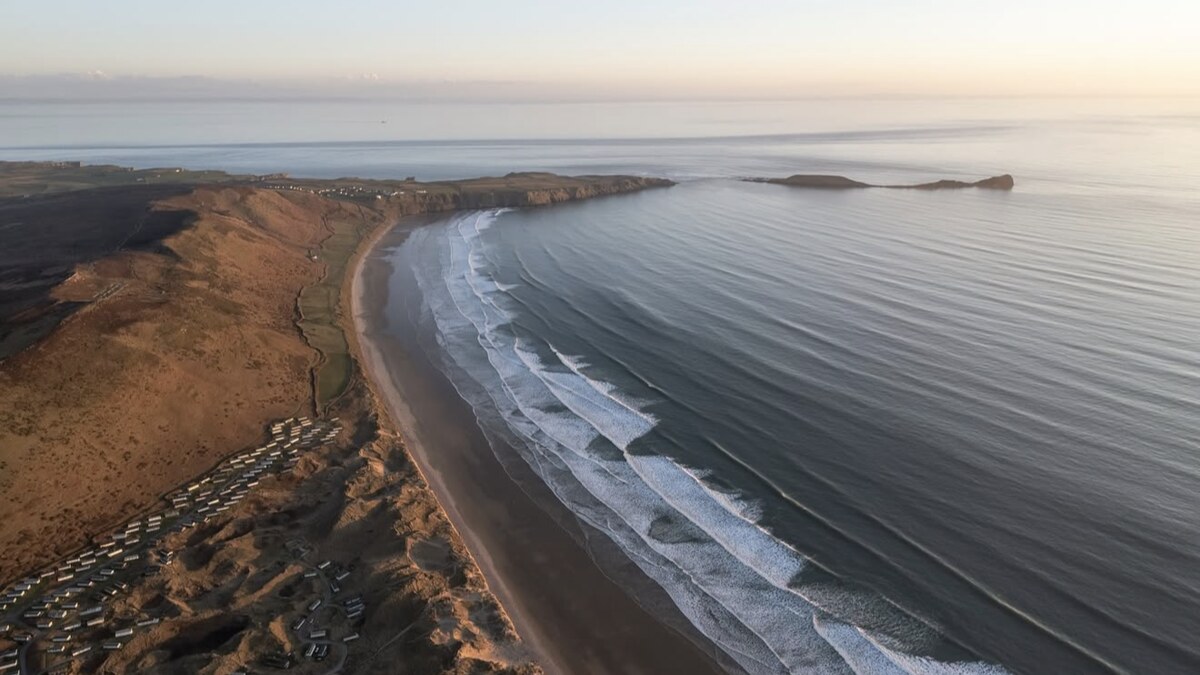
Rhossili Bay is the headline: three miles of sand at the Gower's western tip beneath a long whaleback down, with Worm's Head snaking out to sea at the southern end. The Independent has called it the supermodel of British beaches and The Times the UK's most dog-friendly, and on a clear day the scale is genuinely something. It is exposed and surf-prone, better for surfers and walkers than paddlers, and the ribs of the Helvetia shipwreck surface in the sand at low tide. The main car park sits up by the village with a steep walk down, and it fills early on summer weekends.
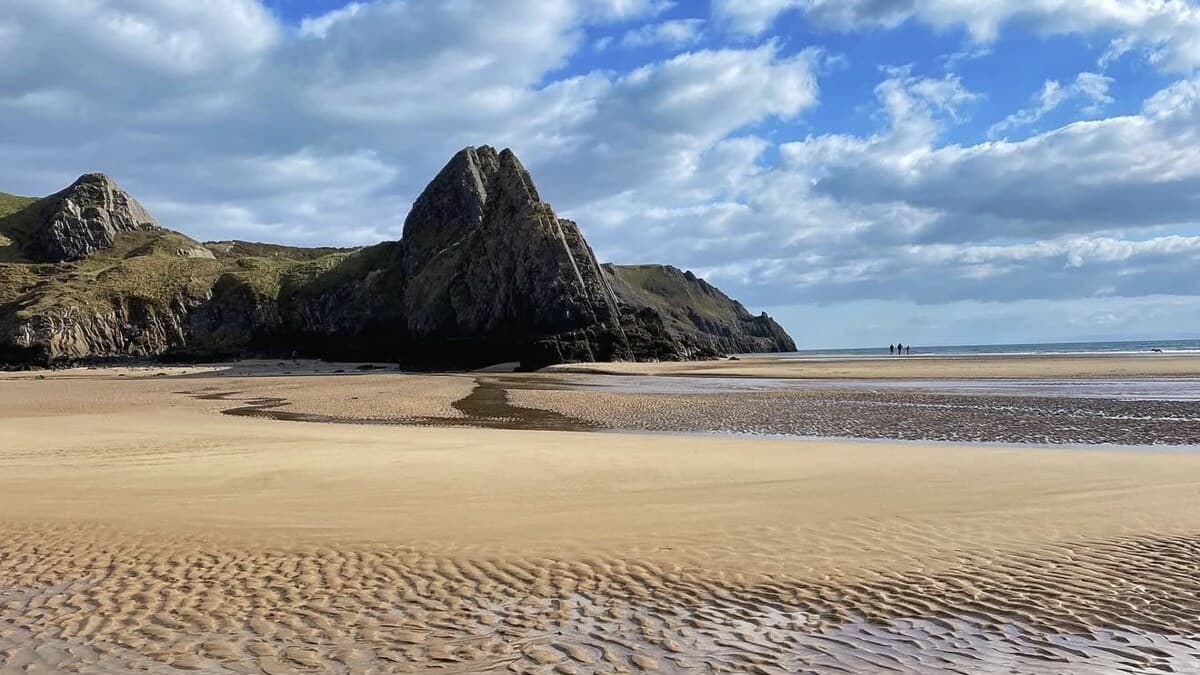
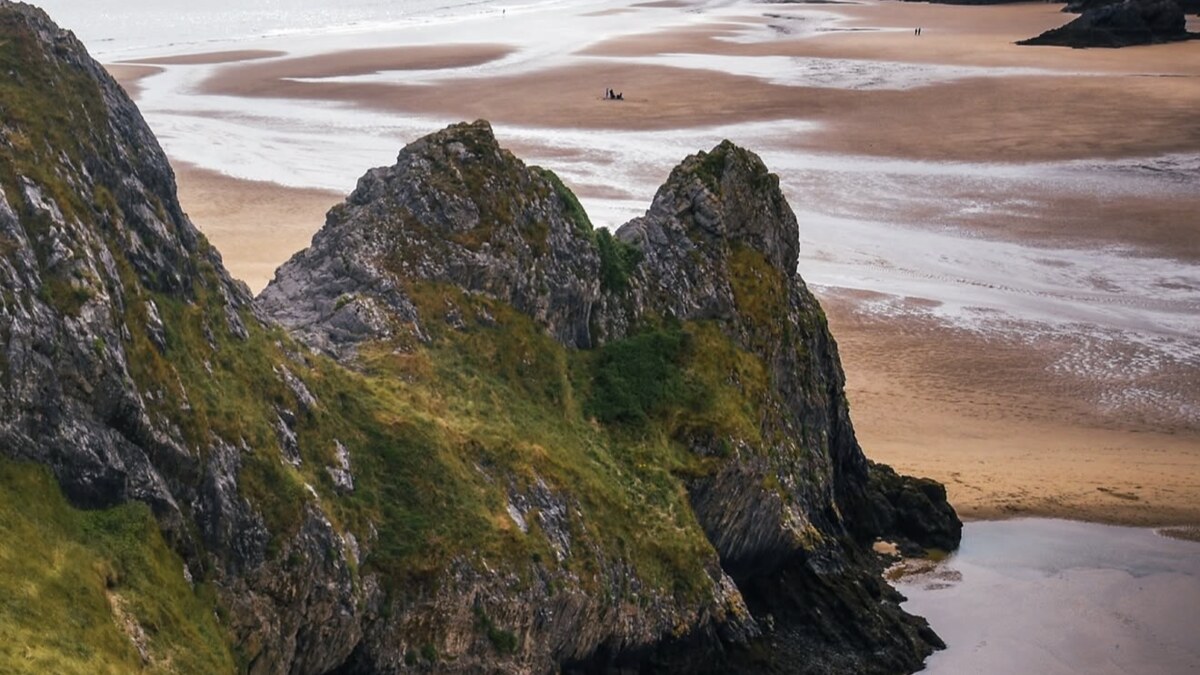
Three Cliffs Bay is the one on every Welsh postcard, named for the triple-summited limestone headland that frames it, with a meandering river crossing the sand and dunes behind. It has been voted both Britain's best beach and Britain's best view, and it earns the second even more than the first, because there is no car park at the beach itself. You walk in from Penmaen or Southgate, 15 to 20 minutes over the cliffs or through the dunes, with no facilities once you are down. The river and the tide both need respect, but the setting is unmatched.
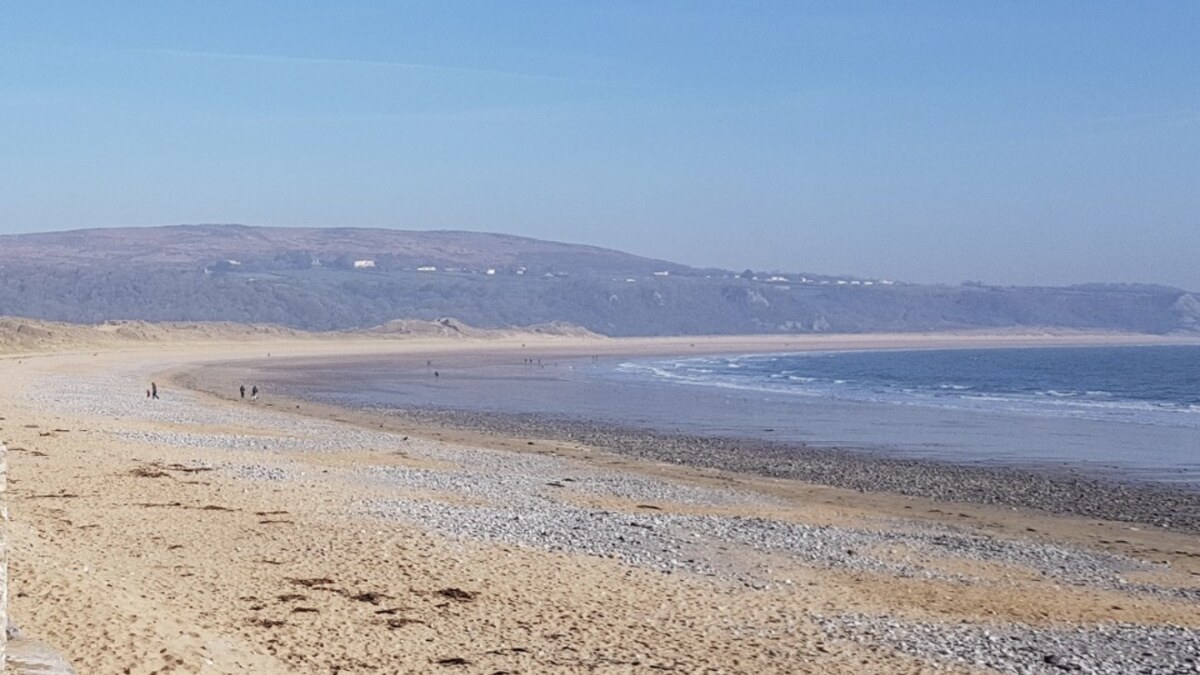
Oxwich Bay is the Gower's easy option, a two-and-a-half-mile curve of sand backed by dunes and woodland, with a car park right behind the beach and calm, shallow water that suits families and watersports. It asks far less of you than Rhossili or Three Cliffs, with no long walk in, and Oxwich Castle and the nature reserve behind it fill an afternoon.
Pembrokeshire's best beaches
Pembrokeshire's coast is a national park in its own right, and its beaches are the densest cluster of greats in Wales.
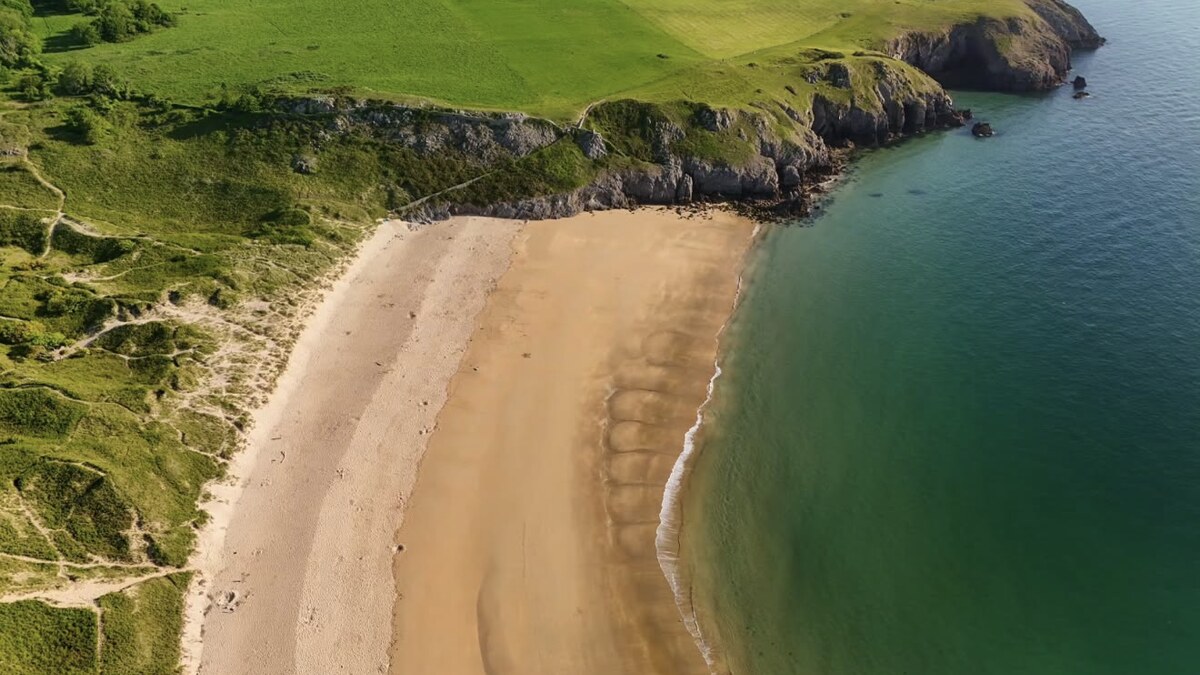
Barafundle Bay is the one that tops the lists, a near-perfect arc of golden sand and clear water backed by pines and dunes that people regularly compare to the Caribbean. The catch, and the reason it stays special, is that no road reaches it: you park at Stackpole Quay and walk about half a mile over the cliffs, with no facilities at the beach. It is National Trust land, and the Stackpole car park fills early in summer, so arrive before mid-morning or wait for the first crowd to leave.
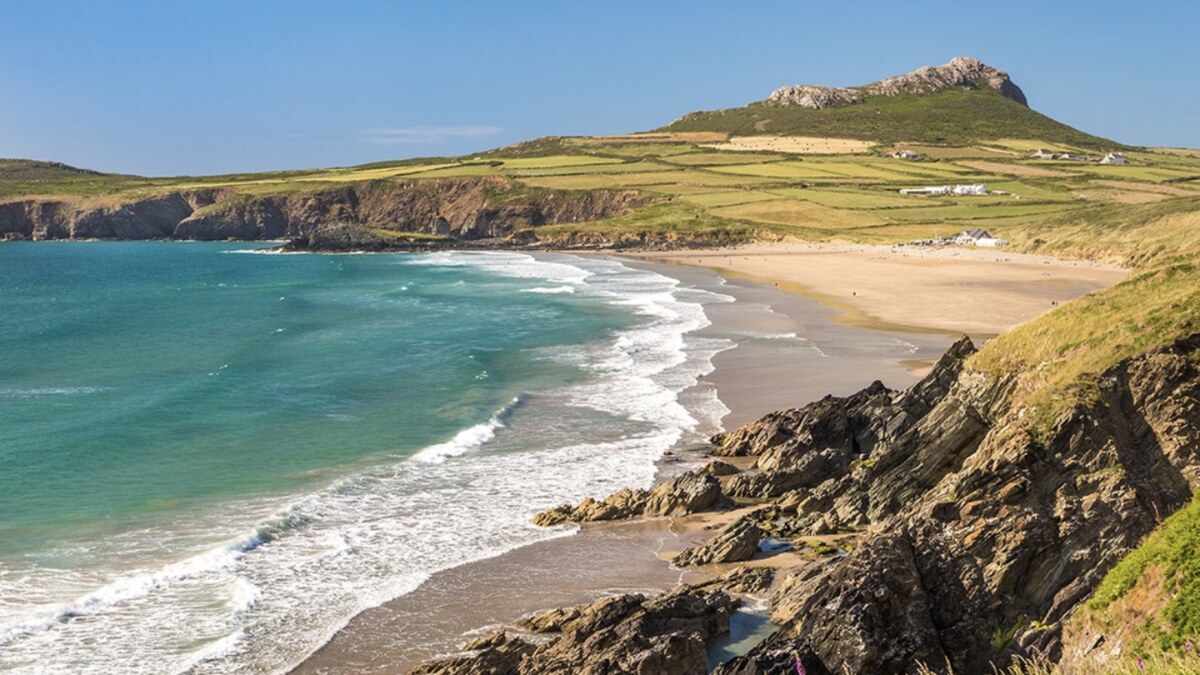
Whitesands Bay, near St Davids at Pembrokeshire's far west, is the county's surf-and-family all-rounder: a wide Blue Flag beach with summer lifeguards, reliable Atlantic waves and surf schools, and views across to Ramsey Island. It pulls off the rare trick of suiting beginners and confident surfers at once, which is why it gets busy, with parking right behind the sand.
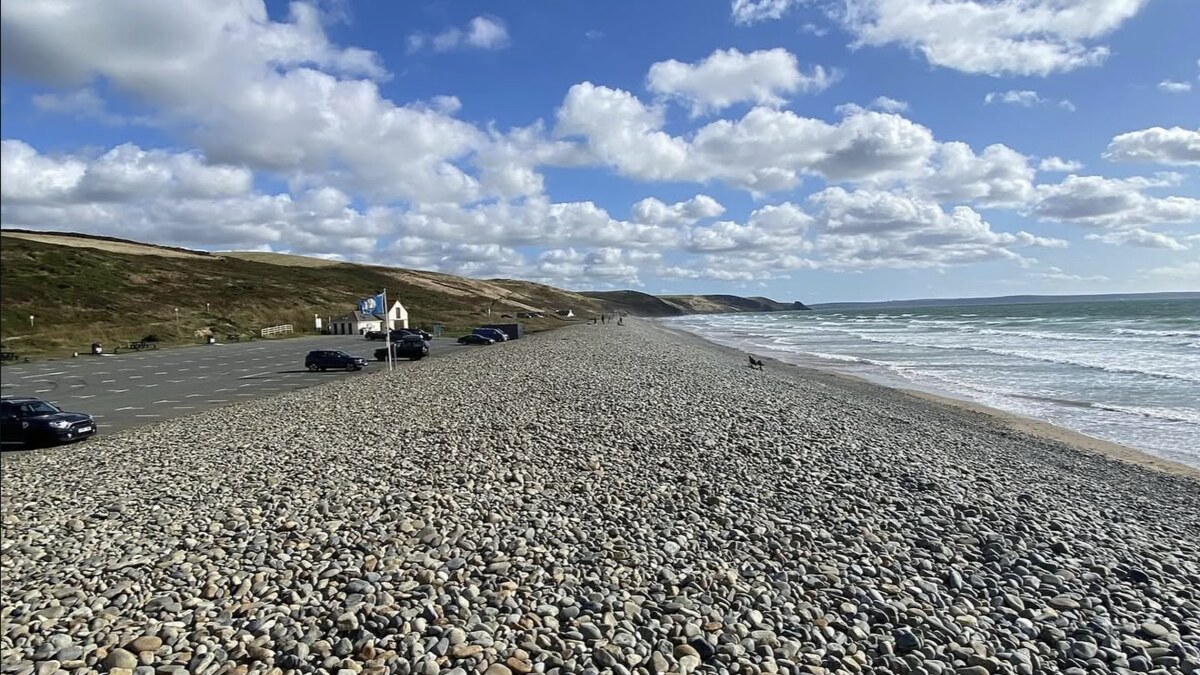
Newgale is the surf beach proper, a two-mile exposed sweep on St Brides Bay that catches the full Atlantic swell, backed by a high storm pebble bank. There is room for everyone from beginners to pros, with parking and a surf school on hand, and it is one of the most reliable places to learn in Wales. It is wild and windswept rather than sheltered, so come to surf and walk, not to laze.
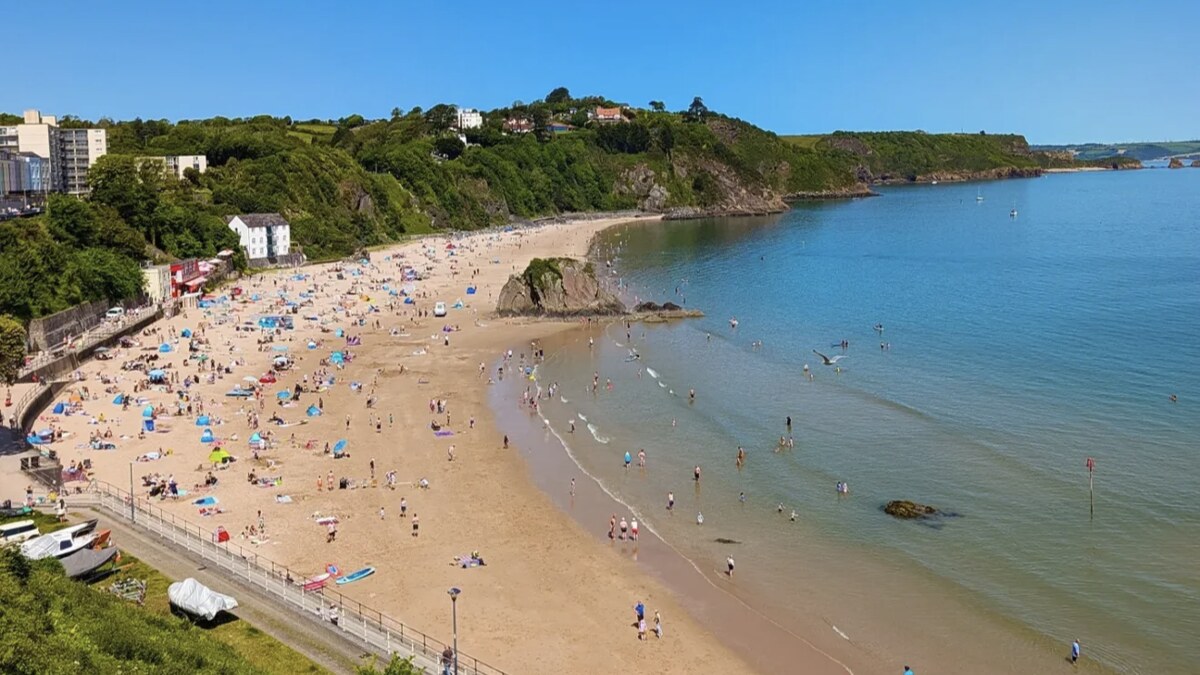
Tenby is the family favourite and the prettiest seaside town on the list, a pastel-walled harbour town with several beaches to its name. South Beach is the long sandy flagship, with summer lifeguards, gentle water, and cafes, shops and boat trips to Caldey Island all within walking distance. If you want a classic British seaside day with the beach attached, rather than a wild walk-in cove, Tenby is the one.
The best beaches in North Wales
The north has the mountains as a backdrop, and the beaches trade Pembrokeshire's clarity for sheer drama.
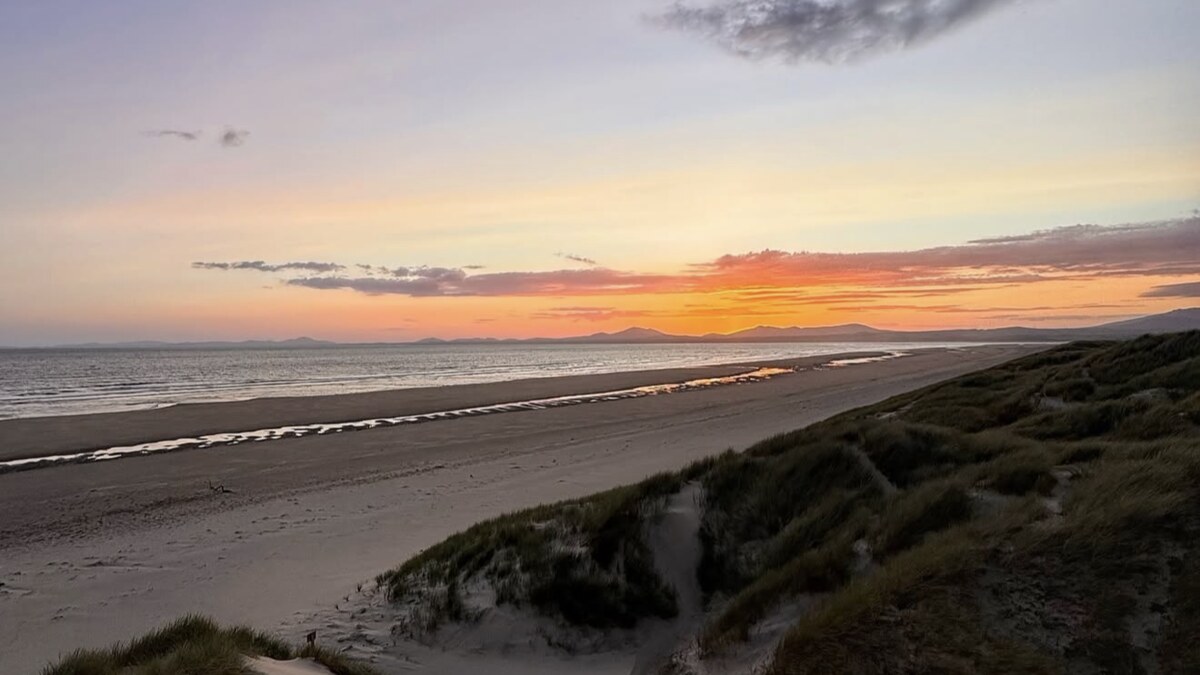
Harlech Beach, in Eryri, delivers four miles of golden sand and growing dunes beneath a medieval castle, with the Snowdonia mountains behind. It is one of Britain's most cinematic beaches and, thanks to its size, one of the emptiest-feeling. There are no lifeguards and the tide goes out a long way, so it is a walking-and-scenery beach first. Our full Harlech Beach review covers the castle, the dunes and how to visit.
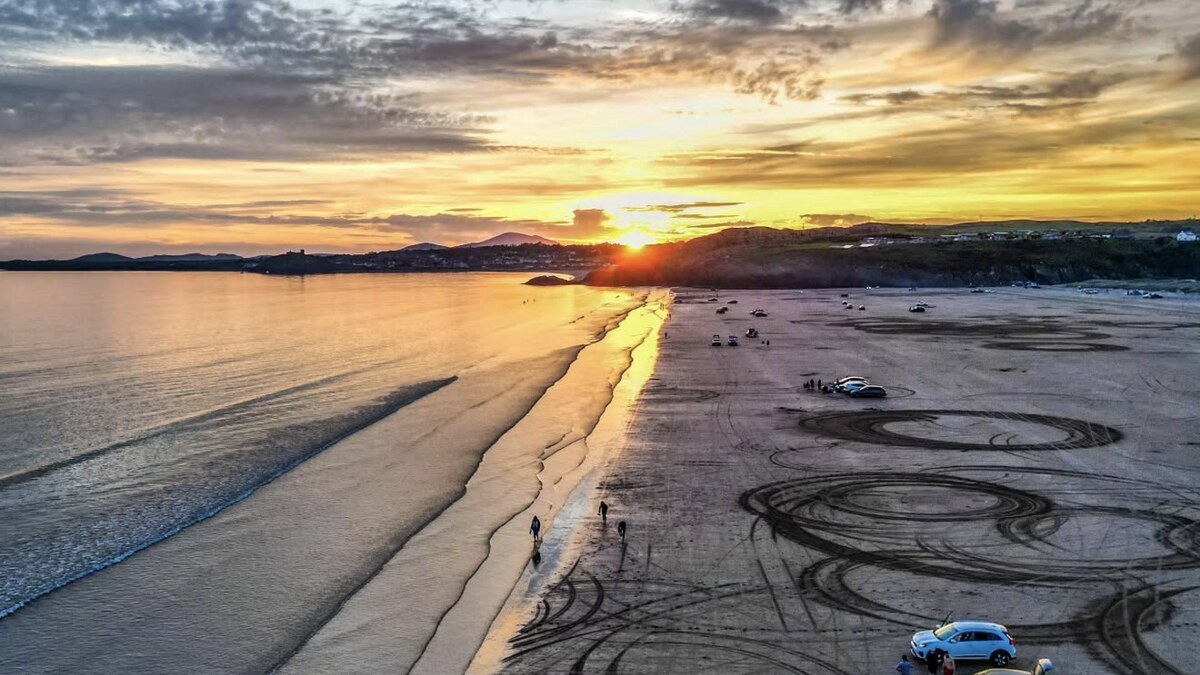
Black Rock Sands, near Porthmadog at Morfa Bychan, is North Wales's drive-on beach, one of the few in Wales where you can take the car straight onto the firm sand. That makes it a favourite with families who want to set up by the car, with space, rock pools and caves at the headland to explore. It is broad and flat, with mountain views, and the novelty of parking on the beach is half the appeal.
Cardigan Bay and the west
The west coast trades surf for quiet coves and wildlife.
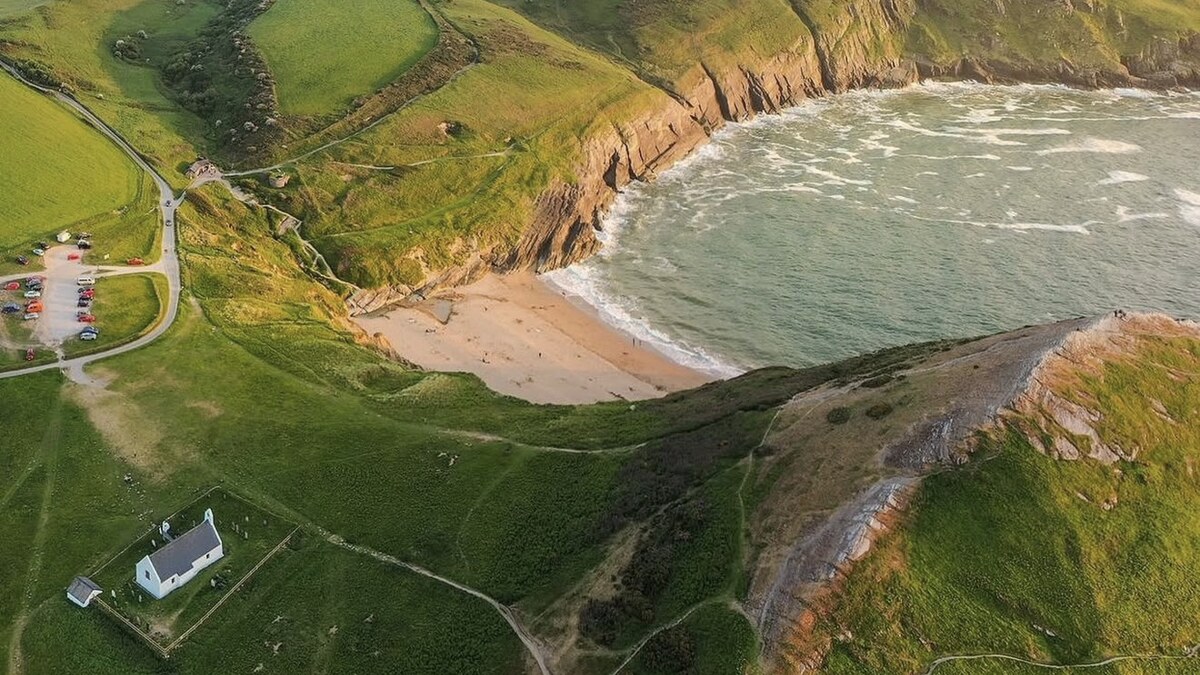
Mwnt, on the Ceredigion coast in Cardigan Bay, is the little sheltered cove that overdelivers. A steep flight of steps drops to a small sandy bay below a green conical hill and a tiny whitewashed medieval church, and the cliffs above are one of the best spots in Wales to see bottlenose dolphins, porpoises and seals. It is National Trust, unspoiled, and a complete contrast to the big surf sweeps further south.
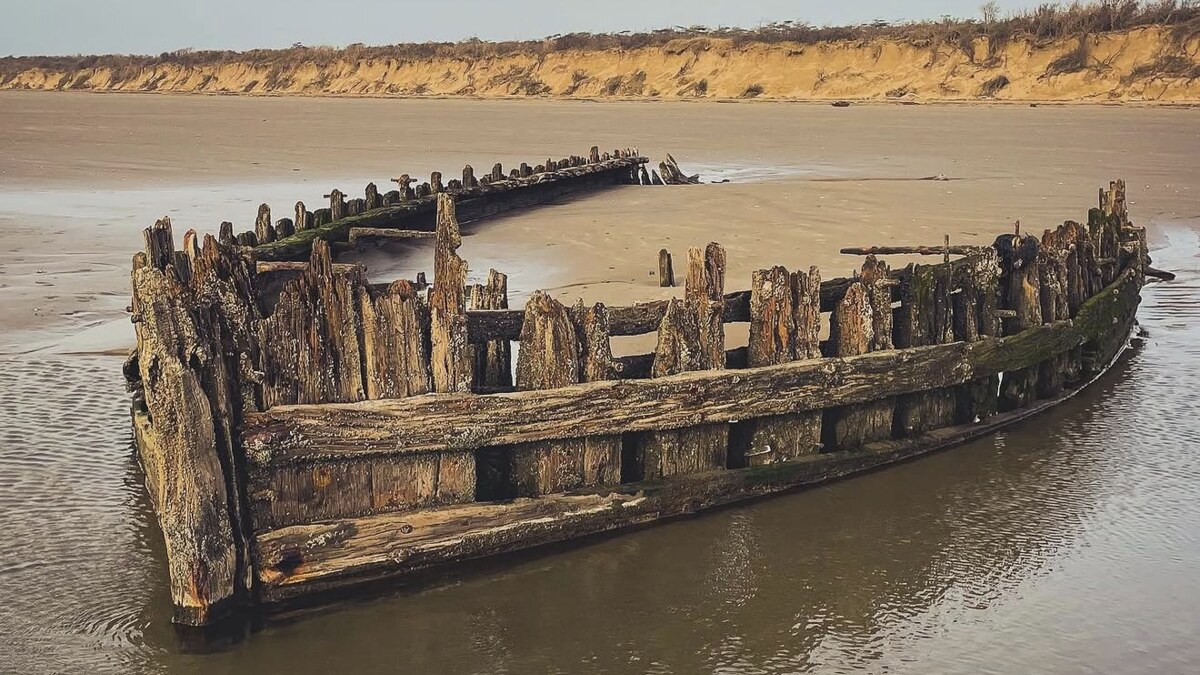
Cefn Sidan, in Carmarthenshire at Pembrey, is the long one, around eight miles of Blue Flag sand backed by the forest and dunes of Pembrey Country Park. It is so big it never feels full, with room for kite-buggying, horse riding and long walks, and a history of shipwrecks whose timbers still surface in the sand. The country park behind adds cycle trails, a dry ski slope and a campsite, making a full day of it.
When to go and how to beat the car parks
September is the sweet spot for Welsh beaches: the sea is at its warmest after a summer of heating, and the crowds thin once schools go back. July and August are warmest on land but busiest, and that is where the car parks bite. The National Trust beaches, Rhossili, Barafundle and Mwnt among them, have fixed car parks that fill and close by mid-morning on sunny weekends, with no overflow. Arrive before 9am or after 4pm, or pick a beach with a bigger car park like Whitesands or Oxwich. And always check the tide, because the walk-in and estuary beaches like Three Cliffs change completely between high and low water.
Which Welsh beach should you pick?
Match it to the day. For sheer scale and a clifftop walk, Rhossili. For the best view in Britain, Three Cliffs. For the postcard arc worth the walk, Barafundle. Families wanting facilities should head to Tenby, Oxwich or Whitesands; surfers to Newgale, Llangennith on Rhossili Bay, or Whitesands; and anyone after wild space to Harlech or Cefn Sidan. For wildlife and a quiet cove, it is Mwnt.
If you are touring further, see how these sit among the best beaches in the UK, and note that the north coast has its own run of sands around Talacre and its lighthouse. Whatever you choose, bring layers, watch the tide, and beat the car park.