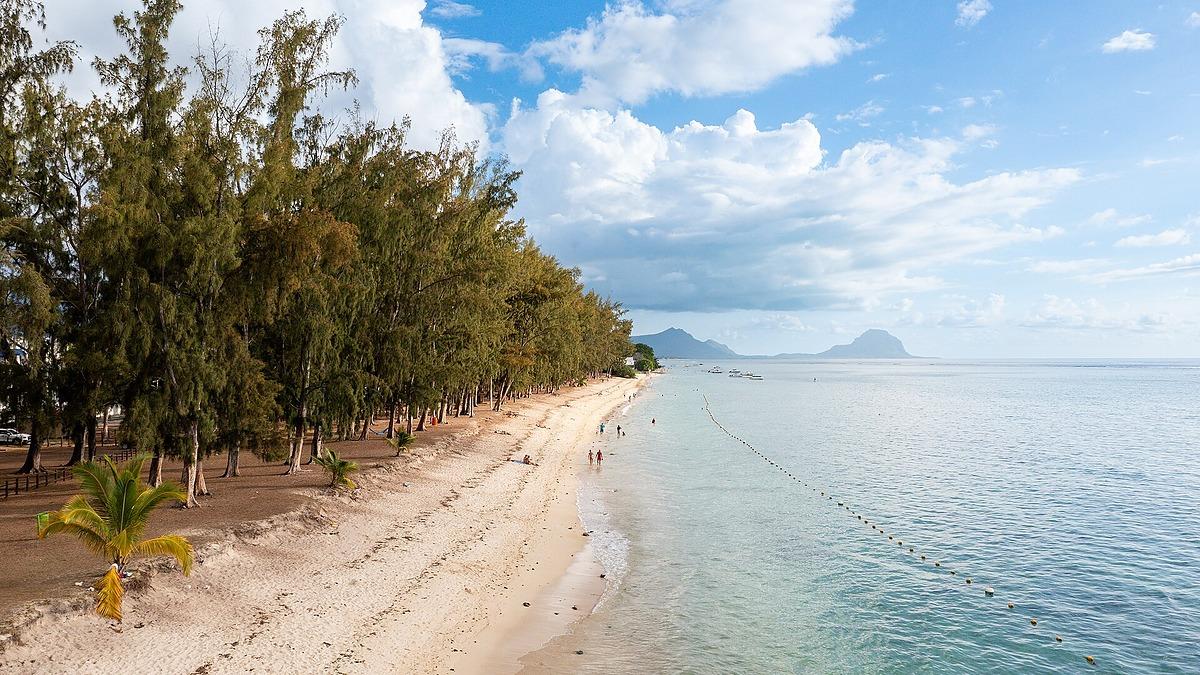
Off most Mauritian beaches a line of white water marks the coral reef, and inside it lies a lagoon: shallow, warm and, on the right coast in the right month, flat enough for a child to wade out a long way. The best beaches in Mauritius for swimming are Mont Choisy and Trou aux Biches in the north-west, Flic en Flac on the west coast and Blue Bay in the south-east, where a marine park's coral starts within wading distance of the sand.
All six numbered picks below can be used without a hotel booking. The Beach Authority's list of proclaimed public beaches, dated July 2025, includes public stretches at five of them, and the sixth, Île aux Cerfs, is a boat ride from a public jetty. Le Morne, covered alongside them, has public stretches too. That matters on an island where resorts front so much of the coast and keep their loungers for guests.
Summer and the official cyclone season both begin on 1 November, so timing comes into it too. The list runs round the coast from the north-west, down the west and back up the east, because which side of the island you pick matters more than any ranking.
Which side of Mauritius has the best beaches?
The answer changes with the wind. From May to October the trade wind picks up, particularly on the east and south coasts, and the Mauritius Tourism Promotion Authority (MTPA) says July and August are the windiest months and the west coast the more sheltered. From November to April, summer mornings are close to windless, and the long eastern beaches come into their own.
In short: the north-west for calm water and families all year, the west for sunsets and winter shelter, the east for long beaches and space in summer, and the south-west for kites.
| Beach | Coast | Best for | Public frontage | From the airport |
|---|---|---|---|---|
| 1. Trou aux Biches and Mont Choisy | North-west | Snorkelling and dive schools; calm swimming for small children | Trou aux Biches about 990m in three stretches; Mont Choisy 1,377m | 64km / 67km |
| 2. La Cuvette | North | A small cove with facilities | 310m | 73km |
| 3. Flic en Flac | West | A long beach, diving, sunsets | 1,795m at Wolmar, plus four more stretches | 47km |
| Also: Le Morne | South-west | Scenery, kitesurfing | 500m and 1,000m on the peninsula | 56km |
| 4. Blue Bay | South-east | Snorkelling from the shore | 400m | 12km |
| 5. Belle Mare | East | Space, sunrise walks | 1,500m on the main beach | 49km |
| 6. Île aux Cerfs | East, offshore | A boat day, watersports | Not a public beach | 42km to Trou d'Eau Douce |
Public frontage is from the Beach Authority's list of public beaches; road distances are by OpenStreetMap routing from the airport at Plaisance. Checked November 2026.
The north-west lagoons: Trou aux Biches, Mont Choisy and La Cuvette
Most first-time visitors should start in the north-west, where the lagoons are calm, the sand is soft and Grand Baie's restaurants are a short drive away. All three beaches lie within about 8km of each other by road, close enough to try in a single day.
1. Trou aux Biches and Mont Choisy: the north-west lagoon
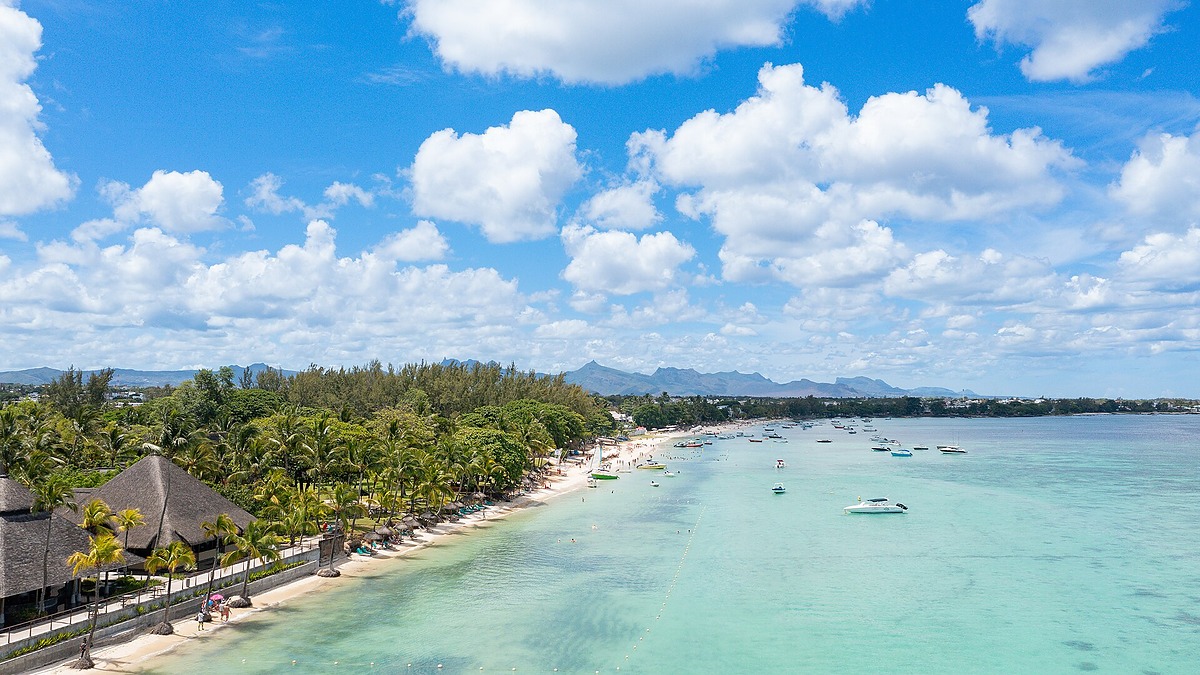
Trou aux Biches runs alongside the village of the same name, under casuarina trees, and faces the sunset. The MTPA rates it for snorkelling and diving, with several dive schools close by, and for long walks in the shade.
Public sand here comes in pieces. The Beach Authority lists three proclaimed stretches: about 700m opposite the former aquarium, 215m opposite the Casuarina hotel and a short 73m strip in front of the police station. Hotels and villas front the sand in between, so head for the long stretch if you want space.
Works on the beach accesses, started on 22 June 2026, were due to take about three months; the Beach Authority had posted no completion notice when this page was checked in November 2026.
Mont Choisy, next door, is the better choice for small children or a simple swim. A long curve of soft white sand runs round a bay fringed by casuarinas, and the calm, clear water is the main draw. Rough Guides says the shallow lagoon suits families with young children.
It also has the most room in the north: 1,377m of public beach, the longest public stretch on the northern coast, with a new toilet block noted in the Beach Authority's 2026 calendar. From the airport it is 67km, about an hour's drive.
2. La Cuvette, Grand Baie: a small cove with everything to hand
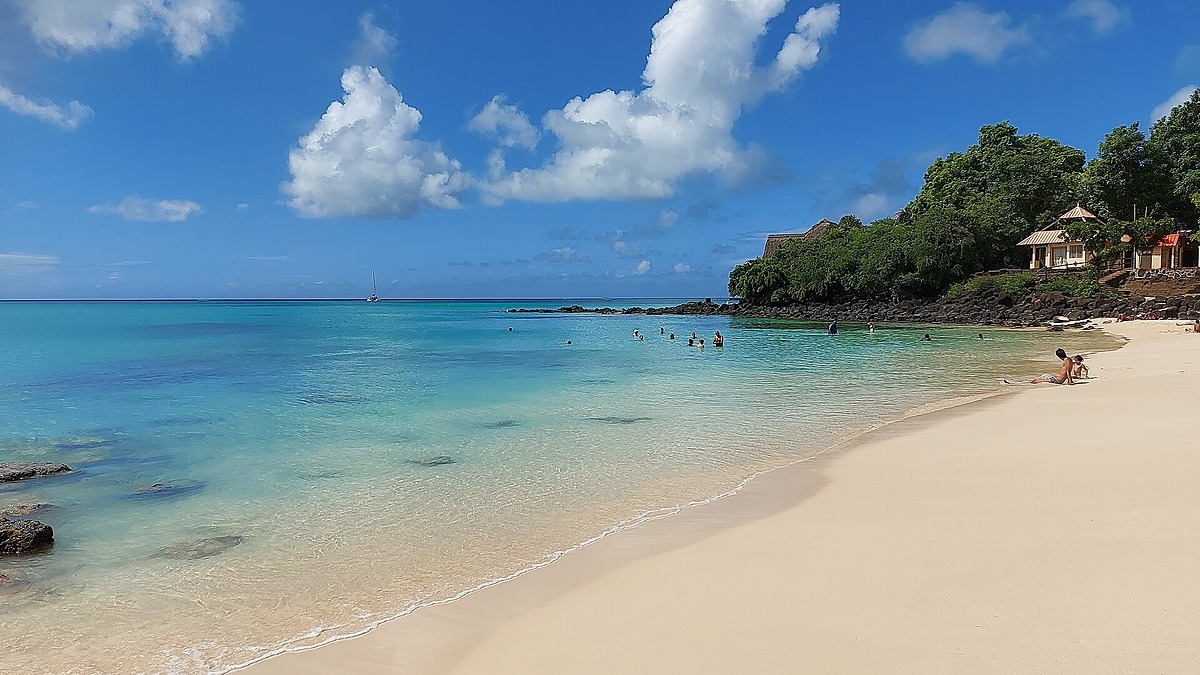
La Cuvette is the beach for a short swim between lunch and a nap. It is a small cove just north of Grand Baie, with 310m of public frontage, a car park, showers, toilets and food kiosks, and Rough Guides rates it for sunsets.
Grand Baie, next door, sets the tone. The MTPA describes it as a sheltered, horseshoe-shaped bay with around 50 cafés and restaurants. It also has the island's best nightlife.
Pereybère, the next public beach north, is smaller still, at 108m. La Cuvette and Pereybère are both town beaches, so come early or late if you want the sand to yourself.
Flic en Flac and the west coast
The west coast is the sheltered side in winter and the sunset side all year. Flic en Flac is its main beach, with Tamarin and La Preneuse, two smaller public beaches, further south on the road to Le Morne.
3. Flic en Flac: the long beach, with dive sites offshore
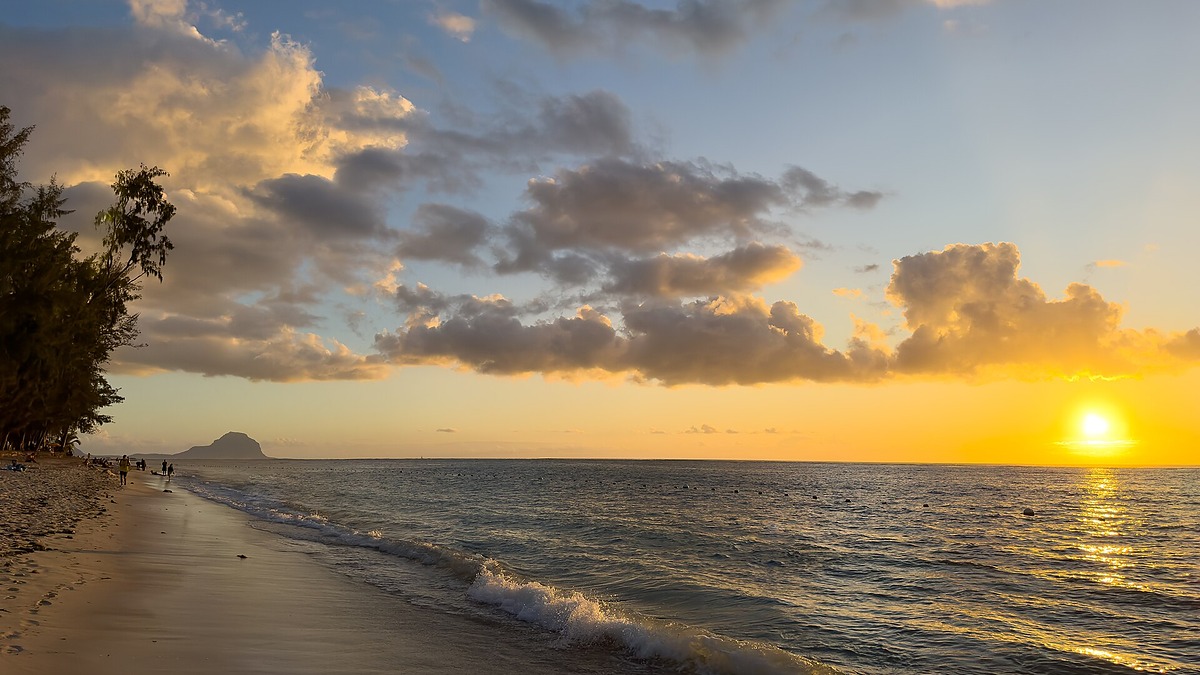
At about 8km by the MTPA's measure, Flic en Flac is one of the longest beaches in Mauritius. Casuarinas line the back of the sand, street food stands set up nearby, and the lagoon is good for a gentle snorkel. Divers come for the Snake Reef and Cathedral dive sites offshore.
Not all of it is public. The Beach Authority lists five proclaimed stretches, about 3.1km in all, the longest of them 1,795m at Wolmar, near the Pearl Beach hotel, and there are several public toilet blocks along the beach.
Facing the sunset and out of the winter wind, Flic en Flac is the best May-to-October choice. In summer it gets hot: Mauritius Meteorological Services (MMS) expects daytime highs of up to 36°C on the western coasts on some days in summer 2026-27, so arrive early and plan for shade.
Le Morne and the south-west
South of Flic en Flac, the coast road runs down to the kite coast: the peninsula at the island's south-west tip, below the rock wall of Le Morne Brabant.
Le Morne: see our full review
Le Morne gets its own page: our Le Morne Beach review covers the parking, the kite zones, the bus and the mountain trail. The World's 50 Best Beaches ranks it 40th in the world for 2026, as our guide to the world's 50 best beaches explains. If you are still deciding between Indian Ocean islands, our Anse Source d'Argent review covers the Seychelles beach ranked above Le Morne on the same list.
Resorts front most of the sand, so the public stretches matter. The Beach Authority lists two main ones on the peninsula: about 500m, and about 1,000m at the south-west point. Most people use the west-side beach between the Dinarobin and LUX* Le Morne hotels, where OpenStreetMap marks a free car park.
Swim early. The MTPA puts the kitesurfing season at April to November, and Kite in Moris says the wind usually picks up around 10 to 11am, after which the kites fill the lagoon.
Blue Bay, Belle Mare and Île aux Cerfs in the south-east and east
The east coast has the longest beaches on the island and the most public sand: the Beach Authority's list gives the eastern region about 15.5km of public frontage, more than any other. It is also the windward side, which shapes when to go.
4. Blue Bay: coral within wading distance
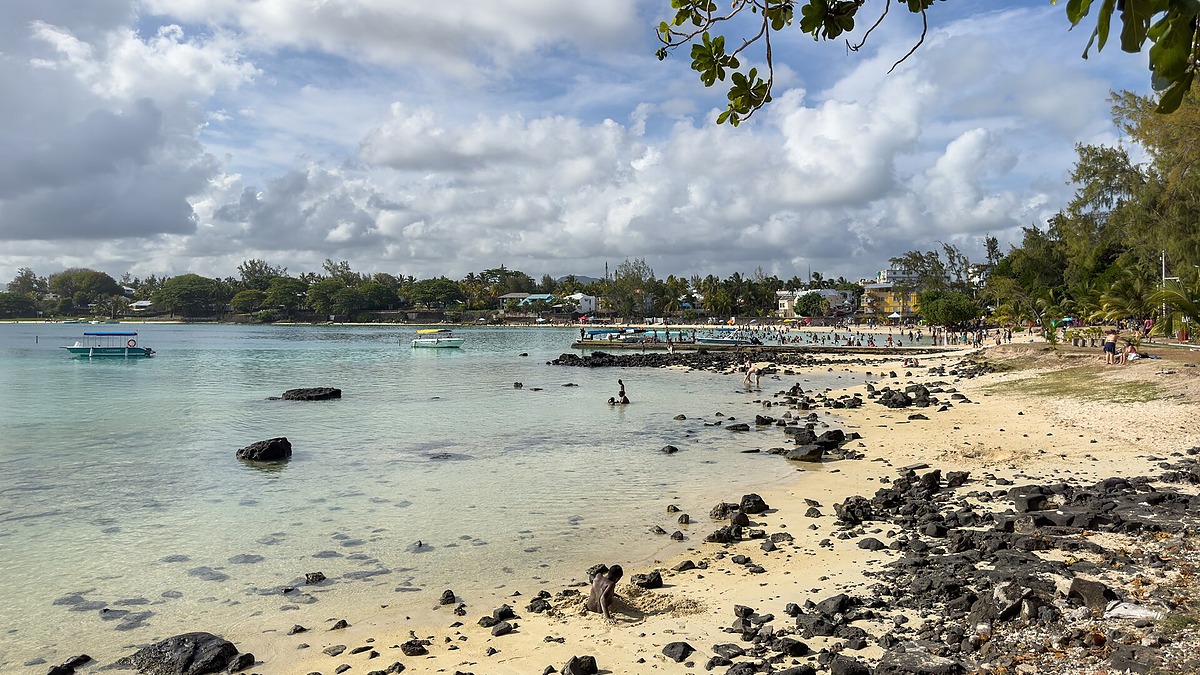
At about 12km, Blue Bay is the closest of the six to the airport, and Rough Guides rates it the best beach in Mauritius for snorkelling. From the sand you can wade out to wrasse, clownfish, angelfish, coral and seagrass, and on to a brain coral garden in the marine park that you can snorkel or watch from a glass-bottom boat.
The bay has been a 353-hectare protected marine park since June 2000, and glass-bottom and snorkel boats working it need a commercial permit from the fisheries ministry. The Foreign Office also advises checking that any water-sports operator holds a Ministry of Tourism permit and carries enough life jackets.
Ashore, the public beach is 400m long and shaded by casuarinas, with vendors selling local street food, according to the MTPA. Come on a weekday for quiet: at weekends local families arrive with music and picnics.
5. Belle Mare: room to spread out
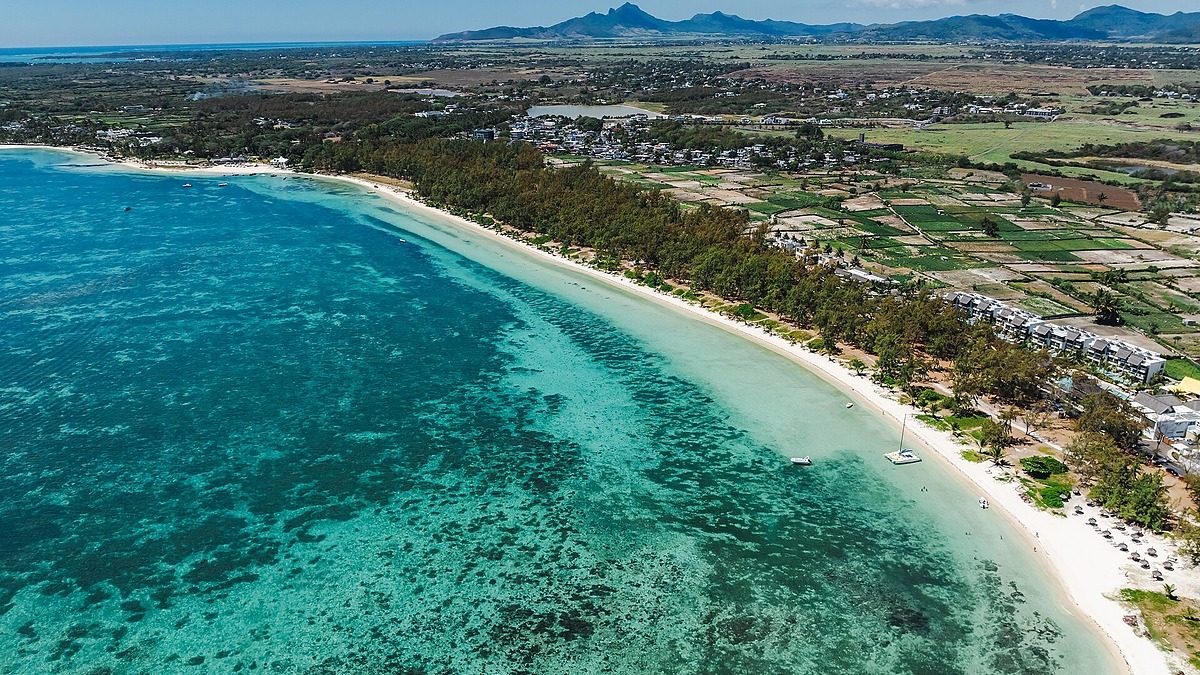
Belle Mare is the beach for long walks and sunrises. The MTPA calls it one of the longest beaches in Mauritius, with casuarina shade and a lagoon for swimming and snorkelling. Its main public stretch is 1,500m, with three smaller Belle Mare stretches and another 1,400m at Palmar, just to the south.
The wind decides the month. The east has a cooling breeze for most of the year, according to the MTPA, and the winter trades pick up on the east and south coasts. Go between November and April, when summer mornings are close to windless.
The Beach Authority's calendar lists a floating beach wheelchair session there on 8 December 2026, and the authority keeps a sub-office at Belle Mare.
6. Île aux Cerfs: an island day by boat
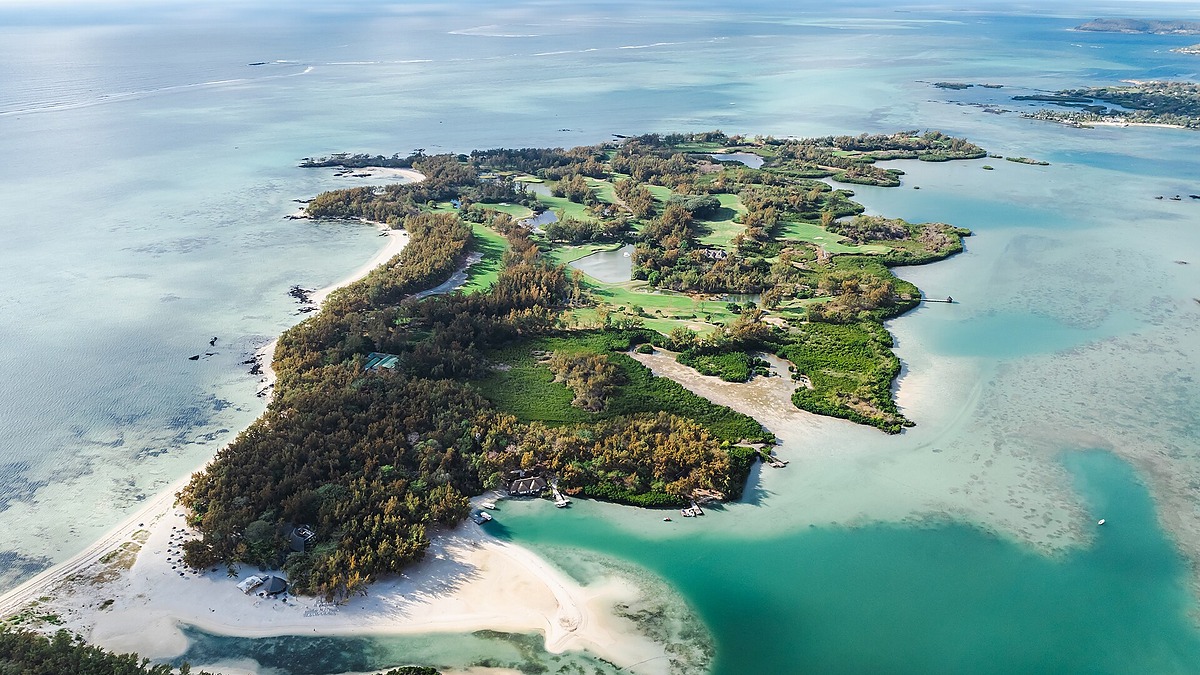
Île aux Cerfs is the one pick that is not a public beach. It is an uninhabited island off the east coast, run as a leisure island with beach bars, watersports and an 18-hole golf course designed by Bernhard Langer. The beaches and bars are on its northern tip, and the MTPA notes there are no hotels on the island, only three eco-bubble lodges.
The quickest way across is the operator's own shuttle from Pointe Maurice, near Trou d'Eau Douce. Île aux Cerfs Leisure Island says the jetty there is open to the public and has a secure car park:
- Beach shuttle: 24-seat boats every 30 minutes from 9.30am to 6pm, to the Masala Jetty on the island's north-west side. The island is open 9am to 6pm.
- Weekday package: Rs 1,950 per adult and Rs 1,550 per child aged 3 to 9, Monday to Friday. It covers parking, the boats, a welcome cocktail, a plated lunch, one drink and a sunbed if one is free. Booking is compulsory.
- Weekend family package: Rs 1,350 per adult and Rs 950 per child aged 3 to 9, Saturday and Sunday, with a buffet lunch in place of the plated one. Booking is compulsory.
- Both packages: they run 9am to 5pm, and the last package boat back from the island is at 5pm.
- Shuttle only: the operator does not publish a boat-only fare; ask at the Pointe Maurice jetty.
Catamarans and small boats also run day trips there. Whichever boat you take, check the Foreign Office points: a Ministry of Tourism permit, enough life jackets, and a skipper who can contact the coastguard. Checked November 2026.
Are the beaches in Mauritius public?
The shore is, and the law is specific. Article 538 of the Civil Code lists the seashore among the dependencies of the public domain. In August 2026 the lands minister, Shakeel Mohamed, told campement owners at Pointe d'Esny that the beach is not private and that a lease gives no right to keep the public off it, L'Express reported. He gave owners and hoteliers 14 days to remove ropes, posts and signs blocking access.
On top of that, 145 stretches of coast are proclaimed public beaches, with about 48km of sea frontage between them, on the Beach Authority's list dated 18 July 2025. Under the Beach Authority Act 2002, a public beach is a stretch declared public in the Government Gazette, and it includes the shore between the low- and high-water marks and the water up to 100m out.
On those beaches the Beach Authority provides the amenities and licenses the traders who sell food and rent out mattresses and umbrellas. Hotels front much of the rest of the coast: you can walk the sand in front of them, but their loungers, bars and lawns are for guests. If you are staying in a villa or guesthouse, pick a base near one of the long public stretches: Mont Choisy, Flic en Flac and Belle Mare all have more than a kilometre. Checked November 2026.
When to go: the trade winds, the heat and the cyclone season
Mauritius has two seasons, and the beach you choose should follow them. MMS defines summer as 1 November to 30 April and the official cyclone season as 1 November to 15 May.
| Months | Air on the coast | Sea | Wind | Best coasts |
|---|---|---|---|---|
| November to April (summer) | 28 to 33°C | 26 to 30°C | Light, especially in the morning | All, including the east |
| May to October (winter) | 22 to 28°C | 22 to 25°C | Trades strongest on the east and south; windiest in July and August | North-west and west |
Temperatures and winds are from the MTPA's weather guide. Mauritius Meteorological Services names February and March as the wettest months and October as the driest.
This guide was checked in mid-November 2026, inside that window. The MMS outlook for summer 2026-27, published on 27 October 2026, expects five to seven named storms across the whole south-west Indian Ocean, below-normal rain for Mauritius and above-normal temperatures. Those storms will not necessarily affect Mauritius directly.
If a storm does approach, cyclone warning class I is issued 36 to 48 hours before gusts of 120km/h are expected, rising to class IV when they arrive. During a cyclone, the Foreign Office notes, you are not allowed to leave your accommodation. Follow the MMS warnings during your stay, and see our guide to beach holidays in January and February for how Mauritius compares with other winter-sun islands.
Where not to swim: Gris Gris and the south coast
The south is the wild side of Mauritius, a rocky coast of cliffs and coves where, the MTPA says, strong currents and coral reefs need weighing up before you swim. Gris Gris, near Souillac, is for walking and watching the waves, not swimming: the currents are strong and the waves huge. At Saint Félix, offshore currents and coral make the water best left to experienced swimmers.
Anywhere on the island, stay out of the sea when MMS issues a high-waves warning: its advice is to avoid going to the beach and into the sea. No official source lists regular lifeguard cover on the public beaches, so don't count on one, and keep children within reach. Checked November 2026.
Where to stay for a first beach trip to Mauritius
For a first trip, especially with children, take one day each for Blue Bay and the boat to Île aux Cerfs. Between May and October, when the trade wind blows hardest on the east and south coasts, save those two for a calm day and spend the others on day trips south to Flic en Flac, on the sheltered west coast. Whatever the month, base yourself in the north-west between Trou aux Biches and Grand Baie, and swim at Mont Choisy.