Okinawa has more genuinely excellent beaches than any first-timer expects, and the 10 best beaches in Okinawa are spread across four very different island groups: the easy-access main island, the Kerama islands an hour by ferry from Naha, and the far-flung Miyako and Ishigaki groups you reach by plane. Picking where to base yourself matters more than ticking off a list, because the water quality, the snorkelling and the crowds change hugely between them. This guide ranks the beaches, but it also answers the question the rankings dodge: which island actually suits your trip.
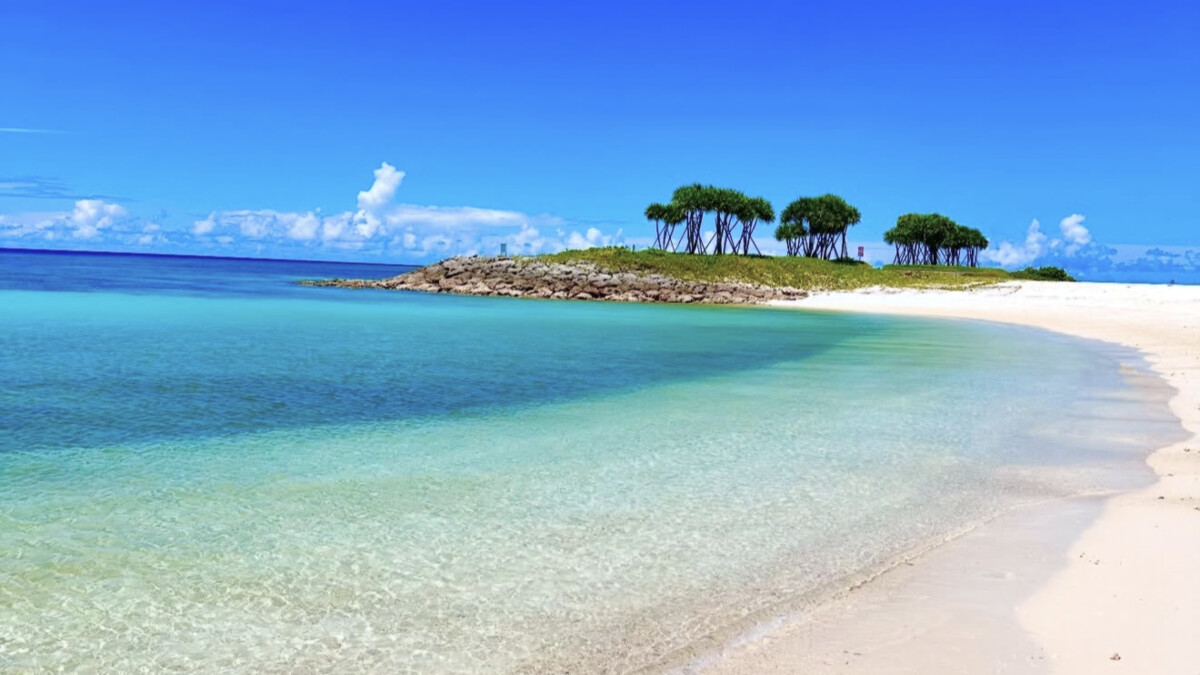
Which Okinawa island has the best beaches: main island, Kerama, Miyako or Ishigaki?
Two local terms decide this: "Miyako Blue" and "Kerama Blue." They are not marketing. Miyako is a flat coral island made entirely of Ryukyu limestone with no mountains and no rivers, so there is no sediment runoff. Rain filters down through the porous coral before it reaches the sea, which keeps the water clear even after a downpour. That geology is why Yonaha Maehama out-clears everywhere else in Japan.
Kerama Blue is a different prize. The Keramashoto National Park reefs, about 40km west of Naha, hold over 60 percent of Japan's reef-building coral, with coral close enough to shore that you can snorkel straight off the sand. So Miyako wins for swimming and that impossible clarity; Kerama wins for snorkelling. Ishigaki and the Yaeyama group win on variety and world-class manta diving, while the main island wins on convenience, with netted, lifeguarded beaches you can drive to in an afternoon.
Yonaha Maehama Beach: 7km of the clearest shallows in Japan
Yonaha Maehama on Miyako's southwest coast runs roughly 7km of powder-white sand toward Kurima Bridge, and it consistently tops rankings of Japan's best beaches. It was Tripadvisor's number one beach in the country in 2019. The draw is the Miyako Blue: flat, pale shallows so clear they barely look real, with almost no rocks or coral to break up the sand.
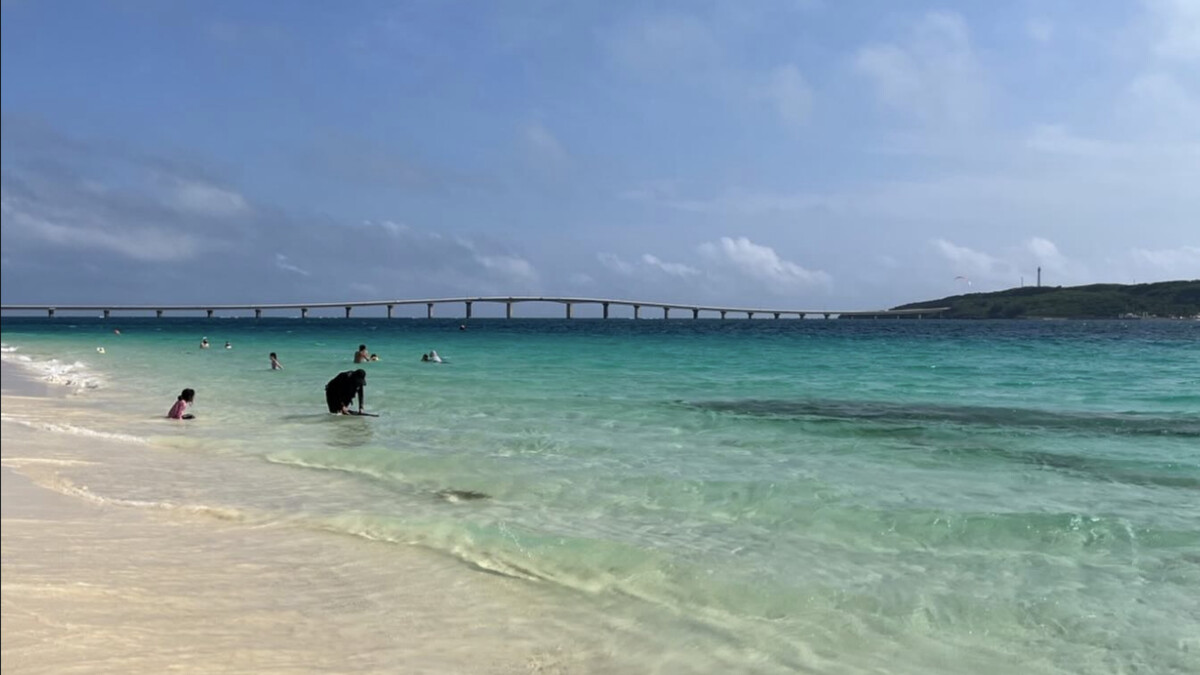
That smoothness is the trade-off. There is little to snorkel here, so come for swimming, long walks and sunsets rather than fish. A local 2025 ranking actually marked it down for crowds, so arrive early or late if you want the empty foreground. Miyako is reached by air only, a 45 to 55 minute flight from Naha, and toll-free bridges connect it to Kurima, Irabu and Ikema, so a rental car opens up the whole island once you land.
Furuzamami Beach: the Kerama-Blue snorkelling benchmark
Furuzamami on Zamami is where shore snorkelling clicks for most people. The sand shelves off quickly into clear water, and coral and tropical fish appear straight from the beach inside a roped-off swimming zone with lane dividers. It holds a two-star rating in the Michelin Green Guide Japon, which it earns the moment you put your face in the water.
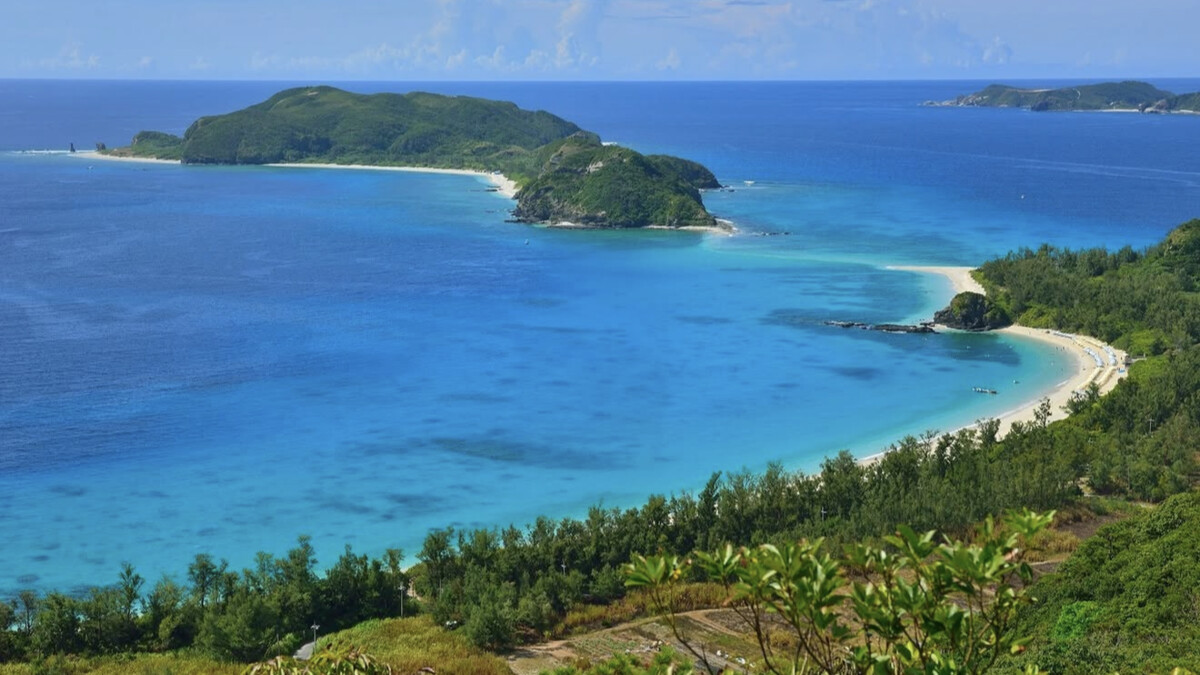
It is set up for casual snorkellers, not divers chasing the deep reefs, which boat tours reach instead. There are showers, toilets, a souvenir shop and rental gear, with an umbrella and two loungers around 2,000 yen. A shuttle from Zamami Port takes about five minutes and costs 300 yen each way. Getting there is half the appeal as a day trip: the high-speed Queen Zamami from Tomari Port in Naha takes 50 to 60 minutes at 3,950 yen one way, and the slower Ferry Zamami runs in about two hours for 2,900 yen. The water is clearer and far less crowded than Thailand's headline beaches, and if you are weighing an Asia beach trip our best beaches in Thailand guide makes the contrast obvious.
Emerald Beach: the easiest, family-safest main-island swim
Emerald Beach inside Ocean Expo Park is the one to choose with young kids or a tight schedule. Entry and parking are both free, lifeguards patrol from April to October, and the beach is split into three crescent zones, with the netted "Beach of play" reserved for swimming. It sits right next to Churaumi Aquarium, so a beach morning and an aquarium afternoon make one tidy day.
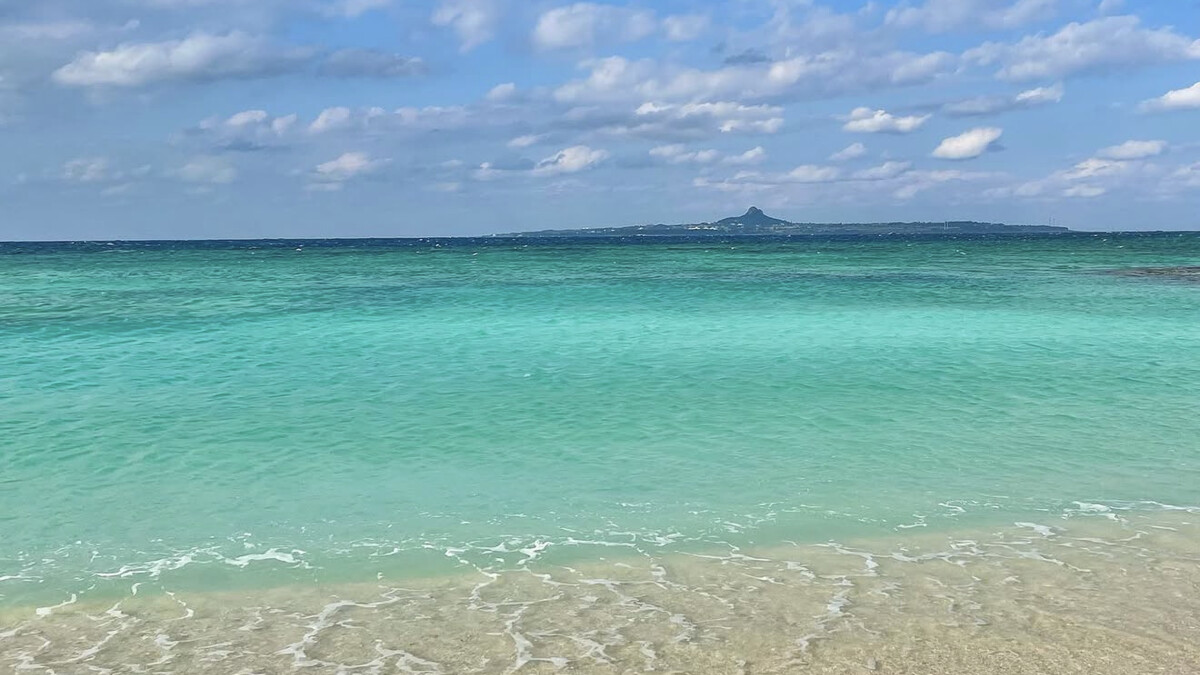
Swimming runs April 1 to October 31. The catch is that snorkelling is prohibited here, so treat it as a safe, calm paddle rather than a reef stop. Like most main-island beaches, you really need a rental car to reach it; compact cars go from around 3,000 to 5,000 yen a day near Naha Airport, and the park's parking is free.
Aharen Beach: an 800m Kerama cove built for an overnight
Aharen on Tokashiki is the Kerama beach to pick if you want to stay the night rather than day-trip. It is about 800m of sheltered white sand backed by guesthouses and dive shops, with gentle water that makes a relaxed base for a couple of days of snorkelling and diving away from Naha.
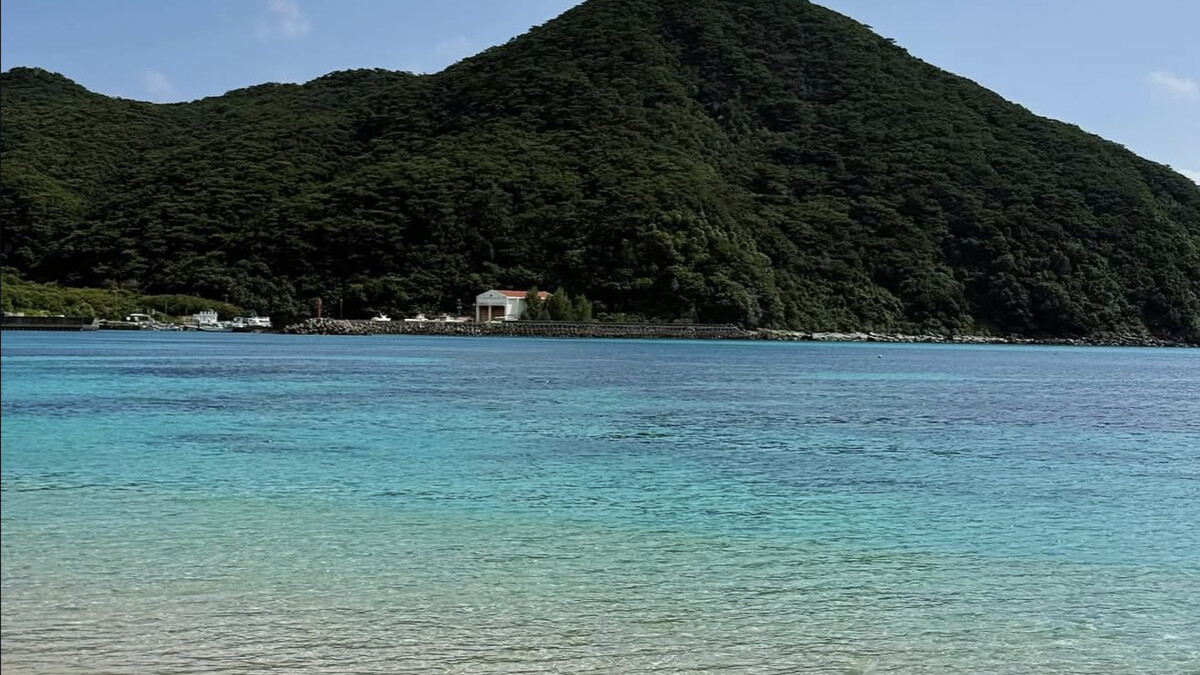
Tokashiki is reached from Tomari Port: the high-speed Marine Liner takes 35 to 40 minutes for 2,530 yen, and the slow Ferry Tokashiki takes about 70 minutes for 1,690 yen, with a 100 yen environmental tax added at boarding. Book ahead in summer, since online reservations open two months out, tickets must be bought 30 minutes before sailing, and you board 10 minutes before departure. Miss that window and you wait for the next boat.
Kabira Bay: Ishigaki's most photographed view, with no swimming
Kabira Bay is the postcard shot of Ishigaki: emerald water dotted with small green islets and moored boats. You can look but not get in. Black-pearl cultivation in the bay, combined with strong currents and boat traffic, means swimming and snorkelling are banned outright, the only beach in this guide with a flat no-swim rule.
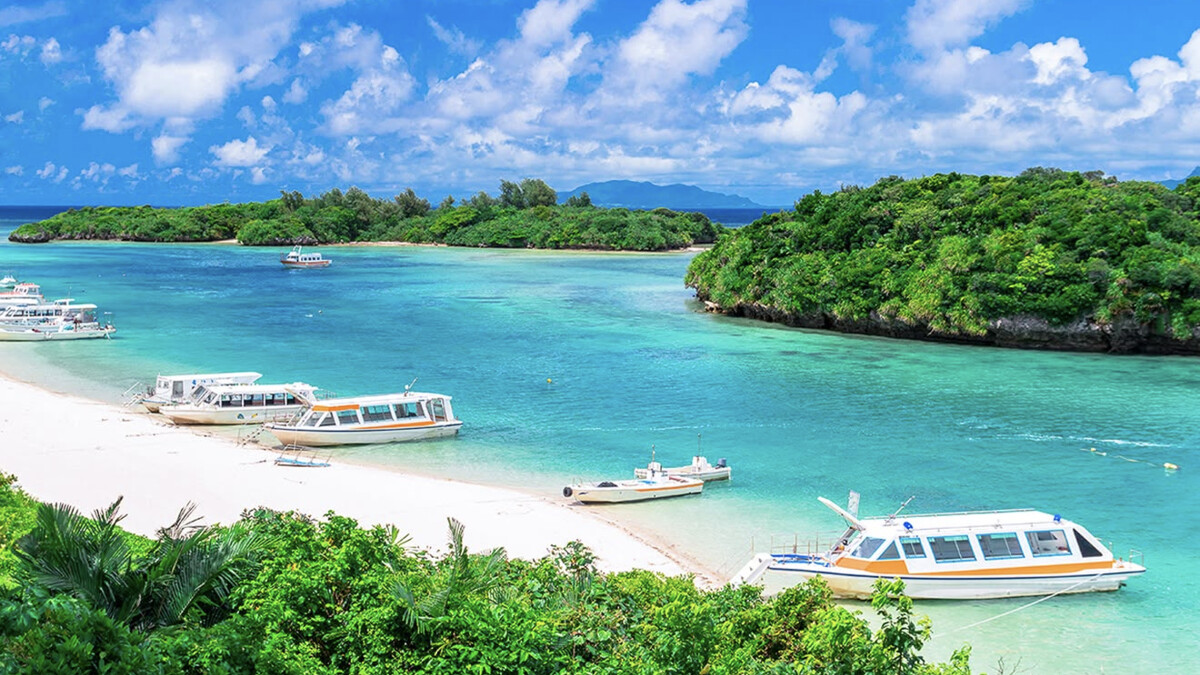
You see the reef from a glass-bottom boat instead: a roughly 30-minute ride, around 1,000 yen, running from about 09:00 to 17:00 every 15 to 30 minutes with no booking needed. If you want to get in the water near here, the Kabira Ishizaki Manta Scramble off the northwest coast is one of the world's most reliable manta-ray dive sites, with a season running roughly May to mid-October. Ishigaki has repeatedly been voted Japan's top diving area.
Sukuji Beach: the calm, shallow bay for young kids
Sukuji on Ishigaki is the quiet alternative to Kabira's crowds, a kilometre-long shallow bay with gentle, clear water that locals rate highly. It is a managed beach with lifeguards, box-jellyfish prevention nets installed in season, toilets and changing rooms, and showers for 100 yen a day.
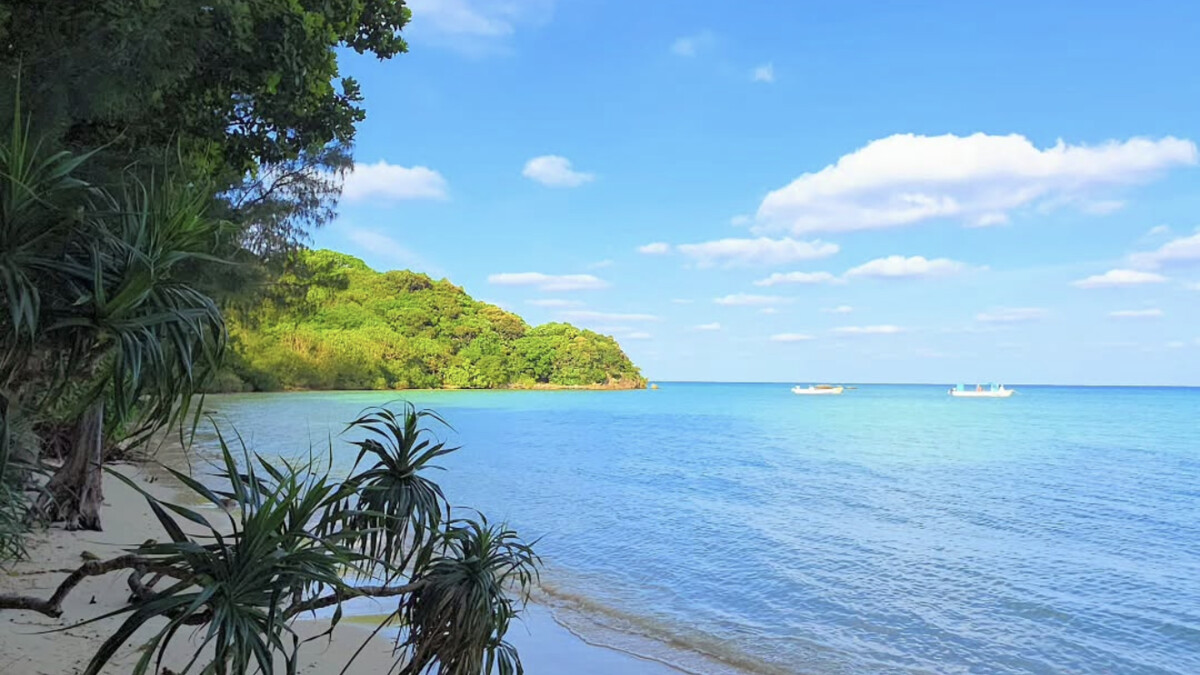
Swim season runs from the April opening through to September 30. The one thing to plan around is the tide: the bay is so shallow that at low tide the water pulls right out and swimming is off, so check the tide table before you drive over and aim for the two or three hours either side of high water. Sukuji sits about 25 minutes by car northwest of central Ishigaki town, parking is free, and the sand walk from the lot to the water is short and flat, which matters with a buggy or armfuls of beach kit. For toddlers, that shallowness is exactly the appeal the rest of the day. If you are comparing it against other calm, shallow family bays in clear water, the gentle reef shallows in our best beaches in Kauai guide play a similar role for North Shore families.
Sunayama Beach: Miyako's natural arch and best sunset frame
Sunayama is small, but its eroded limestone arch over the shallows is one of Miyako's signature images and the island's best sunset frame. You reach it on a five-minute walk over a sand dune from the car park, and the beach itself stays free and open.
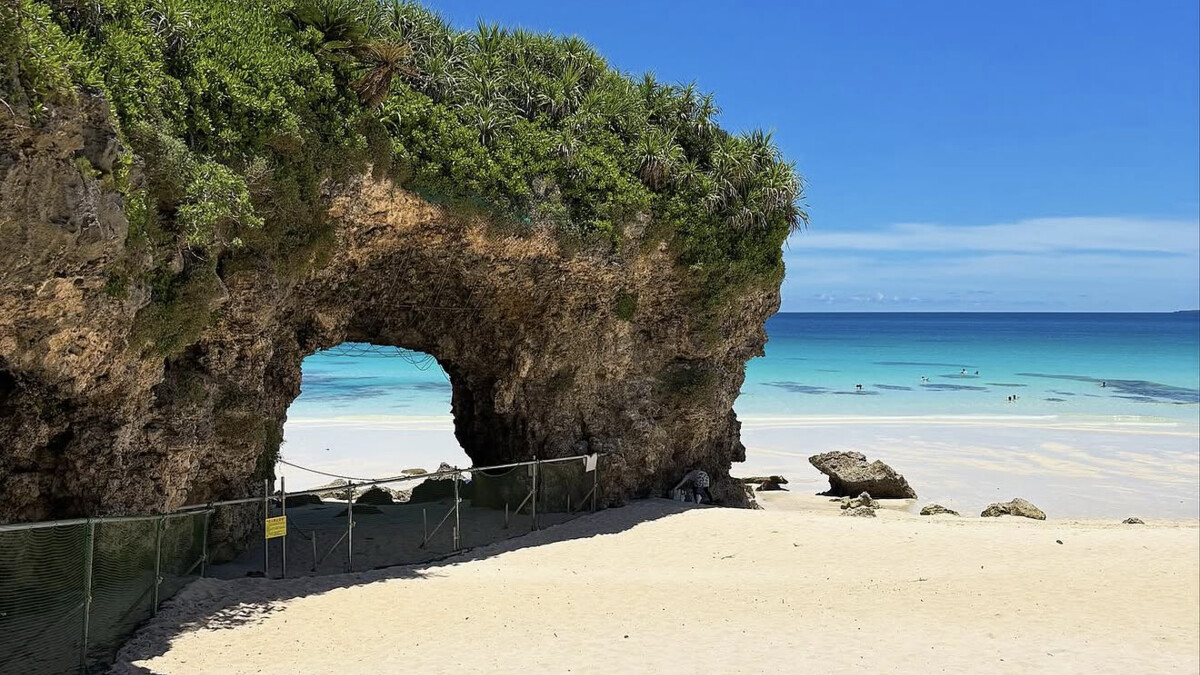
One recent change matters for the photo you came for. The area right at the arch is now fenced off and off-limits at close range because of rockfall and collapse risk, with a protective net installed over it, so you shoot it from a short distance rather than standing underneath. The swimming and the view are unchanged; only the close approach has gone.
Practical notes that save the trip: it sits about 10 to 15 minutes by car north of Miyako Airport, the car park is free, and there are basic toilets but no shop, so bring water. The dune walk down is steeper than the five minutes suggests, with steps that get slippery after rain, so wear something better than flip-flops. For the sunset frame everyone comes for, arrive 30 to 40 minutes before the listed sunset time to claim a spot, because the arch faces roughly west and the small beach fills fast on clear evenings.
Manza Beach: a reef-protected resort crescent on the main island
Manza in Onna is the central main island's standout for an easy base. It is a reef-protected crescent with almost no waves, a netted swimming area, and the dramatic Cape Manzamo cliff just to the north. It fronts the ANA InterContinental Manza Beach Resort, which makes it the convenient choice if you want a hotel a short drive from Naha.
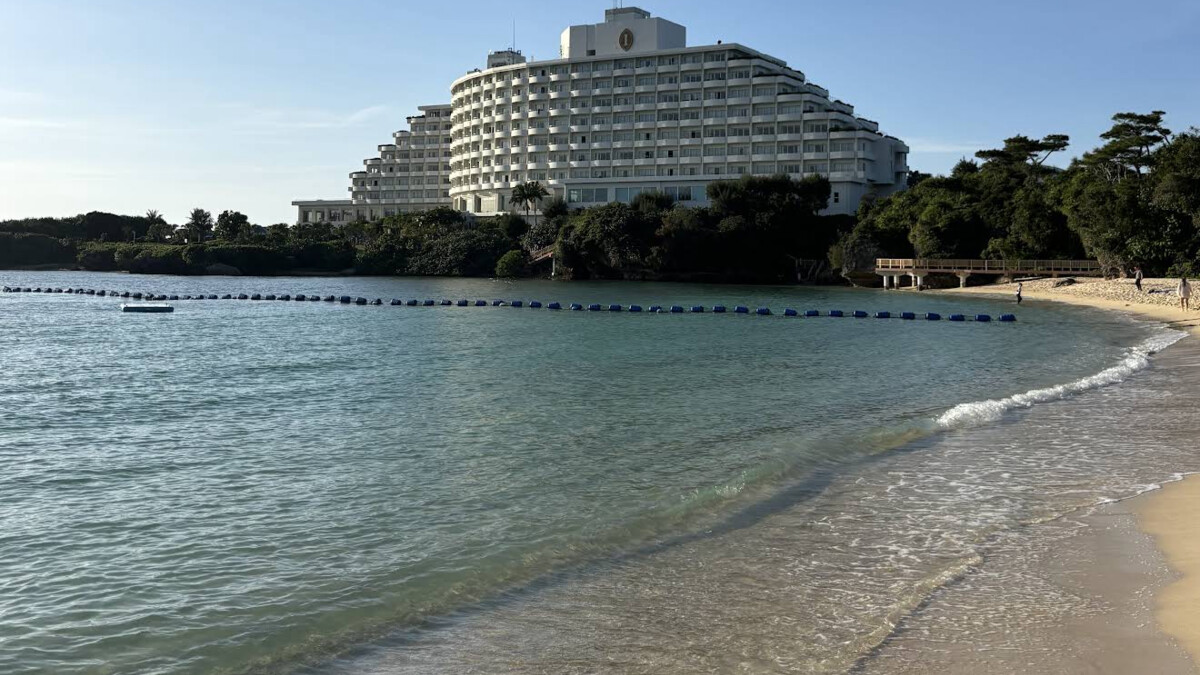
The resort runs a Manza Ocean Park inflatable water park from about 09:00 to 18:00 on a paid day-use ticket of around 3,500 yen, and offers day-use beach activities, though non-guest access policies can shift season to season, so confirm with the resort before you build a day around it. The sand quality here rivals headline beaches elsewhere in Asia while keeping the crowds down, much like the white stretches in our best beaches in Bali guide but calmer and more sheltered.
Hateno Hama: an uninhabited sandbar ringed by transparent water
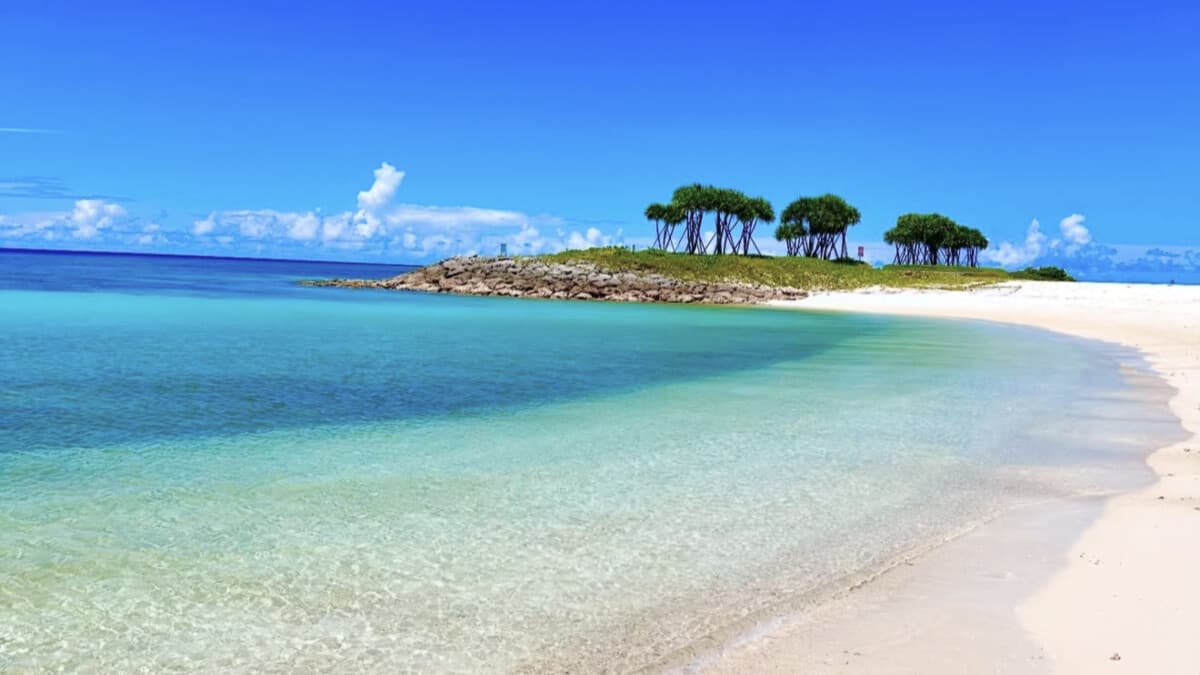
Hateno Hama off Kume Island is the single most surreal swim on this list, a roughly 7km uninhabited sandbar made of three spits, surrounded 360 degrees by transparent shallow water with no buildings in sight. There are no permanent facilities, so this is a planned trip, not a wander.
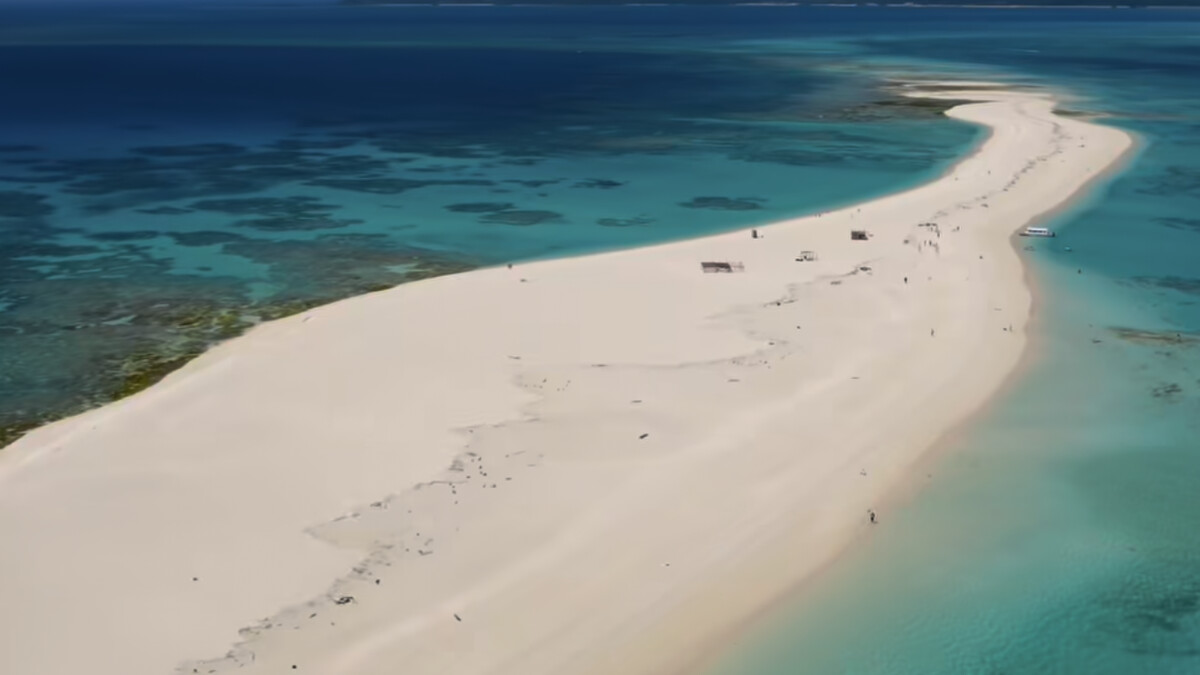
Access is boat-only, with tours leaving from Kume, most from Tomari Fisharena near Eef Beach, and advance reservation is strongly recommended. Tours run from about 3,500 yen for a basic landing to 8,000 yen and up for a full day with gear and lunch. Kume itself is reached from Naha by a 35-minute flight or a 3.5 to 4 hour ferry from Tomari Port, with a new high-speed Ocean Jet service to Kume scheduled to start in May 2026 that should cut that crossing sharply.
Yonehara Beach: Ishigaki's drop-off reef for confident swimmers
Yonehara is Ishigaki's go-to snorkelling reef, with coral just metres off the sand and a dramatic offshore drop-off that confident swimmers love. The reward is real, but so is the risk: this is a natural beach with no lifeguard.
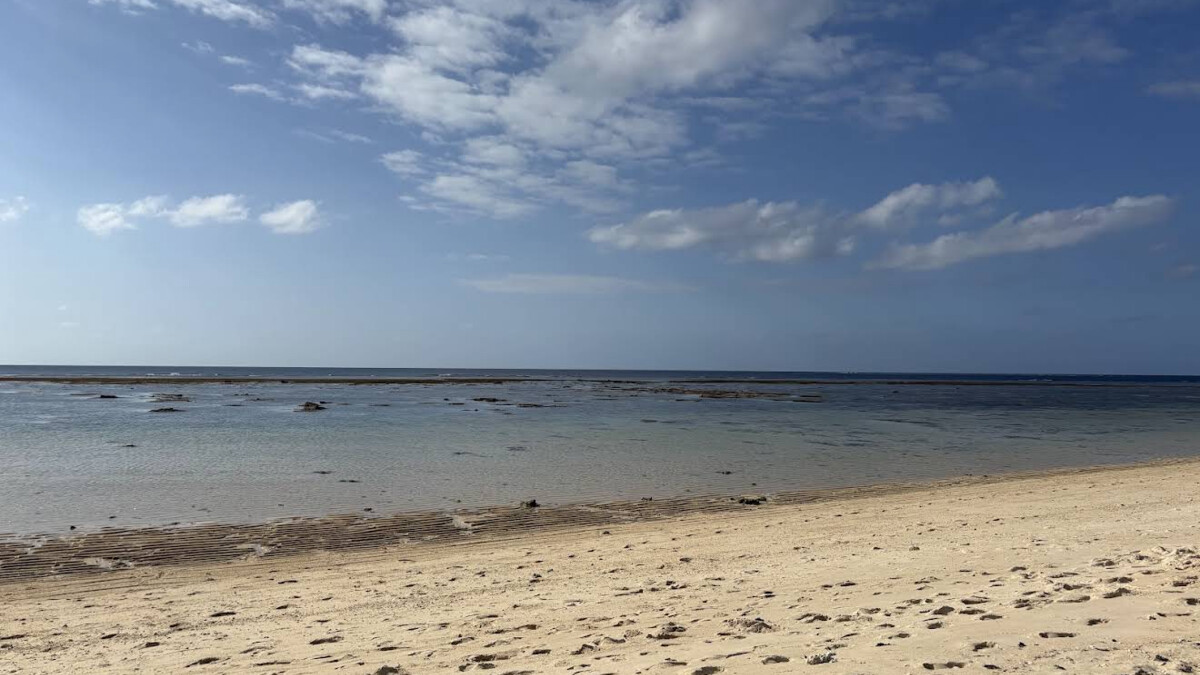
Strong rip currents run offshore, especially around high tide and when the tide turns, and accidents happen here every year. Wear a life jacket and reef shoes, snorkel with someone, and stay inside the inner reef unless you genuinely know the conditions. There is no entry fee and a small free car park, but no lifeguard tower and no gear hire on the sand, so bring your own mask and fins or rent in town first. The reef edge is roughly 100m out, and it is worth timing your snorkel for the calmer hour or two either side of high water rather than the turning tide. It is the best shore reef on Ishigaki and also the one that asks the most respect. For a sense of how a famous protected reef compares once access rules tighten, our Maya Bay review covers the same trade-off between a headline reef and the limits put on it.
Which Okinawa beach is right for your trip
Match the beach to the trip, not the trip to the list. For the clearest water and a swim you will remember, fly to Miyako for Yonaha Maehama and Sunayama. For shore snorkelling without a boat, take the fast ferry to Kerama for Furuzamami, or stay overnight at Aharen. For variety, mantas and dramatic scenery, base on Ishigaki, using Sukuji for calm family days, Yonehara for the reef, and Kabira for the view.
Timing is the other half. The sea is comfortable from late March to October, but the Habu box-jellyfish advisory runs June 1 to September 30, so swim inside netted zones in summer and carry vinegar. Typhoon season spans June to November and peaks in August and September, which is why late April to May and October to November give you the best mix of warm water and low storm risk. If the main island is all you can fit, Emerald and Manza deliver netted, low-effort swims a short drive from Naha.