Bali's reputation as a beach paradise is so deeply embedded in travel culture that it comes with a lot of assumptions. Turquoise water, white sand, cocktails at sunset. And some beaches do deliver exactly that. Others deliver crowded shores, aggressive vendors, and plastic waste washing in with the tide. The gap between expectation and reality in Bali is wider than almost anywhere else in Southeast Asia.
The island has dozens of beaches spread across very different coastlines, and they vary wildly in character. The south coast faces the Indian Ocean with big swells and strong currents. The east coast is volcanic and calm. The north is quiet and rarely visited. Picking the right beach in Bali depends entirely on what kind of day you want, and being honest about what each place actually offers saves a lot of disappointment.
Flights from the UK to Bali take around 15 to 17 hours with one stop, typically through Singapore, Kuala Lumpur, or Dubai. Once you're there, daily costs are low. A comfortable day including meals, transport, and a decent hotel runs 30 to 60 pounds per person, which is part of why the island remains so popular.
Kuta Beach: Best for Surfing and Nightlife
Kuta is where Bali tourism started, and it still pulls in enormous crowds. The beach is long and sandy, the surf breaks are beginner-friendly, and the sunsets are legitimately spectacular. If you want to learn to surf, this is one of the cheapest places in the world to do it. Board rental runs about 50,000 to 100,000 IDR (roughly 2.50 to 5 pounds) per hour, and group lessons start around 300,000 IDR.
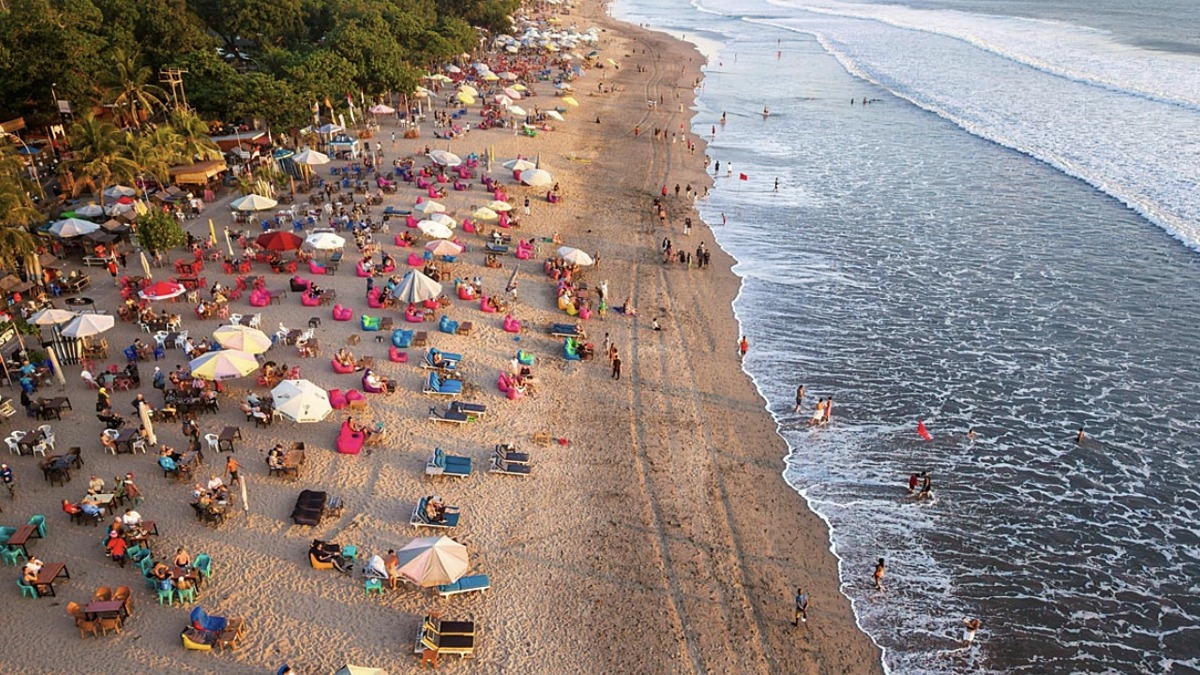
The problems with Kuta are well documented. It's noisy, commercial, and packed with vendors selling everything from sarongs to fake watches. During the wet season, trash accumulates on the sand, and cleanup efforts can't always keep pace. The water quality drops noticeably after heavy rain. Kuta is also ground zero for Bali's party scene, with bars and clubs lining Jalan Legian that run until the early hours.
If you want energy, cheap beer, and accessible surfing, Kuta works. If you want anything resembling tranquility, you need to be somewhere else. The beach is a 10-minute drive from Ngurah Rai airport, which makes it a convenient first or last stop.
Seminyak: Best for Beach Clubs and Food
Seminyak sits just north of Kuta, and the beach is technically the same continuous stretch of sand, but the vibe shifts noticeably. This is where Bali's more upscale beach club scene lives. Potato Head, Ku De Ta, and a rotating cast of trendy spots line the shore, offering pools, cocktails, and DJ sets with sunset views.
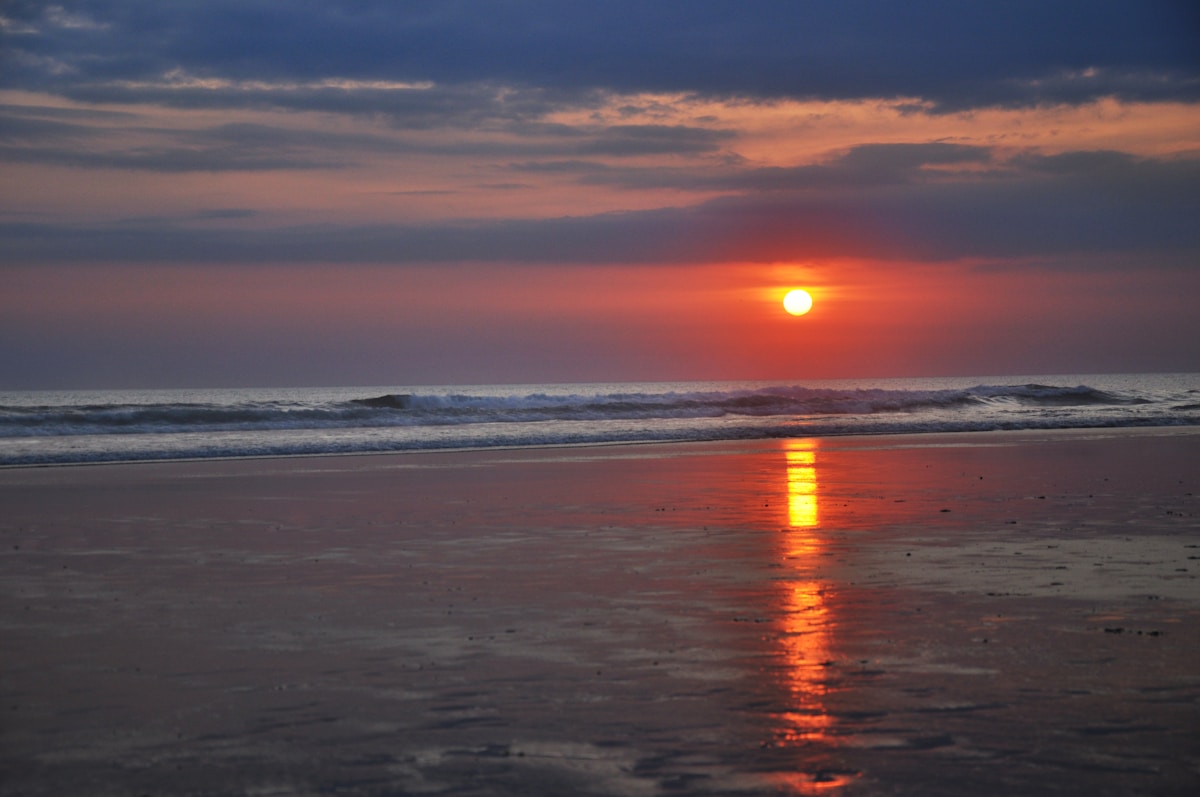
The beach itself has the same limitations as Kuta. Currents are strong, the sand is grey-brown rather than white, and trash can be an issue in the wet months. But the restaurant scene in Seminyak is genuinely excellent. Indonesian, Japanese, Italian, and everything in between, with quality that would hold up in any major city. A good meal for two with drinks runs about 400,000 to 800,000 IDR (20 to 40 pounds).
Seminyak is best experienced as a food and sunset destination rather than a pure beach day. Spend the afternoon at a beach club, eat well, and watch the sun go down. For actual swimming, head elsewhere.
Nusa Dua: Best for Swimming and Resort Comfort
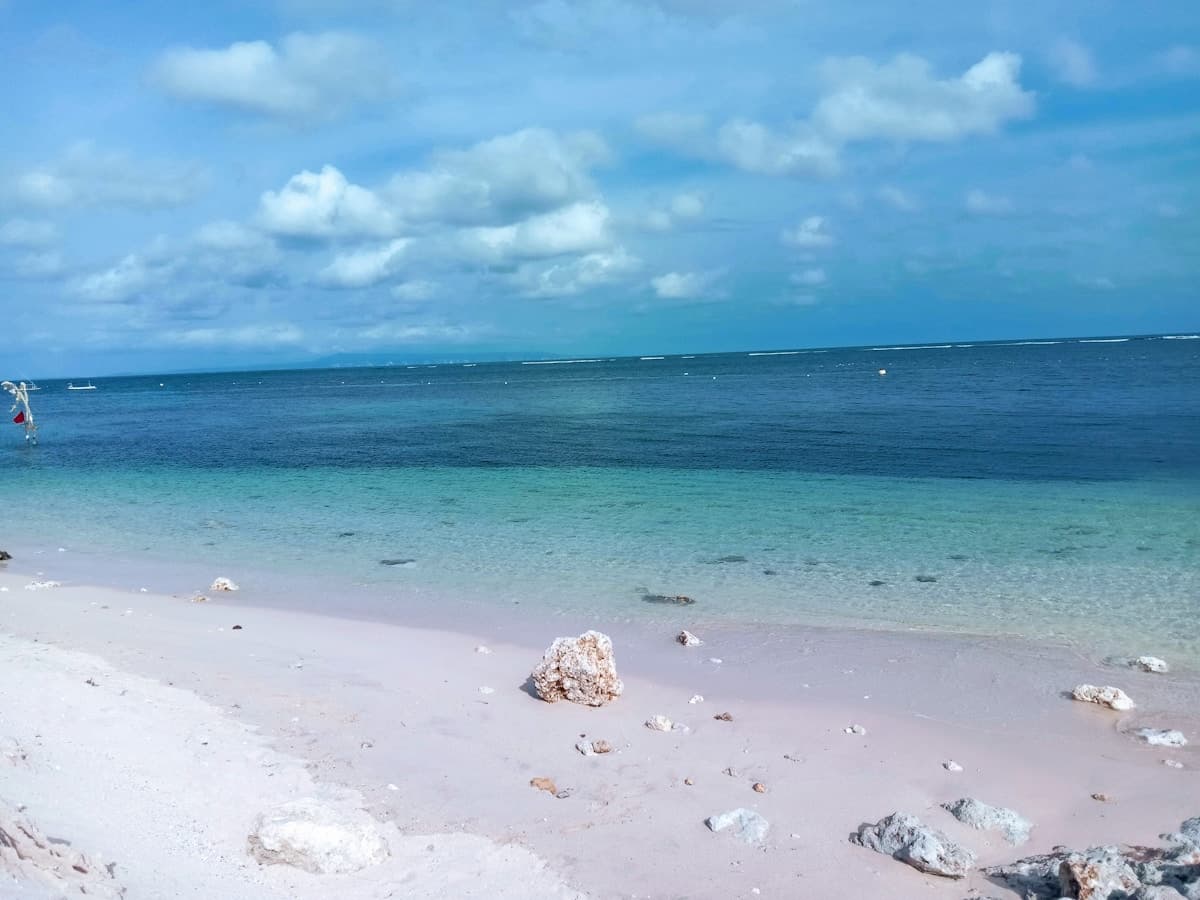
If swimming in calm, clean water is your priority, Nusa Dua is the answer. This gated resort enclave on the southeast coast sits behind an offshore reef that breaks incoming waves, creating a protected lagoon of turquoise water that rarely gets rough.
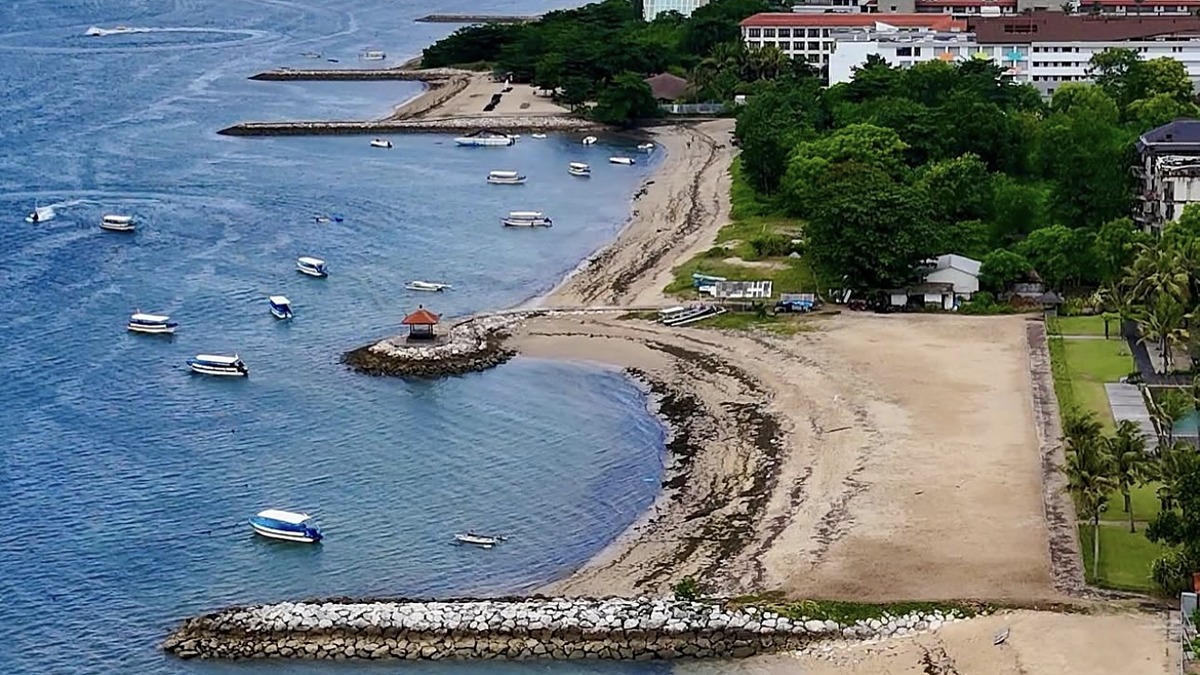
The beaches here are groomed daily. White sand, lined with sun loungers from the resort hotels, and noticeably cleaner than anywhere on the south coast. Water sports are available, from parasailing to jet skis, and there are several decent reef snorkelling spots accessible from the beach.
The catch is that Nusa Dua feels sealed off from the rest of Bali. It's a resort bubble. Restaurants are hotel-priced, the surrounding area is manicured rather than characterful, and you won't get much sense of Balinese culture. But for families who want safe water and reliable comfort, or for anyone who just wants a few days of uncomplicated beach time, Nusa Dua delivers without surprises. Hotels here range from about 80 to 250 pounds per night.
Padang Padang: Best for Scenery
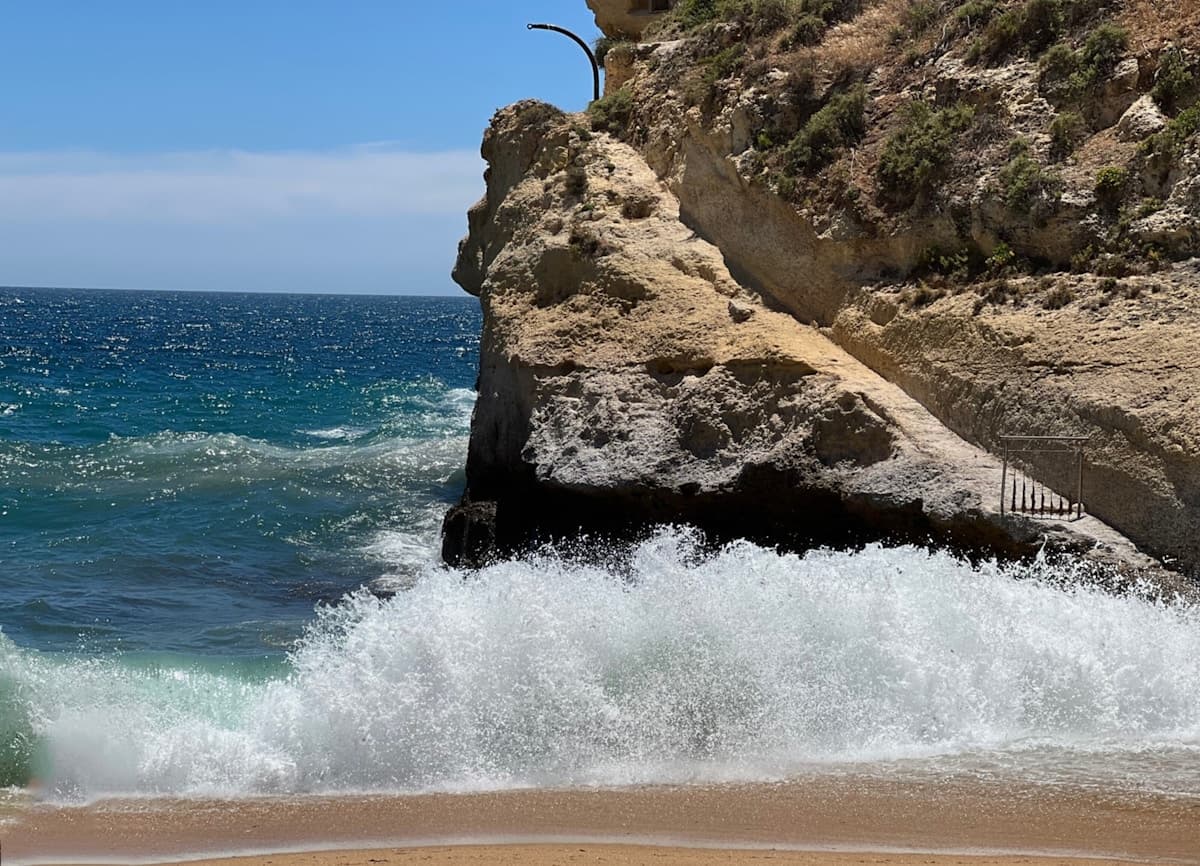
Padang Padang is the small beach framed by cliffs that became famous after the film Eat Pray Love. You reach it by descending through a narrow gap in the rock, and when you step out onto the sand, the setting is genuinely dramatic. Tall limestone cliffs on both sides, clear blue-green water, and a compact stretch of golden sand.
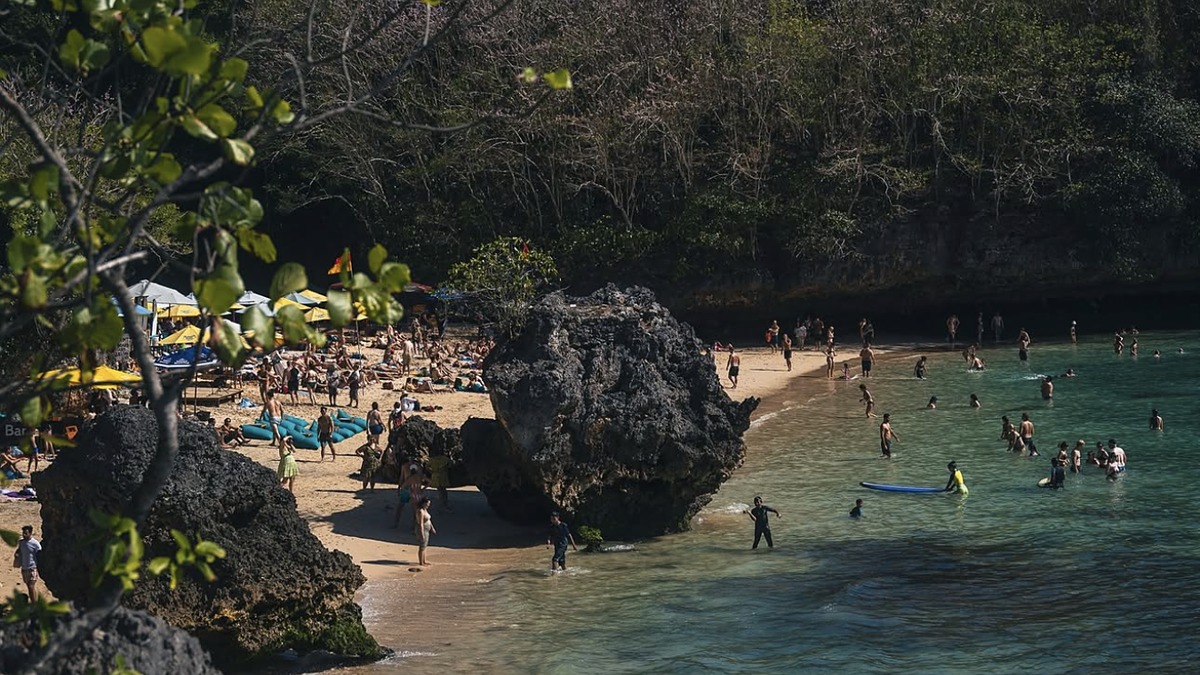
The beach is tiny, though, and it gets crowded quickly. By midday on any dry season weekend, you're essentially sitting shoulder to shoulder. Weekday mornings are better. The water is swimmable when conditions are calm, but the waves can pick up and the rocky bottom requires care. There's a small entrance fee of about 15,000 IDR.
Padang Padang works best as a morning visit. Get there by 8 or 9 AM, enjoy the cliffs and the water before the crowds arrive, and move on by lunch. It's in the Uluwatu area, which has several other cliff-top spots worth exploring, including the famous Uluwatu Temple.
Uluwatu Area: Best for Surf Culture
The Uluwatu coastline on the Bukit Peninsula is Bali's serious surf territory. The breaks here, including Uluwatu, Bingin, Dreamland, and Impossibles, draw experienced surfers from around the world. The waves are bigger and more powerful than Kuta's, and the cliff-top setting adds a raw beauty that the flat south coast beaches can't match.
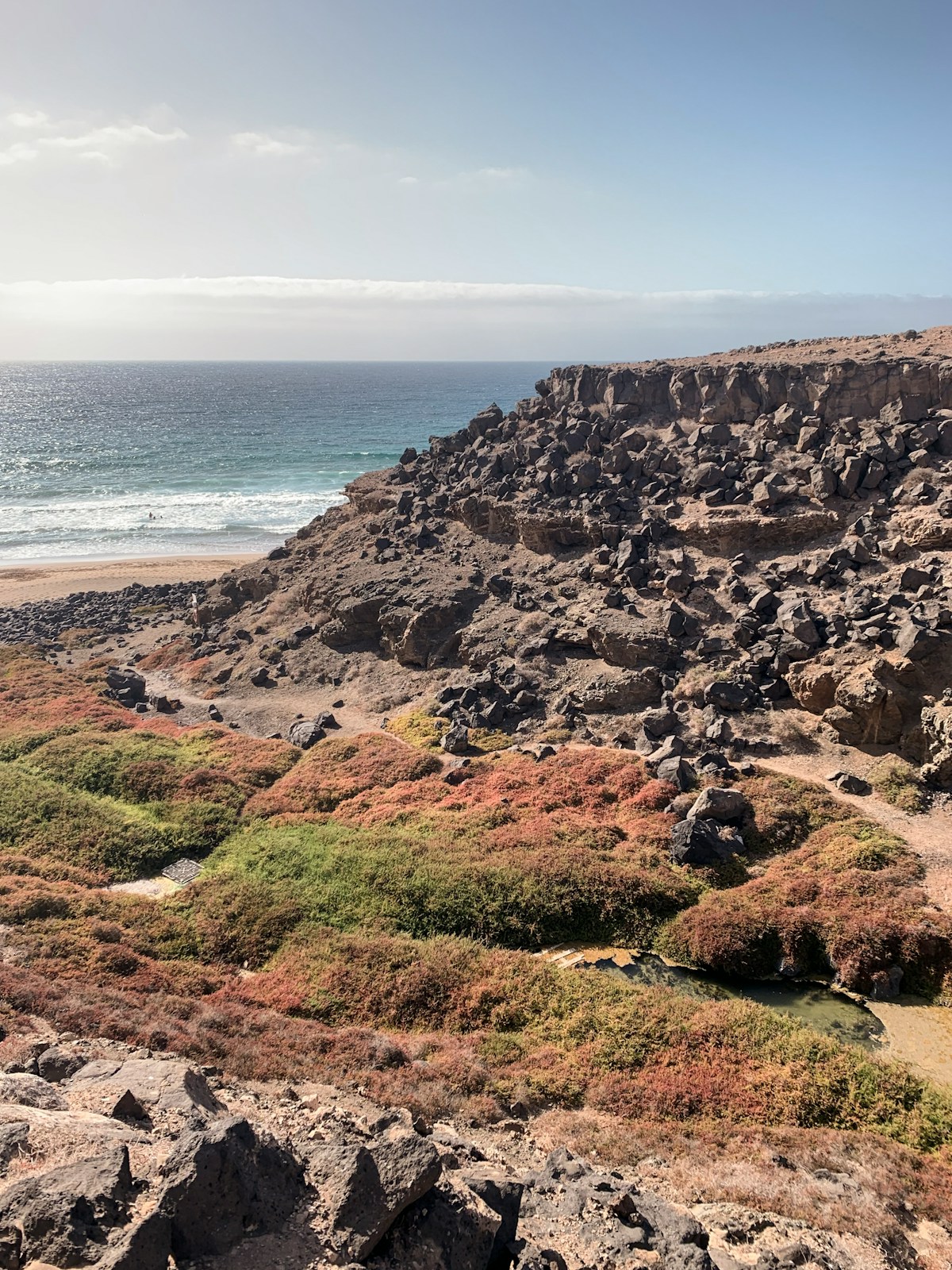
Even if you don't surf, the clifftop warungs (small local restaurants) above the breaks are worth visiting for cold Bintangs and one of the best sunset views on the island. Single Fin is the most well-known, with Sunday sessions that pack out. Accommodation in the area tends to be more low-key than Seminyak or Kuta, with guesthouses and small boutique hotels rather than large resorts. A double room runs 200,000 to 600,000 IDR (10 to 30 pounds) at the budget end.
Access to some of the beaches involves steep cliff stairs, which rules them out for anyone with mobility issues or very young children. But for couples and solo travellers looking for a surf and chill atmosphere, the Uluwatu area is probably the best base in southern Bali.
Sanur: Best for Families and Calm Mornings
Sanur sits on the east side of the south coast, and the contrast with Kuta is striking. The beach is protected by a reef, making the water calm and shallow. A paved beachfront path stretches for several kilometres, perfect for morning walks or cycling. The pace is slower, the crowd is older, and the whole area feels about ten notches calmer than the west coast.
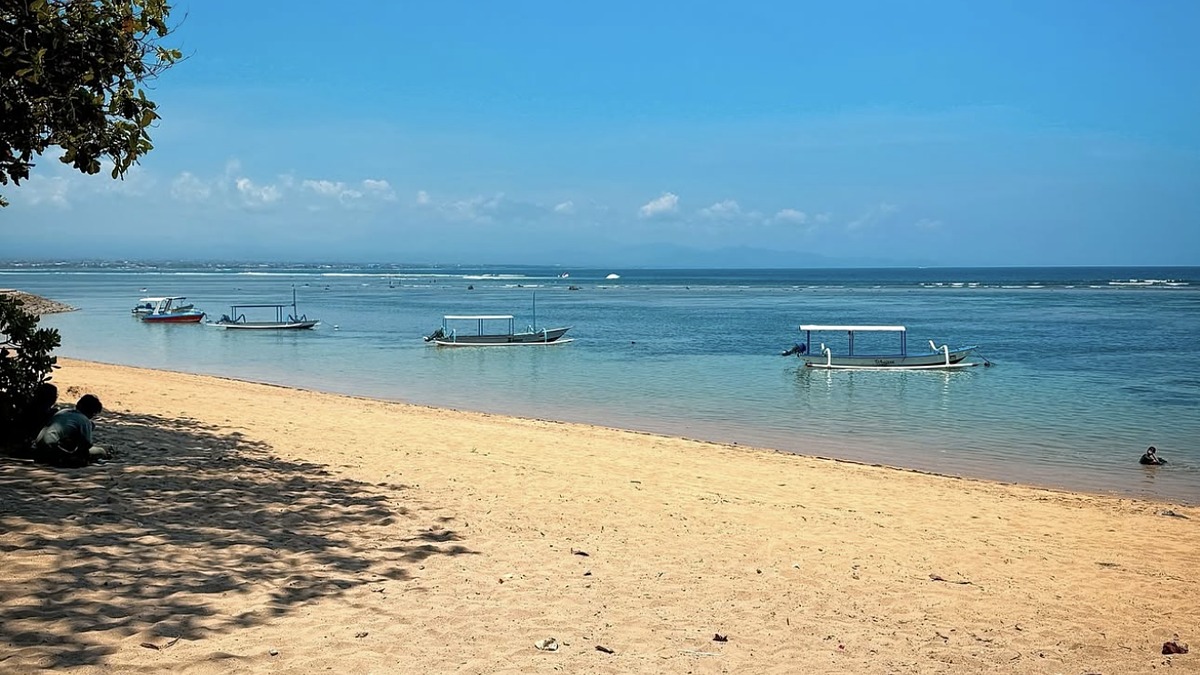
Families love Sanur because the water is safe for small children and the town doesn't have the noise and chaos of Kuta or Seminyak. The beach itself is narrow at high tide, which is worth noting, but at low tide wide sandy flats open up for kids to splash around. Boats to Nusa Penida and Nusa Lembongan depart from Sanur harbour, making it a practical base for day trips to see Kelingking Beach and the dramatic cliff formations there.
Restaurants along the beachfront are reasonably priced, and the town has a mellow evening scene with live music at some spots. Sanur won't excite anyone looking for nightlife or big waves, but it's the most pleasant place in southern Bali for a relaxed beach holiday.
Amed: Best for Snorkelling and Quiet
Amed, on the northeast coast, feels like a different island entirely. The drive from the airport takes about two and a half hours, which filters out the day-trippers. What you find is a string of small fishing villages along a black volcanic sand coastline, with Mount Agung rising behind and some of the best snorkelling on the island just offshore.
The Japanese shipwreck, a patrol boat sunk during World War II, sits in shallow water close to Amed beach and is accessible to snorkellers, not just divers. Coral is healthy here compared to the damaged reefs in the south, and you'll see plenty of tropical fish without getting on a boat. Freediving has also taken off in Amed, with several schools offering courses.
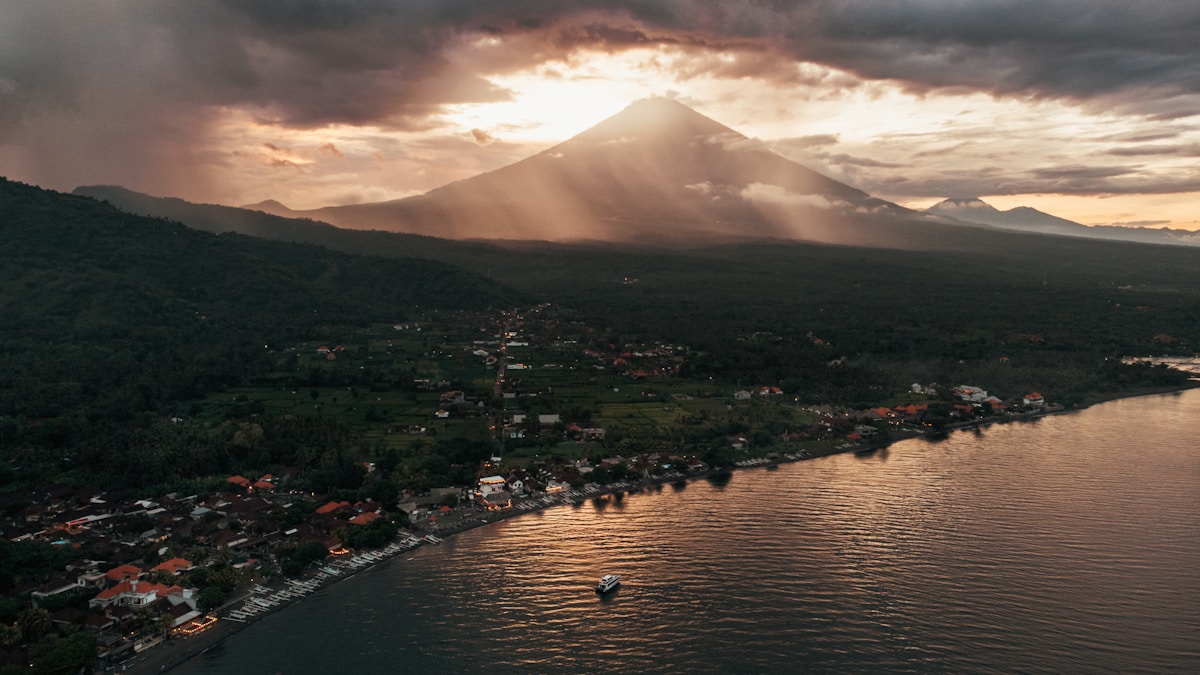
Accommodation is budget-friendly. Simple beachfront bungalows start around 150,000 IDR (about 8 pounds) per night, and a fresh fish dinner at a beachside warung costs almost nothing. The trade-off is that there's not much to do after dark, and the beach itself is pebbles and coarse volcanic sand rather than fine white powder. If you want peace, good snorkelling, and local character, Amed is the best value beach destination in Bali. Most visitors looking for crowd-free beaches and genuine calm should put Amed at the top of their list.
Lovina: Best for Something Completely Different
Lovina on the north coast is Bali's quiet corner. The beach is black sand, the water is calm, and the main attraction is sunrise dolphin-watching trips. Local fishermen take small boats out before dawn to find pods of spinner dolphins, and sightings are common from April to October. A boat trip runs about 150,000 IDR per person.
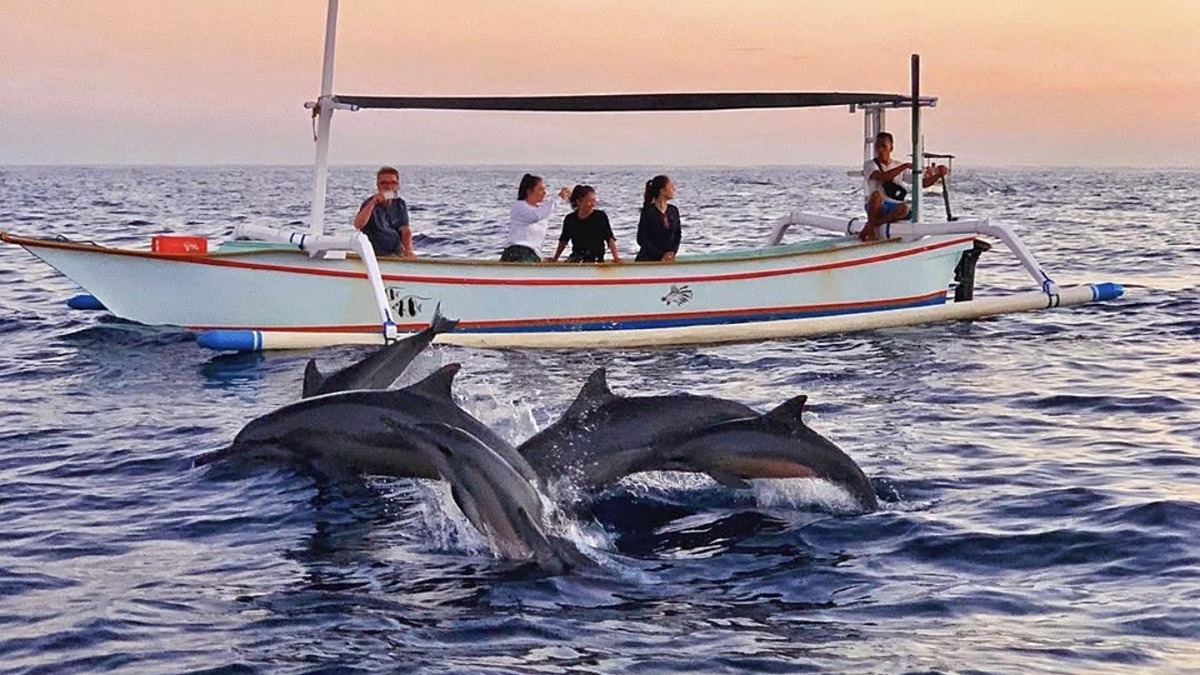
The beach itself is pleasant but unremarkable. Calm water for swimming, minimal crowds, and a stretch of waterfront restaurants serving decent food at genuinely local prices. Lovina feels like Bali did 20 years ago, before the southern coast became an international tourism machine. The drive from the airport takes about three hours, which keeps visitor numbers low.
If you've spent time in the noise of Kuta and Seminyak and want a few days of genuine quiet, Lovina resets the pace. It pairs well with a visit to the hot springs at Banjar and the Buddhist temple at Brahma Vihara Arama nearby.
Practical Tips for Bali Beaches
Trash season is real. From November to March, particularly after storms, plastic waste washes up on the south and west coast beaches. Kuta, Seminyak, and Legian are worst affected. East coast and north coast beaches see far less of this problem. If you're visiting in wet season, plan your beach days on the eastern side of the island.
Rip currents are a genuine hazard on south-facing beaches. Swim between the red and yellow flags where lifeguards are present, and don't assume calm-looking water is safe. Multiple drownings happen every year at Bali beaches.
Scooter rental is the most common way to get around, at about 70,000 IDR (3.50 pounds) per day. But Bali traffic is intense, and accidents involving tourists on scooters are extremely common. If you're not an experienced rider, use Grab (the local ride-hailing app) or hire a driver for the day, which costs about 500,000 to 700,000 IDR and removes all the stress.
Sun protection is essential. Bali sits 8 degrees south of the equator, and the UV index is extreme. You will burn faster than you expect, even on overcast days.
Bali's beaches cover a huge range, from the rowdy surf-and-party scene at Kuta to the volcanic calm of Amed. The island earns its reputation, but only if you choose the right beach for what you actually want. Skip the Instagram assumptions, check what the water and crowds are really like, and you'll find spots that genuinely deliver. For more ideas across the region, our guide to the busiest beaches in the world puts Bali's crowds in perspective.