Most travel articles will tell you to snorkel at Kaanapali Beach because the name has 50 years of marketing behind it. The beach right next door, Kahekili, gets a quieter mention in the same articles, almost as an afterthought. The afterthought is the better beach. Kahekili sits just north of Kaanapali, has its own fringing reef directly off the sand, free parking that Kaanapali does not have, fewer people, and the rare experience in winter of being able to hear humpback whales singing underwater while you swim. The "Airport Beach" nickname is leftover from a small commuter airstrip that closed in 1986. The beach is now what it always was: a cleaner, easier, less-marketed version of the famous one next door.
Where Kahekili Sits, and the "Airport" Story
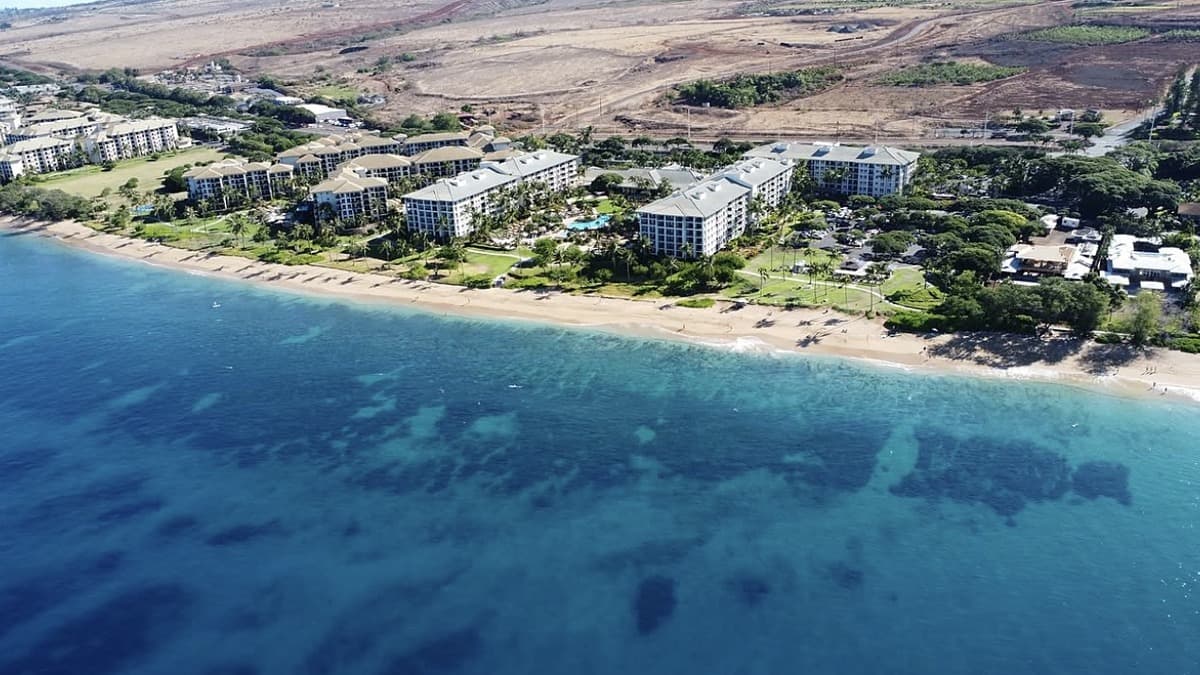
Kahekili Beach Park is on West Maui, in the Kaanapali resort area, around 45 minutes from Kahului Airport. The drive from town runs along Honoapiilani Highway through Lahaina. Kahekili sits at the north end of the Kaanapali strip, just past the famous Black Rock landmark.
The "Airport Beach" name comes from the Kaanapali Airport, a small commuter airstrip built directly behind the beach in 1965 to serve the new Kaanapali resort. The runway handled inter-island flights for around 20 years before being closed in 1986. The land was reabsorbed into the resort area, the runway was removed, but the nickname stuck. Older guidebooks and most local conversation still use Airport Beach. The state park signage uses the proper Hawaiian name, Kahekili (named after the chief of Maui in the late 1700s).
The West Maui Context in 2026
Lahaina town centre was destroyed in the August 2023 wildfires, with the historic Front Street area lost and significant casualties. The Kaanapali resort area, including Kahekili Beach Park, sits roughly five miles north of Lahaina and was not directly affected. The beach, the parking, the snorkelling, and the resort facilities are all open and operating in 2026.
Visiting West Maui now is part of the recovery, since tourism revenue funds the rebuild. Drive through Lahaina with respect, support Maui-owned businesses where you can, and treat Kaanapali as you would any open destination. The Lahaina rebuild is ongoing through 2027 and beyond, but the beaches were never the question.
What the Snorkelling Actually Delivers
The reef at Kahekili sits a few yards offshore in 5 to 25 feet of water. You can walk in from the sand, fin out for two minutes, and be over reef. There is no long swim required. The fringing reef extends along the entire length of the beach and the marine life is dense because the area is part of the Kahekili Marine Life Conservation District, which means no fishing and no collecting.
What you actually see: Hawaiian green sea turtles routinely (the reef is a turtle cleaning station and they cycle through every hour or so), parrotfish working the coral, butterflyfish, moorish idol, goatfish, the occasional octopus and moray eel in the deeper rocks. Visibility is best in the morning before the trade winds pick up after about 10am. Bring reef-safe sunscreen since anything else is enforced state-wide.
The reef has a sandy bottom near the entry point and gets rockier further out. Beginners can stay close to shore and still see plenty. More confident snorkellers can swim along the reef line in either direction; the further south toward Black Rock the more dramatic the underwater terrain becomes.
Whale Song Under the Water
This is the Kahekili thing nobody tells you about. From roughly December through March, Maui sits in the heart of the Hawaiian humpback whale breeding and birthing zone. The males sing underwater, complex repeating songs that travel for miles through ocean. While snorkelling at Kahekili in winter, you can hear them clearly. The sound is louder than most people expect and covers a wide pitch range. Sometimes the singing whale is half a mile out; sometimes you might see a whale breaching on the horizon while hearing the song underneath you.
You do not need any special equipment. A normal snorkel mask and a calm winter morning are enough. This is one of a handful of Hawaiian beaches where the experience is reliable rather than lucky, and most visitors in winter notice it without trying.
Facilities and the Practical Side
Kahekili Beach Park has the full setup most West Maui beaches do not. Free public parking, a large grassy park behind the sand, picnic gazebos with concrete tables, BBQ grills, restrooms, outdoor showers for rinsing salt off, and the Kaanapali Beach Walk path that runs all the way south to Kaanapali Beach if you want to walk the strip without driving. There is no formal lifeguard tower at Kahekili itself, though Kaanapali Beach next door has one and is a short walk south.
The parking lot is large and rarely fills, even on summer weekends, which is unusual for West Maui where most beaches require resort guest passes or charge for parking. Free parking and no time limit is one of the main practical reasons to drive past Kaanapali and use Kahekili instead.
Should You Make the Trip?
Yes. If you are staying in Kaanapali, walk the few minutes north and snorkel at Kahekili instead of fighting for space at Black Rock. If you are staying anywhere else on Maui, the drive out for the morning is justified by the combination of free parking, easy reef access, reliable turtle sightings, and the winter whale song that no other reasonable beach delivers.
Kahekili pairs well with the wider West Maui day. Snorkel here in the morning, drive 30 minutes north to Honolua Bay (a marine reserve known for clearer water but harder access) for an afternoon, and finish with sunset at Kapalua. We will have a Honolua Bay review and a wider West Maui guide soon. For the post-fire West Maui context and the broader Hawaii picture, see our Best Beaches in Oahu and Best Beaches in Kauai guides for how the islands compare.