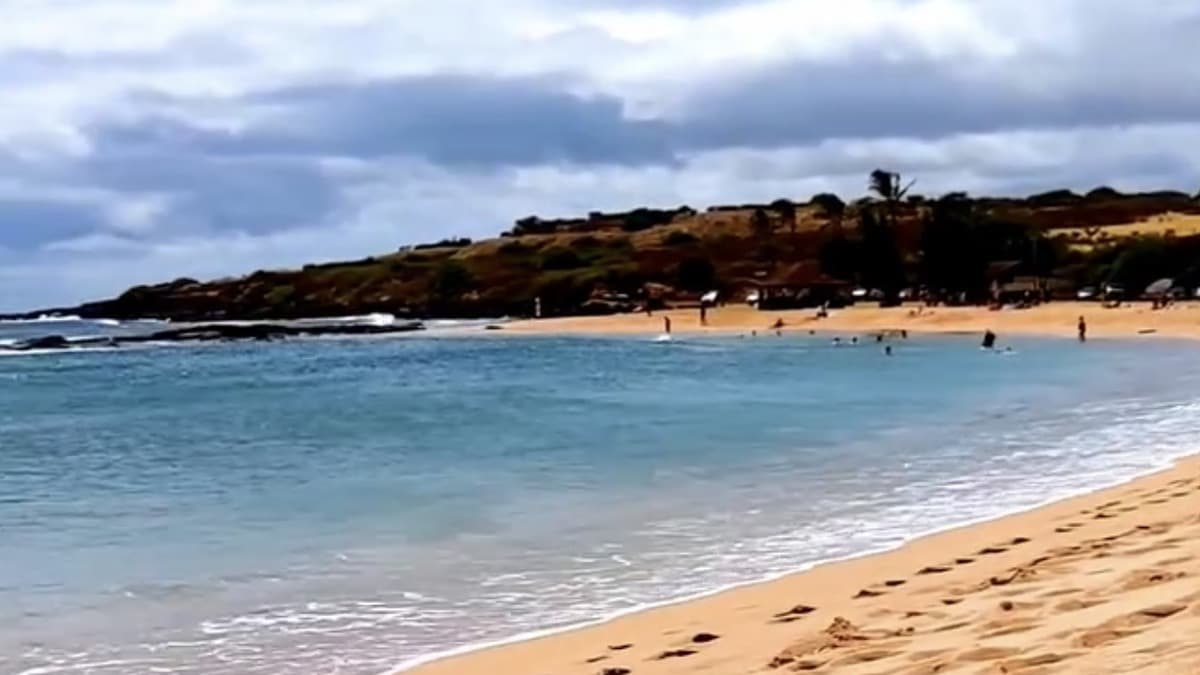
The west shore of Kauai does not get the marketing the North Shore does. Most visitors drive past Hanapepe on their way to Waimea Canyon, see the small town and the sugar-cane fields stretching toward the ocean, and never stop. They miss Salt Pond Beach Park, a crescent-shaped cove with a reef so well-positioned that the water inside swims like a heated pool, lifeguards on duty year-round, and a working salt patch beside the sand where Hawaiian families still harvest sea salt by hand the way their ancestors did three hundred years ago.
This is the locals' beach. It is also one of the most genuinely useful family beaches on the island, especially in winter when the North Shore closes and the south shore gets busy.
What the "Salt Pond" Actually Is
The name is literal. Adjacent to the beach are a series of clay-lined shallow evaporation pans dug directly into the red soil, into which ocean water is pumped and then left to dry under the west-shore sun. As the water evaporates over weeks, it leaves behind crystallised sea salt called pa'akai in Hawaiian. The Hanapepe Salt Patch is one of the last places in the state where this is still done at all, by a small number of native Hawaiian families who hold traditional rights to work the ponds.
Salt-making here happens roughly May through October, when the dry months allow the evaporation cycle to complete. If you visit in this window, you may see the orange-pink crusts forming in the pans on the access road as you drive in. Look, photograph respectfully from the road, but do not enter the salt-making area. It is privately worked and culturally significant. Some of the salt produced here is used in religious ceremonies, some is given as gifts within the community, and a small amount is sold locally.
The salt is not the reason to come, but it changes what the beach feels like. You are visiting a place that is still being used as it always has been, by people whose ancestors built the ponds before any tourist had heard of Kauai.
The Beach Itself
The cove at Salt Pond is about 200 yards across, with rock points at either end and a fringing reef that runs across the mouth. The reef does the work of breaking the open Pacific swell, and what reaches the inner sand is gentle, shallow, and clear. On a calm day the water is glass and the sandy bottom is visible the entire way across.
The eastern end of the cove has the shallowest section, which warms up faster than the rest of the bay and is where families with toddlers tend to set up. The deeper middle section is fine for moderate swimmers and gets enough movement to stay clear. The far western edge gets a bit more current near the reef gap and is where small reef fish concentrate, making it the local snorkelling spot.
What this beach is not: a surf beach, a body-surf beach, or a place to test yourself. It is calm by design. Locals come here exactly because it is calm, and it is calm exactly because the reef is doing the right work.
Lifeguards and Why That Matters
Salt Pond is one of only two lifeguarded beaches on the entire west side of Kauai. Lifeguards staff the tower from 9am to 5pm daily, and they take their job seriously here because it is genuinely a family beach with toddlers in the water. Check in with them when you arrive, especially if you have small kids; they will tell you which corner of the cove is the best for the day's conditions and where the current is moving.
This is also the beach where Hawaiian monk seals haul out semi-regularly. If a seal is on the sand when you arrive, the lifeguards or volunteer monitors will have set up a rope perimeter, and you should stay outside it (50 feet is the federal rule). Monk seals are critically endangered, and the rangers will fine people who get too close. Sea turtles cruise through the bay several days a week and are visible from the sand.
Camping, Facilities, and the Practical Side
Salt Pond is one of a handful of Kauai county parks that allows camping. The campground sits under the ironwood trees behind the beach, with picnic tables, BBQ grills, drinking water, restrooms, and outdoor showers. A permit from the County of Kauai is required, currently 3 USD per adult per night for non-residents, bookable online. Sites can fill on summer weekends and around major holidays but are otherwise easy to get.
If you are not camping, the park is still well-equipped for a day. The lot has space for around 50 vehicles, the showers are useful for rinsing salt out of hair before the drive back, and shaded picnic huts handle the lunch problem. Hanapepe town is five minutes away if you forgot food; it has a few small grocery shops, a famous Friday-night art walk, and the Hanapepe Swinging Bridge if you want to wander after the beach.
When to Come and What to Bring
Salt Pond is genuinely year-round. The reef shelter means the beach stays useable through winter when most North Shore beaches close. Mornings before the trade winds pick up are the calmest. Avoid the day after heavy rain because runoff from the Hanapepe River can muddy the water briefly. Summer afternoons can get warm and the shaded picnic huts fill up; arrive earlier on weekends.
What to bring: reef-safe sunscreen (this is enforced state-wide in Hawaii), a snorkel mask if you want to see the fish at the western reef, water shoes if you have sensitive feet (the bottom is mostly sand but has occasional rocks near the reef), and a beach umbrella since shade outside the picnic huts is limited.
Should You Make the Drive?
Yes, especially in winter and especially if you have small kids. Salt Pond is the most reliable family swim on Kauai's west shore and one of the calmest swims on the entire island. The salt-making patch beside the sand makes it culturally interesting in a way that most Hawaiian beaches no longer are. And the local feel, with families using the BBQ grills and aunties in beach chairs and kids in the protected pool, is what visitors usually claim they want from Hawaii but rarely actually find.
For wider context on how Salt Pond fits into the rest of Kauai's coast, including the North Shore alternatives that close in winter, see our Best Beaches in Kauai guide.