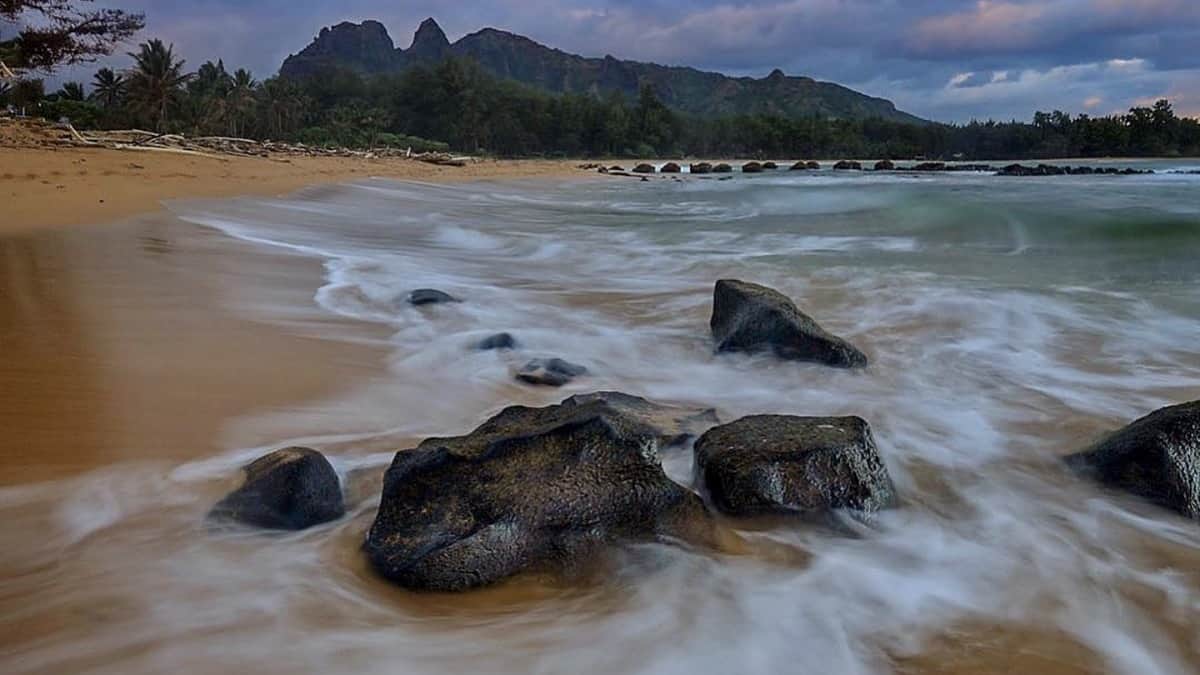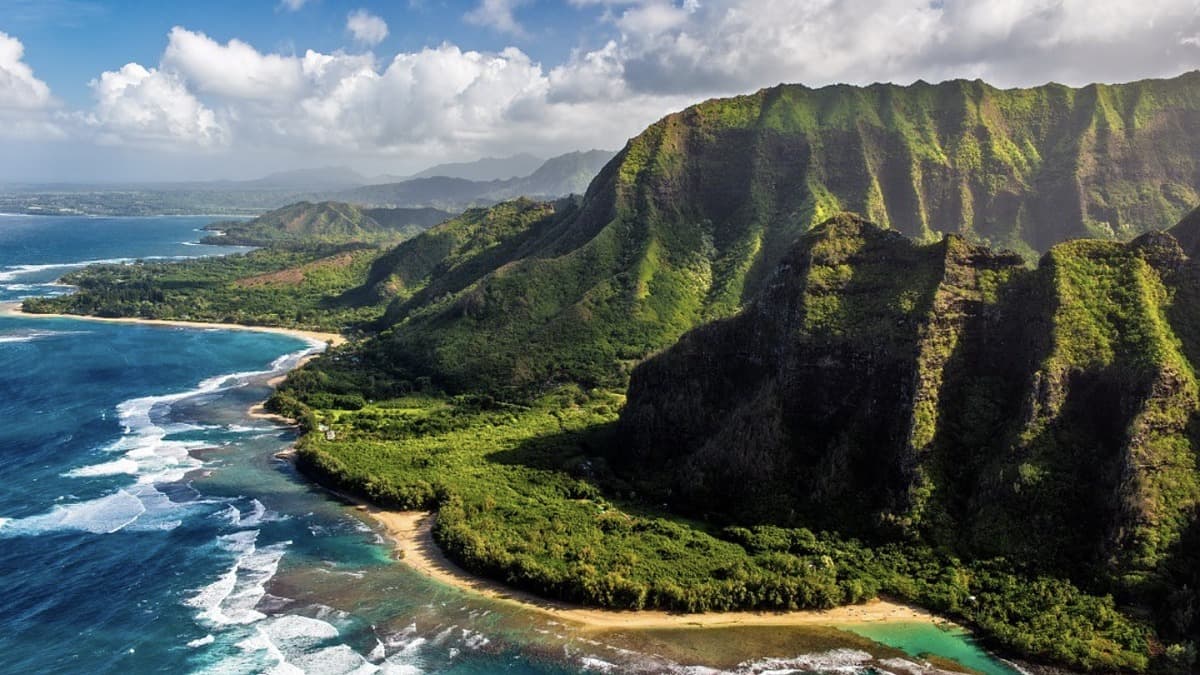
Drive west on Kauai's North Shore for long enough and the road runs out. Kuhio Highway crosses one last bridge, narrows past Ha'ena, and ends at a small parking lot with a beach beyond it and a wall of green cliffs behind. That beach is Ke'e, the Hawaiian word means "to dodge" or "to avoid", and it sits at the place where the Na Pali coast begins and 15 miles of unroaded shoreline stretches out beyond it. Stand on the sand at sunset and you can see exactly why people fly to Kauai.
You also need to plan harder than most travel pages will admit, because Ke'e in 2026 is not a beach you drop in on.
The End of the Road, and Why That Matters
Kauai is the only main Hawaiian island where the highway does not loop. Three quarters of the coast has road access; the last quarter, the Na Pali, does not. Ke'e is where that boundary sits. Walk to the eastern end of the beach and the Kalalau Trail goes up the bluff and continues along the cliffs. Drive any further west and you cannot, because the pavement ends at the parking lot.
This geography does two things. It compresses every visitor onto one small beach (which is why the reservation system exists), and it produces a particular feeling at sunset that almost no other beach in the state has. The cliffs catch the last light from the side, the trail goes silent at dusk, and the reef-protected lagoon glows in the last orange before the night swallows it.
The Reservation Reality
You cannot park at Ke'e without an advance reservation. This has been true since 2019 and is more strictly enforced every year. The system runs through gohaena.com, opens 30 days before your visit, and sells out fast in summer. Rates for non-Hawaii residents are 10 USD per vehicle (parking, which includes entry for everyone in the car) or 5 USD per person walk-in. Hawaii residents enter free with photo ID.
The daily cap is 900 visitors. There are no same-day tickets, no rolling release, and the rangers at the gate turn unreserved cars around. The North Shore Shuttle from Waipa Park-and-Ride is the second option for non-residents who do not want to compete for the 30-day-out parking lottery, runs roughly 35 USD round trip, and is bookable through the same site.
If you are flying in less than 30 days from now and the gohaena.com calendar is already booked solid for your dates, the shuttle is your fallback. If both are gone, you do not visit Ke'e on this trip.
What's Actually Inside the Reef
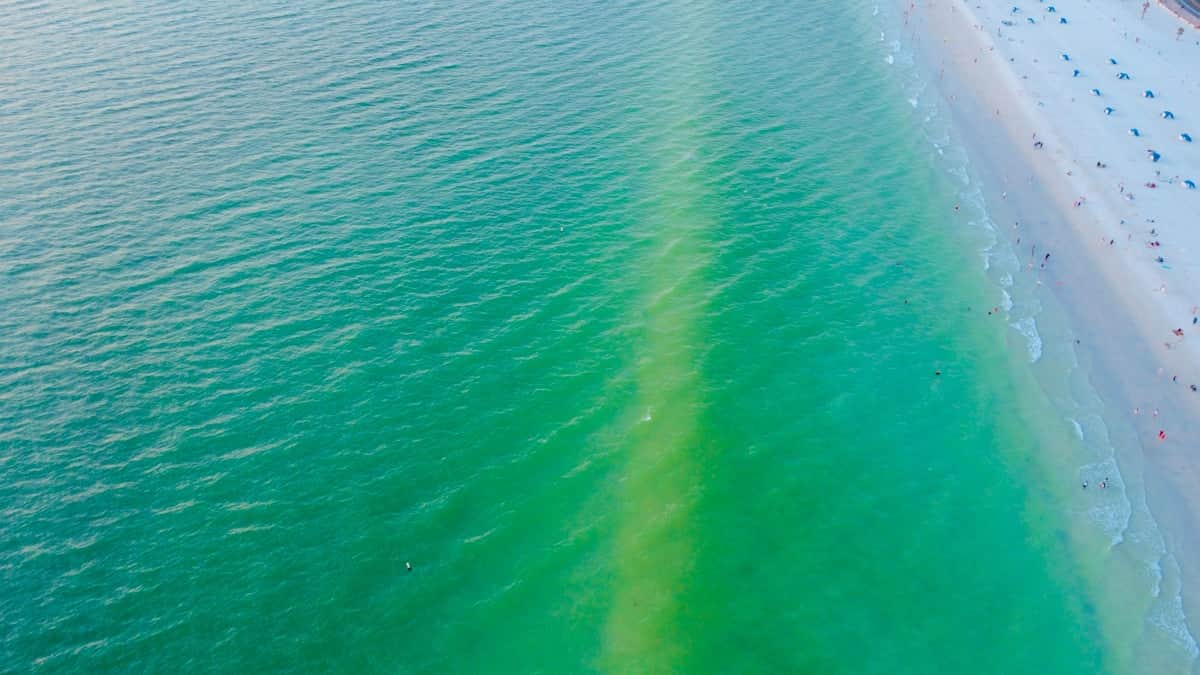
The lagoon at Ke'e is a horseshoe of fringing reef enclosing a small bowl of waist-deep water. In a calm summer it is one of the most genuinely swimming-pool-like ocean swims in Hawaii. The bottom is sandy with patches of reef, visibility is often 30 feet, and reef fish work the corals at the inner edges. Sea turtles do show up, monk seals occasionally haul out further up the beach, and on a quiet weekday morning you can have the inside half of the lagoon to yourself.
The catch is that "calm summer" is doing a lot of work. The lagoon only stays this gentle when North Pacific swells are quiet. From October through April, winter swell tops the reef, turns the inner water into murky chop, and makes swimming unsafe. May and October are transition months that flip day to day. Check the lifeguard report on the morning of your visit, not the night before.
The Channel That Has Killed People
At the west end of Ke'e, the reef has a narrow gap where lagoon water funnels back out to the open sea. This is the reef channel. On any tide that is moving, the current runs hard through this gap, and on a strong outgoing tide it is genuinely dangerous. Visitors who get pulled into the channel and panic have been swept past the reef into the open Pacific.
The fix is simple: stay east of the channel. The lifeguards mark it on most days. If you find yourself drifting west toward the cliff at the end of the beach, swim back along the reef line, not through it. Do not try to "explore" the channel, even if the water looks blue and inviting outside it.
The 2026 Construction Issue
This is the part most travel guides are not yet flagging clearly. Ha'ena State Park has construction scheduled to begin in May 2026 and run through Spring 2027. The work involves access infrastructure (the bridge, the road end, the parking system), and the practical impact on Ke'e Beach itself is not yet fully published.
What this means for your trip: check gohaena.com for current status the week of your booking, because partial closures, reduced parking allocations, or shuttle-only access could be in effect at any point during the construction window. If Ke'e is the single reason you are flying to Kauai in 2026, build a flex day into your itinerary in case access is restricted on your planned date.
Sunsets and the Kalalau Trail
The third reason people come to Ke'e is sunset, and it is the only one that is reliably year-round. From September through April, the sun sets in the west and the side-light hits the Na Pali cliffs at an angle that turns the green into gold and the shadows into deep blue. The beach itself faces north so you do not get an over-water sunset; you get a cliff-light one, which is more dramatic and harder to find anywhere else.
Reservations close at 6:45pm. Time the visit so you are inside the park comfortably before that and walking out at twilight. The Kalalau Trail trailhead is at the eastern end of the beach, and even a short walk up the first hundred yards delivers a view of the lagoon below that justifies the day.
Should You Make the Drive?
Ke'e is worth the reservation in summer. The combination of a genuinely safe lagoon swim, the most photographed sunset on the island, and the Kalalau Trail trailhead in one small spot is unique on Kauai. In winter, the swimming is gone, but the cliffs and the sunset are still the strongest argument on the North Shore.
The thing it is not worth: showing up without a reservation. The gate turns unreserved cars around, the drive back to Hanalei is 40 minutes you cannot recover, and the same time spent at Tunnels (where reservations are not required) gets you a comparable snorkel without the planning overhead.
If you have done the homework, picked the right month, watched the swell forecast, and your reservation is confirmed, Ke'e delivers. If any of those four are off, pick a different beach and come back when the season is right.
For more context on how Ke'e fits into the rest of the island's coast, see our Best Beaches in Kauai guide. For the snorkel-first North Shore alternative that does not require a reservation, our Tunnels Beach review covers the trade-offs.