Most travel articles about Cabo San Lucas show you 14 beaches and tell you they are all amazing. The reality is different. The Pacific side of the Baja peninsula has currents that kill multiple visitors every year. The Sea of Cortez side has calm crystal water you can wade into all day. Cabo's 8 best beaches are a mix of the iconic photogenic ones and the ones that are actually safe to use, and knowing which is which matters more here than at most beach destinations.
This guide picks 8 Cabo San Lucas and Los Cabos beaches across the full corridor, with the swim-safe versus photo-only calls clearly separated.
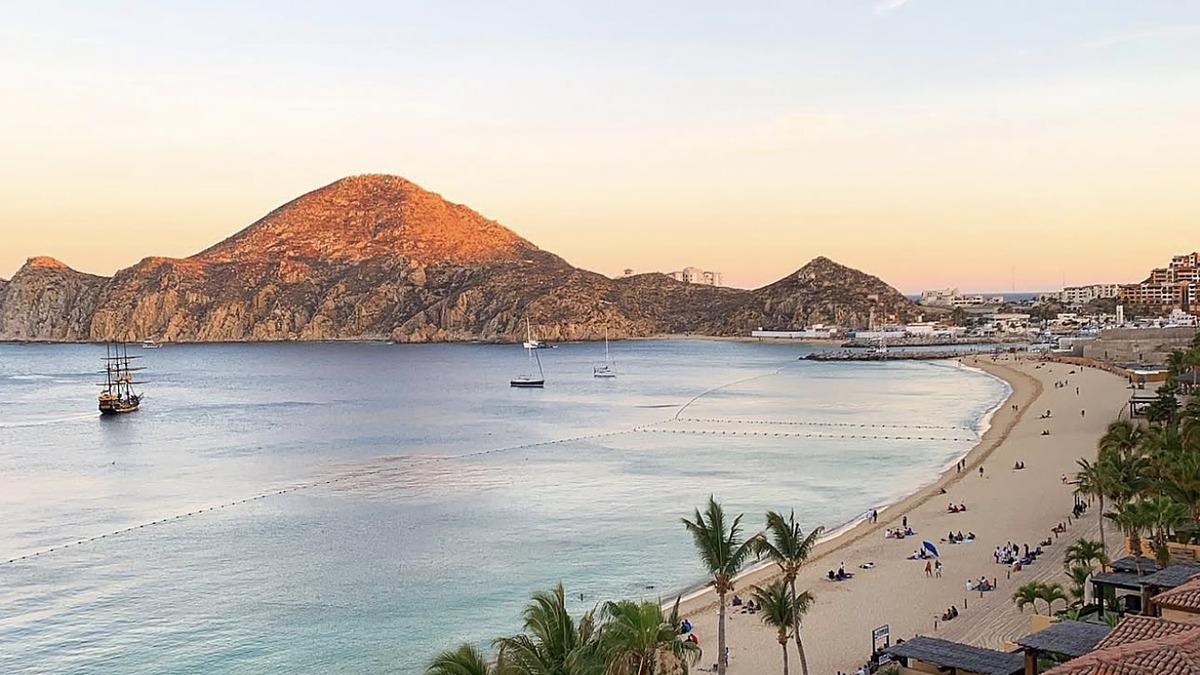
Medano Beach: The One Swimmable Beach Downtown
Medano is the only beach in Cabo San Lucas proper that is safe to swim, and the reason is geographic. The beach sits inside Cabo's bay, fully sheltered from the Pacific currents that hammer the rest of the peninsula. The water is calm year-round, the bottom is sandy and gentle, and lifeguards staff the beach during daylight hours.
The trade-off is the scene. Medano is busy. Beach clubs run loud music from late morning, jet skis and banana boats operate from the sand, vendors walk constantly. If you want a quiet beach, this is not it. If you want the easy beach day with full amenities, restaurants, sunbed rentals, water sports, and active nightlife at sunset, Medano delivers exactly that. Walk five minutes past the main beach club zone and the crowds thin out.
Lover's Beach (Playa del Amor): The Postcard Cove
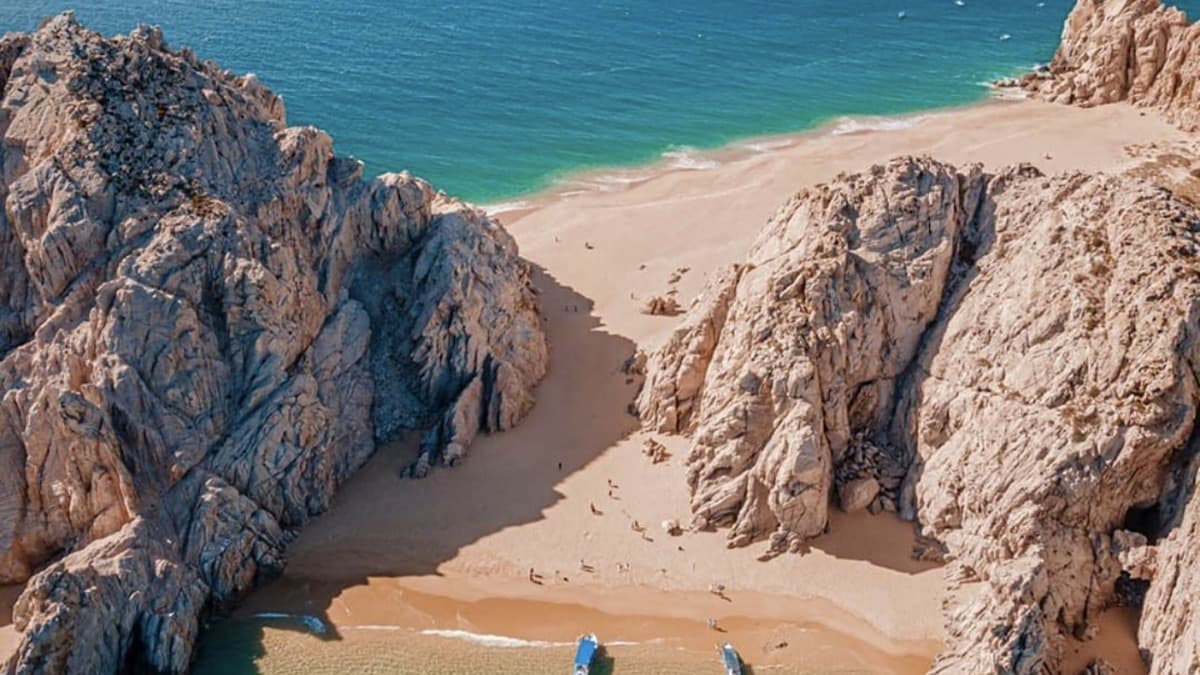
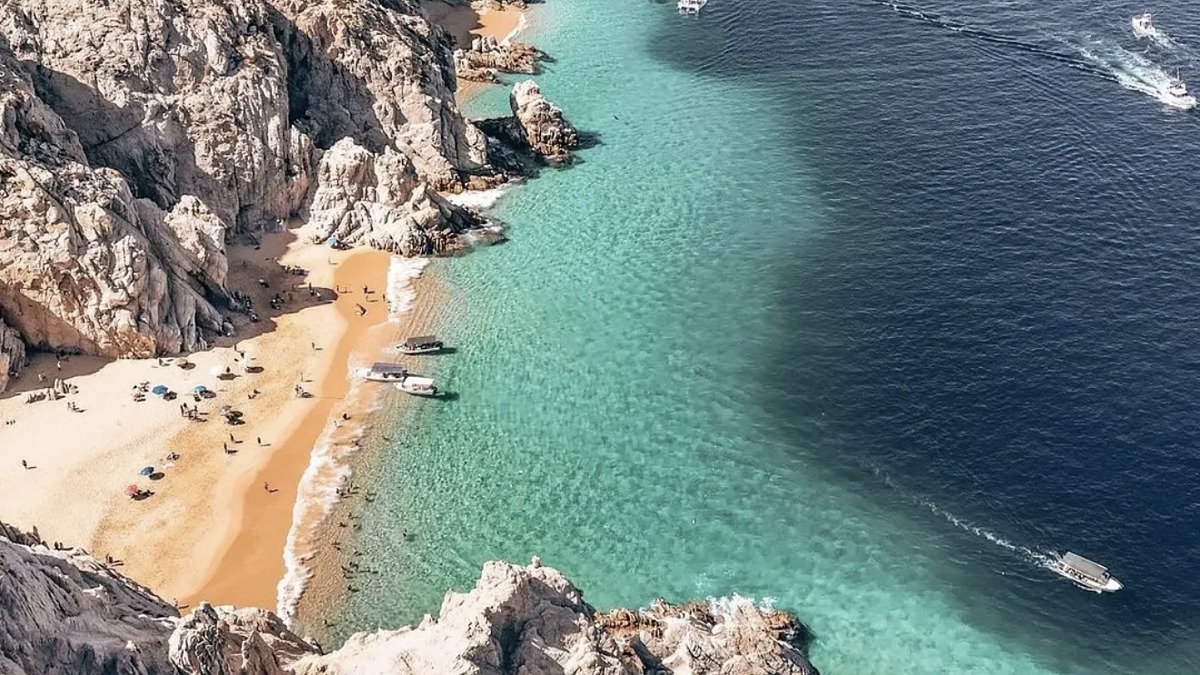
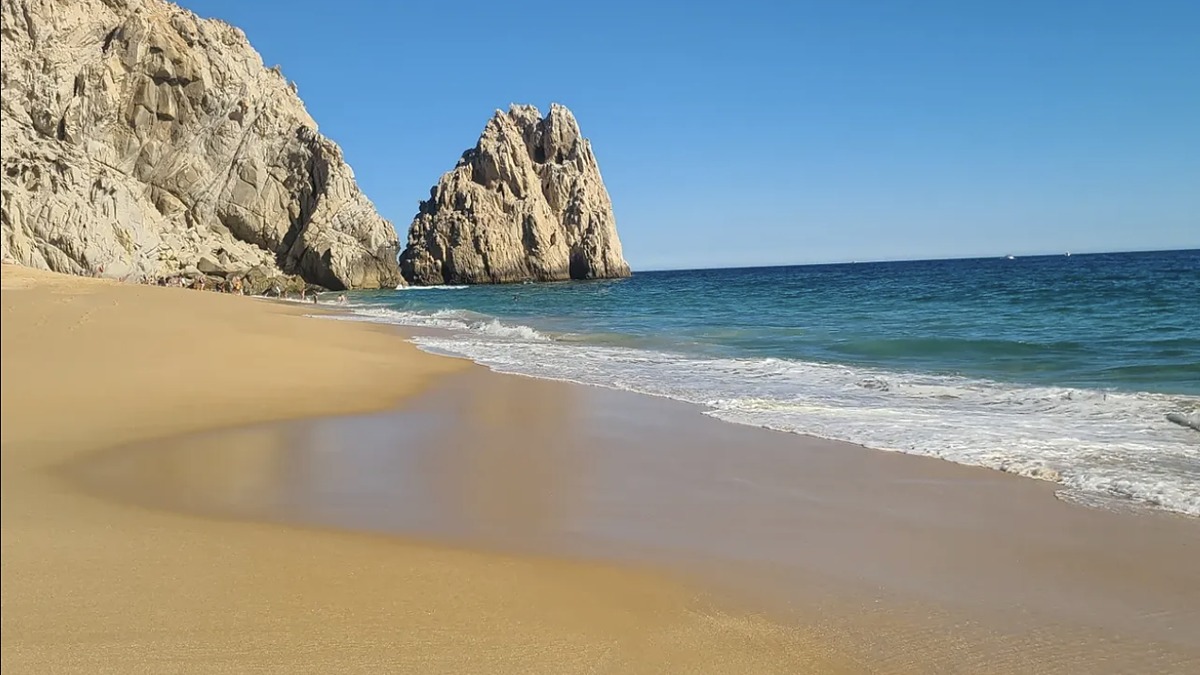
The cove between El Arco and the Land's End cliff is the photo every Cabo brochure uses. Lover's Beach is on the calm Sea of Cortez side, accessible only by water taxi from the Cabo marina (around 20 USD round trip). The 10-minute boat ride drops you on a strip of golden sand with the famous arch behind, the cliff towering on one side, and another beach (Divorce Beach) on the back side facing the open Pacific.
The Sea of Cortez side at Lover's Beach is calm, swimmable, and has decent snorkelling along the rocks. The Pacific side, Divorce Beach, is genuinely deadly and you should not enter the water there. Time the visit for a morning slot before day-tripping cruise passengers arrive. Our Lover's Beach review covers the boat logistics and which side does what.
Chileno Bay: The Blue Flag Swim and Snorkel
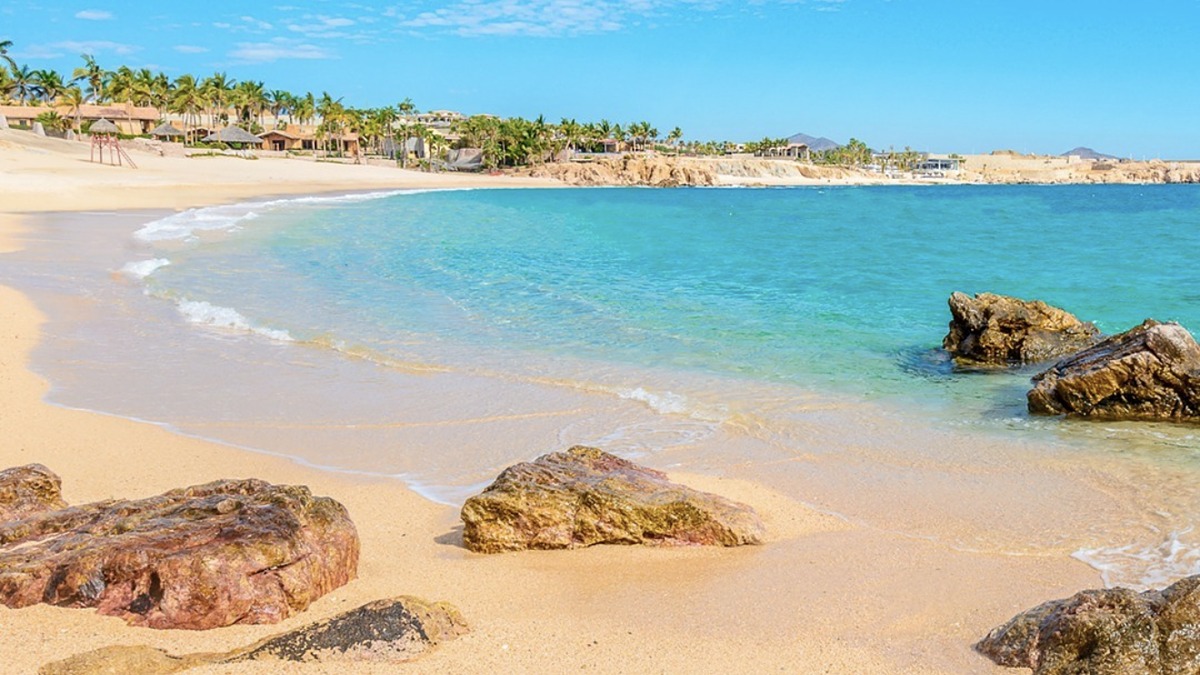
Halfway along the corridor between Cabo San Lucas and San Jose del Cabo, Chileno Bay is the consensus best swimming-and-snorkelling beach in Los Cabos. The bay is fully protected, the bottom is sandy with a coral-reef section near the rocks, and the water is so consistently clean that the beach holds Blue Flag certification (an international clean-water and amenity standard).
Public access is well-developed. There is a paved parking lot, public restrooms, showers, palapas for shade, and a snack bar. Snorkel gear rentals are available on the beach. This is the most family-friendly beach in Cabo and the easiest pick for visitors who want a full beach day without the Medano scene.
Santa Maria Cove: The Snorkel Pick
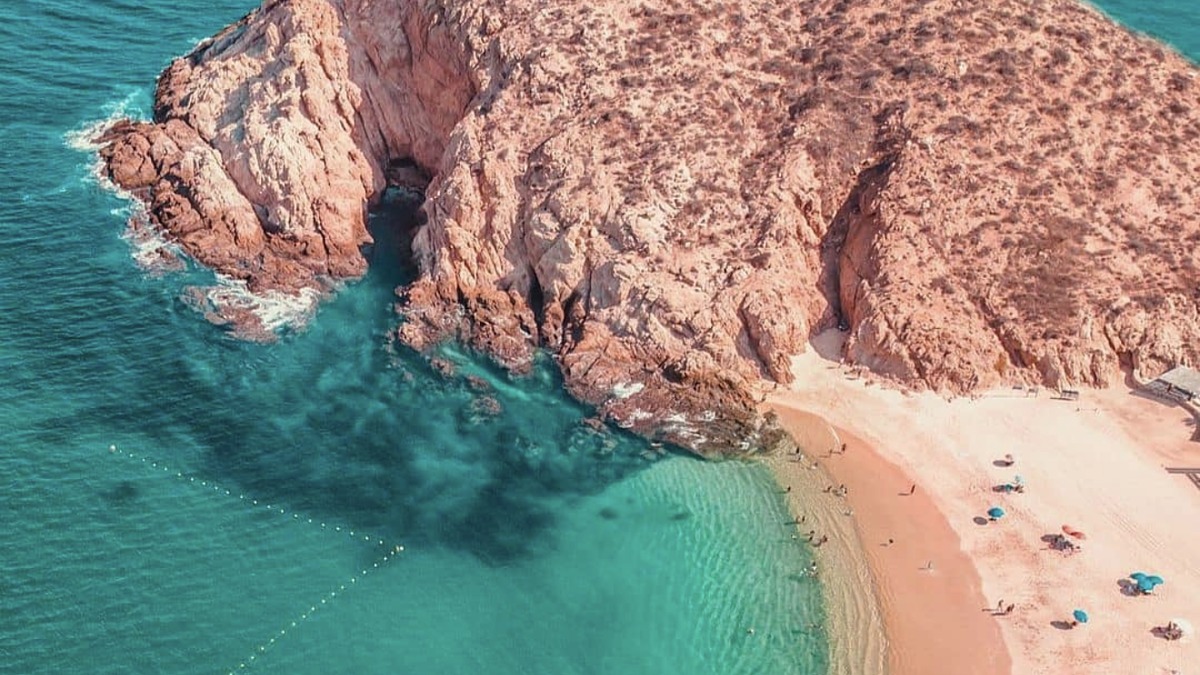
Just east of Chileno, Santa Maria is a small horseshoe-shaped cove protected by rocky points on both sides. The bottom transitions from sand near the entry to coral reef on the rocks, and the marine life is dense: parrotfish, moorish idol, butterflyfish, the occasional sea turtle. Snorkel boats from Cabo's marina include Santa Maria on most half-day trips, but the beach is also accessible by car with a five-minute walk down from the parking area.
Conditions matter. Santa Maria is best on calm mornings before the trade winds pick up. The cove can get crowded on snorkel-tour days; arrive early or come on a day when no cruise ships are in port for the quieter version.
Playa Palmilla, San Jose del Cabo: The Quiet Family Beach
Twenty minutes east of Cabo San Lucas in the San Jose del Cabo area, Palmilla is the calm-family alternative to Medano. The beach fronts the One&Only Palmilla resort but the sand is fully public, with separate public access, paved parking, and a calm protected bay that works for swimming. Sea turtles occasionally nest on the beach.
Palmilla is markedly quieter than the Cabo San Lucas beaches. The trade-off is that there are fewer beachside restaurants and the scene is more residential. Bring your own picnic or eat in San Jose del Cabo town nearby. This is the right pick if you have small kids and you want a calm beach day without the busyness.
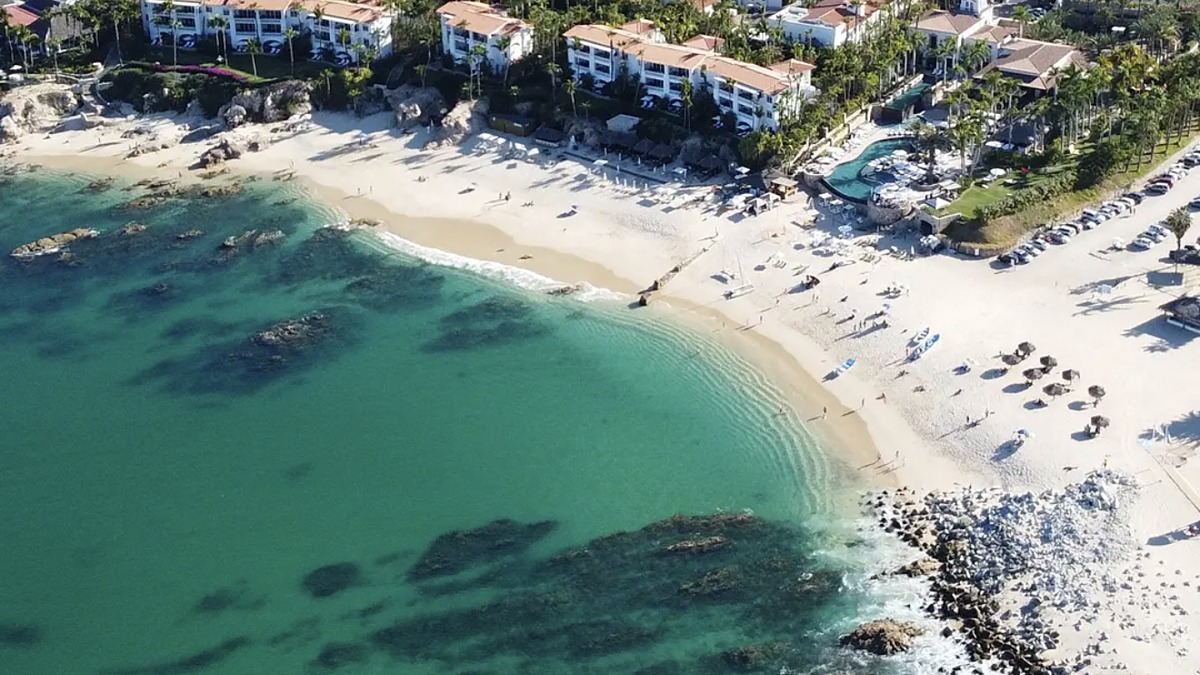
Playa Las Viudas (Twin Dolphin): The Hidden Pick
Halfway between Cabo San Lucas and Chileno Bay, Las Viudas is a small public beach tucked between resort properties. Locals call it Twin Dolphin Beach for the resort that used to dominate the area. The beach is small, often quiet, and has decent snorkelling along the rocky points at either end. There is no lifeguard, no concessions, and the parking lot is small (around 15 cars).
Las Viudas is the right pick if you want a Cabo beach without the development. Bring your own water, snacks, and snorkel gear; there is nothing on the beach. The entry path is short and well-marked from the main highway.
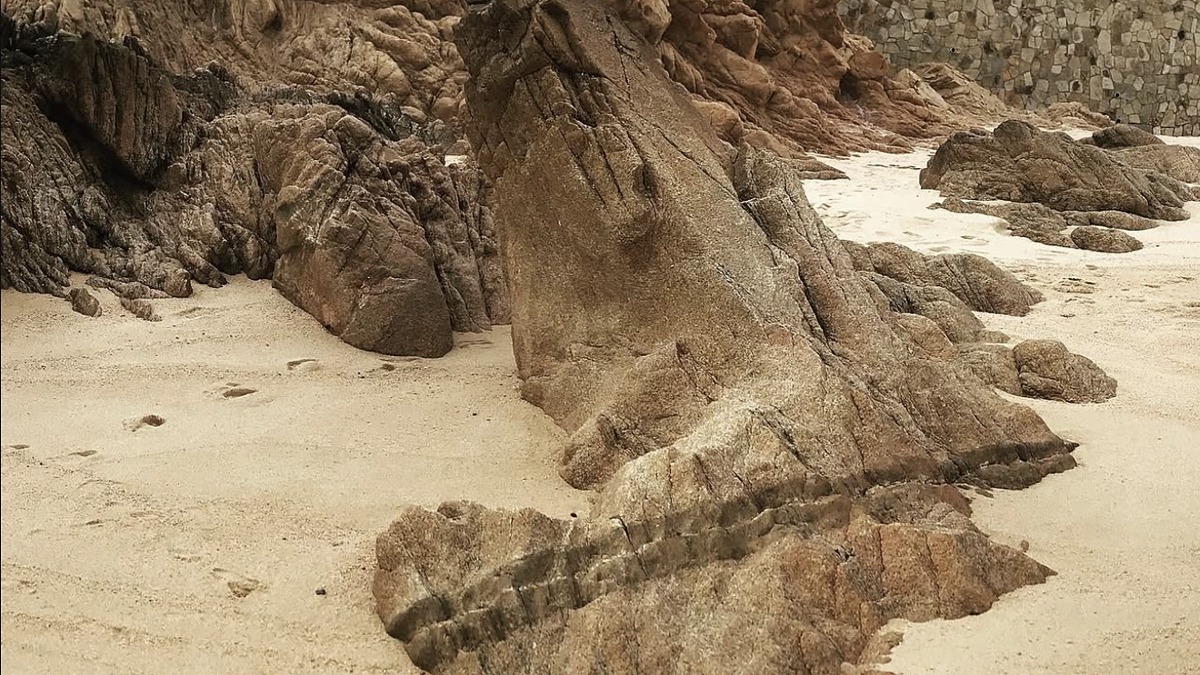
Cerritos Beach, Todos Santos: The Pacific Surf Pick
An hour north of Cabo San Lucas in the Todos Santos area, Cerritos is the only Pacific-side Cabo beach that works for casual swimmers, and the reason is the small headland that breaks most of the worst Pacific surf. The wave inside the cove is rideable for beginner and intermediate surfers, with surf schools running daily lessons. Outside the protected zone the Pacific is still dangerous; stay on the south end near the headland for swimming.
The town of Todos Santos behind the beach is the bohemian-art counterpoint to Cabo's resort scene. Galleries, restaurants, and a quieter pace. A day trip combining Cerritos surf and Todos Santos lunch is one of the better full-day plays from a Cabo base.
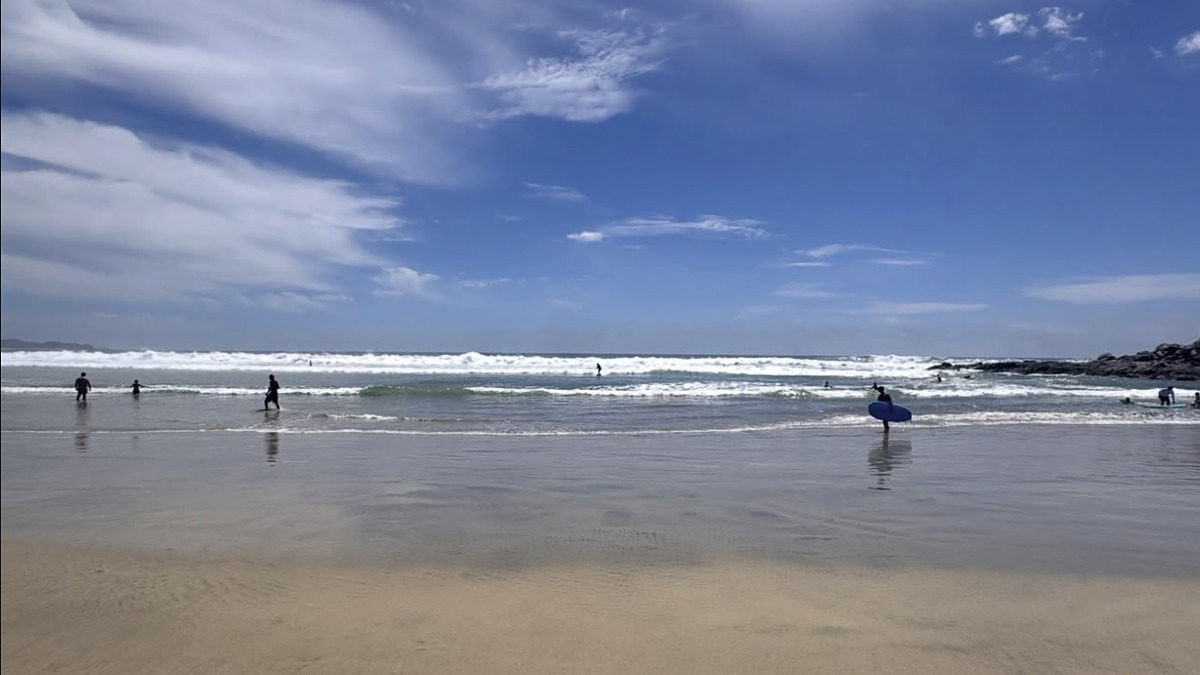
Divorce Beach: The Cautionary Pick
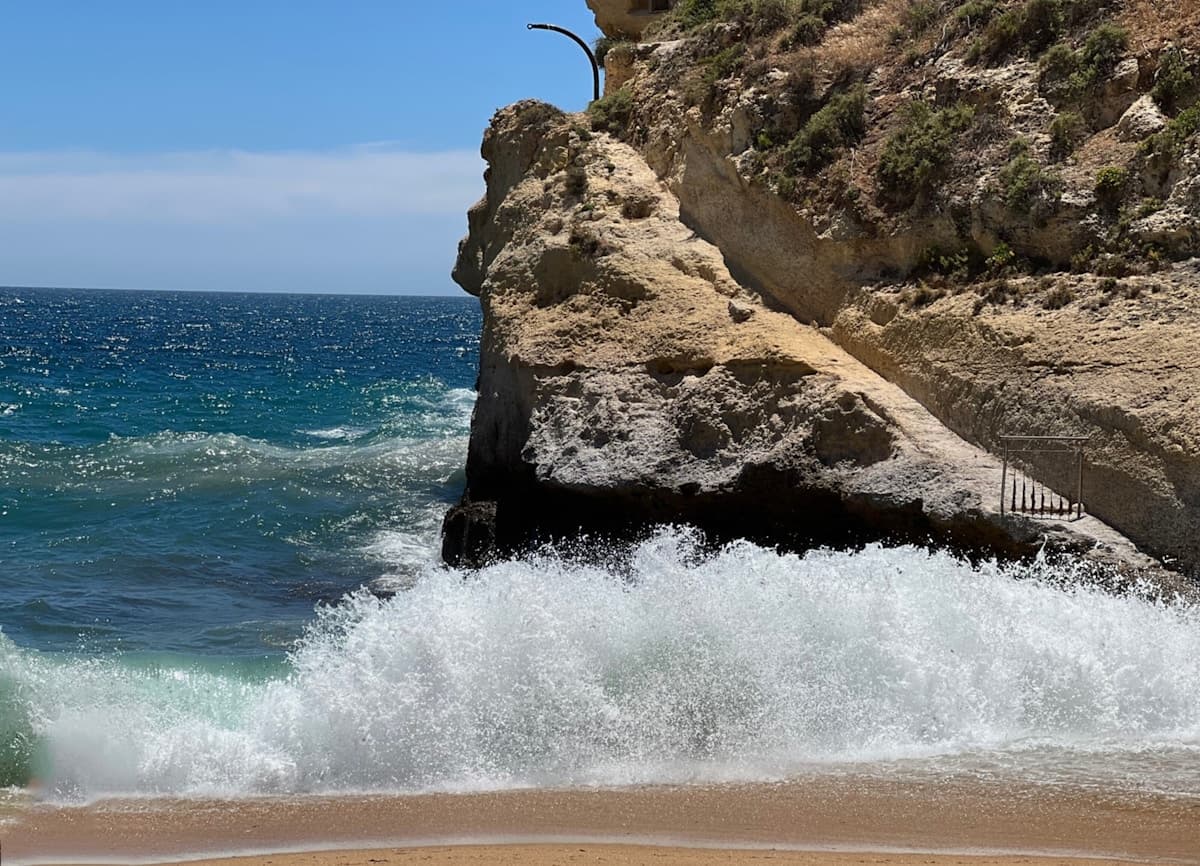
This is the one beach on the list you should not enter the water at. Divorce Beach sits directly behind Lover's Beach, on the Pacific side of the rocky Land's End peninsula, accessible by walking the narrow strip of rock between the two beaches once your water taxi drops you. The beach itself is photogenic, with dramatic Pacific waves crashing against the cliffs at the end of the Baja peninsula.
The water is genuinely deadly. Pacific currents work the beach year-round, the shorebreak is fast and powerful, the bottom drops off quickly, and there is no lifeguard. Multiple tourists drown here each year, almost always because they ignored the warnings or assumed the calm-looking surface meant safe water. Walk to Divorce, take the photograph, marvel at the scenery. Do not enter the water. The boat back is from Lover's Beach, and the swim at Lover's Beach (Sea of Cortez side) is what you came for.
How to Plan Your Cabo Beach Trip
The corridor between Cabo San Lucas and San Jose del Cabo runs about 20 miles, with most of the best beaches scattered along it. A rental car gives you full access; without one, taxis and shuttle buses cover the main beaches. Three rules will save your trip.
Stay on the Sea of Cortez side for swimming. Medano, Lover's Beach (Sea of Cortez side), Chileno, Santa Maria, Palmilla, and Las Viudas are the swim picks. Cerritos works only because of its protective headland.
Treat the Pacific as scenery, not a swim. Divorce Beach, Solmar, and most beaches on the Pacific facing west are dangerous. Photograph them. Walk them. Do not enter the water.
Time water taxis for early. Lover's Beach via boat is best before 10am, when day-tripping cruise crowds have not yet flooded the cove.
For wider Mexico context including the Caribbean alternatives, see our Best Beaches in Mexico guide. For the iconic Lover's Beach in detail, our Playa del Amor review covers boat logistics, timing, and the Divorce Beach safety reality.