Most travel pages about Tunnels Beach will tell you to book a Haena State Park reservation, show you a photo of the fringing reef, and call it the best snorkeling on Kauai. Two of those three things are wrong, and the third one depends entirely on what day you arrive. Tunnels is still one of the most unusual reef systems in Hawaii. Getting onto it in 2026 is harder than it looks, and understanding why saves you a wasted hour-long drive out to the North Shore.
Tunnels, Makua, and the Map Most Guides Get Wrong
Start with names. The beach's proper Hawaiian name is Makua, meaning "parent." The nickname Tunnels came from divers, not surfers. It refers to the underwater lava tubes and caverns in the outer reef, not wave tubes. Every travel article that tells you Tunnels got its name from surf tubes has copied the wrong source.
Now the bigger mistake. Tunnels Beach is not in Haena State Park. The end of Kuhio Highway on Kauai's North Shore contains three separate properties that guides routinely conflate. From east to west along the sand:
- Haena Beach Park, a Kauai County park. This is where you park for Tunnels. It is free, it does not require a reservation, and it has a staffed lifeguard tower during daylight hours. Tunnels Beach itself is a short walk east from this lot.
- Tunnels Beach (Makua), an unmanaged stretch of shoreline between the two parks.
- Haena State Park, a state-run park with a paid reservation system at gohaena.com. This park contains Kee Beach and the Kalalau Trail trailhead. This is where the 30-day advance bookings and the 10 USD parking and the 5 USD per person entry apply.
You do not need a gohaena.com reservation to visit Tunnels. You need a legal parking spot in the Haena Beach Park lot or a seat on the shuttle.
Parking in 2026: Why Arriving at 9am Means You Have Already Lost
This is where the gap between guidebook advice and 2026 reality is the widest. Until 2022, overflow parking for Tunnels happened informally along the shoulder of Kuhio Highway, in patches of grass and cleared dirt that locals had tolerated for decades. The April 2018 flood that closed the whole road damaged those shoulders. The state rebuilt the highway with yellow bollards, no-parking signs, and daily ticketing and towing enforcement.
The result in 2026 is simple. The only legal parking for Tunnels is the small lot at Haena Beach Park, which holds roughly 50 cars, plus limited residential spots that fill even faster. On a July or August weekday, that lot fills by 7:30 or 8am. On weekends it can fill by 7am. Arriving at 9 thinking you will find a spot has been a reliable way to drive for an hour, circle the lot, and drive back.
Three workable strategies:
- Arrive before 7:30am. Easiest if you are staying in Princeville or Hanalei. Cold Hawaiian coffee in the car is worth it.
- Take the North Shore Shuttle from Waipa Park and Ride, a short drive west of Hanalei. Roughly 35 USD round trip, bookable at gohaena.com, stops at Haena Beach Park. This removes the parking problem entirely and is the lowest-stress option for most visitors.
- Bike or walk from Hanalei along the bike path (though the last few miles are on road shoulder).
Summer vs Winter: The Only Seasonality Rule That Matters
Tunnels is a two-season beach and the difference between the seasons is not subtle.
From roughly May through September, the North Pacific swells go quiet, the double horseshoe reef calms the inner lagoon to flat glass on a good morning, and visibility frequently reaches 50 feet or more. This is the snorkel window. Green sea turtles are reliable, octopus and moray eels hide in the reef, and on good days spinner dolphins pass offshore.
From roughly October through April, winter swells arrive. The outer reef closes out with faces that can exceed 15 to 20 feet on the biggest days. Rip currents through the reef channels become vicious. The inner lagoon may look deceptively calm while the outer break is lethal, and the Kauai North Shore averages a painful number of drownings each winter, many at beaches that looked fine in the morning and turned in an afternoon.
Shoulder months, especially April and October, can flip on short notice. The rule is simple. If you can see whitewater breaking outside the reef, do not get in. The Haena Beach Park lifeguards will tell you the same thing if you ask them when you arrive.
Where to Actually Snorkel Now
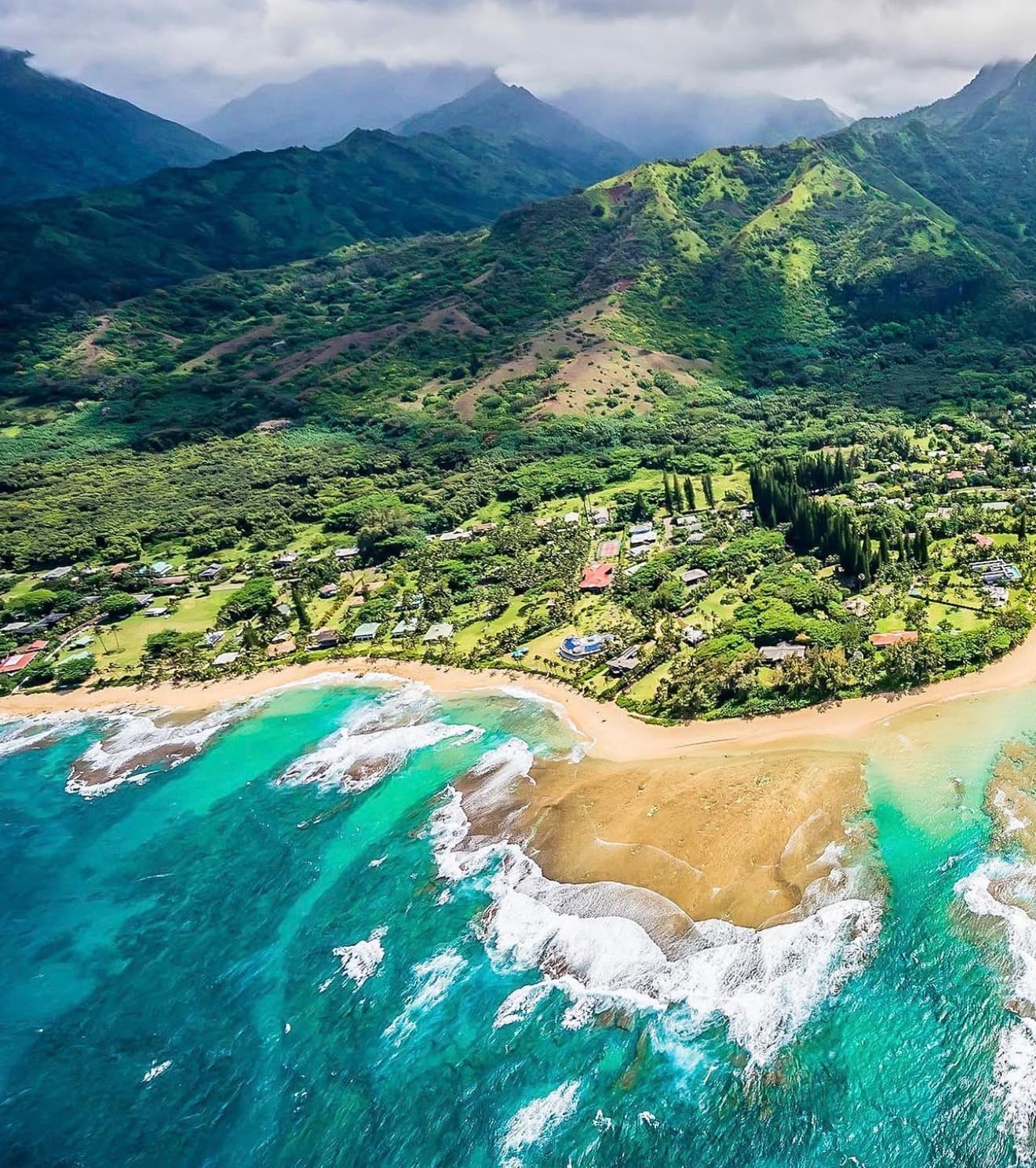
The reef at Tunnels is legitimately one of the most unusual in Hawaii, with coral lattice, lava tubes, and sand channels that create genuinely different habitats within swimming distance of each other. Where the advice gets complicated is that one specific area, the Makua Puʻuhonua inner-reef refuge, is now closed to all water activities as part of a community-based marine management area. Older guides still send snorkelers into it. That is out of date.
The practical snorkel route in 2026 runs from the western end of the beach out through one of the sand channels in the outer reef, where visibility is best and the marine life concentrates. Ask the lifeguards at Haena Beach Park to point to the safe channel for the current swell direction before you swim out. They do this a dozen times a day and they do not mind.
Bethany Hamilton, 2003, and the Shark Question
On the morning of 31 October 2003, a 13-year-old local surfer named Bethany Hamilton was in the lineup at Tunnels when a 14-foot tiger shark attacked her and severed her left arm just below the shoulder. A fellow surfer applied a tourniquet with a surfboard leash, and she survived. She was back surfing 26 days later. The book and film Soul Surfer made Tunnels Beach globally famous for the wrong reason.
Tunnels has not had a documented fatal shark incident since 2003. Kauai's North Shore sees occasional tiger shark advisories every year, the same as the rest of the Hawaiian coast. The beach is not statistically more dangerous than Lanikai or Hanauma. But if you grew up watching Soul Surfer, standing on this sand feels different, and it should. The history is real, the visibility is good, and snorkeling in summer at Tunnels carries ordinary ocean risk, nothing more.
Makana, Bali Hai, and When the Ocean Says No
The mountain that rises behind Tunnels is Makana, 1,115 feet of near-vertical green ridge that locals have used as a fire-throwing ceremonial site for generations. The 1958 film South Pacific used it to play fictional Bali Haʻi, and the Bali Hai nickname still shows up in guidebooks and hotel brochures. Either name works. Photographing the peak from the west end of the beach in late afternoon, with the ironwood branches framing the ridge, is one of the classic Kauai shots.
When the ocean says no, the consolation prizes are real. Haena State Park and the Kee Beach lagoon are a short drive past Tunnels if you have a reservation. The Kalalau Trail trailhead starts at Kee and runs into the Na Pali Coast wilderness. Limahuli Garden, one of the finest botanical gardens in Hawaii, sits between Tunnels and Kee. Wainiha Country Market is the last store before the road dead-ends and a decent lunch stop on the way home.
Is Tunnels Beach Still Worth It in 2026?
Yes, if you get the logistics right and visit in the summer window. The reef has not changed. The water is still extraordinary on a calm July morning. What changed is everything around access, and that is where every outdated guide steers visitors wrong. You are not paying gohaena.com. You are not walking in from a roadside shoulder. You are either parking at Haena Beach Park before 8am or riding the shuttle in.
Get that right, hit a flat summer day, swim slowly over the reef with a mask and fins, watch the turtles not mind you. Tunnels Beach still delivers. It just asks a little more of you to get there than it used to.