Croatia is a pebble country, which is why Borik sandy beach gets talked about the way it does. About 3.5km north of Zadar's old town, in the Borik resort zone where the hotels and the campsite back onto the sea, there is a long shallow bay with an actual sandy bottom. That is unusual here. Most of the famous Adriatic beaches are white pebble or slabs of rock, lovely to look at and brutal on small feet. Borik is the spot Zadar parents send you to when you have a toddler and you want them able to stand up in the water without crying.
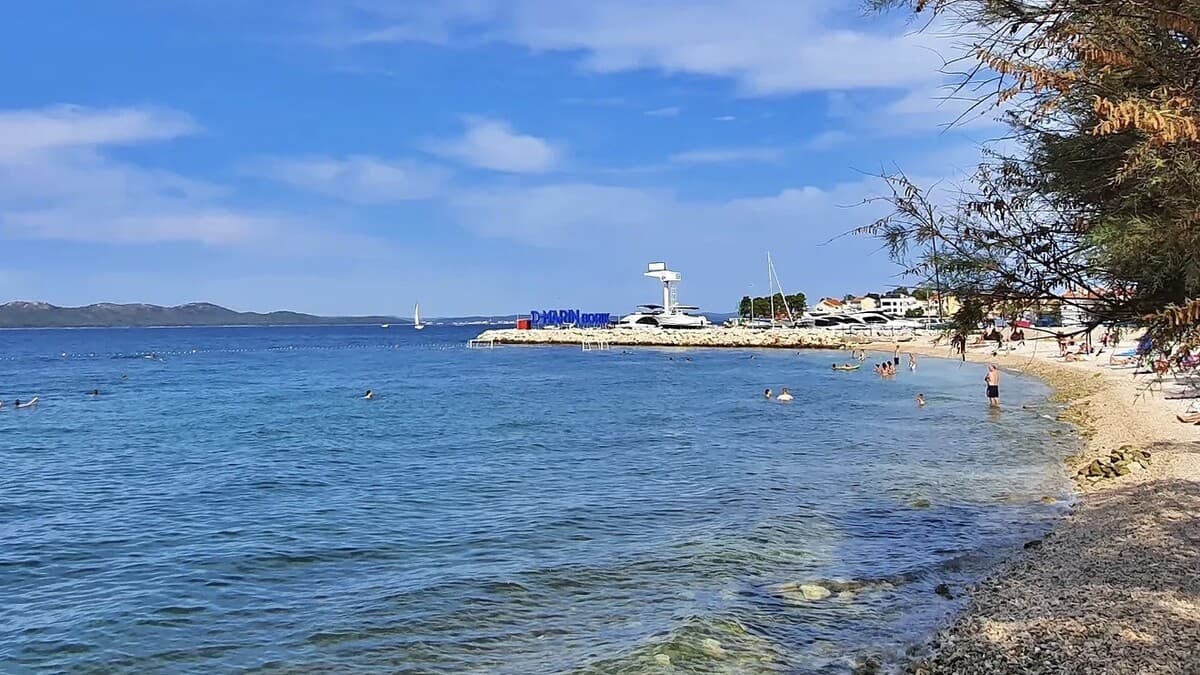
Let me be precise about the sand, because the name oversells it slightly. The seabed is sandy, and there is a genuine sand cove near the hotel end. But the shoreline itself is a mix of sand, pebble, gravel and flat concrete plateaus that people lay their towels on. So you do not get a wide carpet of soft sand the way you would on the Atlantic. You get sand mostly underfoot once you wade in, which for swimming and for kids is honestly the part that matters.
Is Borik a sandy beach? What the surface is actually like
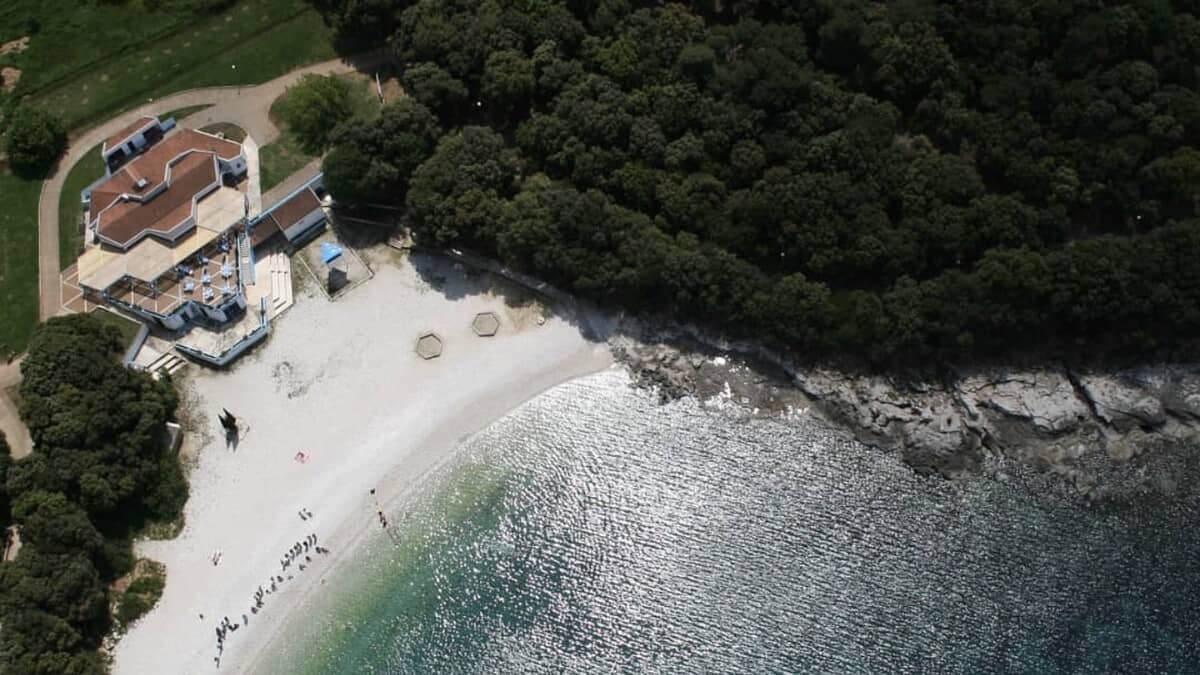
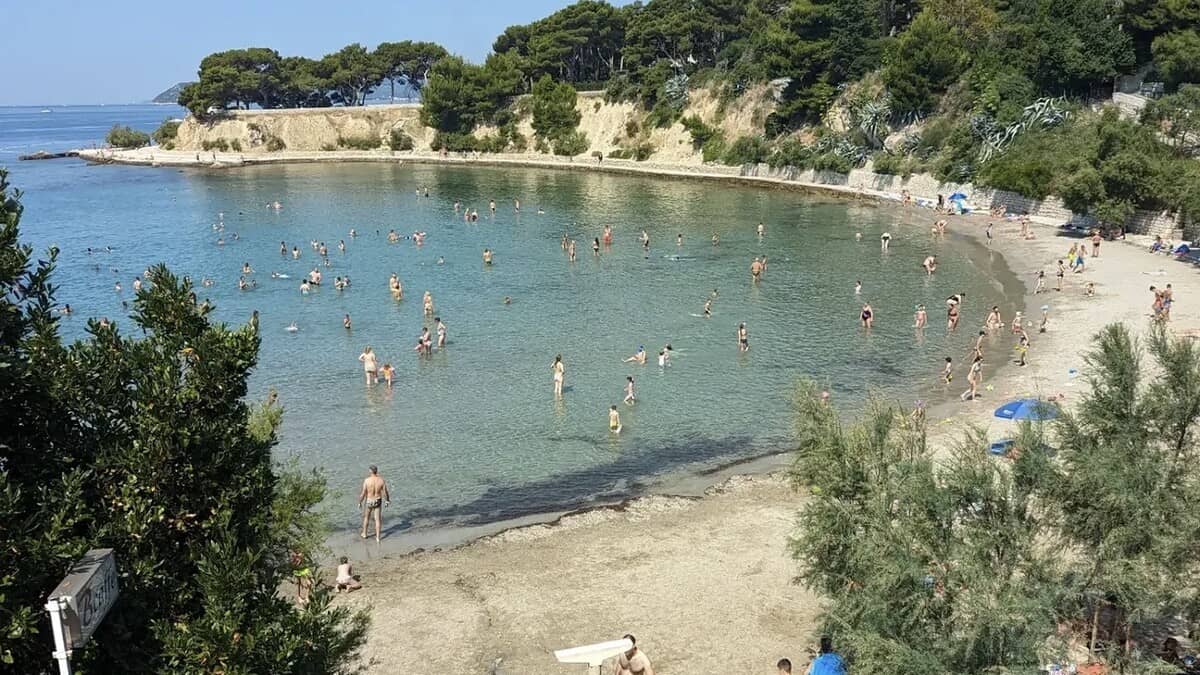
Borik runs roughly 1,300 metres along the coast and sits maybe 40 metres deep in the busiest sections, so it is one of the bigger beaches around Zadar. Walk its length and you pass through several different surfaces. Near the Falkensteiner hotels you get the engineered sand cove, which is the busiest part and the bit most photos show. Further along, the shore turns to pebble and gravel, and in places there are concrete sunbathing terraces with ladders straight into the water.
The sea is the selling point. It shelves gently and stays shallow a long way out, which is exactly what you want with young children and exactly what you do not get at most Croatian beaches. Older kids and adults who want to actually swim will need to walk out a bit before it gets to chest depth. Visibility is good rather than spectacular: this is a busy town beach inside a resort and marina zone, so it does not have the glass-clear water of a remote island cove. If pin-sharp turquoise is your priority, that is a day trip, and I will come back to where.
Water shoes are worth packing even here. The sandy patches are kind to feet, but you will cross pebble and the odd rock to reach them, and the concrete platforms can be slippery.
Which Borik is this? Sorting out the names
Quick clarification, because the search results are a mess. There is "Borik Beach," "Borik Sandy Beach" and "Camp Borik," and people use them loosely for the same general area. This is Zadar's Borik: the resort beach in the Borik neighbourhood north of the old town, the one wrapped around the Falkensteiner Club Funimation Borik hotel, the Falkensteiner Premium Camping Zadar campsite, a string of other hotels and apartments, and the D-Marin Borik marina next door. If a listing is talking about a campsite or a marina at Borik, it is the same patch of coast. There are other places called Borik elsewhere in the region, so when you map it, aim for the Zadar resort, coordinates around 44.1336, 15.2100.
The pine forest behind the beach is part of the appeal and easy to miss in the photos. The trees grow close to the shore in long stretches, so there is free natural shade if you do not want to pay for a lounger, which becomes a real consideration when Zadar hits the high 30s Celsius in July.
How to get to Borik beach from Zadar
This is the easy bit. From the old town or the main bus station, Liburnija runs city bus 8 north to the Borik hotels, and it is about a 15-minute ride. The 5 and 5A toward Puntamika also stop at Borik, so you have a couple of options and you rarely wait long in summer. A single ticket is 1.59 euros paid in cash to the driver, and it drops by roughly 20 percent if you buy through the Zadar City mobile app. Validate it on the machine behind the driver when you board; it is good for 50 minutes.
Driving, there is paid parking near the beach, somewhere around 200 spaces, and it fills by mid to late morning in peak season, so come early or come on the bus. If you would rather walk, it is about 3.5km along the coast, roughly 40 minutes, and a decent stroll in the cooler parts of the day.
One thing that makes Borik genuinely convenient: you are close to Zadar's two signature attractions. The Sea Organ and the Greeting to the Sun, the sound-and-light installations on the tip of the old-town peninsula, are a short bus ride or a longer waterfront walk away. A lot of people do beach in the day, then time the bus back to catch sunset at the Sea Organ. It is a good plan, and the city slips into it nicely.
Facilities, crowds and what it costs
For families this is where Borik earns its keep. There are showers, toilets and changing facilities, lifeguards on duty in season, cafes and snack spots along the beach, and water-sport rentals when the season is in full swing, the usual loungers, paddleboards and boat-tube rides. Borik also holds Blue Flag status, the international mark for water quality and beach management, and it was one of only a handful of Blue Flag beaches in the Zadar area in 2025, alongside Kolovare and Zaton. The neighbouring D-Marin Borik marina carries the Blue Flag too.
On cost, the beach itself is free despite sitting inside a resort zone. A sun lounger runs around 10 euros, drinks and food at the beach cafes skew a little high for what they are, and the car park is paid. Bring a towel and park yourself under the pines and you can have a full day here for the price of a bus ticket and an ice cream.
Crowds are reasonable for a town beach. Because Borik is long and the pine forest spreads people out, it rarely feels jammed even in August, and reviewers regularly note finding quiet space well into peak season. The sandy cove by the hotels is the exception, that is the part that packs out, so walk a few minutes for elbow room.
When to go, and where to escape for a day trip
June and September are the pick of the season: the sea is warm, the days are long, and you dodge the thickest of the July and August crowds. Midsummer is hot and busy, but the shallow sandy stretch keeps soaking up families regardless, and the pine shade makes the heat manageable in a way that exposed beaches do not.
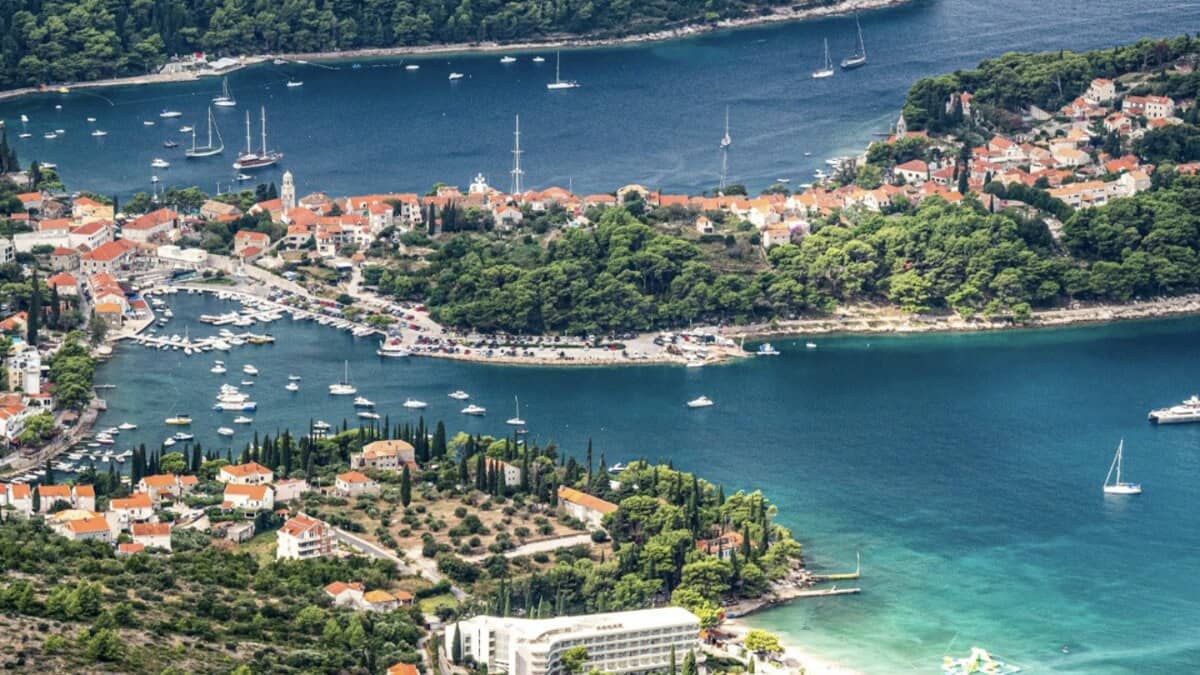
Be honest with yourself about what Borik is, though. It is a relaxed, practical, family-first town beach with good water and great access, not a postcard cove. If you have come to Croatia chasing that one impossibly blue beach, give Borik a day or two and then get on a boat. From Zadar you can reach the islands, and the coast's headline beaches are worth the effort. Zlatni Rat, the shape-shifting pebble horn on Brac, is the most famous of the lot, and Stiniva Beach, the hidden cove on Vis reached through a narrow gap in the cliffs, is the dramatic opposite of a resort beach. For more options up and down the coast, our guide to the best beaches in Croatia lays out which ones suit which kind of trip.
The verdict on Borik sandy beach
Borik is the right answer to a specific question: where do I take small kids for a beach day near Zadar without dealing with sharp pebbles and deep drop-offs? On that score it delivers, a shallow sandy-bottomed bay, gentle entry, Blue Flag water, lifeguards, shade, showers and a 15-minute bus from town. The sand is real but partial, the water is good rather than dazzling, and the resort-and-marina setting means it never feels remote. Set your expectations as a comfortable, well-run family beach rather than a wild Adriatic cove and Borik is a genuinely useful base. Then spend one of your days on the islands for the water you will photograph.