Dubrovnik in July is a lot. The Old Town packs in cruise crowds and walking tours, and the nearest "beaches" are mostly ladders bolted to the rocks below the walls. So locals and repeat visitors do the sensible thing: they get on bus 10 and ride 25 minutes down the coast to Cavtat, where the water is clearer, the pace is slower, and there is actually room to put a towel down.
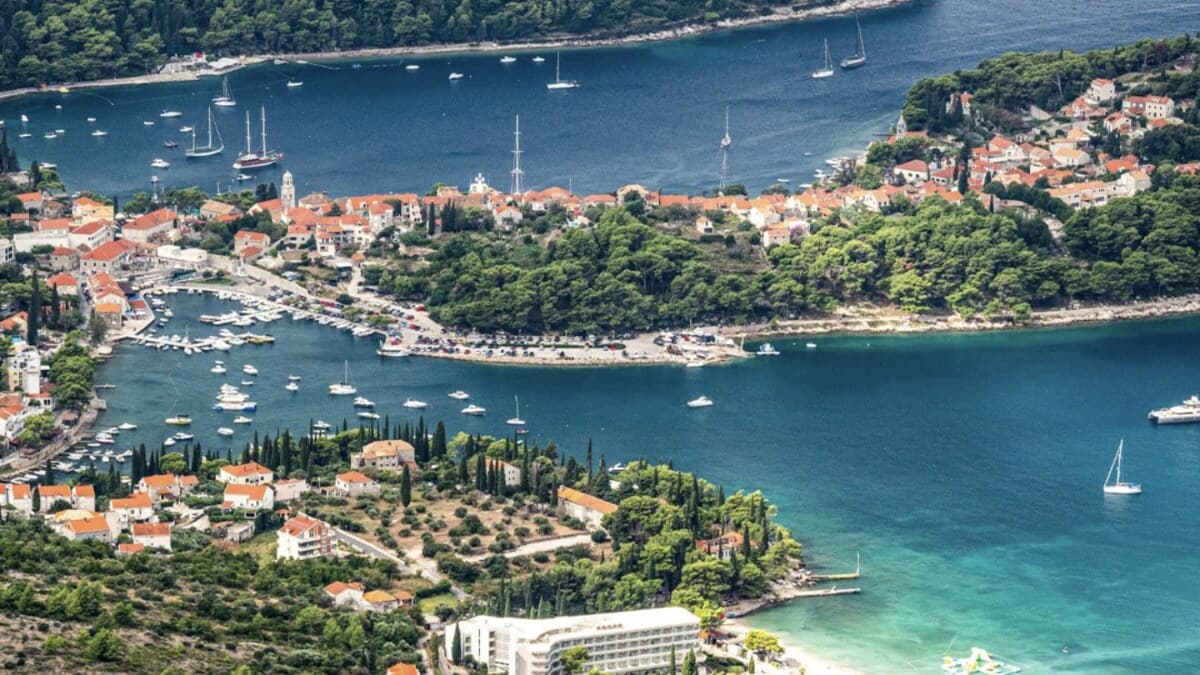
One thing to get straight first. Cavtat beach is not a single beach. Cavtat is a small town on a twin-bay peninsula, and its swimming is spread across a handful of pebble coves and concrete terraces. The two that matter are Rat, the busy one everyone photographs, and Zal, the longer family beach on the other side of town. Neither is sandy. If you are picturing soft golden sand, reset now, because this is the Adriatic and the Adriatic is pebble, shingle and rock. What you trade the sand for is water you can see straight through.
Rat Beach: Cavtat's main beach
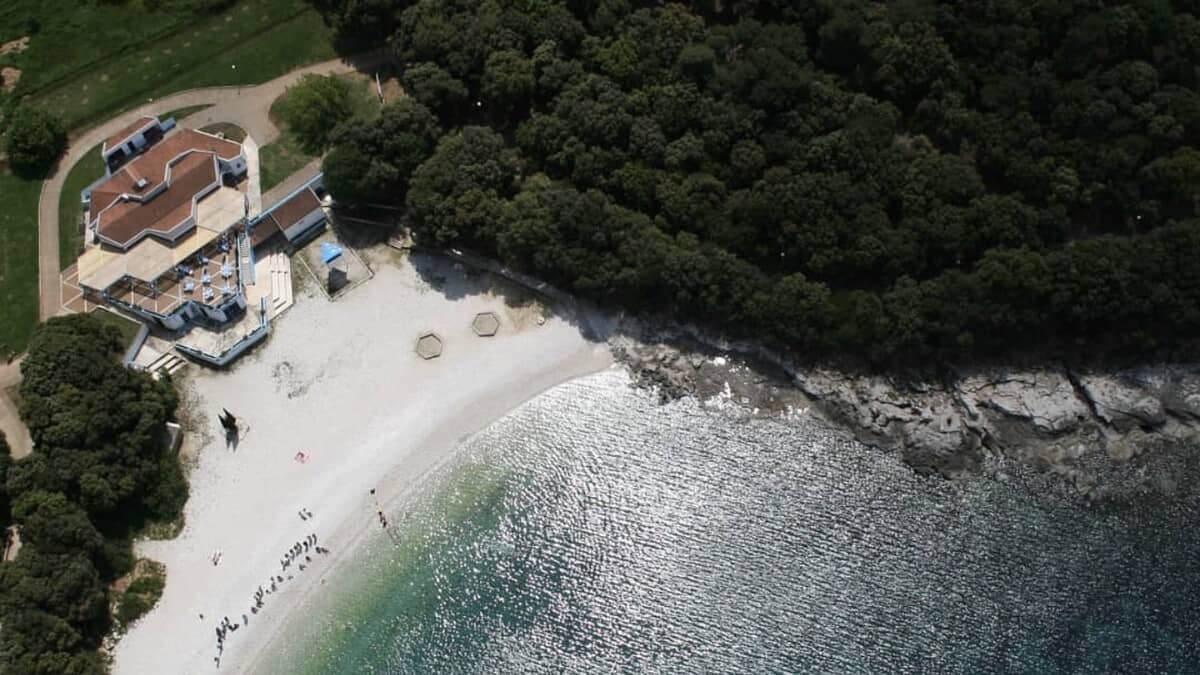
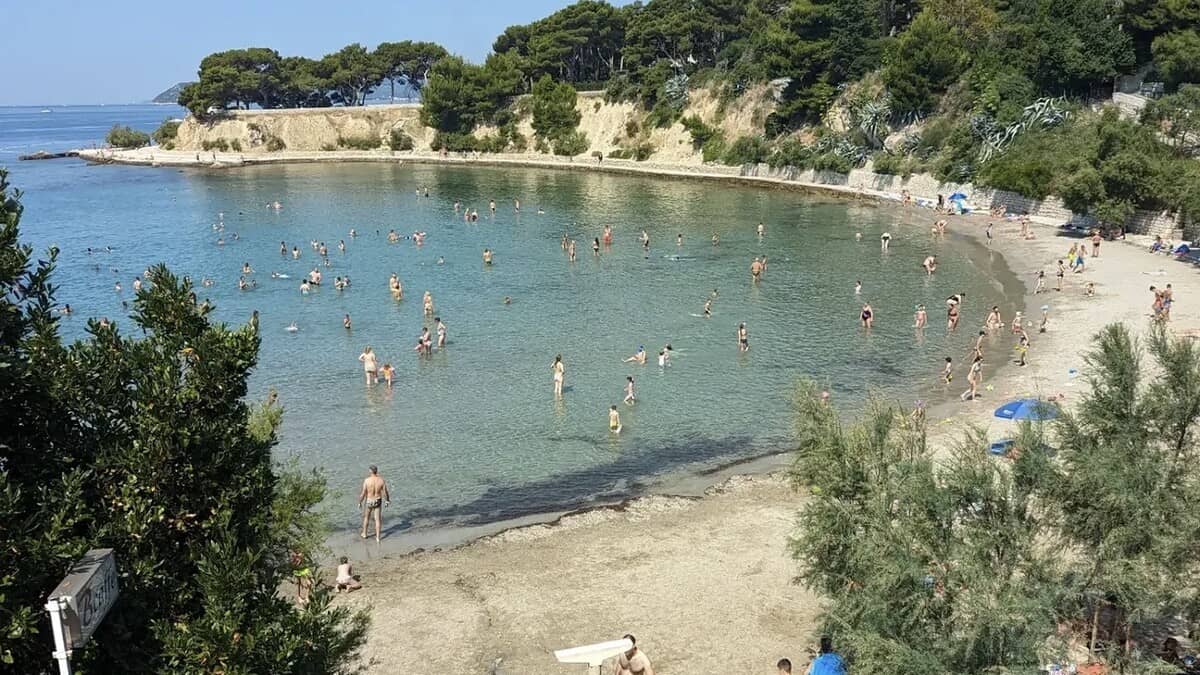
Rat (Plaza Rat) is the one people mean when they say Cavtat beach. It sits on the southeast shore of the wooded peninsula, a short run of fine pebble and shingle, maybe 30 metres of natural beach, backed by concrete sunbathing terraces that roughly double the space you can lay out on. Pine trees lean over the edge, so there is real shade without paying for it, which counts for a lot in August.
This is the see-and-be-seen beach, and on a hot afternoon it fills. The pull is the water: it shelves quickly into deep, clear blue, so it suits confident swimmers who want to get straight in rather than wade. There is a beach bar, loungers for hire, and an easy few-minute walk from the town promenade through the pines. Come mid-morning if you want a decent spot, because by lunchtime in peak season the terraces are packed and the good shade is gone.
Zal Beach: the family pick
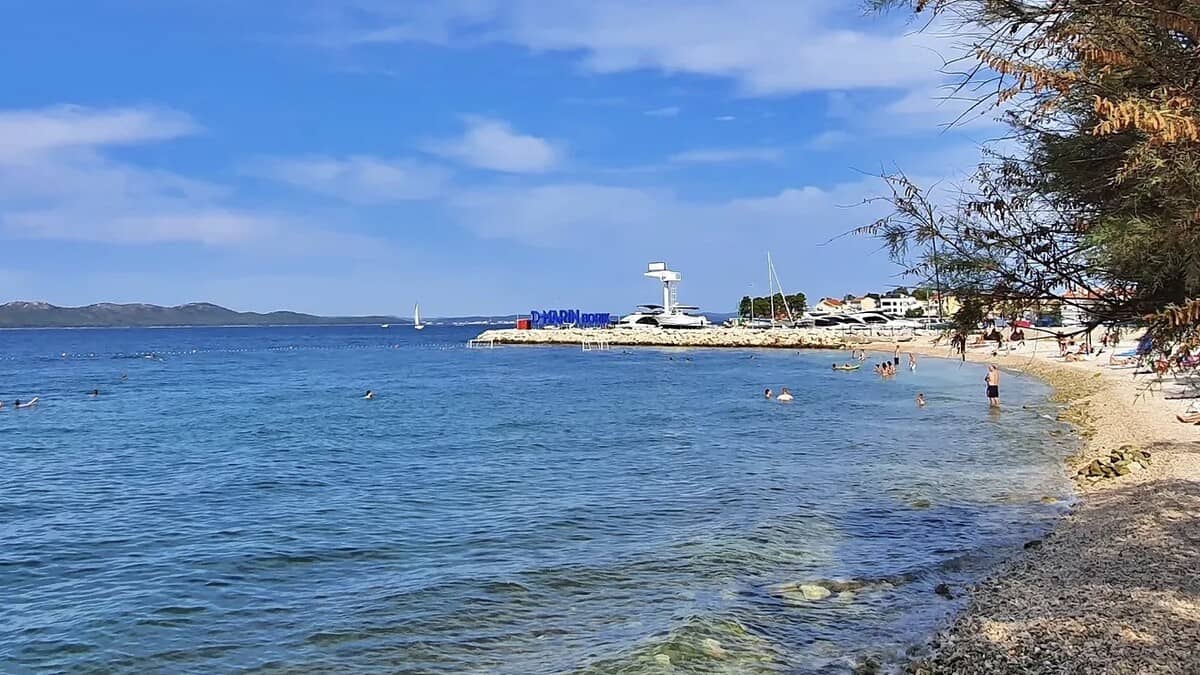
Around on the north side of town, past the harbour, Zal is the better call if you have kids or you simply want space. It is a longer curve of pebble that turns to sand underfoot once you are in the water, so the entry is gentle and shallow and you can wade in without the stones biting. It runs along the seafront near the Hotel Albatros, with cafes and loungers behind it and pine shade at the edges.
This is also where Cavtat's water sports cluster. You will find paddleboards, kayaks, jet skis and parasailing, plus a floating inflatable aqua park moored offshore in summer that will keep older kids busy for hours. The sea here is calm and very clear, sheltered enough that it rarely kicks up. If Rat is the postcard, Zal is the beach you actually spend the whole day at.
How to get to Cavtat from Dubrovnik
This is the easy part, and it is the reason Cavtat works so well as a day trip. Bus 10, run by the local operator Libertas, leaves from near the Dubrovnik cable car station roughly every 30 minutes and takes about 25 minutes, for around 4 euros one way. It is the cheapest and most frequent option, and it drops you a short walk from the waterfront. Timetables shift with the season, so check the current one before a late return.
The nicer arrival is by sea. In season, roughly May to October, a passenger ferry runs from Dubrovnik's Old Town port to Cavtat, about 45 minutes of coastline for around 10 euros, with a handful of sailings a day. It is weather-dependent and seasonal, so check the day's timetable and do not count on a late boat back. Driving is quick too, under 30 minutes, but Cavtat's parking is limited and fills in summer, so the bus is usually the smarter move.
Swimming, water and what to expect
The water is the whole point. Cavtat's bays are sheltered and exceptionally clear, the kind of clarity where you can count pebbles three metres down, which makes the snorkelling around the rockier edges genuinely worth packing a mask for. The swim season runs June to September. July is the warmest, with the sea around 25 to 26C and nudging higher on still days, and August holds almost the same. June and late September are swimmable but cooler.
Two realities to plan for. First, the pebble: bring water shoes, especially for Rat and especially for children, because the stones are kind on the eye and hard on bare feet. Second, the concrete terraces at Rat are sunbathing platforms, not soft beach, so a thicker mat or a good towel is the difference between a fine afternoon and a numb back. Neither beach is a wild-swim spot with rips to worry about. The bays are calm and family-safe in normal summer weather.
Cavtat vs Dubrovnik for a beach day
If you are based in Dubrovnik and you want an actual swim rather than a ladder off the rocks, Cavtat wins on water quality, space and price, and you are back in the Old Town inside half an hour. What Cavtat is not is dramatic in the way Croatia's island beaches are. There are no soaring cliffs or hidden coves here. It is a pretty, low-key Riviera town with clear water and good food.
For the dramatic version you have to get on a boat. Croatia's headline beach, the cliff-walled cove at Stiniva on Vis, is a completely different category of scenery, but it is also a long ferry and a steep hike away. Cavtat is the opposite trade: almost no effort, clear water, and a table at a waterfront konoba afterwards. Pick Cavtat for the easy day and the islands for the once-in-a-trip excursion.
The town itself earns an hour or two while you are here. The waterfront promenade loops the peninsula past cafes and moored boats, the hilltop Racic family mausoleum, designed by the sculptor Ivan Mestrovic, is a short uphill walk for the best view over both bays, and the house of the painter Vlaho Bukovac, who was born here, is now a small museum. Cavtat is old, too. It was the Greek and then Roman town of Epidaurum long before Dubrovnik existed, which is a fair excuse to wander before you swim.
Beyond Rat and Zal: Cavtat's quieter swim spots
If both main beaches are full, Cavtat's peninsula gives you options most day-trippers walk straight past. The wooded headland is ringed with flat rock ledges and small concrete bathing platforms where locals swim away from the loungers, reached on the shady promenade that loops the point below the Racic mausoleum. Bring a towel you do not mind on stone and you will often have clear, deep water more or less to yourself.
Step further out and the wider Konavle riviera opens up. The village of Plat just up the coast has its own quiet pebble and concrete beaches, and the cliff-backed sand at Pasjaca, about 20 minutes south, is the area's showpiece if you are willing to tackle the long stairway down. None of these have Zal's facilities, so pack water and snacks, but they are the smart move on a peak-August day when the town beaches are shoulder to shoulder.
So which Cavtat beach should you pick?
For most people, Zal. It has the gentle entry, the shade, the cafes and the water sports, and it stays comfortable even when the town is busy. Choose Rat if you are a strong swimmer who wants deep, clear water straight off the terrace and you do not mind sharing it, and get there early. Either way, treat Cavtat for what it is: the calm, clear-water alternative to Dubrovnik's crowds, 25 minutes and four euros down the road. Bring water shoes, go in the morning, and stay for the sunset over the harbour.