Maine has 3,500 miles of coastline and the coldest beach water on the US East Coast. The Gulf of Maine sits between 50°F and 65°F all summer, the tides are extreme, and most of the famous beaches are in three concentrated zones rather than along the whole coast. Treat Maine like Cape Cod and you will be confused. Treat it like its own thing and it works.
The southern coast (York and Cumberland counties) has the long sandy beaches that people picture when they hear "Maine beach": Ogunquit, Old Orchard, Goose Rocks. The mid-coast around Bath has the state parks where the sand meets granite outcroppings and tide pools. Down East, in Acadia, the coastline turns mostly to cliff with one famous crescent of pink sand tucked between mountains. This guide picks eight beaches across all three regions, with the cold-water and tide-timing realities baked in.
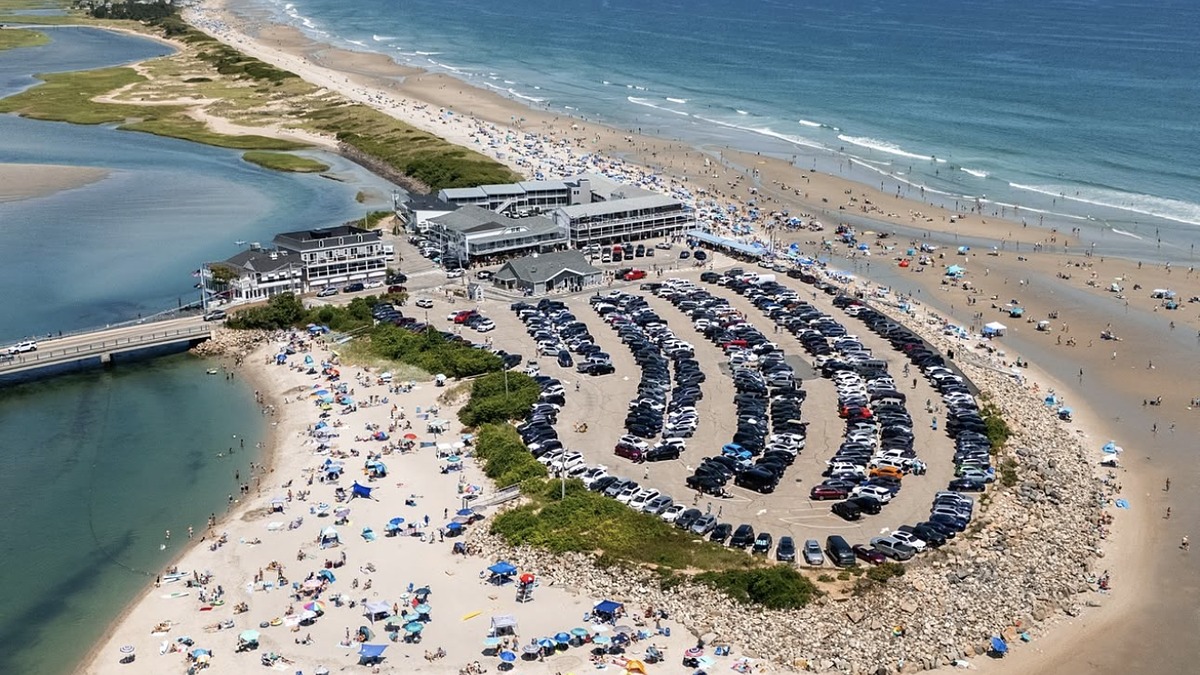
Ogunquit Beach: The Three-Mile Standard
If you want one classic Maine sandy beach to base a trip on, Ogunquit is the answer. Three and a half miles of fine pale sand backed by dunes, accessed across a wooden footbridge over the tidal Ogunquit River, with the village of Ogunquit (restaurants, galleries, the Marginal Way coastal path) walking distance behind.
The beach has three personality zones. The "Main Beach" near the footbridge is busiest and where most parking ends up. Footbridge Beach and North Beach further north get progressively quieter and feel more residential. The river mouth side is the calmest swim, since the river meets the ocean here and the water is shallow and slightly warmer than the open Atlantic. Ocean side is colder, more waves, and the body-surfing happens here when conditions cooperate.
Parking is the main constraint in summer. Town lots fill before 9am on weekends and the town sells daily and seasonal passes. The trolley from town runs to the beach in season and is the easier play if you are staying in Ogunquit village.
Old Orchard Beach: The Boardwalk Beach
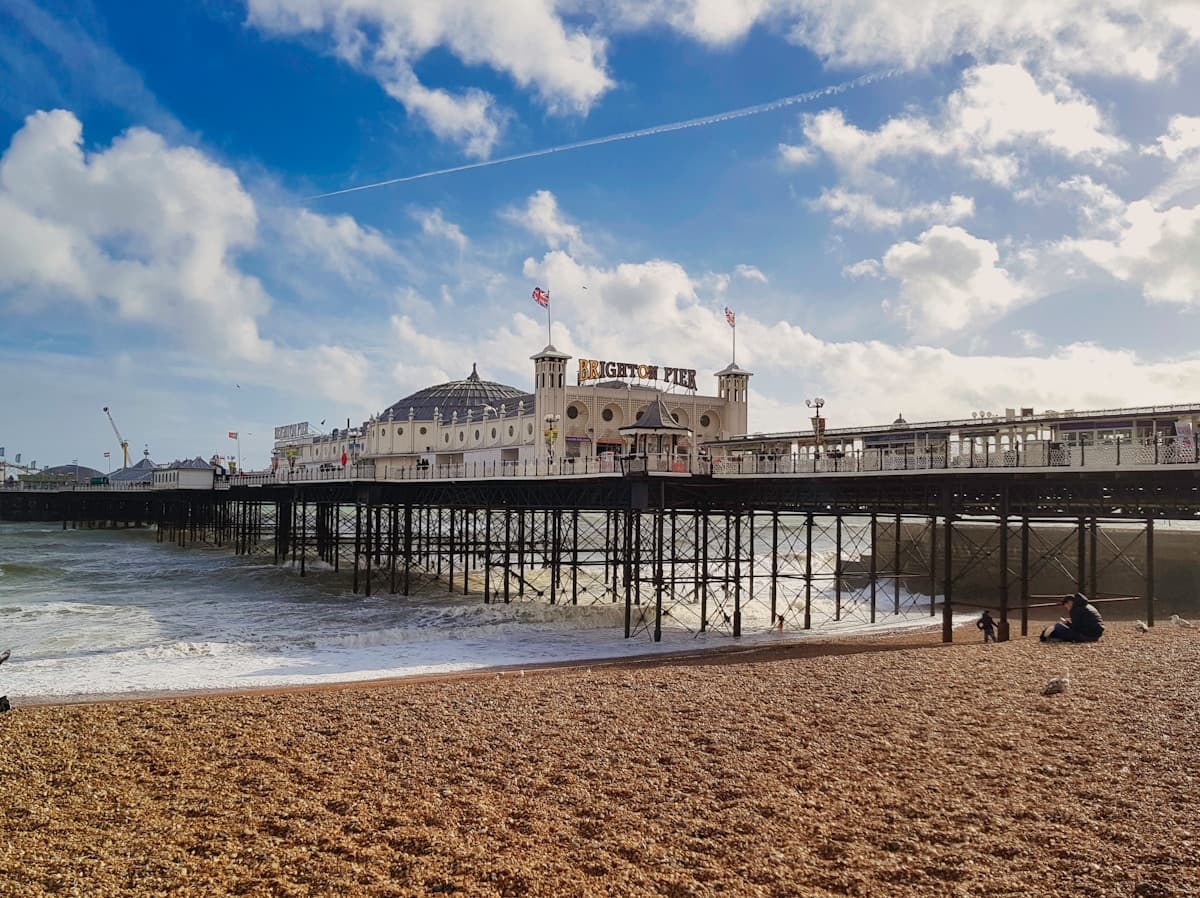
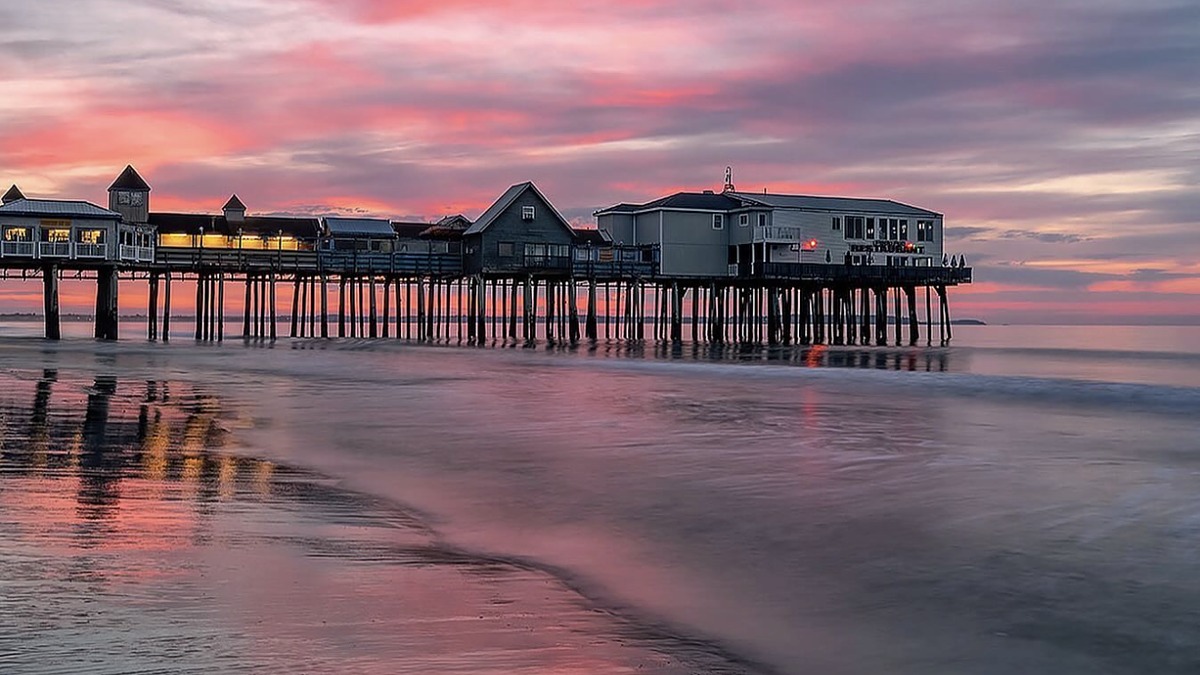
Old Orchard Beach has been hosting summer crowds for 170 years and is the only beachfront amusement park town in New England. Seven miles of broad sand, a vintage wooden pier that pushes 500 feet out into the Atlantic, Palace Playland's Ferris wheel and arcade right behind the dunes, and a downtown of pizza shops, taffy stands, and beachfront bars.
This is not a quiet beach. It is the opposite of quiet, and that is the point. Families come for the kids' rides, the cold-water swim followed by warm fries, the sunburned weekend that feels like a 1980s summer. The sand is wide enough at low tide to absorb significant crowds, and the pier and amusement park give kids something to do when the water gets too cold.
The beach extends well past the busy downtown stretch in both directions. Walk 15 minutes north or south and the crowds thin out. Pine Point at the north end and the quieter sections south of the pier are where locals end up.
Long Sands Beach (York): The One With the Lighthouse
Long Sands stretches a mile and a half along the southern Maine coast in the village of York Beach, with the Nubble Lighthouse perched on its own small rocky island at the south end. Photograph the lighthouse from the beach (or the dedicated Sohier Park viewpoint just past the south end) and you have the most-photographed scene in southern Maine.
The beach itself is a wide hard-packed sand strip that doubles as a road in places. Long Beach Avenue runs directly behind the dunes, and on a low-tide morning you can park along the road and step straight onto sand. Water is moderately calm, body-surfable, and warmer than most Maine beaches because the southern exposure catches the sun all afternoon. The town of York Beach sits behind it with arcades, fried-clam shacks, and the Goldenrod (a candy store famous for saltwater taffy that has been pulling at the same window since 1896).
Parking is metered along Long Beach Avenue and fills early on summer weekends. Get there before 10am or arrive late afternoon when day-trippers are leaving.

Goose Rocks Beach (Kennebunkport): The Calm-Water Pick
Goose Rocks is the answer to "where in Maine can I actually swim without spending the whole time in retreat from the surf?" The beach is three miles of wide flat sand backed by salt marsh and summer cottages, and a barrier reef sits offshore that breaks nearly all the swell before it reaches the beach. The result is a long shallow flat that warms up faster than any other Maine beach because the water sits in the sun before reaching shore.
This is the family beach that locals quietly recommend. The sand at low tide can be 100 yards wide, the bottom is gentle, the waves are gentler still, and you can walk out chest-deep for a long way. Tidepools form in the rocks at the ends of the beach and are excellent for kids. The neighbourhood behind the beach is residential, so there is no commercial strip. Bring your own food or drive five minutes into Kennebunkport for lobster rolls.
Parking is the trade-off. Goose Rocks has very limited public parking and most of the access is by daily resident-and-guest pass. The Town of Kennebunkport sells day passes online and at the Town Hall, and you should buy in advance during summer.
Higgins Beach (Scarborough): Where the Surfers Go
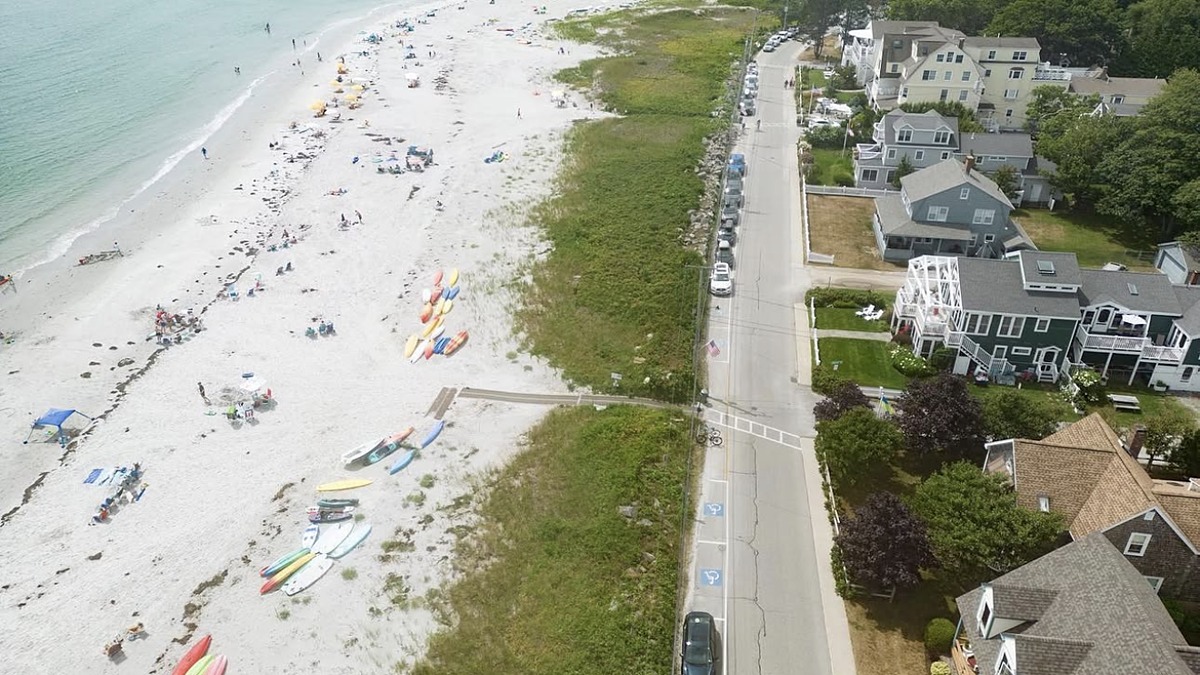
Higgins Beach is what you get when you cross a family beach with a surf break. A mile of fine sand south of Portland, an offshore reef and rivermouth that produce one of the most reliable surf breaks in southern Maine, and a small village of cottages and the historic Higgins Beach Inn behind the dunes that has been there since the 1890s.
Most of the beach is calm enough for kids to splash in, and the sand is wide and soft. But the east end, near the Spurwink River mouth, gets a respectable surf wave on the right swell direction, and you will see local surfers in the lineup most summer mornings. Beginner surf lessons run from the village. Boogie boards work on lazier days throughout the beach.
This is also one of the easiest beaches to reach from Portland, just 15 minutes by car from the city. Parking is metered street parking only, and it fills by 9am on summer weekends. There is no public parking lot. Get there early or take the Pine Point trolley in season.
Reid State Park (Georgetown): Mile Beach and Half Mile Beach
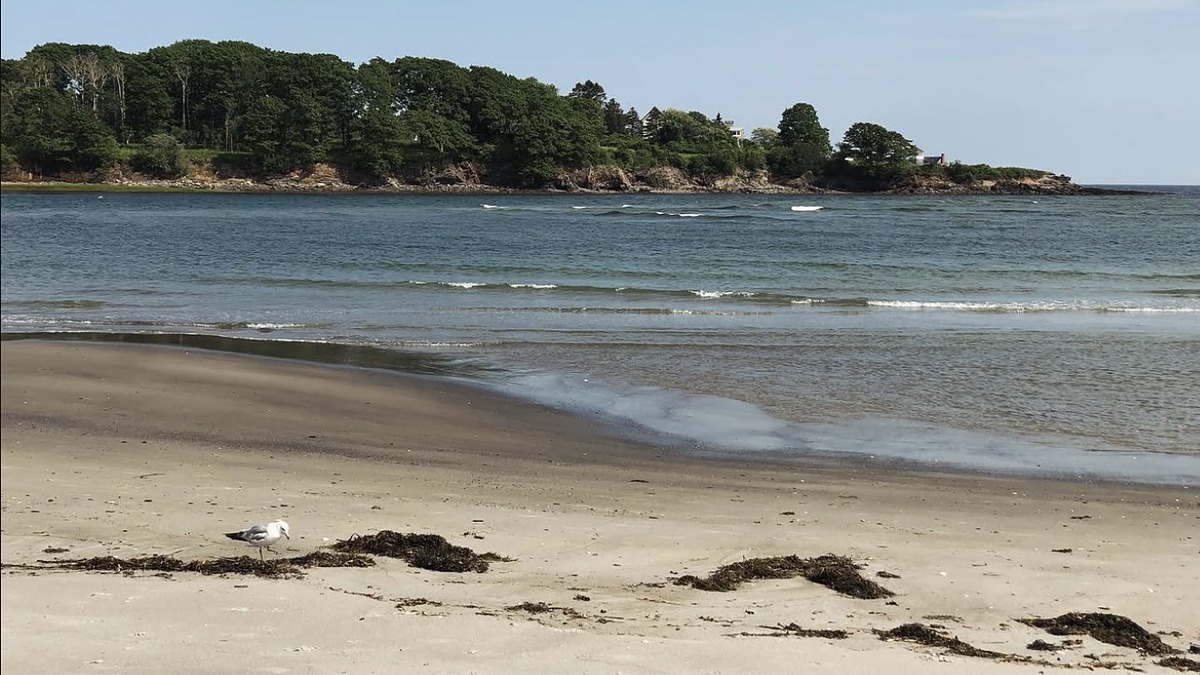
Drive an hour up the coast from Portland and the geography starts changing. The long sandy strips of southern Maine give way to the granite-and-pine Mid-Coast, and Reid State Park on Georgetown Island is the cleanest example of the transition. The park has two distinct sandy beaches, Mile Beach and Half Mile Beach, separated by a rocky headland called Griffith Head where you can climb up for views of the open Atlantic.
Mile Beach is the main strand and faces directly out to sea, with proper Atlantic surf and a long open run of sand. Half Mile Beach is smaller, cupped behind a dune system, and tends to be calmer. Both have tide pools at the rocky ends that fill with snails, hermit crabs, and small fish at low tide. The park has bathhouses with showers, a snack bar, picnic tables with charcoal grills, and short trails through the pine forest behind the beach.
Reid charges a per-vehicle entry fee at the gate. The lot fills by mid-morning on summer weekends, so arriving by 9am is the practical play, or come on a weekday.

Popham Beach State Park (Phippsburg): The Disappearing Sandbars
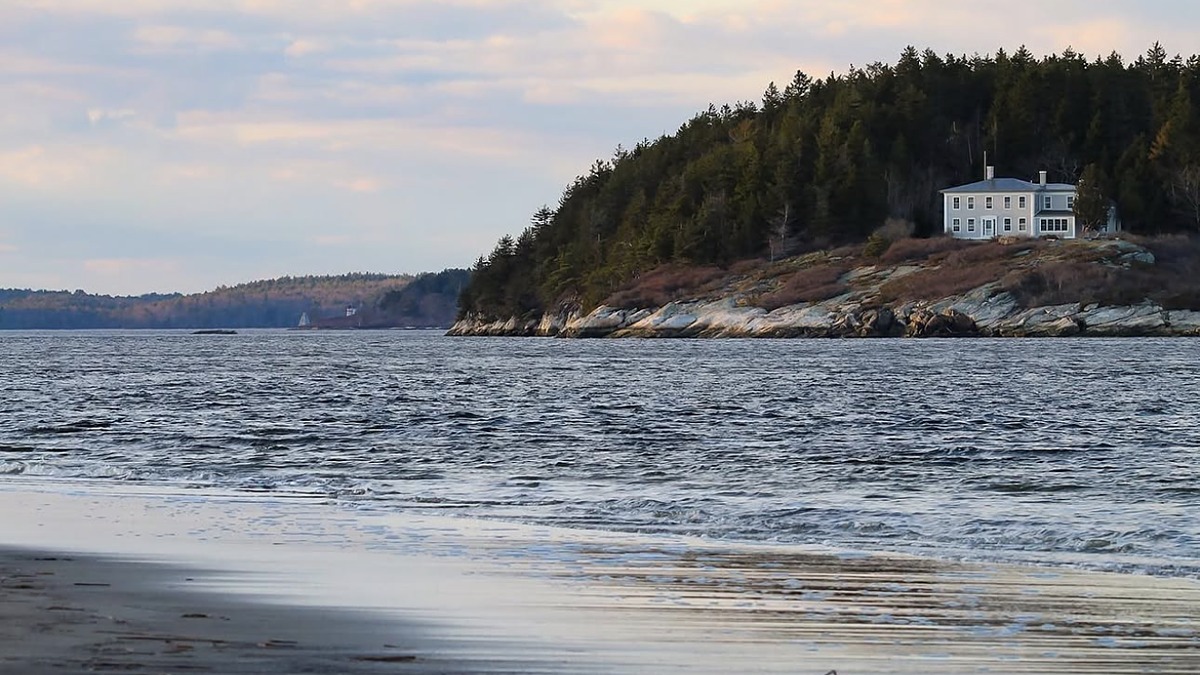
Popham Beach is the most dramatic stretch of sand on the Maine coast and the one most affected by the state's tides. Three miles of barrier beach at the mouth of the Kennebec River, with views out to Fox Island and Seguin Island, and a system of shifting sandbars that connect the beach to a small offshore island called Fox Island at low tide.
At low tide, you can walk the sandbar all the way out to Fox Island and back, an experience that no other Maine beach offers. At high tide, the same path is under several feet of fast-moving water and rangers warn visitors strongly against trying to cross. Time the walk carefully, and check the tide chart before driving down.
Popham has been losing sand for years. Erosion from the Kennebec River has dramatically reshaped the beach, and certain tide and storm conditions can leave very little usable sand at high water. The state park runs a daily conditions hotline during summer. Call before driving down. When the beach is wide, it is one of the best in New England. When the beach is gone, you have driven for nothing.
The water at Popham is consistently the warmest on the Maine coast, because the Kennebec discharges sun-warmed river water across the sandbars on the outgoing tide. It is still the Gulf of Maine, so still cold, but a few degrees warmer than the open Atlantic beaches.
Sand Beach (Acadia National Park): Maine's Most Photographed Cove
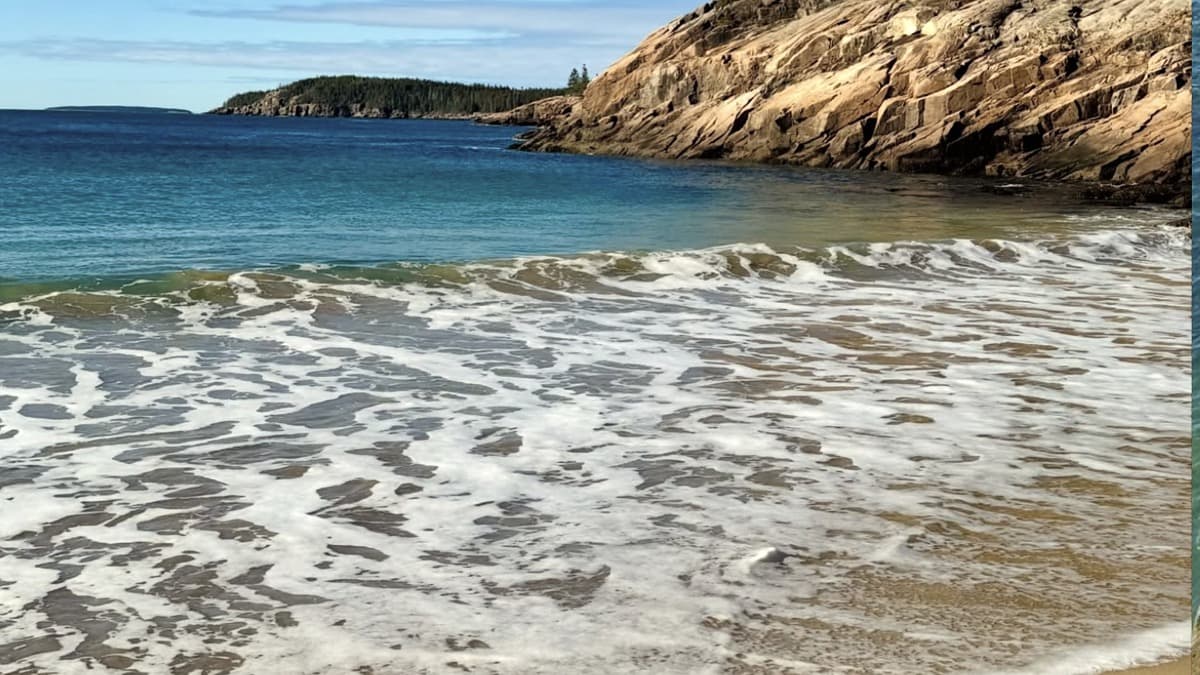
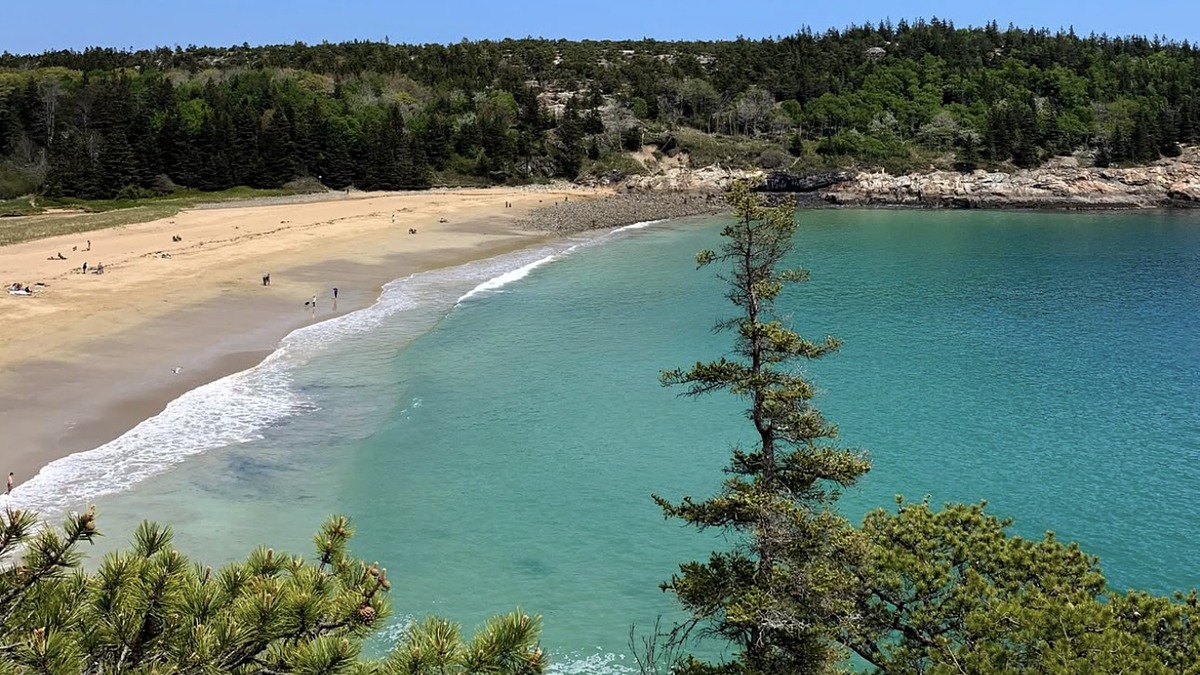
Sand Beach is a small crescent of pink-tinged sand wedged between granite cliffs and pine-covered headlands on the eastern side of Mount Desert Island, and it is one of the most photographed beaches on the East Coast. The "pink" comes from crushed shells of sea urchins and other invertebrates that mix with the sand and give the beach its distinctive warm hue against the dark granite.
The water rarely exceeds 55°F even in late August. People swim, but most last about 90 seconds before retreating to the warm sand. The setting is the reason to come. The granite walls of Great Head and the Beehive rise on either side, and the cliff trail along Great Head delivers some of the best views in Acadia. The Beehive Loop, a steep iron-rung climb just behind the beach, is the most popular short hike on Mount Desert Island.
Acadia is a paid park. Entry fees apply year-round, and the parking lots at Sand Beach and the nearby Loop Road fill by mid-morning in summer. The Island Explorer free shuttle runs to Sand Beach from Bar Harbor in season, which is the easiest way in. Sand Beach has flush toilets and changing rooms but no concessions, so bring water and snacks. Pets are not allowed on the beach itself from May 15 to September 15.
If you want the truly wild and weird side of Maine's coast, our Jasper Beach review covers a remote pebble beach in Down East Maine where the stones are deep red and purple and the surf works them into a rolling roar with each set. It is a 90-minute drive past Acadia and almost nobody who visits Bar Harbor makes it that far.
How to Plan a Maine Beach Trip
Three things will save you on this coast.
Check the water temperature, not just the air. Maine air can hit 85°F in July while the water sits at 58°F. Plan to swim in short bursts, bring sun-warmed towels for the recovery period, and do not expect Florida swims. The swim-friendly exceptions are Goose Rocks and Long Sands on warm afternoons in August.
Time the tides at Popham and on the sandbars. Maine tides swing eight to eleven feet, which is among the largest in the lower 48. Beaches like Popham change shape across a single day. Check the tide chart on the morning of, not the night before.
Buy parking in advance for the famous beaches. Acadia, Ogunquit, Wells, Kennebunk, and Goose Rocks all charge for parking and all sell out on summer weekends. Most have online passes you can buy ahead. The state parks (Reid, Popham, Crescent Beach) are first-come at the gate but the lots fill by mid-morning.
The right Maine beach trip looks like this: morning at a sandy southern beach for the swim, afternoon driving up the coast for a state-park view, evening at a lobster shack with sand still in your shoes. Cold water, big tides, no apology for either.