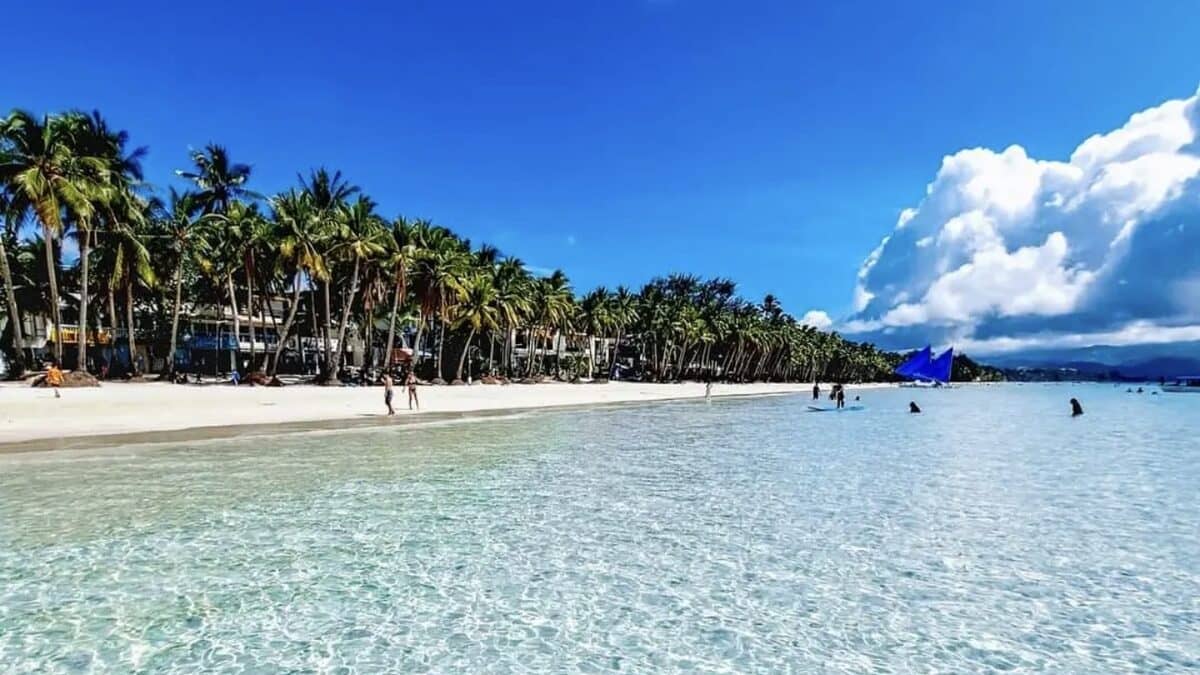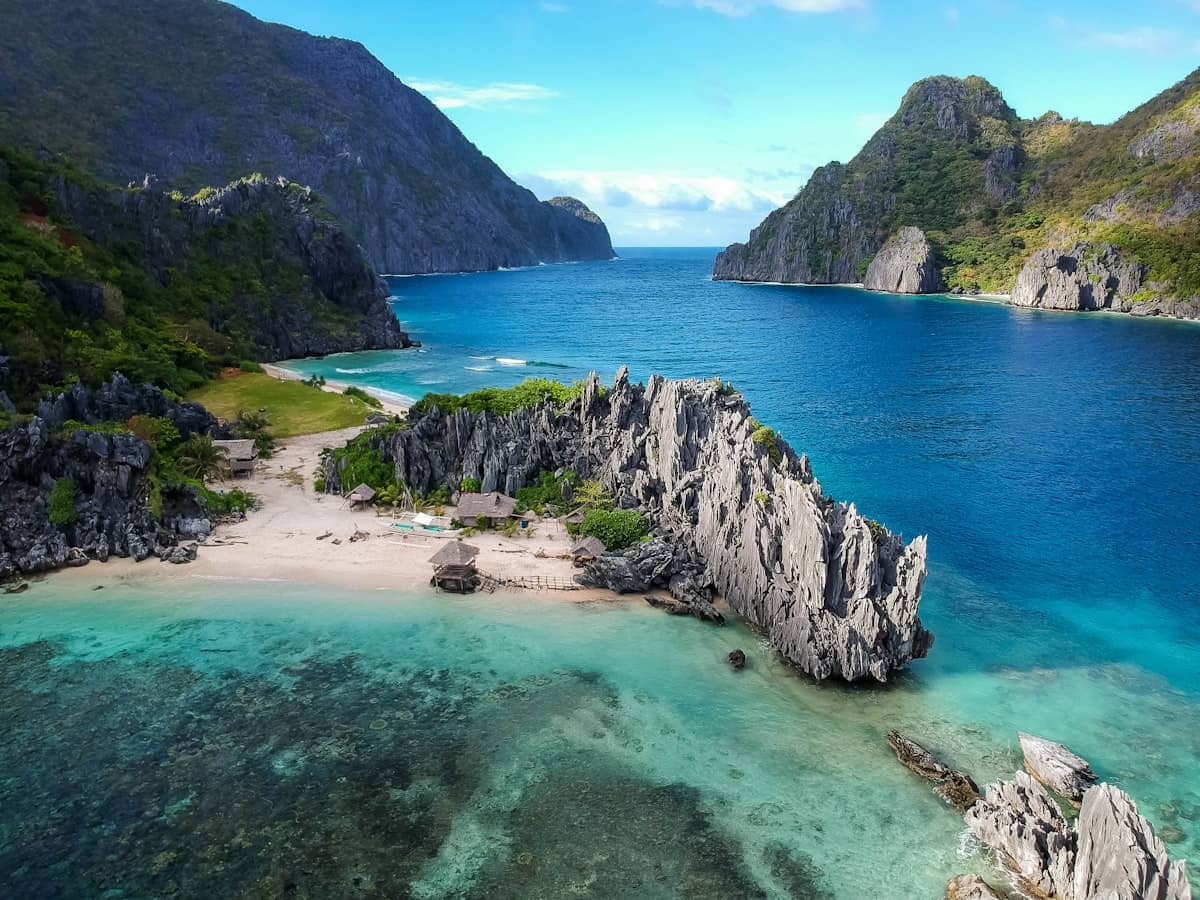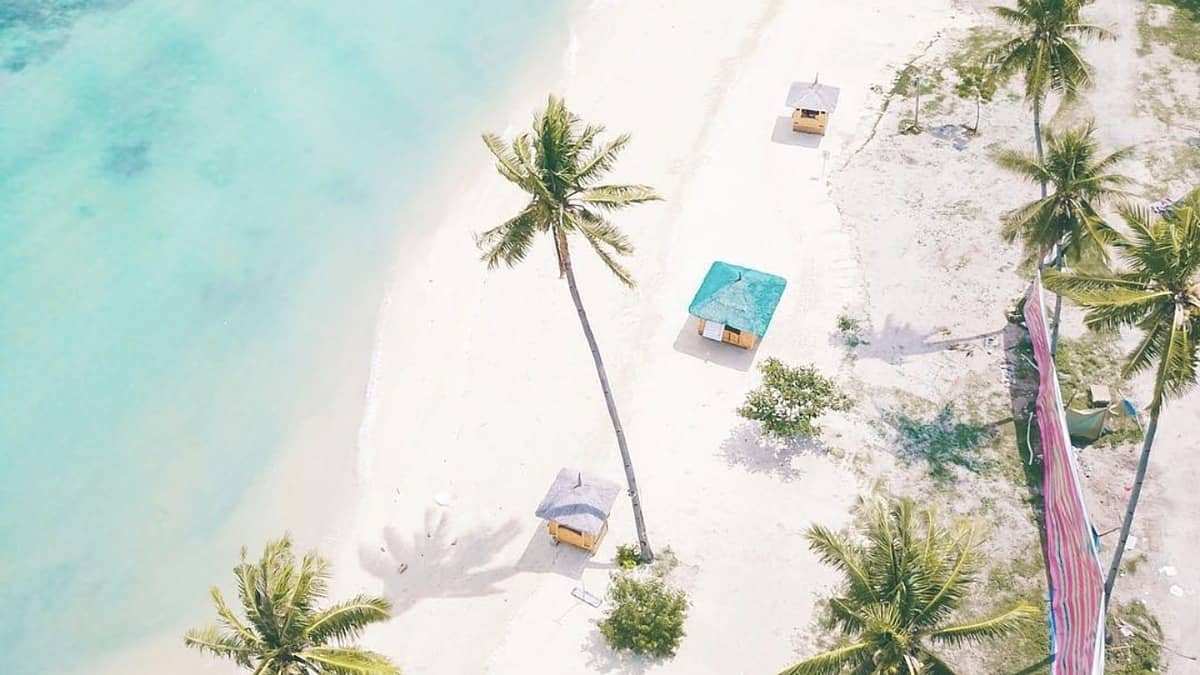
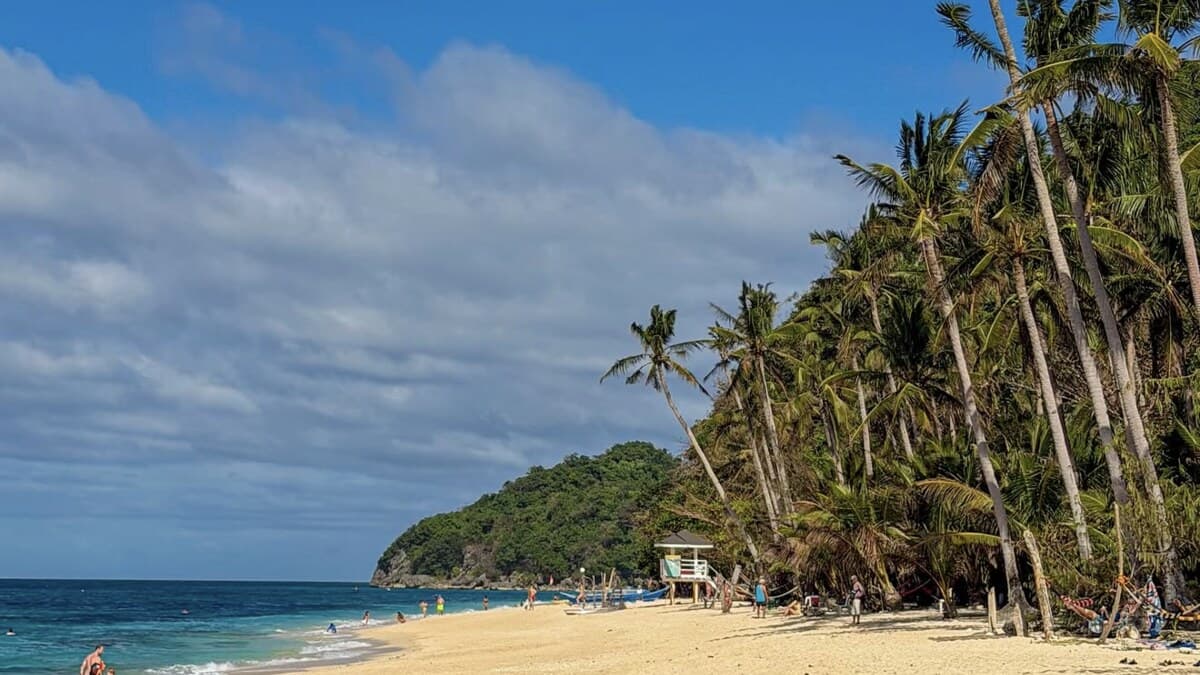
Boracay's fame is built on one beach. White Beach is the four-kilometre strip of powder sand, beach bars and blue-sailed paraw boats that fills every best-beaches list, and in high season it fills with people to match. Puka Beach is where you go when you have had enough of it. Up at the island's northern tip, away from the resorts and the music, it is the raw, quiet, shell-strewn opposite of the strip, and for a lot of visitors it turns out to be the better half of the trip.
Set your expectations first, though. Puka is not a second White Beach. The sand is coarser, scattered with the small white puka shells the beach is named for, and there are no rows of loungers, almost no buildings and barely any shade. What you get instead is space, clean clear water, and the rare feeling on Boracay of having a beach mostly to yourself.
What Puka Beach is actually like
At roughly 800 metres, Puka is Boracay's second-longest beach after White Beach, and it could not feel more different. The locals call the area Yapak, and it is undeveloped enough that people compare it to a desert island. Instead of bars and dive shops you get a wide arc of white sand backed by trees, a few simple stalls, and not much else.
The sand is the headline difference. Where White Beach is famously powder-fine, Puka's is coarser, mixed with crushed white shell, including the puka shells that were collected here by the sackful in the 1970s and 80s for the shell-jewellery trade that made the beach's name. There are fewer now, and they come and go with the seasons, since storms wash sand back over them. It is also worth knowing the wider context: Boracay was closed to tourists for six months in 2018 for a major environmental clean-up, and the rules that came out of it are why the island, Puka included, feels cleaner and more managed today. Part of that is simple: leave the shells and sand where you find them.
Do not picture it deserted all day, though. Puka is a fixture on Boracay's island-hopping boat tours and land tours, so from late morning the western end fills with day-trippers dropped off for an hour or two, with a cluster of stalls and bangka boats gathered there. The beach is long enough to absorb them: walk a few minutes from the drop-off point and the crowd thins to almost nothing. Early morning and late afternoon are when you get the version people rave about, the wide empty arc with just the surf.
Swimming and the water at Puka
The water is the reason to make the trip. Puka has some of the clearest, cleanest water on the island, a deep readable blue with only a few rocks to watch for, and on a calm day it is a genuinely lovely swim. Snorkellers will find more to look at around the rockier edges than in the middle of the bay.
The catch is the exposure. Puka faces the open sea at Boracay's northern end, so it does not have White Beach's flat, wadeable shallows. The slope drops away faster, and when the wind is up the waves and currents run stronger here than on the sheltered strip. It is fine for confident swimmers in normal conditions, but keep a closer eye on children than you would on White Beach, and on a rough day treat Puka as a beach for walking and shell-spotting rather than swimming. There are no lifeguards here, so you are reading the water yourself.
How to get to Puka Beach from White Beach
Puka sits at the far north of the island, about a 20-minute ride from White Beach and D'Mall. The easy way is an e-trike or tricycle straight up the main road. Expect to pay around 20 pesos a head if you share, or roughly 150 pesos to hire the whole trike one way, and agree the fare before you set off. Plenty of island land tours also fold Puka in as a stop, which is worth it if you want to tick off several beaches in a day.
There is no boat service to Puka, so the road is your only route. Go in the morning if you want it at its quietest, before the day-tour groups roll in around midday and the handful of stalls get busy.
One thing to sort before you even reach the island: every visitor arrives through Caticlan and has to register and prepay Boracay's environmental and terminal fees through the official Boracay iPass system, so handle that ahead of time rather than queuing on arrival.
Facilities, food and what to bring
This is where Puka's rawness becomes a planning point rather than a selling point. There are no resorts on the beach and no rows of loungers to rent. A few small stalls sell drinks and fresh buko, the young coconut you drink straight from the shell, and there is essentially one proper restaurant, Tesebel's, known for garlic prawns and grilled seafood. Beyond that, there is very little.
So pack like you would for a quiet beach with no shops. Bring your own mat or towel, plenty of water, sun cover and a hat, because the natural shade is limited and the midday sun is strong, plus anything you want to snack on. If you would rather a proper beachfront lunch with choice, do it back on White Beach at Station 1 or 2 before or after your trip.
Sunset and the best time to visit
Boracay's classic sunset belongs to White Beach, but Puka has its own quiet version from the western end of the bay, with none of the crowd and none of the elbows for the photo. It is a good shout if you want the colours without sharing them with a thousand other phones.
For the beach at its best, come in the dry Amihan season, roughly November to May, when the water is calmest and clearest and December to February is the sweet spot. The Habagat and typhoon months from around June to October bring rougher seas, more seaweed and the shells buried under washed-up sand, so swimming and the whole Puka experience are weaker then.
Is Puka Beach worth it?
Yes, with the right expectations. If you came to Boracay for beach bars, water sports and easy facilities, that is White Beach, and you should base yourself there. Puka is the half-day trip that balances it out: raw, quiet, clean water, real space, and a reminder of what Boracay looked like before the development arrived. Bring your own water and a mat, go in the morning or for the sunset, swim with a little more care than you would on the strip, and Puka might be the beach you remember most.