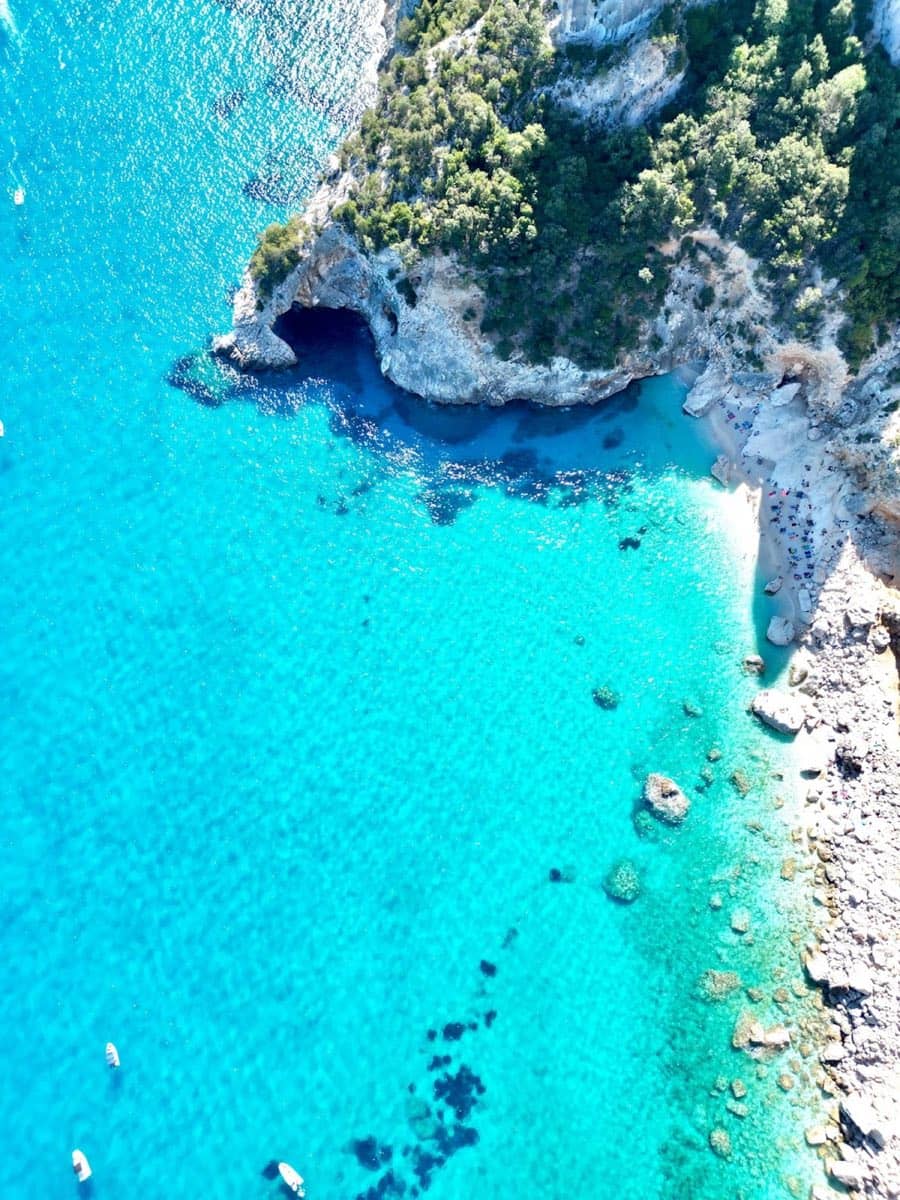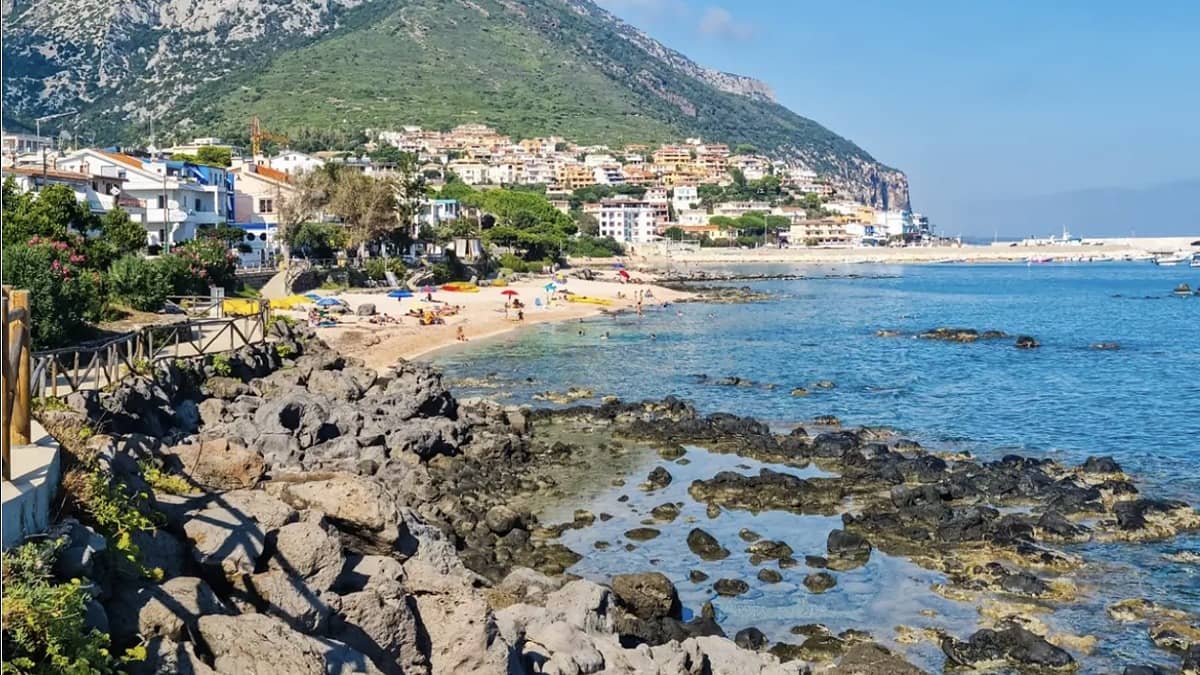
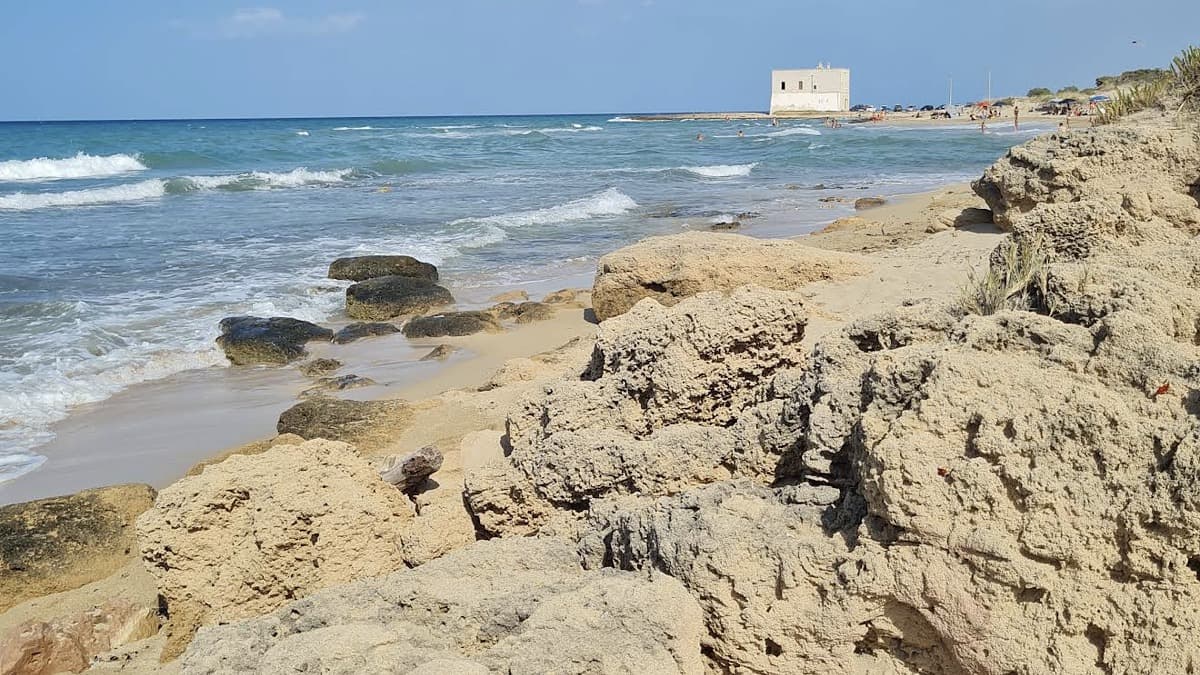
Ostuni's white-washed hilltop old town gets most of the Puglia photographs. Drive 15 minutes down to the coast and Pilone Beach delivers what the hill cannot: fine sand, Blue Flag clean water, shallow swimming for kids, and the rare combination of protected dune reserve and proper beach-day infrastructure. The Parco delle Dune Costiere keeps the area from being over-developed, while several lidos along the strip handle the full beach-club setup for visitors who want loungers and food without leaving the sand.
This is the Adriatic beach Ostuni visitors should be planning around.
Where Pilone Sits on the Puglia Map
Pilone Beach is in Marina di Ostuni, the coastal strip below the hilltop old town. From Ostuni's centre, follow signs for "Pilone" or "Torre di San Leonardo" down to the coast; parking is in marked areas just before the Torre di San Leonardo tower. The beach is reached via pine-forest paths from the parking area, a 2-3 minute walk.
Bari International Airport is around 75 minutes north; Brindisi Airport is 30 minutes south. The beach sits between the more developed Lido Morelli to the south and the resort of Rosa Marina to the north, with the Pilone stretch keeping a quieter natural feel because of the dune reserve restrictions on development.
The location works as a day trip from anywhere in the Itria Valley (Ostuni, Cisternino, Locorotondo, Alberobello), where most Puglia visitors stay.
The Parco delle Dune Costiere Setting
The strip of land behind Pilone Beach is part of the Parco delle Dune Costiere, a regional natural reserve protecting the coastal dune system from Torre Canne south through Marina di Ostuni. The dunes are stabilised by centuries-old Mediterranean junipers and other native vegetation, with walking and cycling paths through the protected area.
The reserve's status matters for the beach. Building is restricted within the reserve boundaries, which keeps Pilone from being lined with hotels and high-rises the way some other Italian Adriatic stretches are. The result is a beach with a genuine natural backdrop: pine forests behind the dunes, the white walls of the inland farmsteads in the distance, and Adriatic horizons in front.
The reserve walking paths give visitors something to do when they need a break from the sun. The shade is welcome on July afternoons.
What the Swim Delivers
The beach is approximately 500 metres of fine golden sand sloping gently into shallow water. The Adriatic here is calm in normal conditions, with shallow shoals extending several tens of metres from shore. Bottom is fine sand throughout; no rocks, no surprises.
Water is Blue Flag certified, which means consistently clean and tested regularly. Visibility is good for snorkelling near the rocky points at either end of the stretch, where you can find sea urchins (be careful), small fish, and occasional sea bream. The middle of the beach is sand bottom and pure swimming.
Lifeguards staff the organised lido sections during summer (June through September). The free public sections do not have lifeguard cover, so swim accordingly. The water is genuinely safe for kids in normal conditions, but check the daily flag if one is posted.
Lidos vs Free Beach
Like most Puglia beaches, Pilone has both lidos (paid beach clubs) and free public sections.
The lidos offer sun loungers and umbrellas, beach bars and restaurants, full amenities (toilets, showers, changing rooms), and food and drinks delivered to your lounger. Day rates vary; expect 15-30 euros per person depending on the lido and the season. Lidos are the easy option for visitors who want a full-service beach day without managing logistics.
The free sections between and beside the lidos let you spread your own towel and umbrella without paying. Less infrastructure (no showers, basic toilets), but the same Blue Flag water and the same fine sand. For a casual beach day or families on a budget, the free areas work fine.
Many visitors mix the two: free sand for the main beach day, lido restaurant for lunch.
How Pilone Compares to Other Puglia Beaches
Puglia's coast spans the Adriatic and Ionian seas, with each region offering different beach types.
Pilone is the easy family beach with Blue Flag amenities and protected dune setting. Sand-and-shallow water reliability.
Polignano a Mare (north of Bari) is the dramatic limestone-cliff beach with the famous photo of the town built into the cliff. Small swimming area; the appeal is the scenery.
Torre Sant'Andrea (Otranto area) has dramatic sea stacks and crystal water. Smaller beach.
Punta Prosciutto (Salento) is pure remote sand with little development. The "Maldives" comparison gets thrown around for the Pescoluse area further south.
Pilone wins on convenience, Blue Flag consistency, and family ease. The more dramatic beaches reward a road trip but are less practical for a regular swim day.
When to Visit
June through September is the swim window. Late June, July, and August are peak; mid-September is the sweet spot with warm water (24-26°C) and quieter crowds. May and early October work for the beach without swimming. Avoid August Italian holiday weekends (Ferragosto especially, around 15 August) when domestic crowds peak.
Should You Visit?
Yes, if you are based anywhere in the Itria Valley or Marina di Ostuni area and want a Blue Flag family beach day with natural surroundings. Pilone is the easy answer for Puglia visitors who want sand without committing to a road trip to Salento. For wider Italy context, see our Best Beaches in Sardinia guide for the comparable Italian island beach experience, and our Cala Goloritzé review for the more dramatic Sardinian cove option.