
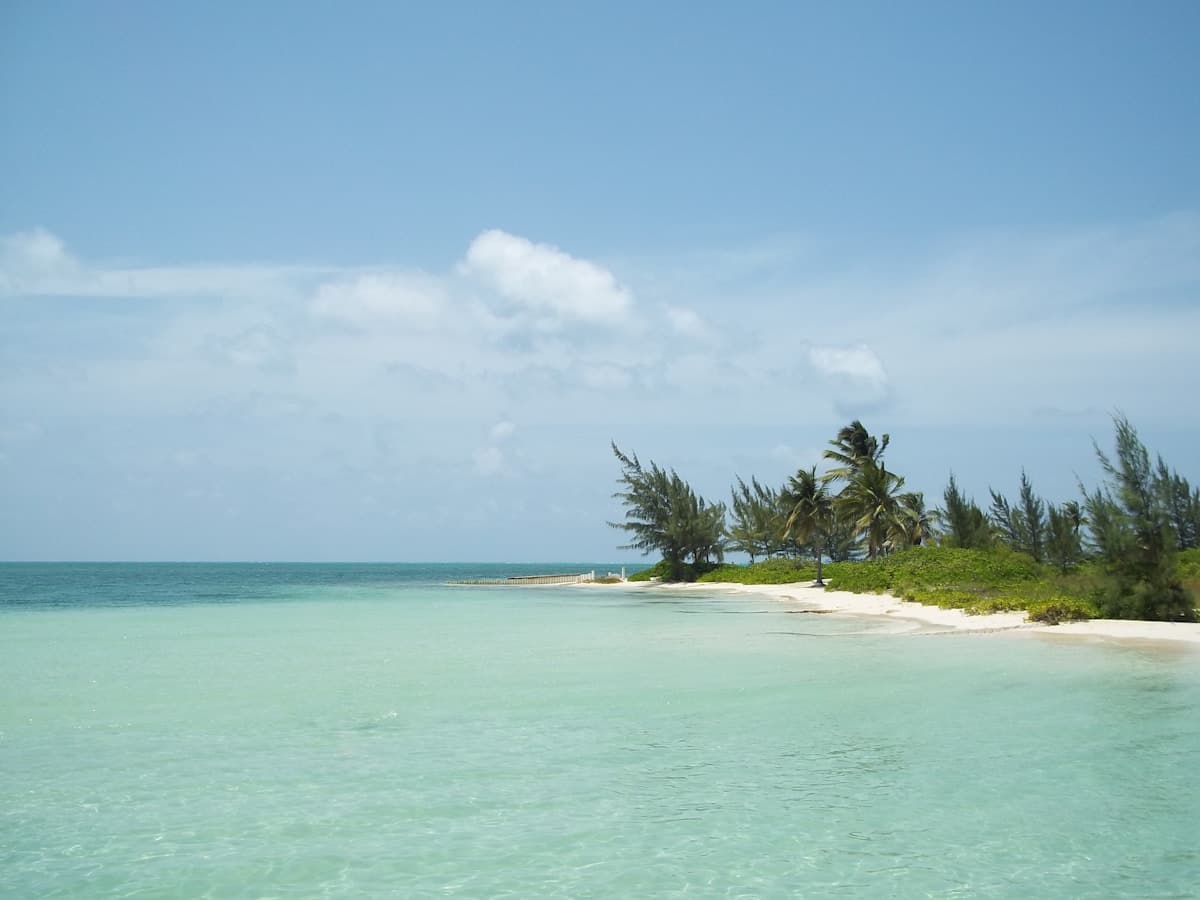
Seven Mile Beach has a reputation problem, and not the kind you might expect. The issue is not that it fails to deliver. The issue is that it delivers so completely on the promise of a perfect Caribbean beach that you start wondering whether you are being unreasonable for wincing at the bill. The water is absurdly clear. The sand is soft, white, and stretches further than you can comfortably walk in the midday heat. Everything works. But everything costs.
What Makes This Beach Worth Talking About
Start with the water, because that is what separates Seven Mile Beach from dozens of other long, sandy Caribbean stretches. It is calm, warm, and so clear that you can see your feet in chest-deep water like you are standing in a swimming pool. The colour shifts between pale turquoise near the shore and a deeper blue-green further out, and on a still morning the surface looks almost artificial in its perfection.
The sand matches it. Fine, white, and soft enough that walking barefoot feels comfortable even when the sun has been beating down for hours. No shells cutting your feet, no rocky patches to navigate, no seaweed piles to step over. It is the kind of sand that travel brochure photographers exist to capture, and for once, the brochures are not exaggerating.
The beach runs for about five and a half miles along Grand Cayman's west coast, despite what the name suggests. Nobody has ever bothered correcting this, which tells you something about the relaxed attitude on the island. The length means there is space to spread out, and even on busy days you can find a quieter stretch if you are willing to walk.
For anyone who has spent time at beaches where the reality falls short of the marketing, Seven Mile Beach is a refreshing change. It looks exactly like the photos. The question is whether the price of admission is worth it.
The Cost of Caribbean Luxury
Grand Cayman is expensive. Not "slightly above average Caribbean pricing" expensive, but genuinely, consistently, noticeably expensive. This is the part that catches people off guard, even when they think they have budgeted for it.
Beachfront hotels along Seven Mile Beach start at around 400 USD per night in shoulder season and climb past 800 during peak months from December through April. The big-name resorts, the Ritz-Carlton and Westin among them, push well beyond that. Even the more modest condo rentals a block or two back from the sand rarely drop below 250 per night.
Dining follows the same pattern. A casual lunch at a beachfront restaurant runs 25 to 40 USD per person before drinks. Dinner at one of the nicer spots can easily hit 60 to 100 USD. A basic grocery run for breakfast supplies and snacks will cost roughly double what you would pay in the US or Canada. Beer at a bar is 8 to 12 USD. A cocktail, 15 to 18.
The counterargument is that you are not just paying for the location. Service standards on Grand Cayman are high. The island is safe, clean, English-speaking, and well-organized. Infrastructure works. Roads are good, tap water is drinkable, and the general level of upkeep across the tourism sector is a step above most Caribbean destinations. You are paying for consistency, and you get it.
Still, it is worth being honest about what this means for the average traveller. A week at Seven Mile Beach will cost roughly what two weeks at an equally beautiful beach in Elafonissi or the Albanian coast would run you. Whether that trade-off makes sense depends entirely on what you value and what your budget allows.
Where to Go on Seven Mile Beach
Not all sections of the beach are created equal, and knowing where to position yourself makes a real difference in your experience.
Public Beach, located roughly in the middle of the strip near the Marriott, is the main free-access area. It has parking, restrooms, showers, and picnic tables. This is where locals gather on weekends and where cruise ship passengers often end up on port days. The facilities are good, but the crowds can be thick, especially between 11am and 3pm on busy days.
The resort stretches north and south of Public Beach offer more space and quieter sand, but access is technically through the hotels. That said, all beaches in the Cayman Islands are public up to the high water mark, so you can walk along the waterline from Public Beach in either direction without anyone stopping you. Finding a spot to set up away from the hotel sunbed territories takes a bit of confidence, but it is completely legal.
For the best combination of quality and quiet, head to the northern end toward Cemetery Beach. This section gets fewer visitors, the sand is just as good, and the snorkeling is actually better here than anywhere else on the strip. The coral formations just offshore support a healthy population of fish, and the water is shallow enough to see plenty without going far from land.
If you are coming off a cruise ship and want a beach day without too much hassle, the southern end near George Town is closest to the tender port but also the busiest. Walking 15 to 20 minutes north from there puts you in much calmer territory.
Cruise Ship Days and Crowd Management
Grand Cayman is one of the most popular cruise ports in the Caribbean, and this has a direct impact on Seven Mile Beach. On heavy port days, typically Tuesdays through Thursdays, multiple ships anchor offshore and tender passengers into George Town. Many of those passengers head straight for the beach.
The difference between a cruise ship day and a non-cruise day is dramatic. On a quiet Monday or Friday, you might have 20 meters of sand to yourself. On a Wednesday with four ships in port, Public Beach can feel like a festival. If you are staying on the island rather than visiting on a cruise, this schedule is worth checking before you plan your beach days.
The port authority publishes ship schedules, so a quick search before your trip lets you plan around the busiest days. Use cruise days for snorkeling trips, island excursions, or exploring the less touristy east end. Save the beach lounging for the quieter days when you can actually hear the waves instead of hundreds of conversations.
Snorkeling at Cemetery Beach
The main stretch of Seven Mile Beach has beautiful water but not much to see underwater. The bottom is sandy and flat, which is great for swimming but dull for snorkeling. Cemetery Beach, at the north end of the strip, is the exception.
The reef here starts close to shore, maybe 30 to 40 meters out, and the visibility is outstanding. Expect to see sergeant majors, parrotfish, blue tangs, and the occasional southern stingray gliding across the sand. The coral is in reasonable condition, and the shallow depth means you do not need to be a strong swimmer to enjoy it.
Bring your own gear if you can. Rental shops along West Bay Road charge 15 to 25 USD for a basic mask and snorkel set, which adds up over several days. Cemetery Beach has no facilities, no vendors, and no lifeguards, so bring water, sun protection, and anything else you need. That lack of infrastructure is exactly what keeps it quieter than the rest of the strip.
For serious snorkeling beyond what the beach offers, boat trips to Stingray City and the barrier reef are Grand Cayman's signature experience. These run 40 to 70 USD per person and are worth doing once, if only for the bragging rights of having a wild stingray eat squid from your hand. If you enjoy Caribbean snorkeling, Kokomo Beach in Curacao offers great reef access right from the shore at a fraction of the cost.
Getting There and Getting Around
Owen Roberts International Airport is less than 15 minutes from Seven Mile Beach by car. Taxis from the airport to the hotel zone cost around 25 to 35 USD, depending on exactly where you are heading. There is no public bus system to speak of, but small minibuses do run along West Bay Road for a couple of dollars per ride.
Renting a car is straightforward and useful if you want to explore beyond the beach strip. Rates start around 50 to 70 USD per day, and driving is on the left (British territory). The island is small enough that nothing is more than about 45 minutes away.
For getting around the Seven Mile Beach area specifically, walking and cycling work well. The strip is flat, many hotels offer bike rentals, and the distances are manageable on foot if you are not in a hurry. Several water sports operators along the beach rent kayaks, paddleboards, and jet skis directly from the sand.
Is Seven Mile Beach Worth the Price?
It depends on what you are comparing it to. As a pure beach experience, Seven Mile Beach is among the best in the Caribbean, full stop. The water clarity, sand quality, and overall setting are genuinely exceptional. You could visit beaches across the Caribbean for years and struggle to find a combination that consistently beats this one.
But the cost is real, and pretending otherwise does nobody any favours. A couple spending a week here will easily drop 5,000 to 8,000 USD on accommodation, food, and activities. A family of four can double that without trying hard. For the same money, you could do two weeks in the Greek islands, a week in the Maldives at a mid-range resort, or visit several beaches from the best beach holidays in Europe guide and still have money left over.
What you are paying for at Seven Mile Beach is the lack of compromise. The water is perfect. The sand is perfect. The infrastructure is solid, the island is safe, and nothing feels like a gamble. There are no seaweed surprises, no dodgy accommodation, no worrying about safety. For travellers who want a guaranteed beautiful beach experience and can afford the premium, it delivers completely. For those watching their budget closely, the Caribbean has plenty of equally beautiful alternatives that will leave you with change in your pocket. The beach does not care what you paid to be there. It is beautiful either way.